
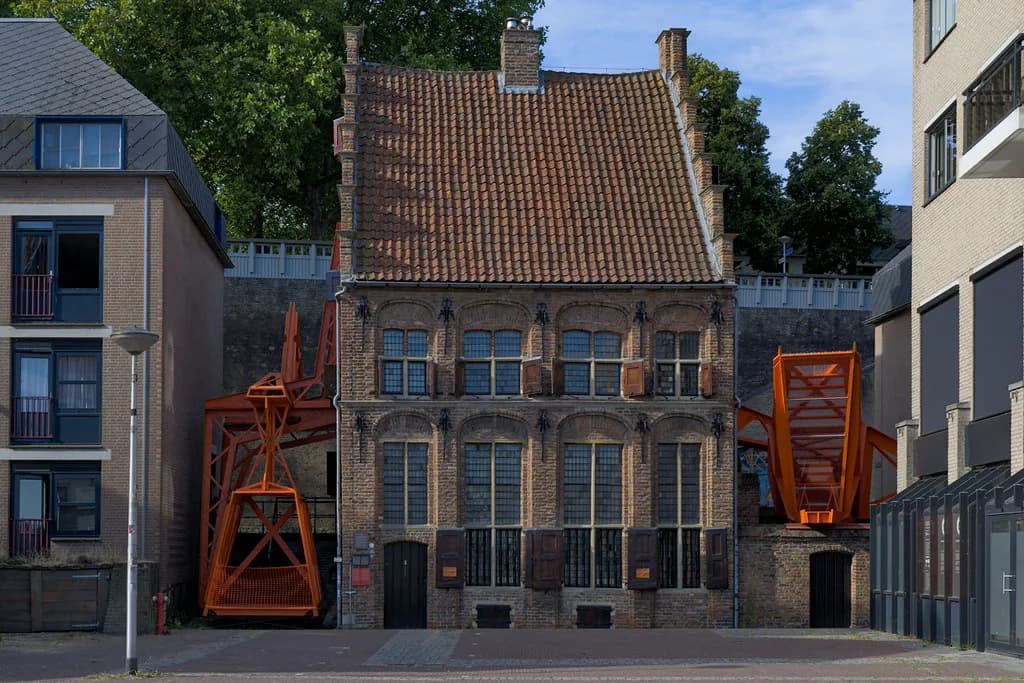
Museum De Bastei: Nijmegen's River and Fortress Museum
Museum De Bastei is worth two to three hours if you want to understand why Nijmegen sits where it does. It is a nature and cultural-history museum built into a 16th-century fortification on the Waal, so the building and the exhibitions tell the same story. This guide covers where it is, what is inside, how long to allow and what to pair with it nearby.
The museum suits travellers who like rivers, landscape and old masonry more than wars and paintings. If you are choosing between Nijmegen's museums on a short break, it is one of several good options rather than the obvious first stop. It is also one of the easier Nijmegen Attractions to fit into a morning, because it sits on the Waalkade within walking distance of the centre.
A nature and cultural-history museum inside a 16th-century fortification
De Bastei occupies an old defence work on the riverbank, and the experience is deliberately split between the fortification itself and the displays inside it. You walk through hidden corridors, stairs and casemates, then emerge into galleries about landscape and wildlife. That combination is the reason to choose it over a standard city museum.
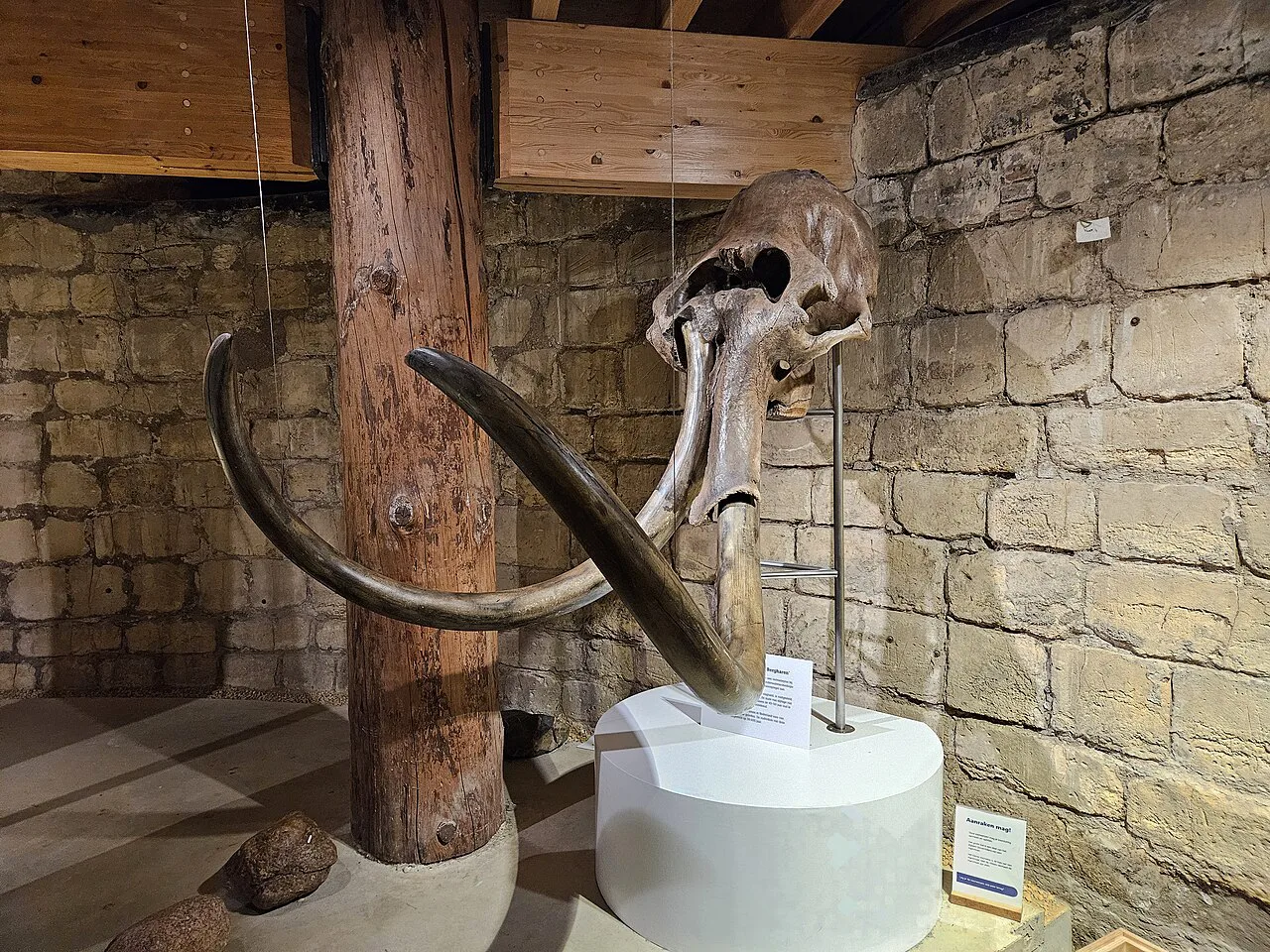
The subject is the long relationship between people, the river and nature at this particular bend of the Waal. Expect an enormous mammoth skull and a white wolf, alongside the other animals that live in and around the river and material on how Nijmegen was built up over centuries next to the water. It is an accessible, family-friendly museum rather than an academic one.

Where De Bastei is and how to walk there
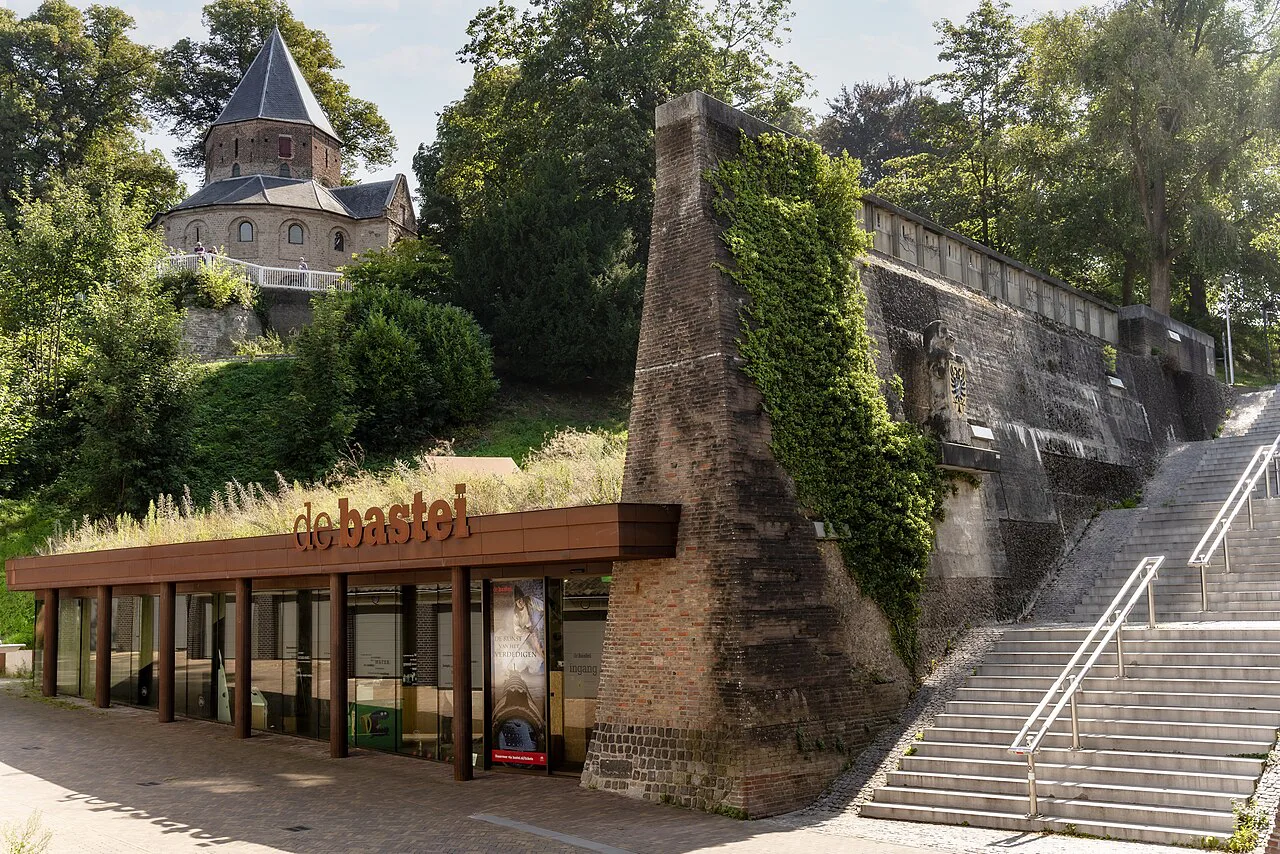
The address is Lange Baan 4, 6511 XJ Nijmegen, on the Waalkade below the city centre. From the centre you walk downhill toward the river and follow the quay; the museum is in the old fortification at the water's edge, close to the Nijmegen bridges. It is an easy add-on to a wider look at things to do in Nijmegen.
Visit Nijmegen lists the museum as reachable by bike, by car and by public transport, and describes it as in and near walking areas and on the river. There is no own car park, so arriving on foot or by bike is the simplest choice.
Opening hours and days
Museum De Bastei is open daily from 10:00 to 17:00, including Mondays. That matters in the Netherlands, where many museums close at the start of the week, and it makes De Bastei a useful Monday option in Nijmegen. Times can differ on public holidays, so check the day you plan to go.

Tickets and planning ahead
Tickets are sold through the museum's own plan-your-visit pages, which also list entrance fees. Booking ahead is sensible on a weekend or in school holidays, when the riverfront draws local families as well as travellers.
Inside the fortification: tower, cannon corridor and casemates
The fortress fabric is the half of the visit people remember. You move through an old defence tower, a vaulted cannon corridor and casemates, with views opening up between the walls. It is genuinely atmospheric, and children tend to enjoy the underground sections most.
Because the fortification is historic, circulation includes stairs and narrow passages. If anyone in your group has limited mobility, look at the practical notes before booking rather than after arriving.
The permanent exhibitions
The permanent displays anchor the museum. Origins of a Landscape explains the forces that shaped the region and puts you face to face with the mammoth and the white wolf. From there, 2000 years of building alongside the Waal takes you into Nijmegen's underground building history, layer by layer.
Treasury of the River introduces the animals sharing this stretch of water, from beaver and sturgeon to the great bittern and the wolf. The Waal Hall ties the story back to people, showing how Nijmegen has lived with the river for centuries and inviting visitors to think about its future.
From the depths: the temporary exhibition
The temporary show From the depths runs from 4 July 2026 to 17 May 2027. It looks at traces of vanished worlds beneath our feet, how the landscape changed over millions of years and which animals once lived here. If it is on during your trip and palaeontology appeals, it justifies the longer time budget.
How long to allow
Plan two to three hours for the museum, fortification and view combined. With children, allow longer, since the underground corridors and the animal displays slow the pace. If you have only one hour, concentrate on the fortification walk and Treasury of the River.
The museum works well as a half-day: arrive at opening, work through the exhibitions, then sit in the café or on the roof terrace before walking along the Waalkade. That leaves the afternoon free for the Valkhof Park (Valkhofpark), Nijmegen, a short uphill walk away.
The café, roof terrace and river view
Do not leave without going up. The museum café sits on the top floor and from there and the roof terrace you look out over the iconic Nijmegen bridges, the green Waalkade and the river landscape. Anyone who dares can step onto the glass bay window for a closer look down. It is one of the best river views in the city.
Café and museum shop
A museum café sits on the top floor, useful for a drink after the underground sections, and the museum shop sells gifts aimed at nature and history lovers. Both are small, so treat them as a break rather than a destination. The café can close for events, so check the museum's site before planning lunch there.
Getting there by bike, car and public transport
By bike you ride onto the Waalkade and park nearby. The museum is listed as accessible by public transport, and the walk from the centre is straightforward. Drivers should plan to use city parking and walk down, since the museum has no own car park.
What to pair with De Bastei on the Waalkade
The Waalkade itself is a pleasant walk, and the river park and bridge views are part of the appeal of the museum's setting. Up the hill, the Valkhof area has parkland and Nijmegen's oldest surviving building fabric. Between the two, Museum Het Valkhof, Nijmegen holds the city's art and archaeology collections.
If you prefer green space to galleries, Kronenburgerpark, Nijmegen has old fortifications and a lake within walking distance of the centre. A morning at De Bastei and a park walk in the afternoon is a straightforward way to fill a day. For the bigger picture, see Nijmegen Attractions: 5 Visitor Guides.
Who should skip it
If your interest is the Second World War, this is not the museum for you; Nijmegen's war history is covered elsewhere. If you want fine art, head to the Valkhof Museum, which pairs art with archaeology. De Bastei rewards curiosity about rivers, geology and wildlife, so choose it deliberately.
Is De Bastei worth your Nijmegen half-day?
Yes, if you want one compact museum that explains Nijmegen's position on the Waal rather than just exhibiting objects. It is open daily, sits by the river and gives you the fortification, the exhibitions and the rooftop view in one visit.
Book through the museum's plan-your-visit page and build the visit around a walk on the Waalkade, with the opening hours confirmed on the day at debastei.nl.
Explore more Nijmegen guides
Frequently Asked Questions
How much time should I allow for Museum De Bastei?
Plan two to three hours, covering the fortification, the permanent exhibitions and the roof terrace. With children, allow longer for the underground corridors and animal displays. If you have an hour, focus on the fortress walk and Treasury of the River.
Is Museum De Bastei open on Mondays?
Yes. It opens daily from 10:00 to 17:00, Monday included, which makes it a useful choice when other Dutch museums close. Hours can differ on public holidays, so check the day you plan to visit before travelling.
Is Museum De Bastei good for children?
It works well for families. The casemates and cannon corridor feel like exploring a castle, and the mammoth, wolf and river animals give younger visitors something concrete to look for.
Is the roof terrace part of the museum visit?
Yes. The museum café sits on the top floor, with the roof terrace and a glass bay window looking out over the Nijmegen bridges, the Waalkade and the river. Head up there before you leave.
Where do I check ticket prices for Museum De Bastei?
Entrance fees are listed on the museum's own plan-your-visit pages. Check the official site before your visit, particularly for family groups.