Things to Do in Den Bosch: Canals, Museums and the Old Centre
Plan things to do in Den Bosch, from the Binnendieze boat tour and St John's Cathedral to the Noordbrabants Museum and the Markt, with honest trade-offs.
On this page
Den Bosch rewards one full day rather than a rushed half-day: the Binnendieze boat, the Sint-Janskathedraal and the two museums next to each other fill a comfortable day, and a second day covers the Tramkade and a bike ride. The old centre is compact and walkable, so the practical question is the order you do things in rather than how you get between them. This guide to Den Bosch groups the sights by quarter so you can walk one sensible loop, then sets out how long to stay, what the boat costs and when the city is at its best.
What Den Bosch is known for and how the old centre fits together
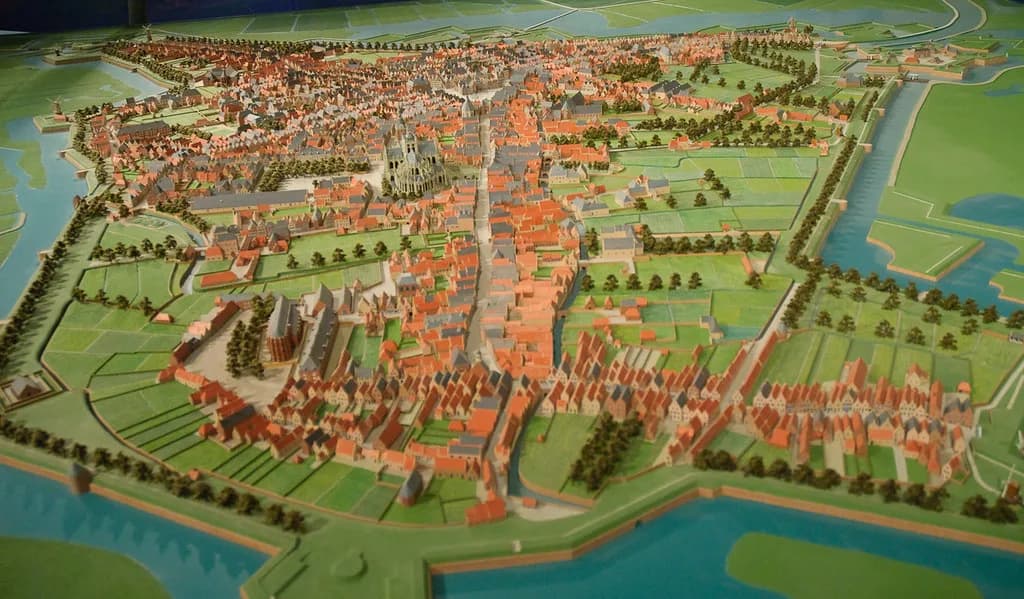
Den Bosch — 's-Hertogenbosch on signs and tickets — sits in North Brabant and is the birthplace of the painter Hieronymus Bosch, whose creatures and hellscapes turn up all over the city's imagery. The medieval heart is small enough to cross in about twenty minutes on foot, with the Markt at its centre, the cathedral a few minutes north and the Binnendieze winding underneath everything.
Four pieces make up the centre for a visitor. The Markt holds the old City Hall, the Bosch statue and the Moriaan, a 13th-century brick building put forward as the oldest brick building in the Netherlands. Korte Putstraat and Uilenburg lead off it towards canal views and small shops, and the Binnendieze is the canal network that runs partly under the streets.
Walk it as a loop rather than a list: Markt first, Korte Putstraat and Uilenburg for the canal stretch, then the cathedral and the museums on the northern edge of the centre. A guided Den Bosch Walking Tour does the same ground with the background filled in, which suits a first morning when you want the layout explained before choosing what to go back to.
How many days Den Bosch needs
A half-day gets you the Markt, the cathedral exterior and a Bossche Bol, but skips the two things people come for: the underground boat and the museums. One full day is the right unit: boat in the morning, cathedral, then the Noordbrabants Museum and Design Museum in the afternoon.
Two days lets you add the Tramkade, the former factory site turned cultural quarter, and take a bike out of the centre. Den Bosch works as an overnight city rather than a stop squeezed between Amsterdam and Eindhoven, largely because the museums reward a slower pace than a day-trip schedule allows.
The Binnendieze boat tour: what you sail under and booking in advance
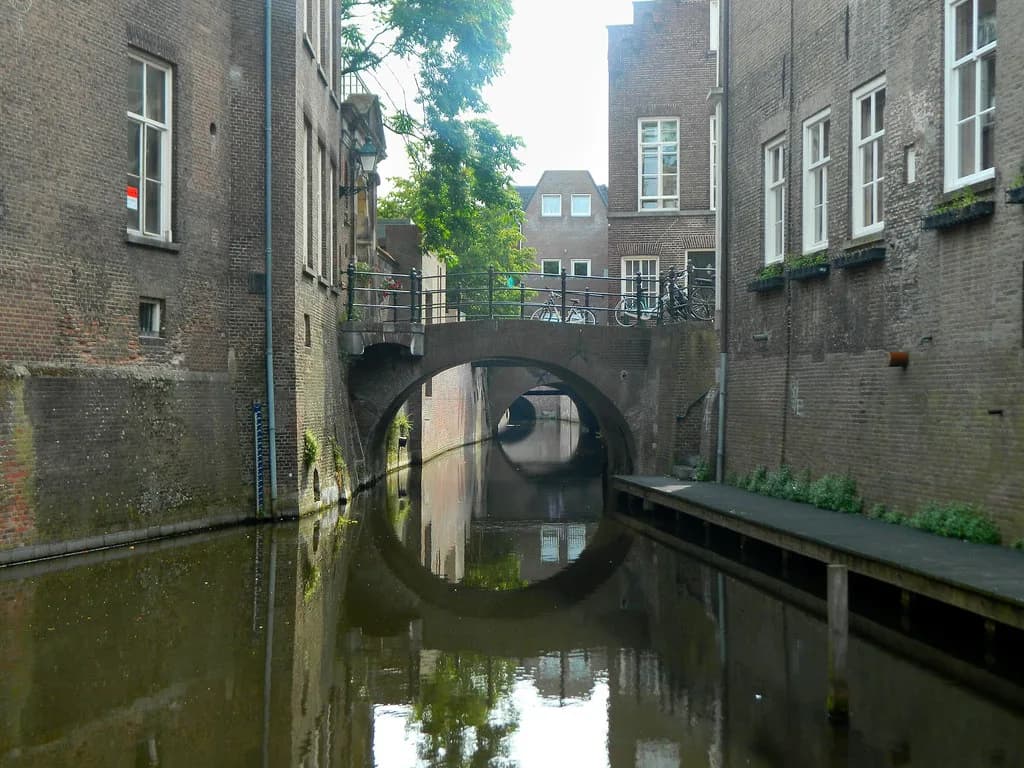
The Binnendieze is the city's signature experience, a network of canals that runs partly under streets and buildings, and the boat tour takes you through narrow tunnels and past corners you cannot reach on foot. Boat tours run from April to October, so a winter visitor should build the day around the museums and the cathedral instead.
Tickets for the Binnendieze boat are bought in advance at the ticket office rather than picked up on the day. A city guide put the price at around 10 euros, so check the current fare when you book. The tour is touristy, but it is the one thing here you cannot do anywhere else, so book it for your first morning rather than leaving it to the last hour.
Allow a good part of the morning for it so it fits neatly before lunch on the Markt. The underground canal is the reason many visitors rate Den Bosch highly for a short break, and the route takes you under the streets rather than along the open canals.
St John's Cathedral: the exterior, the interior and the tower
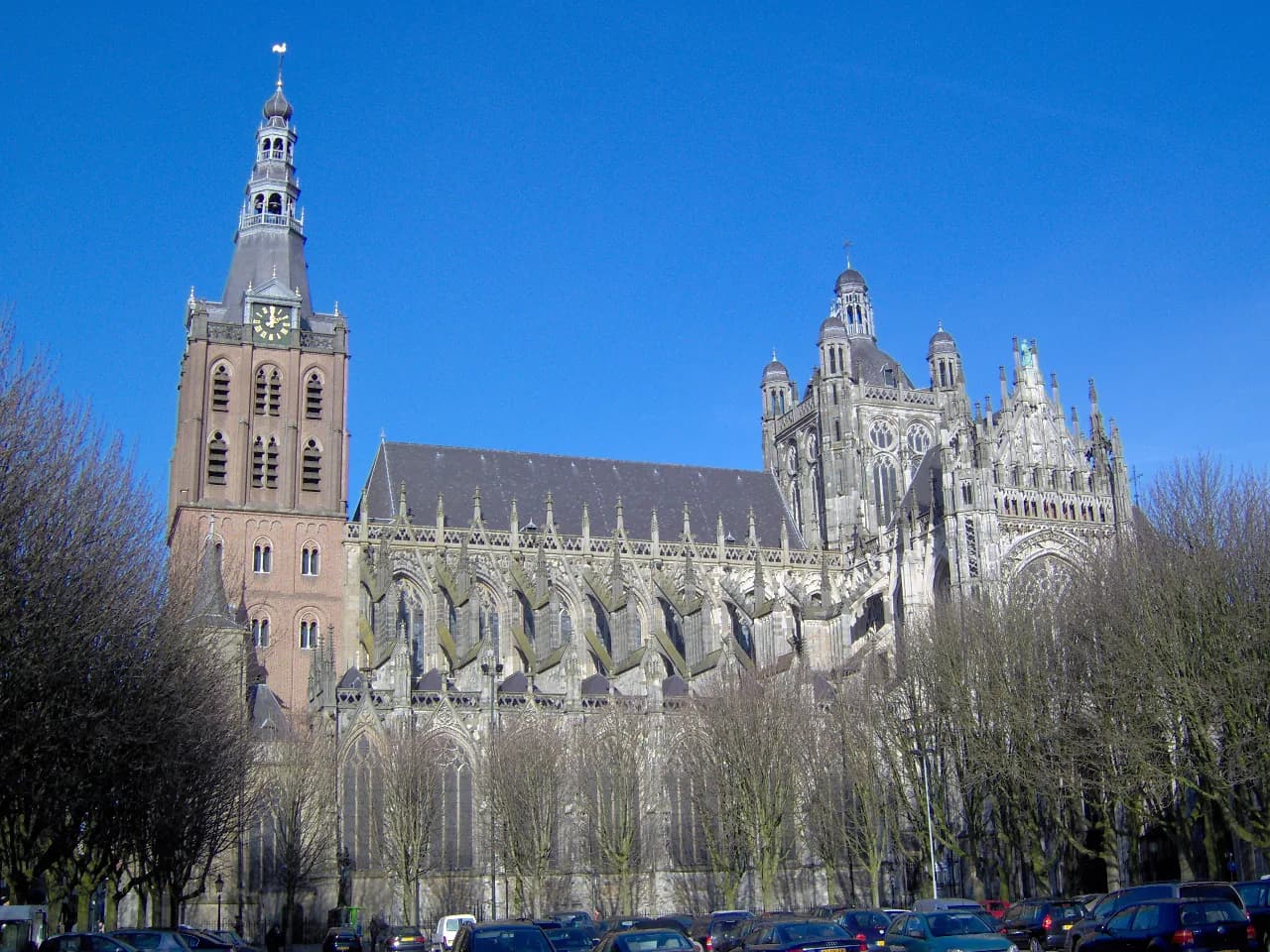
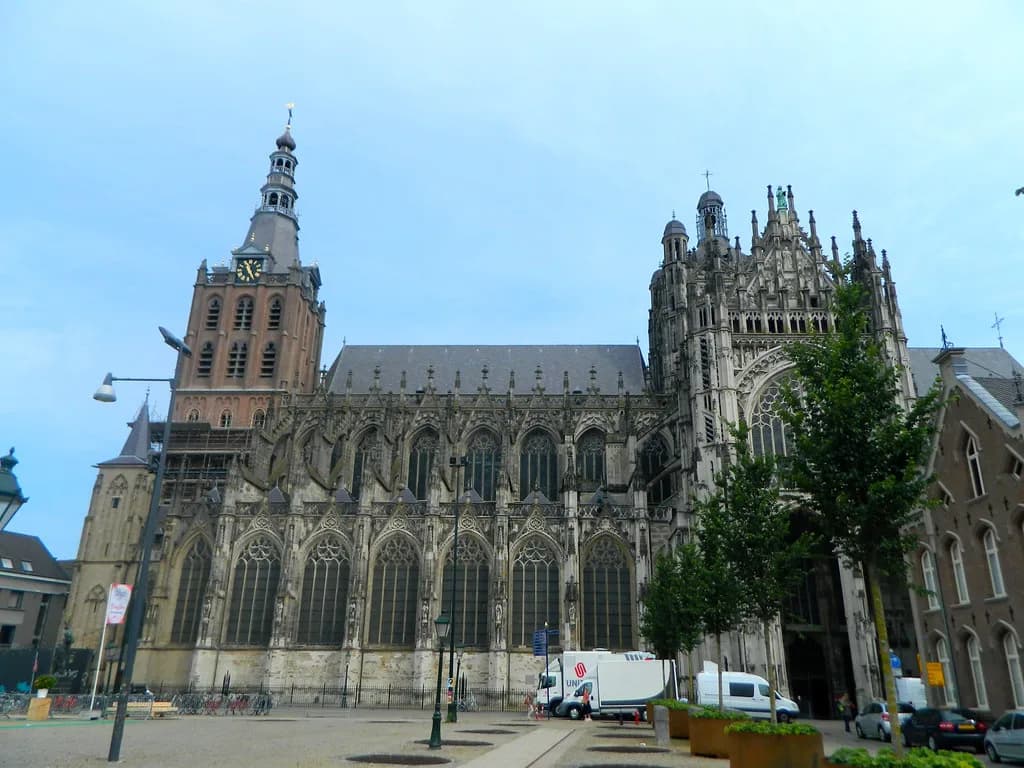
St John's Cathedral, the Sint-Janskathedraal, is the heart of Den Bosch and one of the most impressive Gothic churches in the Netherlands. Construction began in the 14th century and took two centuries to finish, which explains the density of carved detail on the exterior.
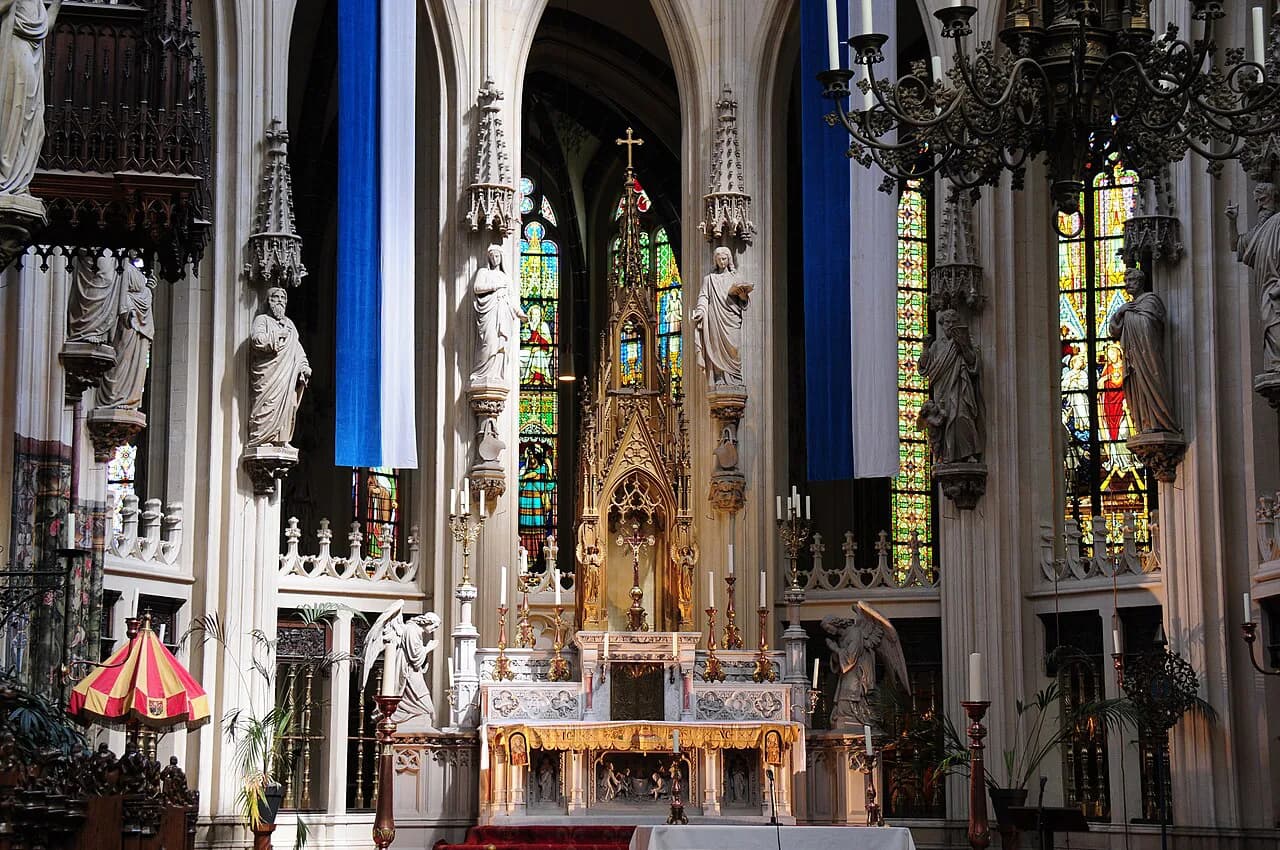
Inside, the stained glass and the height of the nave are the draw, and the visit takes an hour or two. Go early for the best light through the glass and fewer people in front of it, which matters most if you want photographs.
The tower stands 73 metres and can be climbed for views over the city and a close look at the carillon bells. Set aside an hour, and treat the climb as optional: if it is open and tickets are available on the day, take it.
Hieronymus Bosch in the city
The Jheronimus Bosch Art Center is housed in a converted church and is given over entirely to the city's most famous painter. It holds high-quality reproductions of his complete works, including three-dimensional versions of his creatures, which is the clearest introduction to an imagination that is hard to read from a book.
Allow an hour to ninety minutes. It works best before you walk the centre again, because spotting Bosch's creatures in the streets afterwards gives the city a second layer; the city's art galleries are the next stop if the reproductions leave you wanting more.
The Noordbrabants Museum and Design Museum Den Bosch, side by side
The Noordbrabants Museum covers the history of 's-Hertogenbosch and North Brabant across paintings, prints, textiles and archaeology, with more than 30,000 objects. It is described as the only place in Brabant where you can see ten original Van Gogh paintings, and the Jan Sluijters collection is a rewarding detour if post-impressionism is your thing.
The Design Museum Den Bosch sits next door, so the two make one morning rather than two separate outings. The design museum spreads over three floors and its programme changes, so check which exhibition is on before you commit; if the current show does not appeal, the Noordbrabants alone is enough.
For the wider picture of what is on across the city, this guide to Museums in Den Bosch sets out the choices beyond these two. That helps if you have a second day and want to swap one museum for something smaller.
The Markt and the Moriaan
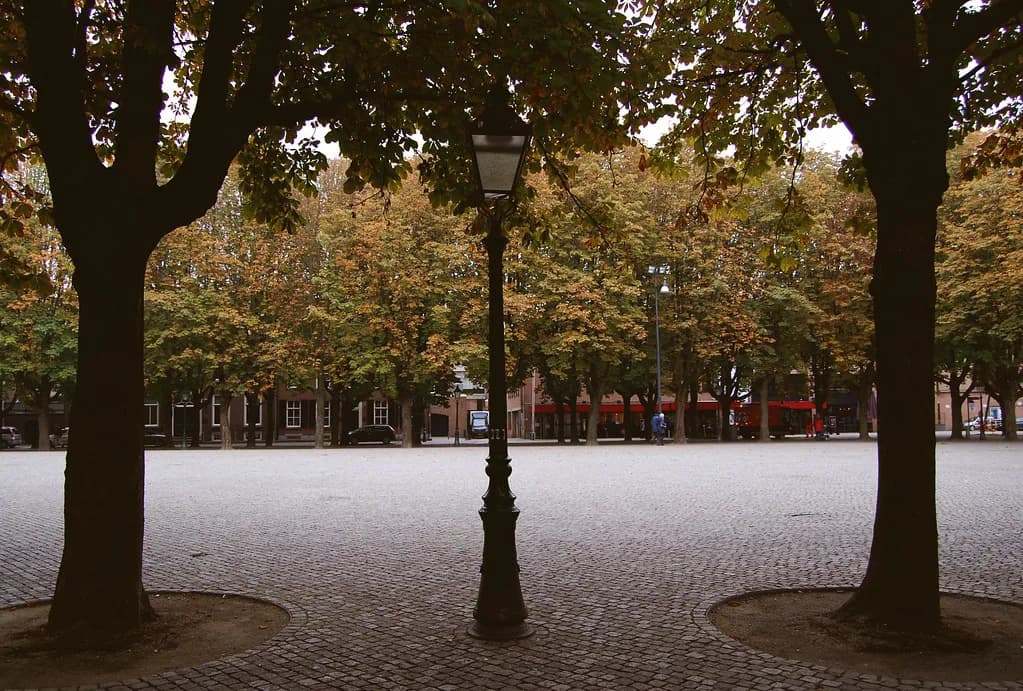
The Markt has been the city's heart since the Middle Ages, and the old City Hall, the Hieronymus Bosch statue and the Moriaan all stand on or beside it. The Moriaan dates to the 13th century and is put forward as the oldest brick building in the Netherlands, which is worth a look even if you only pass it on the way to the cathedral.
Korte Putstraat and Uilenburg are the streets to wander from the square, and Uilenburg is where the slow stroll pays off most, with canal views and small shops. This is not a shopping city on the scale of Utrecht, but the boutiques along these streets are the reason to slow down rather than cross the Markt in a hurry.
If you want to catch a market, check the city's market listings for the week you are there before you plan the day around one.
The Tramkade: factories turned cultural quarter
The Tramkade is a former factory site turned cultural and creative quarter, where you can eat, drink, shop and see something on in the same afternoon. Café Barkade has its own arcade hall and karaoke booth, which makes it the obvious alternative when you have had enough of museums.
The Verkadefabriek, a former biscuit factory, now runs theatre, cabaret, film and debates, with a restaurant and terrace outside. It is a good wet-afternoon option, and its Sunday breakfast and film mornings are the kind of thing worth timing a second day around.
Eating a Bossche Bol
The Bossche Bol is the city's local institution: an oversized choux ball filled with whipped cream and coated in dark chocolate, and it is said to have originated in the early 1900s. It is enormous and messy, and one per person is the realistic order.
Jan de Groot on Stationsweg is widely considered the original bakery, and eating one on a bench near the Markt is the standard way to do it. Treat it as a mid-morning stop rather than dessert, since it is a meal in itself.
Getting around on foot
The centre is compact and walkable, and the main sights sit within a twenty-minute walk of each other, so you will not need transport for the core day. Check museum opening days before you commit an afternoon, since closing days and programmes vary.
For a second day, a bike opens up the edges of the city and the polder beyond. Cycling is a practical way to see more of North Brabant and the outer canals without relying on buses, and a bike tour or hire is the simplest way to do it.
Boat rental on the canals if you would rather steer yourself
If the guided Binnendieze tour feels too organised, you can rent a boat and explore the waters yourself. Bossche Boten aan de Vaart and Sloepvaren Den Bosch both hire boats, while Zelf Varen Den Bosch lets you be your own captain in a boat for up to six people.
Steering yourself suits a group who want an hour on the water at their own pace, but it is a different experience from the underground tour: you get the open canals, not the tunnels under the streets. Book the guided tour if the Binnendieze tunnels are the point for you.
When to go
Summer brings the Bossche Zomer programme, which fills the city with pop-up festivals such as Le Boulevard and Jazz in Duketown, pop-up bars, an outdoor cinema and the Zomer Parade. The line-up changes year to year, so check the programme for your dates rather than planning around a specific event.
Spring and autumn suit the sightseeing better: the boat still runs between April and October, and the museums and cathedral are quieter. Winter takes the boat out of the picture, which changes the shape of the day to museums and the cathedral.
Is Den Bosch a day trip or an overnight stay?
Den Bosch earns the overnight: one full day covers the boat, the cathedral and the two museums, and a second morning at the Tramkade or on a bike makes the trip feel unhurried. If you only have a day, do the Binnendieze first and the Noordbrabants Museum second, and let the Markt fill the gaps.
Book the boat ticket in advance, plan the museums for the same morning and leave the Bossche Bol for the walk back. That order makes the compact centre work for you rather than against you.
Explore more Den Bosch guides
Frequently Asked Questions
Why is the city called Den Bosch?
Den Bosch is the everyday short form of 's-Hertogenbosch. Both names are in use: Den Bosch in speech and on road signs, 's-Hertogenbosch on tickets, timetables and official documents.
What language do they speak in Den Bosch?
Dutch is the everyday language, and the local dialect is Brabantish, which visitors from the UK and US will hear in shops and cafés. English is widely spoken in museums and in the centre's shops, so a short break does not depend on speaking Dutch.
Are there free things to do in Den Bosch?
Walking the Markt, Korte Putstraat and Uilenburg costs nothing, and the streets and squares are free to explore. The Binnendieze boat and the museums charge admission, so the headline sights are not free.
Does Den Bosch work as a stop between Amsterdam and Eindhoven?
It can, but the boat and the two museums need most of a day, so squeezing them between two other cities leaves you choosing one over the other. An overnight stop gives you the morning boat and the afternoon museums without rushing either.
Sources
Notes for your next Dutch city break
Optional updates to our Netherlands guides.
You might also like
Continue reading
More guides you'll find useful