Things to Do in Nijmegen: Sights, Museums and the Old Centre
Plan a Nijmegen city break: the Grote Markt, Valkhof Park, the Waalkade, the oldest shopping street in the Netherlands and a walk across to Veur-Lent.
On this page
Nijmegen is worth two days: one for the old centre on the hill and the Waalkade below it, a second for the river island of Veur-Lent and a museum. The city presents itself as one of the oldest in the Netherlands, with Roman roots and a rebuilt medieval core, and it sits on the Waal at the edge of the Rijk van Nijmegen, so countryside and river are part of the trip rather than a separate outing. This guide groups the sights by where they sit on the map, so you can walk a sensible loop instead of criss-crossing the centre.
What Nijmegen is known for
Nijmegen is a river city in Gelderland, close to the German border, built around a historic heart that survived bombing and reconstruction to keep a dense medieval street pattern. Its reputation rests on three things: its claim to be the oldest city in the Netherlands, a long Roman presence that shows up in its museums and street names, and a student population that keeps the centre lively. The surrounding region, the Rijk van Nijmegen, adds rolling countryside, orchards and vineyards within cycling distance of the centre.
For a short break, that combination is the selling point: you can see Roman archaeology in the morning, walk a riverside quay in the afternoon and be among fruit orchards the next day without hiring a car. The city styles itself the summer capital of Holland, with a warm-weather events calendar that includes the Four Days Marches, the long-distance walking event that brings crowds and a festive mood to the city. If your dates overlap with a major event, expect busier streets and book the day around it.
How Nijmegen is laid out
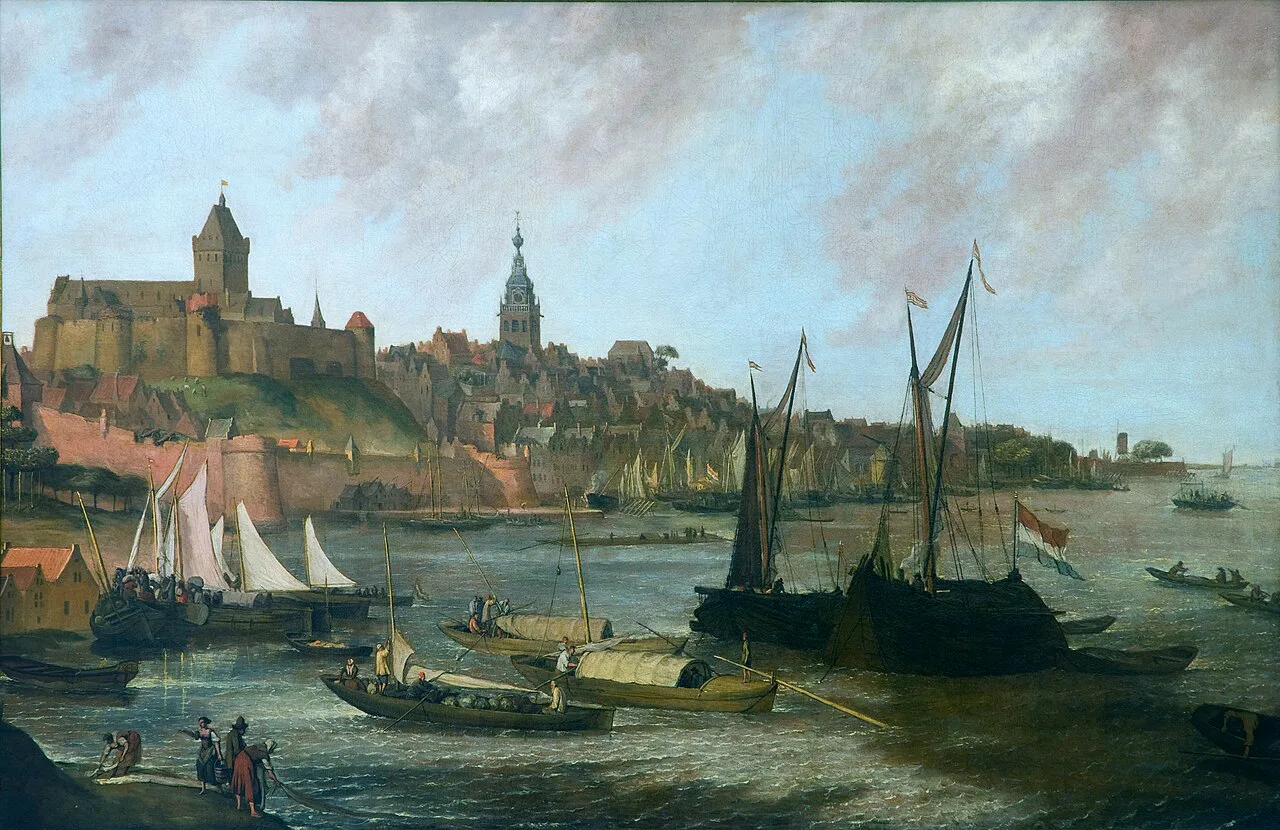
Think of Nijmegen in three horizontal bands. The old centre sits on a rise above the river, with the Grote Markt and the Stevenskerk at its heart; below it runs the Waalkade, the quayside road and promenade along the Waal; across the water lies Veur-Lent, the island created alongside the Spiegelwaal, a secondary channel dug beside the Waal to carry high water. Almost everything a short-break visitor wants is within that triangle, which is why the city works so well on foot.
The practical consequence is that you should plan your day by height rather than by theme. Start on the hill, work down to the quay, then cross the bridge if the weather holds. Our Nijmegen City Centre guide covers the streets between these bands in more detail, and the Nijmegen Walking Tour route links the main sights in a single loop.
The old centre on foot: Grote Markt and Sint-Stevenskerk
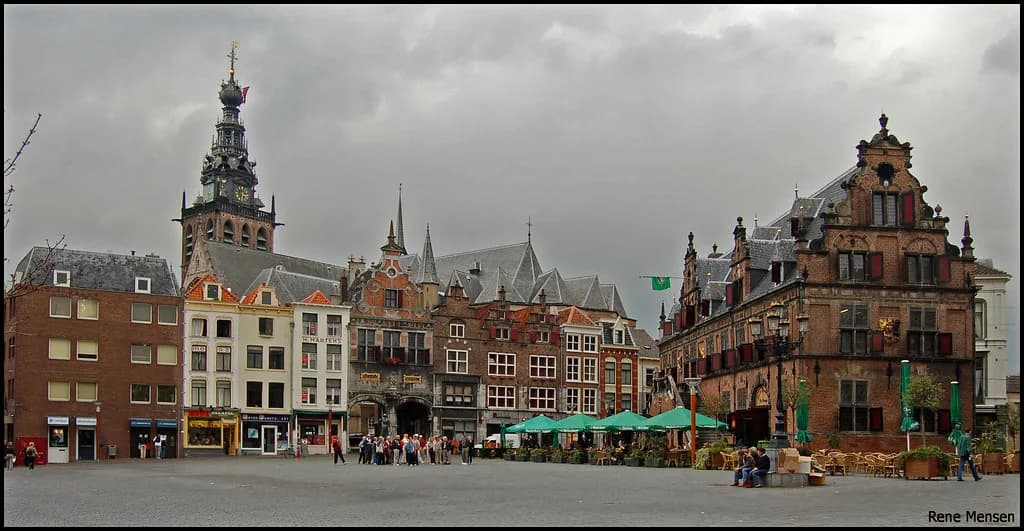
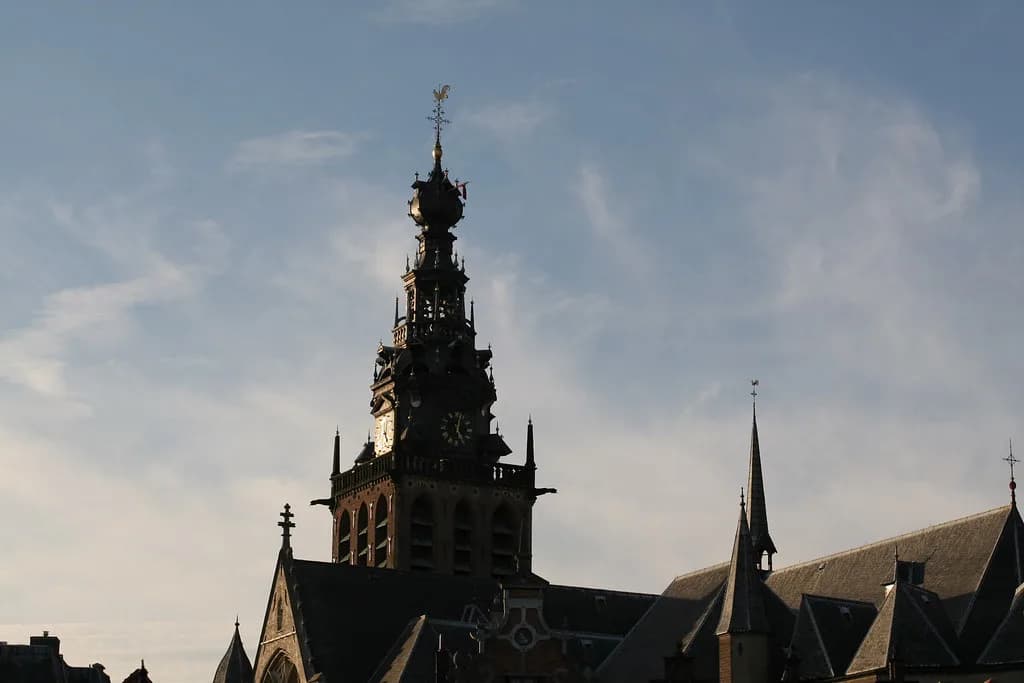
Start at the Grote Markt, the square at the centre of the old town. The Boterwaag, the 17th-century former butter weigh-house, dominates it and is the building most photographs of Nijmegen feature, while the Kerkboog gate leads you past historic buildings towards the Stevenskerk. The church, badly damaged in the Second World War and rebuilt, sits on raised ground and is the landmark that defines the city skyline.
Allow an hour to wander the square and the lanes behind it rather than treating it as a photo stop. The area around the Grote Markt rewards slow walking: the gate, the church exterior and the surrounding streets carry most of the historic fabric that survived the war. If you only have an afternoon in the city, this is the block to prioritise.
Valkhof Park and the hilltop
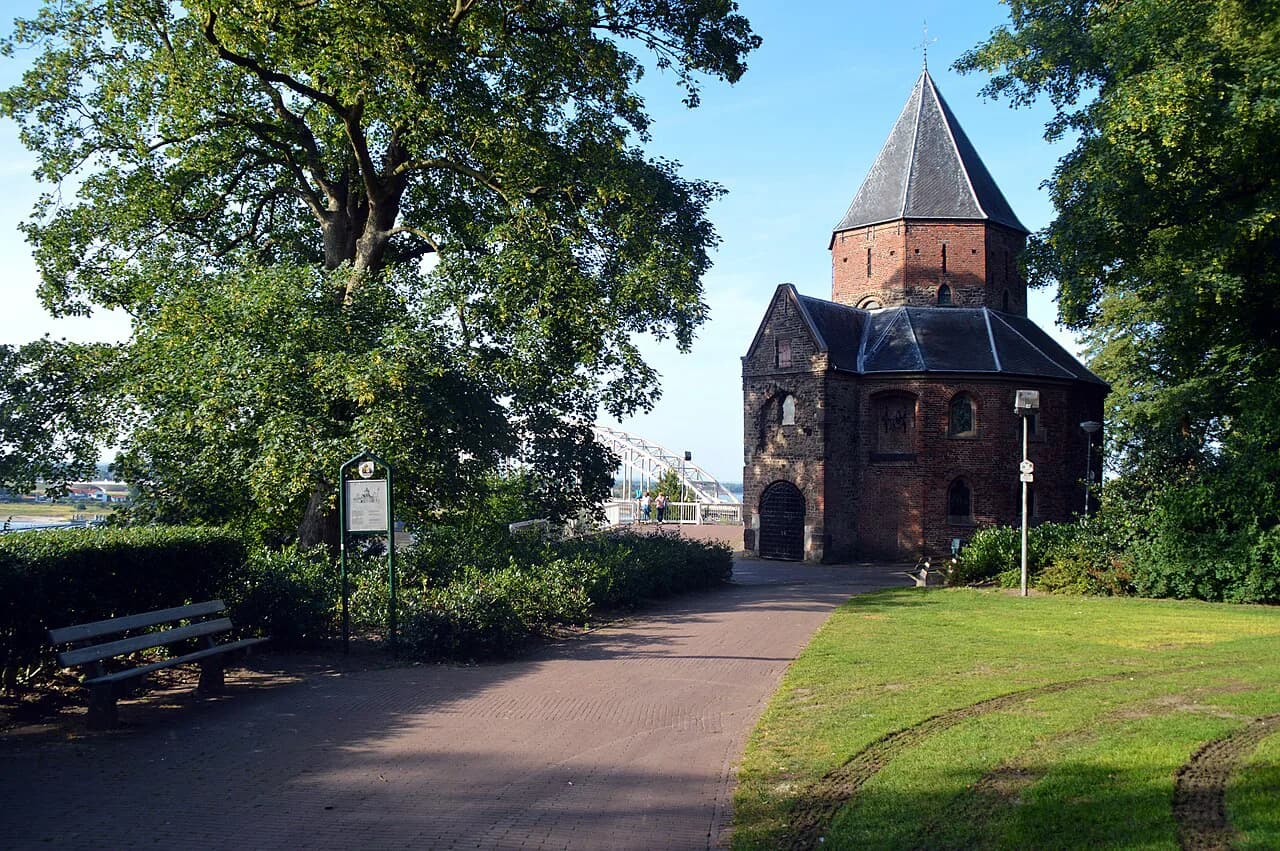
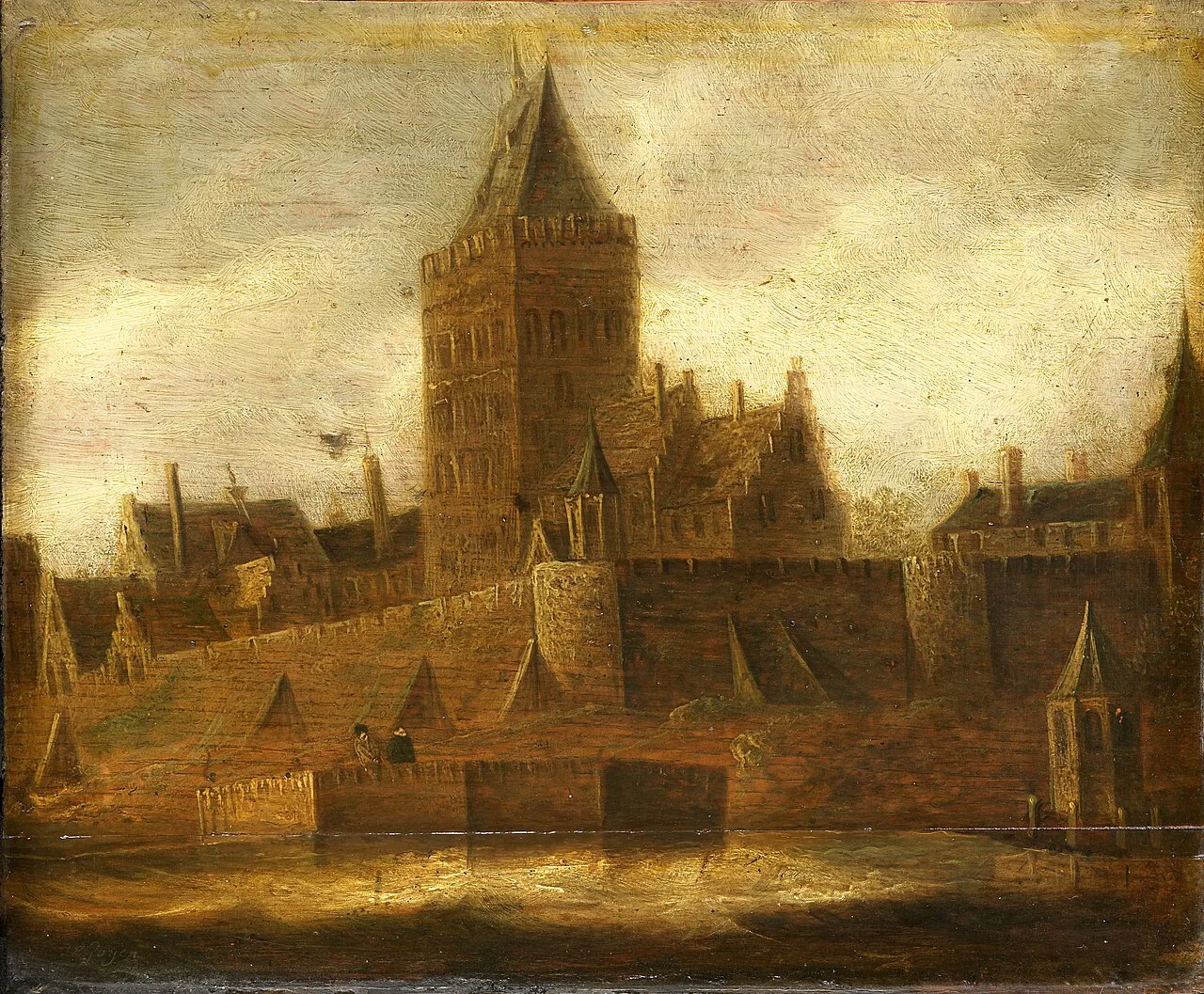
Walk up from the centre to Valkhof Park for the best free viewing point in the city. The Sint-Nicolaaskapel, also called the Valkhofkapel, is a small chapel built around the year 1000, and beside it stand the remains of the 12th-century Valkhof Castle, known as the Barbarossa ruin. Both were spared when the palace was demolished in the 18th century, and both are national monuments; the chapel is used for weddings, exhibitions, concerts and funerals rather than as a general visitor attraction, so plan on seeing it from outside.
The viewpoint near the chapel takes in the Waal, the Waal bridge, the secondary channel and the Waalkade below, which makes it the natural place to pause before you descend. The park itself is a pleasant place to sit, and the combination of Roman-era remains, medieval chapel and river panorama is the strongest single stop in Nijmegen for anyone interested in history.
Museums in the centre
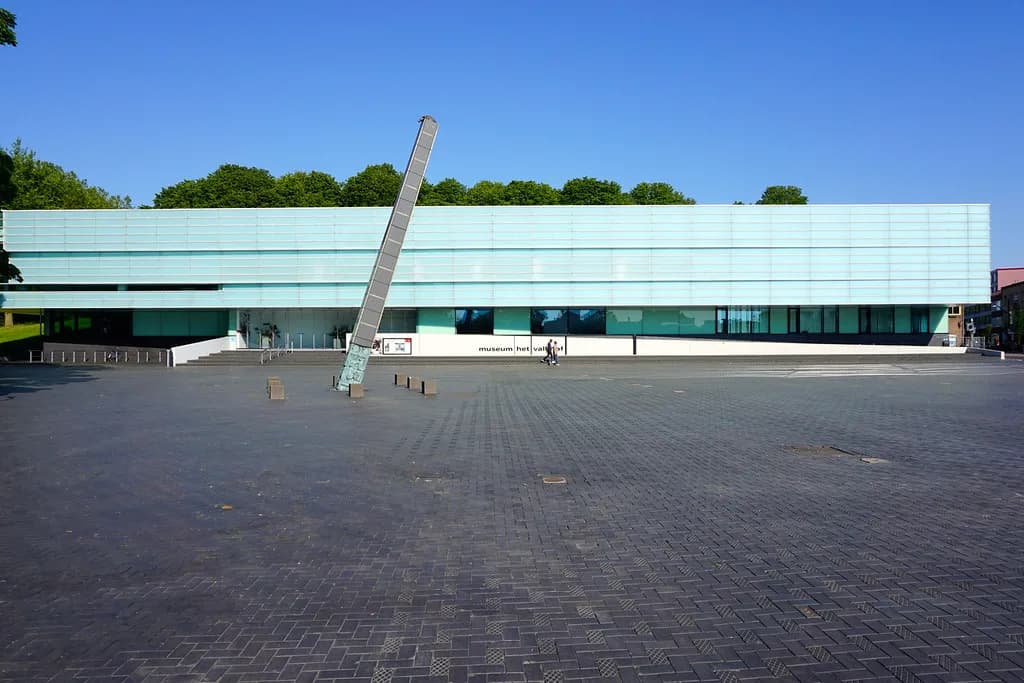
The Valkhof Museum holds art and archaeological collections, including material from the Roman period, when Nijmegen was the largest Roman settlement in the Netherlands. Start there if you want the city's long history set out before you walk it. The Mariënburgkapel, a late-medieval monument in the middle of the centre, functions as a house of Nijmegen history and stages regular exhibitions and lectures, so it is the other sensible starting point for context.
Check opening days before you build a day around either museum, since Dutch museums vary in which days they close. Keep the hilltop, the parks and the river island as the flexible part of the plan, so a museum that turns out to be shut can be swapped for open-air sights.
The muZIEum and experiences worth booking ahead
The muZIEum is Nijmegen's most distinctive experience: a visit designed to show you what daily life is like for people who are blind or partially sighted, run as an immersive tour rather than a display of objects. It suits older children and adults and makes a strong wet-afternoon alternative to a conventional museum. Check the muZIEum's own site for times and any need to book before you travel rather than turning up.
Shopping streets: Lange Hezelstraat and the lanes
The Lange Hezelstraat is billed as the oldest shopping street in the Netherlands, and its interest is architectural as much as retail: many medieval and early-modern buildings survived the wartime bombing, so the street shows several centuries of building styles side by side. Walk it for the fabric of the street and the independent speciality shops rather than with a shopping list. Our guide to shopping in Nijmegen covers the wider retail picture if you want to plan purchases.
For food shopping rather than clothes, Nijmegen market days are the thing to check first, since a market visit can anchor a morning in the centre.
Kronenburgerpark: walls, tower and deer
Kronenburgerpark is the city's favourite green space, and locals spread picnic blankets there as soon as the weather warms. Walk the paved paths along the old city wall and past the Kronenburgertoren, the medieval tower that survives from the fortifications, and you also pass a deer park and a cave with a waterfall. It is a compact park, easily folded into a walk between the centre and the station side of town.
The Waalkade, Spiegelwaal and Veur-Lent
The Waalkade is Nijmegen's riverside frontage, recently renovated and now a stretch of terraces, museums and open ground below the old centre. Look for the Besiendershuis, a 16th-century building named after the official who collected tolls from passing ships and now used for cultural projects. The river itself is the draw here, whether you walk it or join a boat trip.
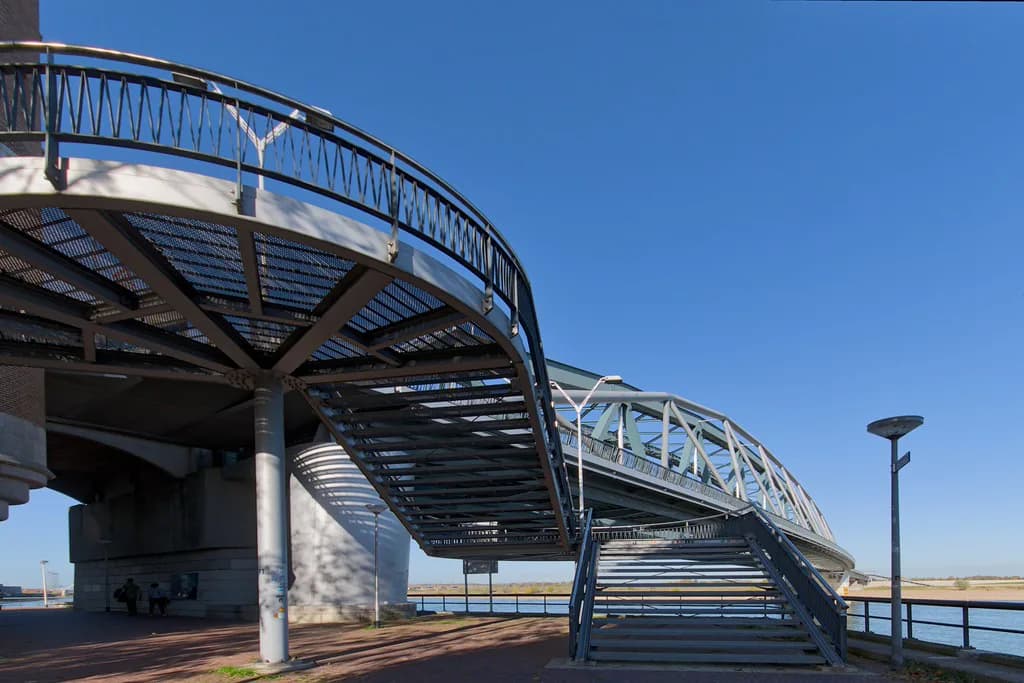
Cross the Snelbinder or the Waal bridge to Veur-Lent, the elongated island created when the Spiegelwaal was dug alongside the Waal and the dikes were moved. The engineering is the story: the channel and island are there to protect the city from high water, and the result doubles as a park for walking, cycling and water sports. On the island you will also find the large mask sculpture known as the face of Nijmegen, made by artist Andreas Hetfeld and inspired by a Roman mask found in the Waal; the original is in the Valkhof Museum.
Treat the crossing as a half-day in itself rather than a quick photo. The island gives you the best view back to the centre and is the obvious place for a riverside walk or cycle. Our Nijmegen bike rental guide sets out the practicalities, and the Nijmegen Attractions: 5 Visitor Guides hub groups the individual sights if you want to read up on one before you go.
Cycling the Rijk van Nijmegen
The countryside around Nijmegen is the reason to add a third day. Cycle into the Betuwe, the fruit-growing river country where blossom fills the orchards in spring and roadside stalls sell cherries, apples and pears later in the year. Head the other way to Groesbeek, a wine village where local grapes are bottled as wine, with woods and the Freedom Museum nearby for a war-history stop.
Walkers have their own long-distance option: the N70 route crosses eight hills through varied countryside and cultural history, and it is the best single walk if you want a full day away from the city streets. Both the cycling and the walking assume decent weather, so keep them as the flexible part of your plan and swap in a museum if rain sets in.
How many days Nijmegen needs
One day covers the old centre: Grote Markt, the Stevenskerk, Valkhof Park and the Waalkade, with time for the Kronenburgerpark on the way back. Two days add a museum, the muZIEum or the Valkhof Museum, plus the walk across to Veur-Lent along the Spiegelwaal. Three days let you leave the city for the Betuwe orchards, Groesbeek or the N70 walk.
If you are deciding whether the trip is worth it at all, our answer to is Nijmegen worth visiting sets out the case plainly. The short version: it suits travellers who want a compact historic city with genuine countryside on the doorstep, and it suits them better over two days than one.
When to go
Late spring and early summer are the strongest window: the Betuwe orchards are in blossom, the terraces along the Waalkade are open and the days are long enough for an evening walk on Veur-Lent. Summer brings the city's events programme, including the Four Days Marches, which fills the city with walkers and spectators and can make accommodation and the centre much busier. If you want a quiet city break, check the event calendar for your dates before booking.
Practical trade-offs
Check museum opening days before you commit a day, and keep the hilltop, the parks and the river island, which need no ticket, as the flexible part of the trip. Build the indoor stops into the middle of the plan and keep the Valkhof Park, Veur-Lent and any cycling day movable so weather can shift them.
Nijmegen's centre is compact enough that you will rarely need public transport once you are there, but the river crossing adds distance, so wear shoes you can walk in for a couple of hours at a stretch. If you are comparing Dutch cities, our things to do in Den Bosch and things to do in Groningen guides show how Nijmegen's hill-and-river layout differs from the low-lying canal towns.
Should Nijmegen be a one-day stop or a two-day break?
Make it two days. One day gives you the old centre and the Waalkade, but the second day is what makes Nijmegen distinctive: a museum in the morning, the walk across to Veur-Lent in the afternoon and a slow hour on the quay. Only add a third day if you want the Betuwe orchards or the N70 walk, both of which depend on good weather.
Explore more Nijmegen guides
Frequently Asked Questions
Is Nijmegen the oldest city in the Netherlands?
Nijmegen presents itself as the oldest city in the Netherlands and has the Roman history to back it up: it was the largest Roman settlement in the Netherlands, and Roman material is displayed in the Valkhof Museum. Treat the status as the city's own framing, and let the archaeology be the reason to visit.
What can you do in Nijmegen for free?
Valkhof Park, the Grote Markt, the Kronenburgerpark and the Waalkade are open public spaces that cost nothing to visit, and the walk across to Veur-Lent is free. In Valkhof Park the Sint-Nicolaaskapel is used for weddings, exhibitions, concerts and funerals rather than as a general visitor attraction, and the Barbarossa ruin is a surviving fragment, so plan on seeing both from outside. These give you a full day of things to do without a ticket if the museums are closed or you want to keep costs down.
Is Nijmegen good for children?
Yes, if you mix short sights with open space. The muZIEum suits older children, Kronenburgerpark has a deer park and paths to run on, and Veur-Lent gives you room to cycle and paddle. Skip the long museum morning and keep the day moving.
Sources
Notes for your next Dutch city break
Optional updates to our Netherlands guides.
You might also like
Continue reading
More guides you'll find useful