Things to Do in Maastricht: A City Break Guide
Plan a Maastricht city break with Vrijthof, the Dominicanen bookstore, Sint-Pietersberg caves and old city walls, plus how many days the city needs.
On this page
Maastricht is best understood as two halves of a trip: a compact old centre of squares, churches, walls and bookshops, and the hill of Sint-Pietersberg with its fort and limestone caves just to the south. Most travellers can cover the centre's headline sights in a full day on foot, then add a half-day for the hill if they have a second day. This guide lays the city out by area and theme, shows how many days each plan needs, and flags the practical bits worth sorting before you arrive.
What there is to see in Maastricht, in short
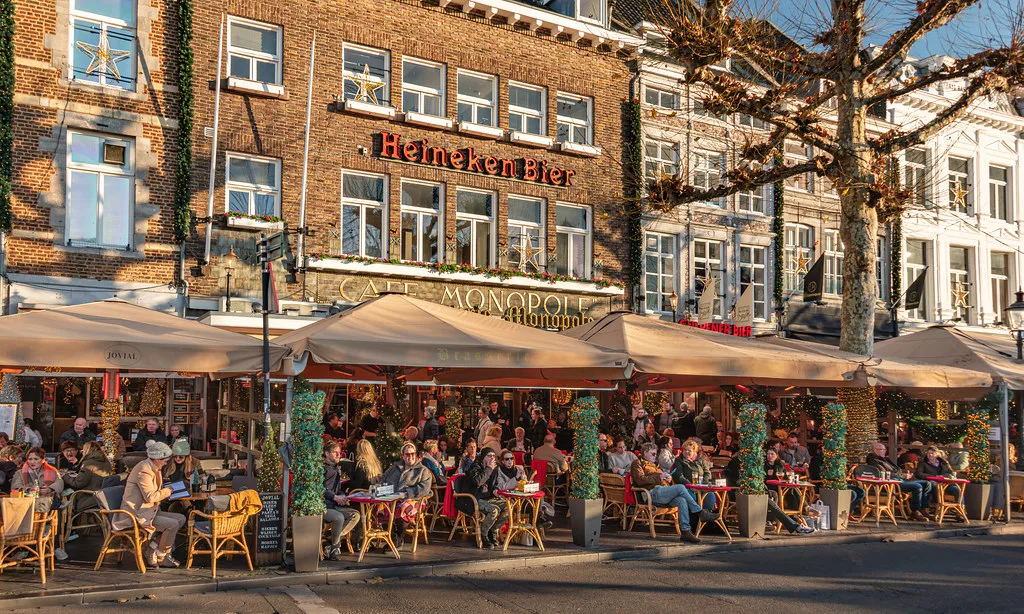
The city's core is a knot of historic streets around Vrijthof, a large square lined with terraces and churches, including the Sint-Servaasbasiliek with its treasury and crypt. From there you can walk to the Helpoort, the country's oldest city gate, and the surviving stretches of medieval city wall. Maastricht also has a southern edge of genuine hills, which is why it feels less like the flat Dutch cities and more like a border town with a French accent.
Allow three to four hours if you want to do Sint-Pietersberg properly: the hill itself, Fort Sint Pieter, the underground caves and the castle ruins are spread across the same area to the south. Book lovers should build a stop around the Dominicanen bookstore, a Gothic church converted into a shop with a café, while the Bonnefantenmuseum gives the city an art anchor beyond its medieval core.
The Maastricht attractions guide is the place to branch out if a single sight deserves its own morning. Each guide goes deeper on one place, so you can plan a route around the things you actually care about rather than working through a numbered list.
How Maastricht is laid out
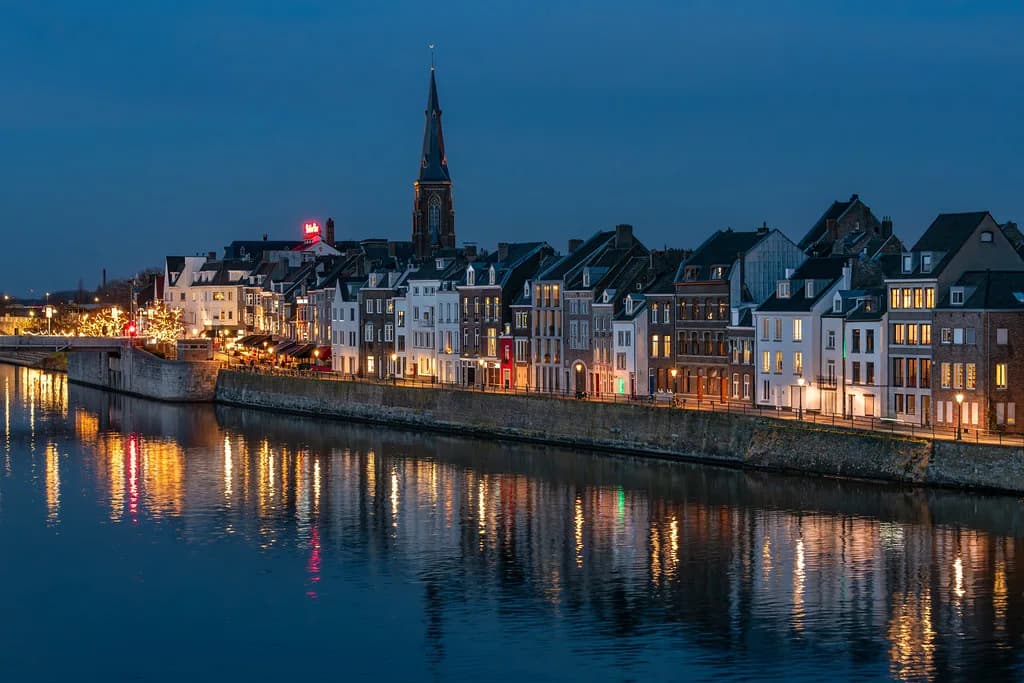
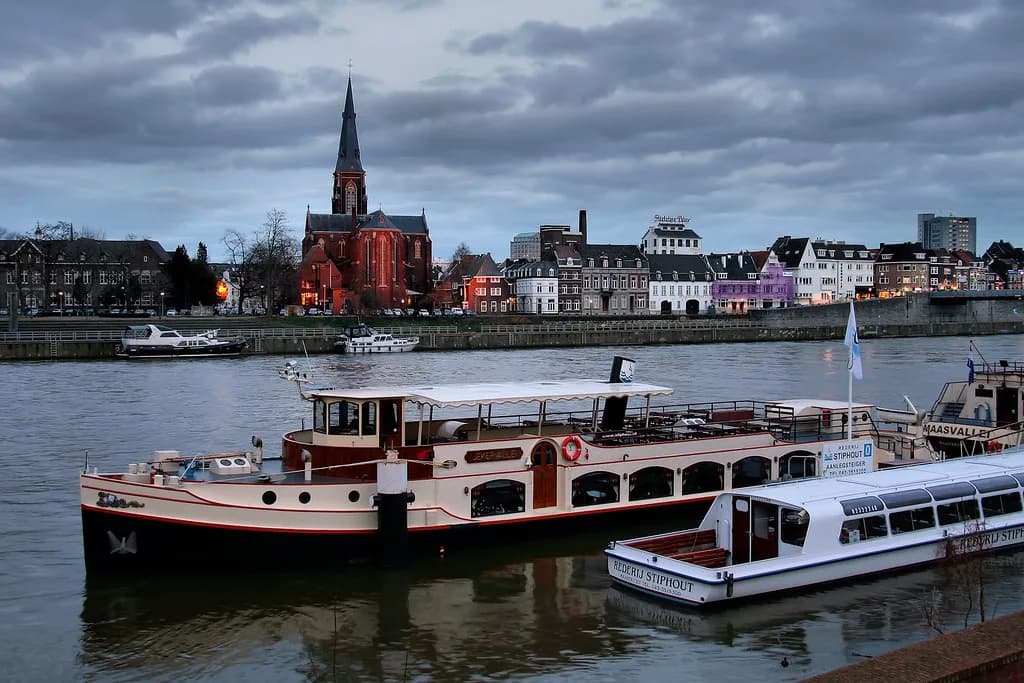
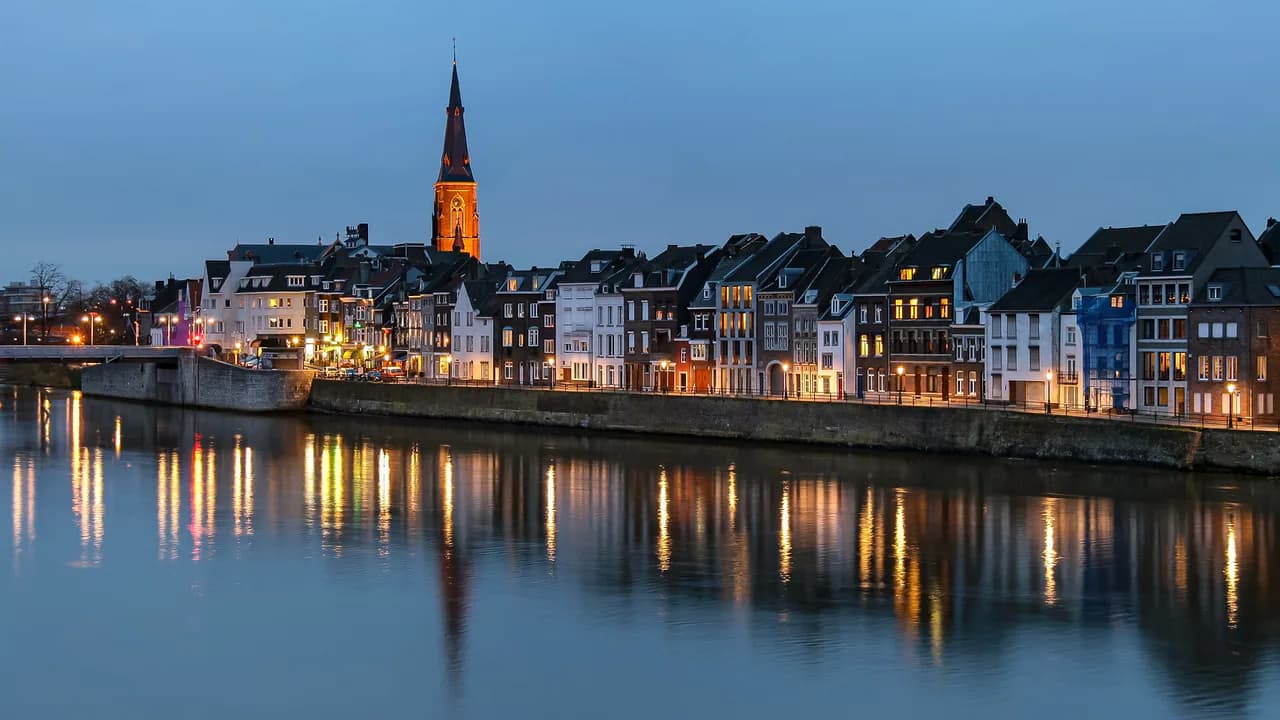
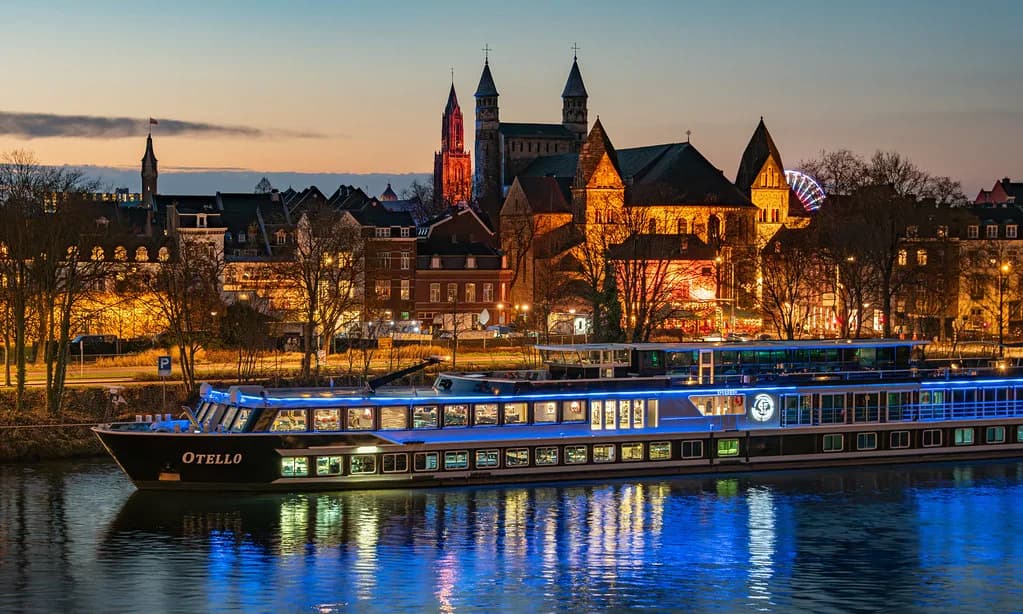
The city sits on the Maas, and the Sint Servaasbrug, a 14th-century stone bridge, carries you across the river into the historic core. The compact centre is easy to explore on foot, and the train station is a short walk from the historic streets, which makes a car-free city break straightforward.
Sint-Pietersberg lies to the south of the centre, close enough for a bike ride but far enough that you should treat it as its own outing. That geography matters when you plan: a morning on Vrijthof and an afternoon underground do not sit comfortably in the same half-day once you add the walk or ride out and back.
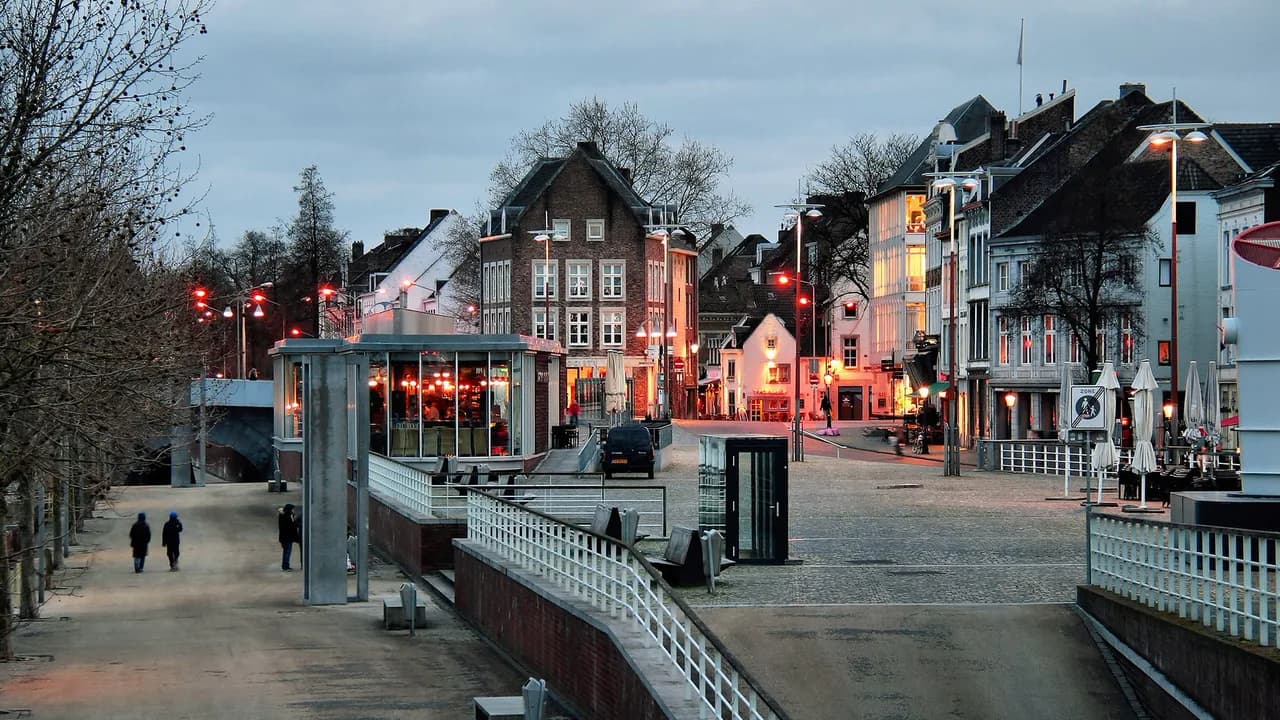
Beyond the immediate centre, the city opens out into distinct quarters worth knowing before you pick a walking route. The Maastricht Old Town guide covers the streets and squares of the historic core in more detail, and it is a sensible first read if you want the geography straight before you book anything.
The old centre on foot
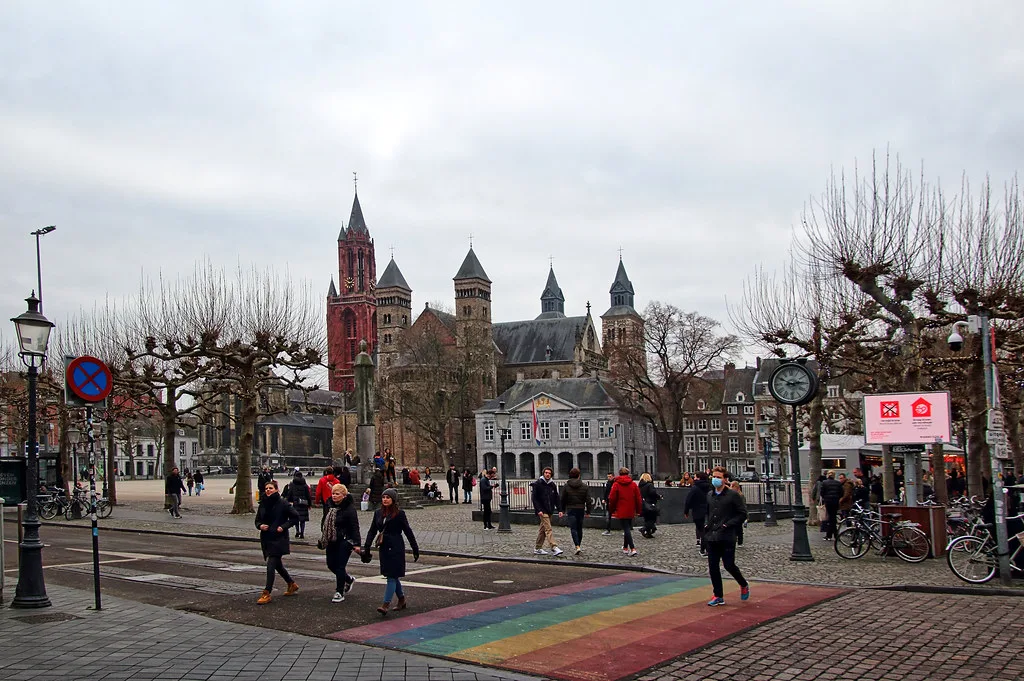
Start at Vrijthof, where the Sint-Servaasbasiliek sits alongside the terraces and listed buildings that make the square the city's social heart. It is the natural orientation point for a first morning: everything else in the old centre radiates from here, and you can size up the surrounding streets before committing to a route. Allow time to see the basilica's treasury and crypt, for which Expedia notes there is a fee.
From the square, walk to the Helpoort and the medieval walls, where narrow passages and old stonework give a sense of the city's Roman origins and its centuries of sieges and trade. It is an easy addition to a walking route rather than a destination in itself.
If you would rather have the history narrated, the Maastricht Walking Tour starting from the Dinghuis covers the city's long history and saves you the map-reading. The trade-off is pace: a guided group moves at its own speed, so leave the caves and the bookstore for another slot.
The Dominicanen bookstore in a converted Gothic church
The Dominicanen bookstore is the one sight that surprises people most: a Gothic church turned into a bookshop, with English titles on the shelves and a café for coffee and a slice of vlaai. It is a working bookshop rather than a museum, so you can browse the shelves and still see the architecture.
Book lovers should give it a proper slot rather than a passing glance, because the draw is the room as much as the stock, and it sits naturally on a route between the old centre and the shopping streets. If you want the rest of the city's museums and galleries alongside it, the museums in Maastricht guide is the place to plan the next stop.
Pair the visit with shopping in Maastricht if you want a low-effort afternoon: the centre's shopping streets are close by, and browsing them is a reasonable way to fill the hours between a morning walk and an evening on the terraces. The shopping in Maastricht guide sets out the main strips and the covered options.
Museums and art in Maastricht
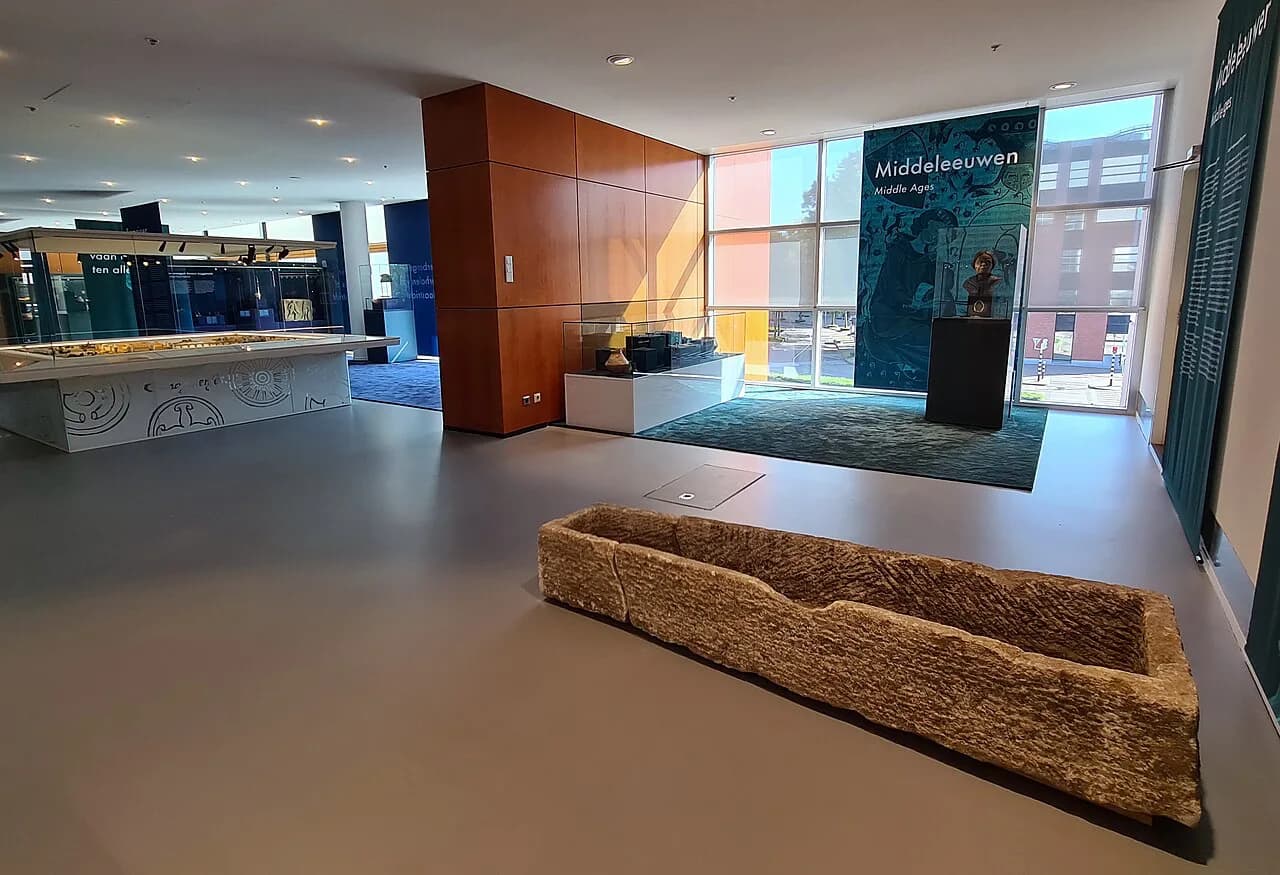
The Bonnefantenmuseum is the city's headline art museum, showing both modern work and older art, and it is the obvious anchor for a culture-heavy day. The visitor site's round-up of art museums lists contemporary art at Marres and architecture at Bureau Europa, which suits travellers who prefer smaller, changing exhibitions to encyclopaedic collections.
Plan museum visits around opening days rather than the other way round, since Dutch museums commonly close on Mondays. Check each museum's own published opening days and ticket terms before you fix a day, particularly if you are travelling for a long weekend and only have one museum slot to spend.
Sint-Pietersberg: the hill, the fort and the caves
Sint-Pietersberg is the city's hill, with the best views over Maastricht and a cluster of attractions on top and underneath: Fort Sint Pieter, the limestone caves, castle ruins and a café. Budget three to four hours if you want to see more than one of them, and treat the underground visit as the fixed point that the rest of the outing arranges itself around.
The caves are the unusual draw: the limestone quarries cut into Sint-Pietersberg, which sit outside the historic centre and come with guided underground tours. Because they are outside the city walls, getting there is part of the plan, and hiring a bicycle is a quick way to cover the ground without relying on a timetable.
Cyclists get the best of this edge of the city, with the ride out doubling as a look at the hills that set Maastricht apart from the rest of the Netherlands. The cycling in Maastricht guide covers routes and rental basics if you want the hill to be the centre of a morning rather than an add-on.
Limburgse vlaai and the local food to seek out
Limburgse vlaai is the regional pie to look for, traditionally filled with seasonal fruit or custard, and bakeries around the city compete over whose is best. Zuurvlees, a slow-cooked sweet-sour meat dish, is the other local speciality worth knowing about before you sit down to eat.
You do not need a restaurant list to eat well here: buy vlaai from a bakery in the morning, take it to a terrace on Vrijthof, and let the square do the rest. The city's food scene clusters around the centre's squares and shopping streets, so a walking day naturally passes through it.
If browsing food stalls is part of the appeal, a Maastricht market is a good way to see what locals buy rather than what restaurants serve. Days and locations are published week by week, so confirm the market you want is running before you build a morning around it.
How many days Maastricht needs
One day is enough for the old centre: Vrijthof, the basilica, a walk past the Helpoort and walls, the Dominicanen bookstore and a vlaai stop, all on foot and without rushing. Visit Maastricht's own 24-hour itinerary is a useful check that the city can be done in a day if that is all you have, though you will have to choose between the centre and the hill.
A long weekend is the better shape for a first visit: give day one to the centre, day two to Sint-Pietersberg and its caves, and keep the third flexible for a museum, a bike ride or a slower morning. With three days you can add time in the surrounding Limburg countryside, which is rolling hills and traditional villages rather than Dutch polder.
If your dates are fixed by an event, build the trip around it rather than squeezing it in. Carnaval in February fills the city and rewards booking ahead, while the summer months bring the terrace season on Vrijthof; the Maastricht festivals and events page is the place to see what coincides with your dates.
When to go
Summer is terrace season on Vrijthof, with long evenings and the square at its busiest, which suits travellers who want atmosphere over quiet. February brings Carnaval, a loud, busy period that is either the reason to come or the reason to pick another week.
Autumn is a comfortable compromise: the walking is still good, the caves are unaffected by weather and the centre is calmer than in high summer. Maastricht in October covers what changes in the city that month, including the practical effects on a short break.
For green space between sights, the city's parks are an easy way to break up a walking day without leaving the centre behind. The Maastricht parks guide sets out where they are and how they fit into a route.
Getting there and around
The train from Amsterdam takes about two and a half hours, and there are no direct flights from England to Maastricht, so most UK travellers arrive via a hub airport and a connecting train. Expedia notes intercity services run frequently from the bigger Dutch cities, and the centre is a short walk from Maastricht station once you arrive.
Within the city, walking covers almost everything in the old centre, and a bike is the practical choice for Sint-Pietersberg and the surrounding hills. If you are driving, park outside the old centre in a garage or on the street, then continue on foot.
If you want the city's museums and galleries in one place before you commit a morning, the museums in Maastricht guide sets out the options. It slots neatly into an afternoon when your legs are tired of the old centre.
Several of the best things here are simple and low-cost, from the walls and the Helpoort to the squares you can wander through. The free things to do in Maastricht guide is a useful starting point if you want to keep the budget for the caves and a good lunch.
Where to spend your money and what to book ahead
Spending tends to concentrate in three places: the underground caves and fort on Sint-Pietersberg, the museums, and the cafés and terraces of the centre. Cave visits are guided, so check the current arrangements before you arrive rather than deciding entirely on the day.
Book ahead for any weekend when a big concert is on at Vrijthof, since the square and the surrounding streets fill quickly. For everything else, a flexible plan lets you move the hill to whichever morning is driest.
Tickets and prices change, so confirm each museum's or tour operator's current terms on its own website when you book. If Maastricht is one stop on a wider Dutch trip, the things to do in Den Bosch and things to do in Groningen guides cover two very different cities for comparison.
Is Sint-Pietersberg worth half a day?
Yes, if you have more than one day: the hill gives you the view that explains why Maastricht feels like a border town rather than a Dutch one, and the underground quarries at Sint-Pietersberg are the city's unusual draw. With a single day, stay in the centre and save the hill for next time, because rushing both leaves you with neither.
Build your plan around the fixed points first, the guided cave tour and any museum you have your heart set on, then fill the rest with squares, walls and bakeries. A Maastricht Walking Tour or a boat trip can absorb an afternoon you would otherwise spend deciding where to go next.
Explore more Maastricht guides
Frequently Asked Questions
Which places near Maastricht are good for a day trip?
Maastricht sits in the far south of Limburg, close to both the Belgian and German borders, so trips across the frontier are easy. Nearby Valkenburg is about ten minutes away by train, and the three-country point at Vaals is another easy add-on.
What are the free things to do in Maastricht?
Walking the old centre, seeing the medieval walls and the Helpoort gate, and wandering Vrijthof and its squares are low-cost ways to spend time. The Dominicanen bookstore is a working bookshop rather than a museum, so browsing it leaves your budget for the caves and museums.
How long does Sint-Pietersberg take?
Allow three to four hours to see the hill, the fort, the caves and the ruins properly, since they share one area south of the centre. If you only want the view, a shorter visit is possible, but the guided underground tour is the part that needs a fixed slot in your day.
Sources
Notes for your next Dutch city break
Optional updates to our Netherlands guides.
You might also like
Continue reading
More guides you'll find useful