Maastricht Old Town: What to See in the Historic Centre
A walkable guide to Maastricht's old town: the Vrijthof, Markt, Saint Servatius Bridge and the churches and lanes that link them into one route.
On this page
Maastricht's old town is small enough to cross on foot in a morning, yet dense enough to fill two days. The historic centre sits on the west bank of the Maas, with the Markt and the Vrijthof as its two anchors and the Saint Servatius Bridge marking its eastern edge.
This guide treats the centre as a loop rather than a checklist: Markt first, then the Vrijthof, then down to the river and the bridge. It covers the squares, the churches that have been put to new uses, the shopping arcades folded into the old street plan, and how long each part honestly takes, with a fuller list of things to do in Maastricht alongside it.
What the old town covers
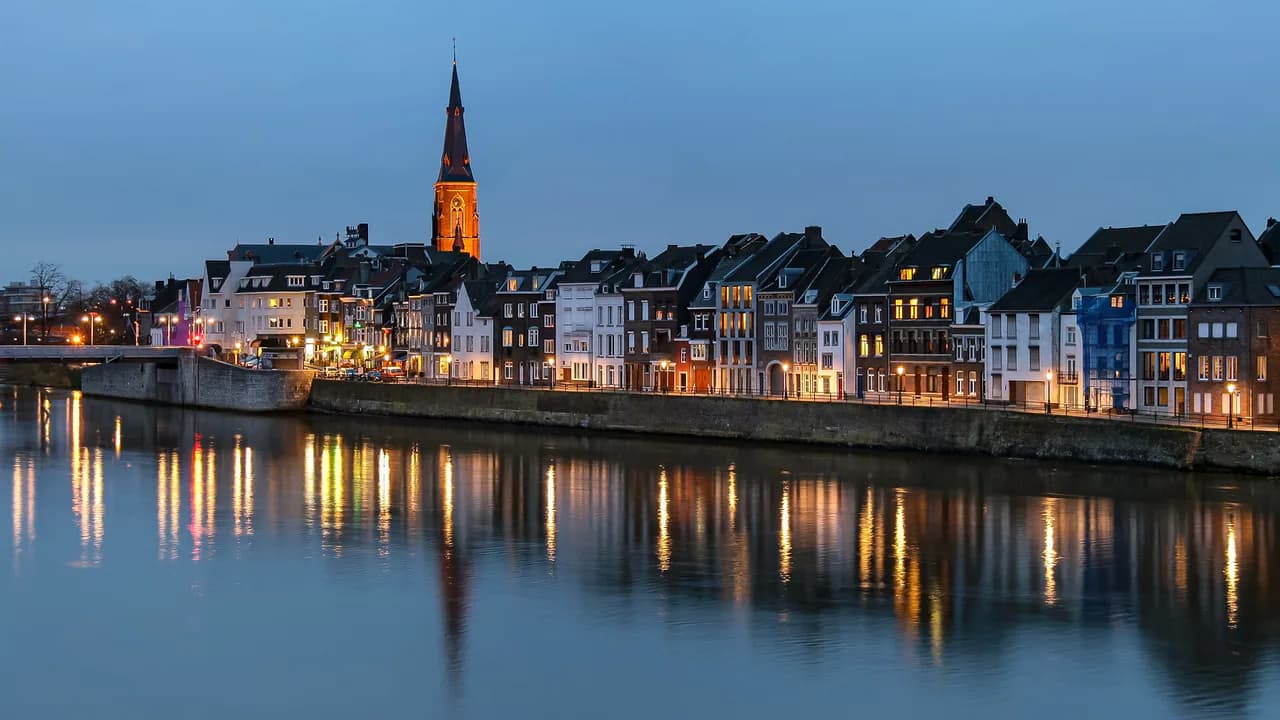
The centre is the historic heart of the city on the west bank, and the city's tourism board describes it as a mix of historic and modern architecture rather than a preserved museum piece. Landmarks such as the Basilica of Saint Servatius, Sint Janskerk and the Saint Servatius Bridge sit among later buildings, including the baroque City Hall on the Markt and the Gothic Dinghuis.
What makes the centre worth a slow walk is the reuse: churches turned into shops and chapels turned into small museums, with modern shopping centres slotted between old facades. The result keeps an authentic cityscape while staying a working shopping district rather than a heritage zone.
How the pieces connect on foot
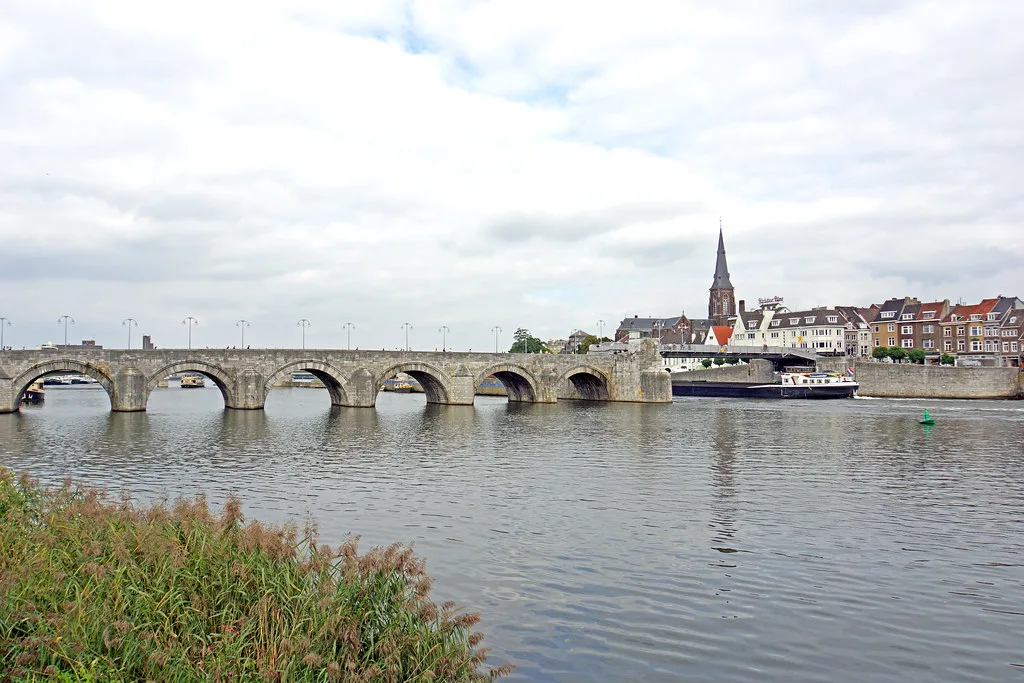
Think of the centre as a triangle. The Markt sits in the northern half, the Vrijthof in the southern half, and the bridge lies east of the Vrijthof at the river's edge. Walking Markt to Vrijthof takes a few minutes through the shopping streets between them, and the Vrijthof to the bridge is a short downhill stretch.
That compactness is the reason the centre works as a half-day or full-day loop: you rarely need transport between sights. If you want the stories behind the streets rather than just the addresses, a Maastricht Walking Tour can carry the history while you cover the same ground.
Save the wider city for the parts that genuinely sit outside the old town. Wyck lies across the Saint Servatius Bridge and is a short add-on rather than part of the historic centre itself, so add it only once you have finished the loop.
The Vrijthof: one square, three monuments
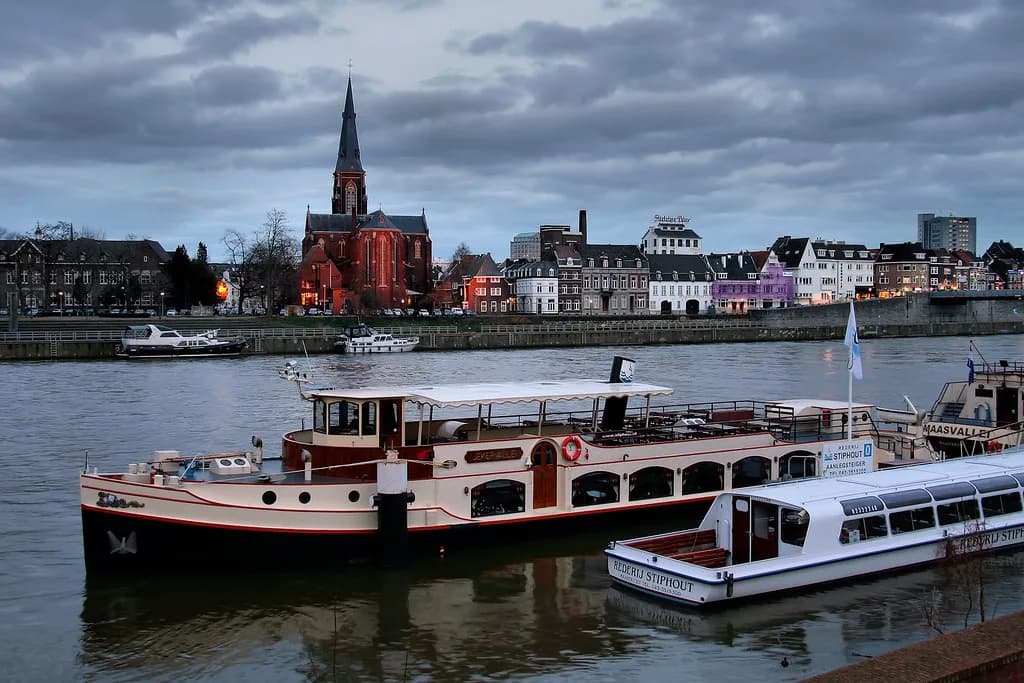
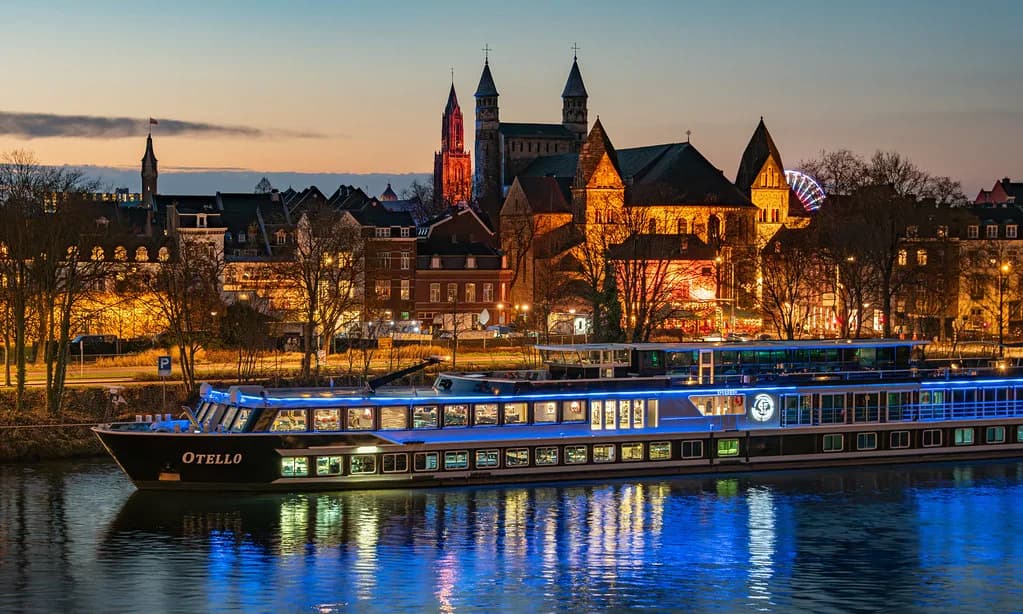
The Vrijthof is Maastricht's most famous square, and it packs history, monuments, cafés, culture and events into a single open space. Three buildings frame it: the Basilica of Saint Servatius, the Protestant Sint Janskerk with its distinctive red tower, and the Fotomuseum aan het Vrijthof, a private photography museum.
The basilica is the weightiest of the three. It was built over the tomb of Saint Servatius and served for centuries as an important pilgrimage church. Sint Janskerk, by contrast, is recognisable from a distance by its red tower and reads as the square's quieter companion.
The square also hosts events and, on some days, markets, so its character changes with the calendar. Check what is scheduled for your dates before you plan to photograph the empty square, because an event or a second-hand and flea market will fill it, and the Maastricht market calendar is worth a look before you fix the day.
If your trip falls in the autumn, the square and its surroundings shift again with the season. Maastricht in October is a useful check on daylight and what is running before you fix a Vrijthof morning.
The Markt and its City Hall
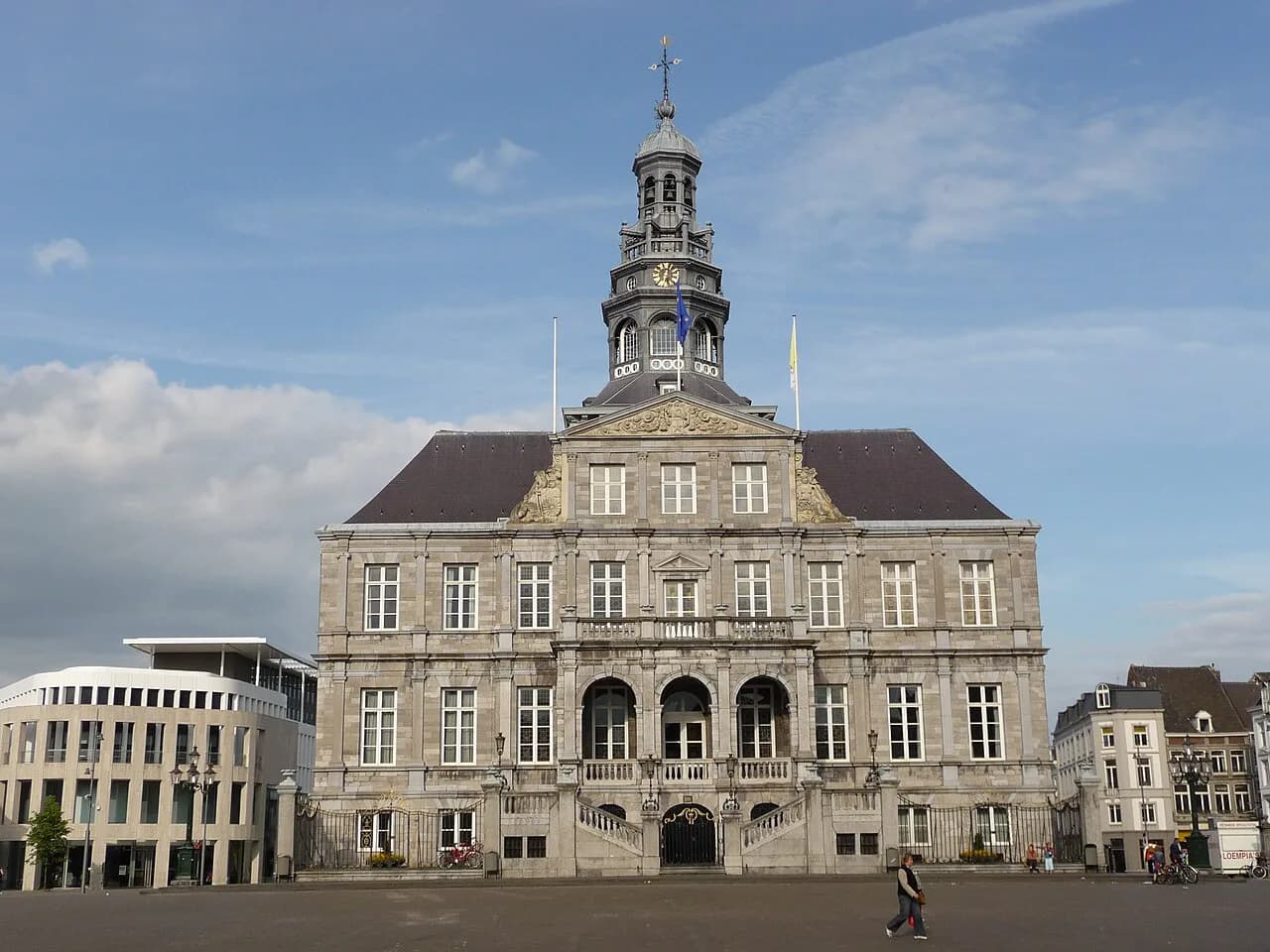
The Markt is Maastricht's historic market square, where trade, hospitality, events and everyday life have overlapped for centuries. Its dominant building is the seventeenth-century City Hall, designed by architect Pieter Post and the administrative heart of the city for more than 350 years.
On the square stands the statue of Jan Pieter Minckelers, the Maastricht physicist commemorated there. The Dinghuis nearby, a Gothic building with a long history, now houses the Maastricht Store, which makes it a practical first stop for orientation rather than a monument to admire from outside only.
Treat the Markt as the start of the loop, not a destination in itself. Cross it, note the City Hall facade and the statue, then take the streets south towards the Vrijthof rather than lingering over a coffee you could have anywhere.
Saint Servatius Bridge and the river edge
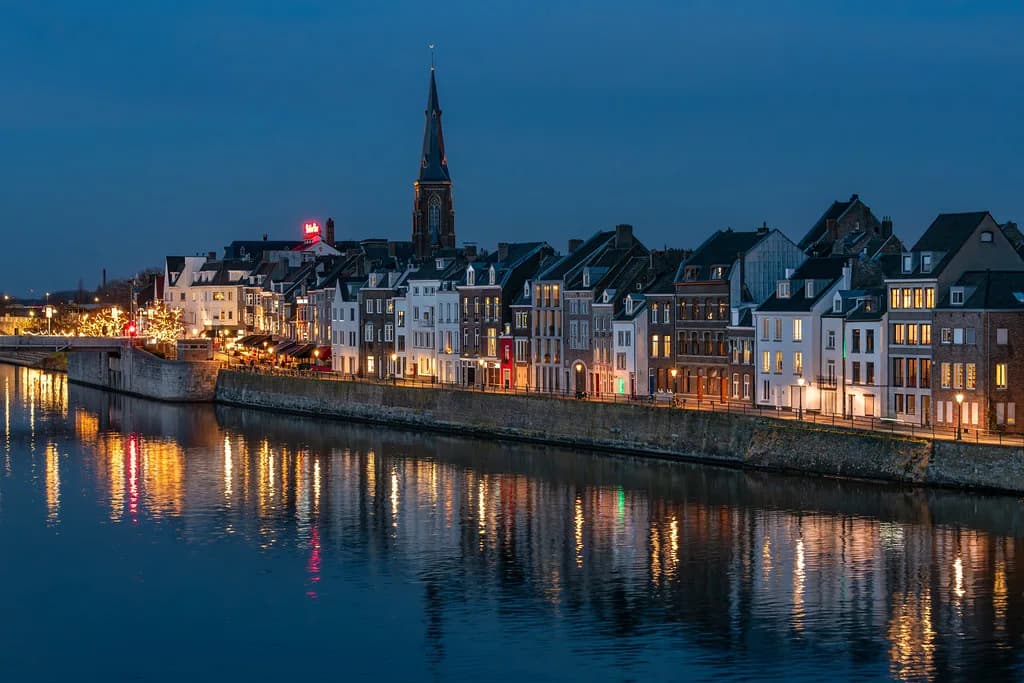
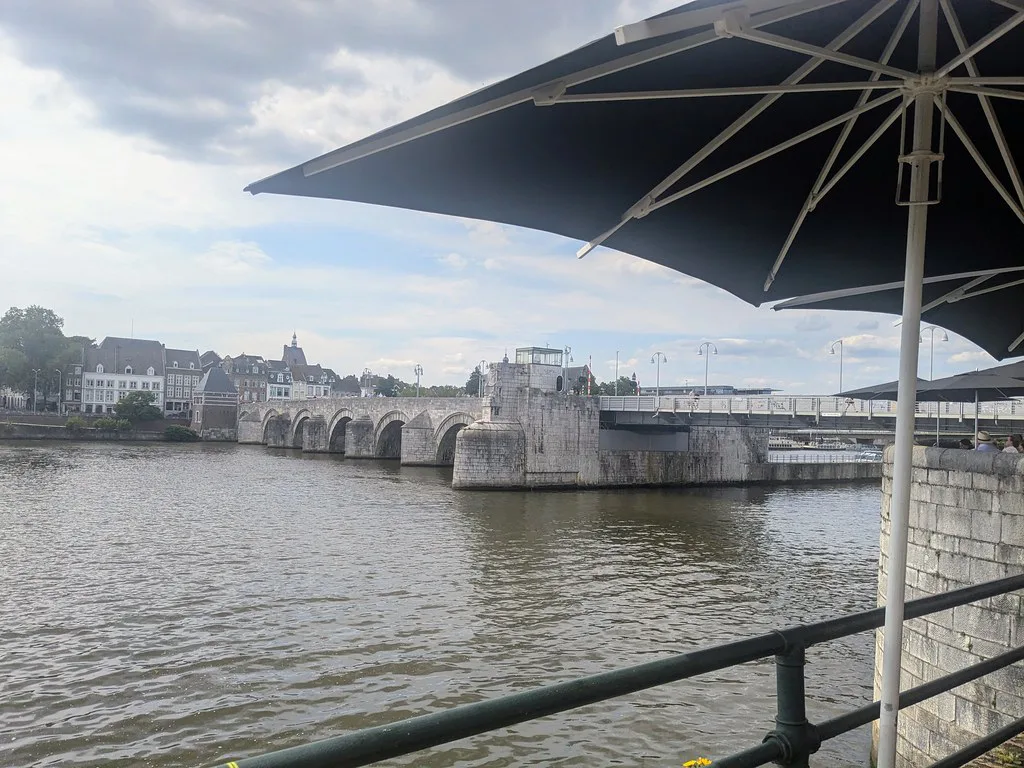
The Saint Servatius Bridge, or Sint Servaasbrug, is the oldest surviving stone bridge in the Netherlands and has linked the city centre with Wyck for more than seven centuries. It is the natural end point of the old-town walk, and crossing it halfway gives you the best view back at the riverfront.
From the bridge you can add a river experience without leaving the centre behind: a Maastricht boat tour runs from the Maas, though departures and timings vary by operator and season. Treat the bridge as your decision point, not your finish line.
Churches put to other uses
The most rewarding stops in the old town are the religious buildings that no longer function only as churches. The Dominican Church now operates as Boekhandel Dominicanen, a bookshop that the city's tourism board cites as a splendid example of an old building given a new use; the interior alone justifies the detour.
Two smaller chapels reward a slower pace. Museum Kapel van Verbeelding pairs the history of its location with the art on display, while the Cellebroeders chapel is a late-gothic building roughly five centuries old that the city describes as a hidden gem of the centre. Both are compact, so plan them as short stops between bigger sights.
These buildings are where Maastricht's character shows most clearly: old structures given new roles rather than left empty. Walk past the Dominican Church and the chapels without a plan and you will miss the point; put them on the route and you get the centre's real texture.
Sint Amorsplein and the smaller squares
Not every square in the old town is a headline. Sint Amorsplein is a historic square tied to the story of Saint Amor, and it does the job of breaking up the walk between the main sights.
Lanes and small squares like this are the reason to give the centre more than an hour. They connect the Markt, the Vrijthof and the river without any single one demanding a long stop, and they are where the shopping streets bleed into residential quiet.
Shopping streets and arcades in the old town
Maastricht's main shopping streets sit inside the centre, which means retail and heritage share the same lanes. Modern additions such as the Mosae Forum and Entre Deux shopping centres were fitted into the historic street plan, so a shopping detour does not take you out of the old town; our shopping in Maastricht guide covers the wider retail picture.
That mix is useful for a rainy hour or a broken-up day: duck into an arcade, then carry on the loop. If shopping in Maastricht is a real part of your trip rather than a filler, plan it deliberately rather than hoping to stumble on the right streets.
How long the old town needs
A half-day covers the skeleton: the Markt and its City Hall, the walk south to the Vrijthof, the basilica and Sint Janskerk from outside, and the Saint Servatius Bridge. That pace suits a first visit or a short city break where the old town is one part of a wider itinerary.
A full day lets you go inside. Add Boekhandel Dominicanen, Museum Kapel van Verbeelding and the Cellebroeders chapel, and leave room for the Fotomuseum aan het Vrijthof or the Museum of Illusions Maastricht if the subject appeals. These are the kind of stops that give the weather a vote in your plan.
Two days is not excessive if you want the centre plus the quarters around it. The honest trade-off is that a second day mostly adds context and slower streets, not more headline sights, so build it around a wider Things to Do in Maastricht list rather than repeating the same loop.
If your budget is tight, several of the pleasures here are free: the squares, the bridge, the riverfront and the church exteriors cost nothing, and free things to do in Maastricht fills in the rest of a cheap day.
When to go and how to pace the days
The old town is an outdoor experience first, so weather shapes the day more than opening times. Build the loop around a dry morning for the squares and bridge, and keep the churches, the bookshop and the museums as the wet-weather half of the plan.
Festivals and events change the centre's rhythm, filling squares and closing routes, so check the calendar before you fix dates. Events in Maastricht is the place to see what overlaps your trip rather than discovering it on the day.
For a different view of the city's edges, cycling in Maastricht takes you out towards Sint Pietersberg and back within a few hours, which pairs well with a morning in the centre. Keep the old town on foot and use the bike for the land beyond it.
Half a day or a full day in the old town?
Choose a half-day if the Markt, the Vrijthof and the bridge are your priorities and you want time left for the rest of the city. Choose a full day if the churches, the Dominican Church bookshop and one museum matter to you, because those are the stops that turn a walk into a visit.
Either way, walk the loop in one direction rather than doubling back, and keep the indoor sights for the part of the day when the weather or your energy dips. The centre rewards sequence more than speed.
Explore more Maastricht guides
Frequently Asked Questions
What is Maastricht famous for?
For its historic centre: the Vrijthof and its basilica, the Markt and its seventeenth-century City Hall, and the Saint Servatius Bridge, the oldest surviving stone bridge in the Netherlands. The city is also known for large events on the Vrijthof and for the Dominican Church, now a bookshop.
Is Maastricht walkable?
The old town is compact and the main squares, the bridge, the churches and the shopping streets all sit within one walkable loop on the west bank. You can cover the highlights on foot in half a day, and a full day adds interiors without needing transport between sights.
Is Maastricht worth visiting?
Yes, if you want a Dutch city break that is not Amsterdam. The centre combines medieval churches, a working market square, a riverfront bridge and modern shopping arcades within a short walk, and it works as a one- or two-day base for the wider region.
Sources
Notes for your next Dutch city break
Optional updates to our Netherlands guides.
You might also like
Continue reading
More guides you'll find useful