Museums in Maastricht: the ones worth your time
Which museums in Maastricht earn a slot in a short break, what each one holds, how long to allow, and the opening days that shape your plan.
On this page
Two museums fill a comfortable day in Maastricht, and three is possible if you start early and keep one visit short. The scene clusters around the Vrijthof and the Céramique quarter, so a museum morning and a riverside afternoon fit together without crossing the city twice. This guide covers what each collection holds, how long to allow, the opening days that shape your order, and which museums to drop when time is tight.
The practical shape is simple: history and photography around the Vrijthof, art and the city story at Céramique, plus a handful of small collections for a slower half-day. Opening days vary, and the Bonnefanten closes its galleries during exhibition changeovers, so check the museum you plan to lead with before you build the day around it.
The short list: which museums earn a slot
The Bonnefanten is the biggest draw, holding old masters alongside modern and contemporary art in the building Aldo Rossi designed. Maastricht Museum tells the city's own story at Avenue Céramique, from prehistory through the Roman era and the Golden Middle Ages to the industrial city. Those two carry the most weight for a first visit, and reading up on Maastricht Architecture beforehand makes the Rossi building and the Céramique quarter easier to follow.
Around the Vrijthof, Fotomuseum aan het Vrijthof shows photography and the Treasury of the Basilica of Saint Servatius holds gold, silver and relics. The Natural History Museum Maastricht covers fossils and the Maastrichtian era, while Marres and Bureau Europa programme contemporary art and architecture respectively. Plan on two of these alongside one big museum, and fold in the Churches in Maastricht if the Basilica's religious setting appeals.
If your interests lean to architecture and urbanism rather than old masters, swap the Bonnefanten for Bureau Europa and give the Céramique quarter a proper walk. If photography is the draw, Fotomuseum aan het Vrijthof plus the Treasury makes a compact Vrijthof half-day with almost no walking between them.
Bonnefanten: old masters and modern art in one building
The Bonnefanten pairs its permanent collection of old masters with temporary exhibitions of non-mainstream modern and contemporary work, so the same ticket covers several centuries. It is the museum to give the most time to, and a half-day is realistic if you read the labels rather than walk past them.
Its floor access moves with the exhibition calendar. The first floor of old masters and the third floor are open until 25 October, then the galleries are closed entirely from 26 October to 10 November while the shop and art lending service stay open. Check the Bonnefanten's own notice for the week you travel before you commit a morning.
The building itself is part of the visit, and the forecourt holds De Weerd, a temporary garden laid out as a small Maas island. Read up on Maastricht architecture before you go and the Rossi design makes more sense from the river approach.
Maastricht Museum at Céramique: the city from prehistory to industry
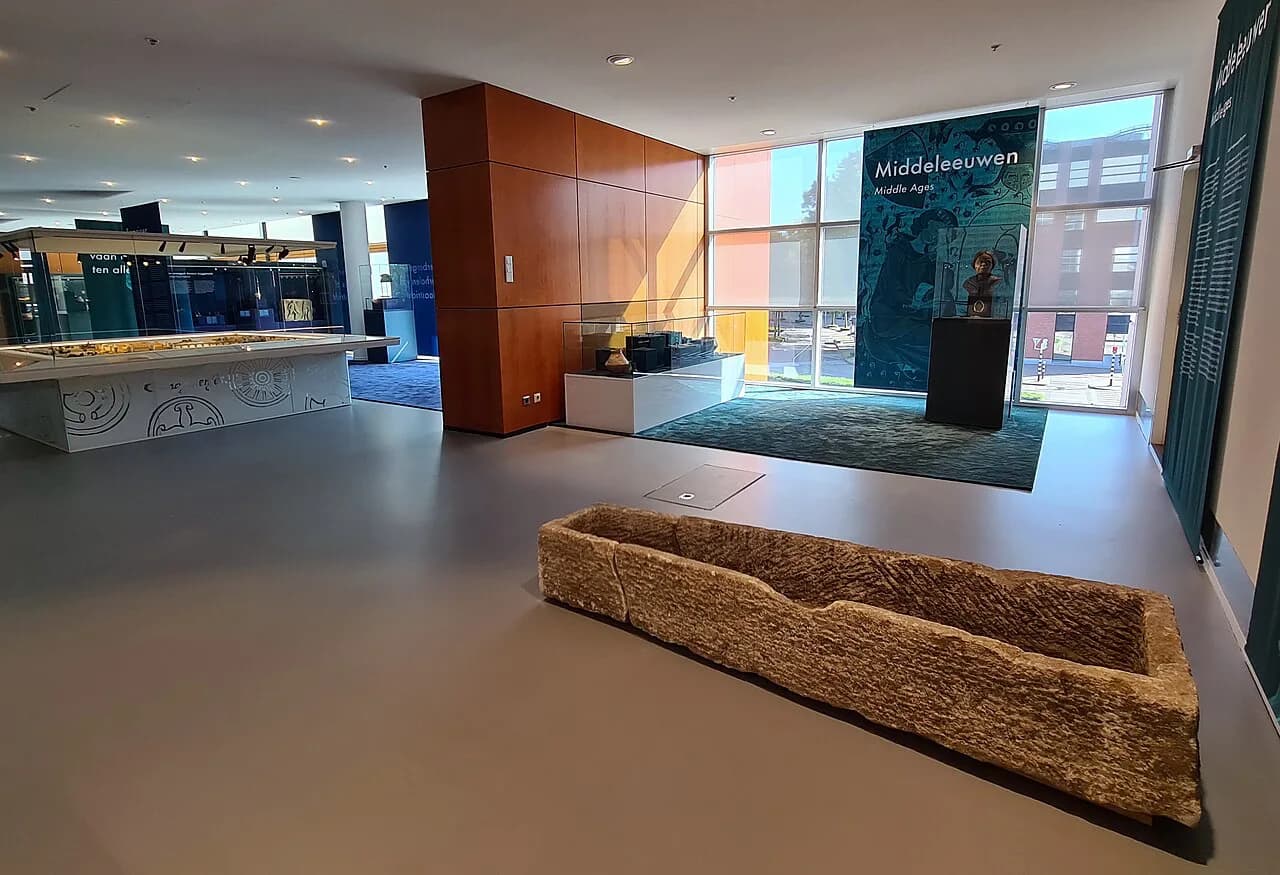
Maastricht Museum is the essential stop for understanding the place you are walking through, tracing the city from prehistory through the Roman era and the Golden Middle Ages to the fortified city, the industrial and working-class city and the Maastricht Treaty. It sits at Avenue Céramique 50, on the same side of the river as the Bonnefanten, which makes the two a natural pair.
It opens Tuesday to Sunday from 10.00 to 17.00, so Monday is out. Allow around ninety minutes for the permanent story, more if a temporary exhibition catches you, and note that the programme changes through the year with new exhibitions and short-run displays such as The Justice Panel.
One display to look for is a French guillotine from 1798, on show at Maastricht Museum from 9 September 2025 until 9 January 2028, which ties the city's history to the French revolutionary period. Pair the visit with a walk through Céramique and along the Maas rather than heading straight back over the bridge.
Fotomuseum aan het Vrijthof: photography on the main square
Fotomuseum aan het Vrijthof is a private photography museum in the centre, occupying a position on the square itself, which makes it the easiest museum to slot into a sightseeing walk. Exhibitions run for long stretches rather than weeks, so the museum rewards a look at what is currently hanging before you buy.
The museum has shown retrospectives of major twentieth-century photographers, including an Eve Arnold exhibition that ran until 31 January 2027. Allow about an hour for a single photography show, and treat it as a companion to the Vrijthof rather than a destination in itself.
Treasury of the Basilica of Saint Servatius: gold, silver and relics
The Treasury of the Basilica of Saint Servatius holds what the city's own museum listing calls one of the most important ecclesiastical treasuries in the Netherlands, with relics, religious art and precious gold and silverwork. It sits beside the Vrijthof, so it pairs with the Fotomuseum without a tram or a long walk.
This is a collection for visitors who like metalwork and religious objects close up; anyone hoping for large gallery spaces will be through it quickly. Read the Basilica of Saint Servatius as part of the city's longer religious history and the small treasury makes more sense.
Natural History Museum Maastricht: fossils and the Maastrichtian story
The Natural History Museum Maastricht, tucked among the old streets, is built around fossils and the geological era named after the city. Its Bèr exhibition tells the story of the Maastrichtian, the Cretaceous period that gave Maastricht its place in geology.
It suits a wet hour rather than a whole morning, and it competes directly with the Treasury and Fotomuseum for the same Vrijthof time. Choose it when travelling with children or when the geology angle interests you more than the square's other collections.
Marres and Bureau Europa: contemporary art and architecture
Marres, House for Contemporary Culture runs changing exhibitions, lectures, performances and projects of international standard, and it is the pick for anyone who follows contemporary art seriously. Bureau Europa concentrates on architecture, design and urbanism through exhibitions, lectures and projects.
Both are small and programme-led, so what you see depends entirely on what is on. Bureau Europa is the more natural fit for a city break built around the Maastricht architecture of Céramique and the riverfront, while Marres suits a slower half-day when you want one show rather than a collection.
Smaller collections and one-off sights
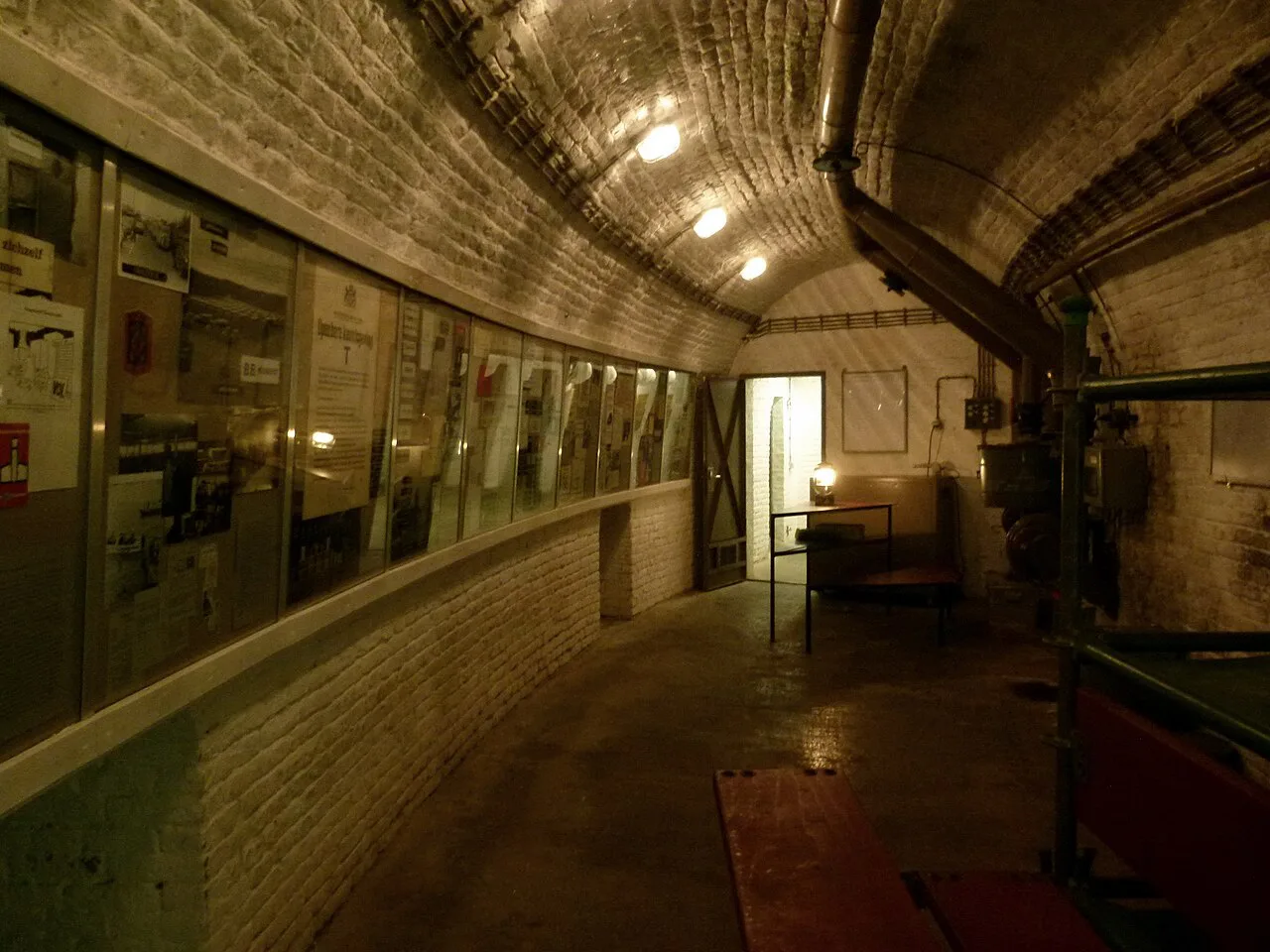
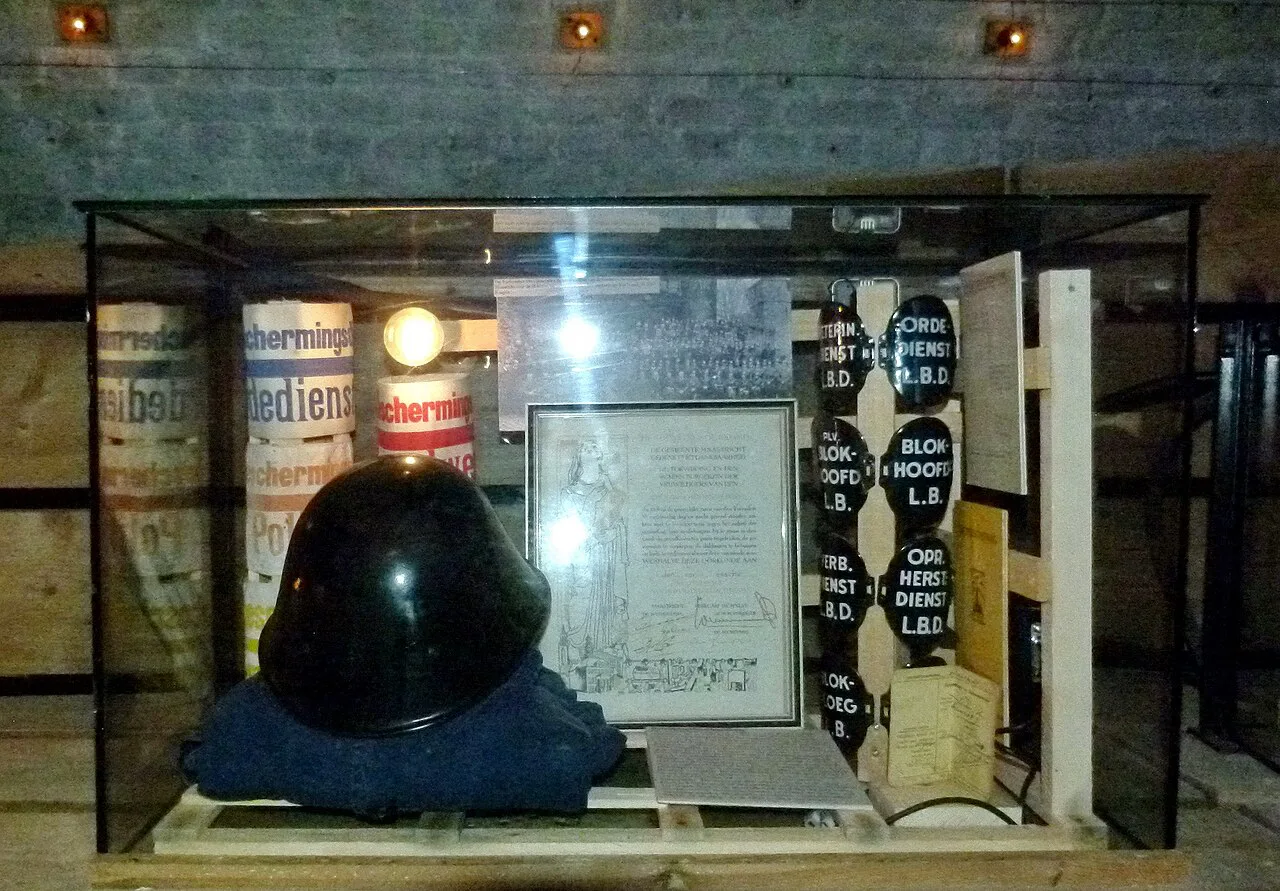
Museum Kapel van Verbeelding combines stories about the history of its location with the art on show, and the Shelter Museum Maastricht is a permanent exhibition set in one of the galleries of the kazematten. The Vestingmuseum is a small fortress museum reflecting Maastricht's place among the Netherlands' monument cities.
These are twenty-to-forty-minute visits that work best when you are already in the neighbourhood, not as reasons to cross town. The guillotine at Maastricht Museum is the standout one-off sight of the year, and it comes as part of a visit to the city history museum rather than as a separate attraction.
Bosch Brewery: an industrial monument by guided tour
Bosch Brewery is visited on a guided tour of an industrial national monument, followed by a beer tasting. It is the one entry on this list that is as much about the building and the process as about a collection, and the tour format means you commit to a slot rather than drifting in.
Treat it as an alternative to a museum rather than an addition if you are in Maastricht for only two days, and slot the tour around your museum day rather than the other way round. Groups with mixed interest in art often prefer it.
Opening days that decide your order of play
Monday is the day to plan around for Maastricht Museum, which opens Tuesday to Sunday, 10.00 to 17.00. A Monday arrival is therefore better spent on the streets, the riverfront or the Céramique quarter than on the city's history collection. Put Maastricht Museum on your first full day that includes a Tuesday to Sunday and build the rest of the trip around it.
Exhibition changeovers matter as much as weekday closures. The Bonnefanten closes its galleries entirely from 26 October to 10 November while the shop and art lending service stay open, which would ruin a museum day built around it. Check the Bonnefanten's own notice for the week you are travelling before you fix your order of play.
Long-running shows reduce the risk: the Fotomuseum's Eve Arnold exhibition runs until 31 January 2027, and Maastricht Museum's guillotine display until 9 January 2028. Marres and Bureau Europa change programme more often. If you plan a Bosch Brewery tour, book the slot you want rather than the one that remains.
Fitting two or three museums into one day
Start at Céramique with the Bonnefanten when it opens, walk ten minutes to Maastricht Museum for late morning, then cross to the Vrijthof for a late lunch. That gives you two substantial museums and a square without rushing, and leaves the afternoon free for the riverfront, with the attractions in Maastricht beyond the museums close at hand.
To add a third, choose a short Vrijthof collection, the Treasury or the Fotomuseum, rather than a second big museum. Drop the Natural History Museum if you are not with children, and drop Marres and Bureau Europa unless a current show is the reason for your trip.
Pairing museums with the Vrijthof, the river and Céramique
The Vrijthof cluster, the Treasury, the Fotomuseum and the church, is a half-day on foot with coffee in between. Céramique, with the Bonnefanten and Maastricht Museum, is a separate half-day on the other side of the Maas, and Centre Céramique at Plein 1992, on the border of Wyck and Céramique, is a natural stop between them.
Onze-Lieve-Vrouweplein sits between the two, so route your walk through it and along the river rather than taking the shortest line. That way the museums sit inside a day of walking the city instead of interrupting it.
Which museum to book first
Book the Bonnefanten for your first full day and put Maastricht Museum the same day or the next, because together they explain the art and the city in one go. Add one Vrijthof collection, the Treasury if you like gold and silver, the Fotomuseum if you like photographs, and stop there.
If the Bonnefanten galleries are closed for a changeover on your dates, promote Maastricht Museum and a Vrijthof collection and leave the art for another visit. The city is small enough that dropping a museum costs you a walk, not a day.
Explore more Maastricht guides
Frequently Asked Questions
Do I need to book Maastricht museums in advance?
Maastricht Museum publishes its opening hours (Tuesday to Sunday, 10.00 to 17.00) on its own site, and the Bonnefanten publishes floor access and closure notices there too. Check each museum's own site for the week you travel to see whether booking is needed.
Are there free museums in Maastricht?
The museums described here are ticketed collections, and the guillotine display is part of a visit to Maastricht Museum rather than a separate free attraction. Budget for a ticket at each stop you plan.
What is famous in Maastricht for art lovers?
The Bonnefanten, for a collection that puts old masters alongside modern and contemporary art in Aldo Rossi's building, and Maastricht Museum for the city's own story. The Vrijthof adds photography at the Fotomuseum and religious gold and silverwork in the Basilica of Saint Servatius treasury.
Sources
Notes for your next Dutch city break
Optional updates to our Netherlands guides.
You might also like
Continue reading
More guides you'll find useful