Maastricht History: What Shaped the City and Where to See It
A short Maastricht history for visitors: Roman roots, medieval churches, the 1992 Maastricht Treaty and the streets and squares where you can still see it.
On this page
Maastricht history is best understood on foot, because the periods that shaped the city sit within a compact old centre. A half-day covers the essentials: the Vrijthof, the Basilica of Saint Servatius, the Markt and the cobbled lanes of the Stokstraat quarter. This guide links each period to a place you can stand in, so the story reads as a walk rather than a timeline.
The city's position explains most of its character. Maastricht lies in the far south of Limburg, close to both the Belgian and German borders, so Dutch, Belgian and German influences have mixed here for centuries.
Roman and early settlement roots: why Maastricht sits where it does
Maastricht began as a settlement and trading post before Roman times, which is why its oldest streets sit where the River Meuse could be crossed. The Celts founded a permanent settlement in the region around 500 BC, and the Romans later built on that position.
That early trading role is the reason the city feels older than its size suggests. Maastricht has a population of about 120,000 and sits at the heart of a cross-border region of roughly four million people, so its streets were always built for movement and trade rather than for a single closed community.
Medieval Maastricht: Vrijthof, the Basilica of Saint Servatius and the churches that anchored the city
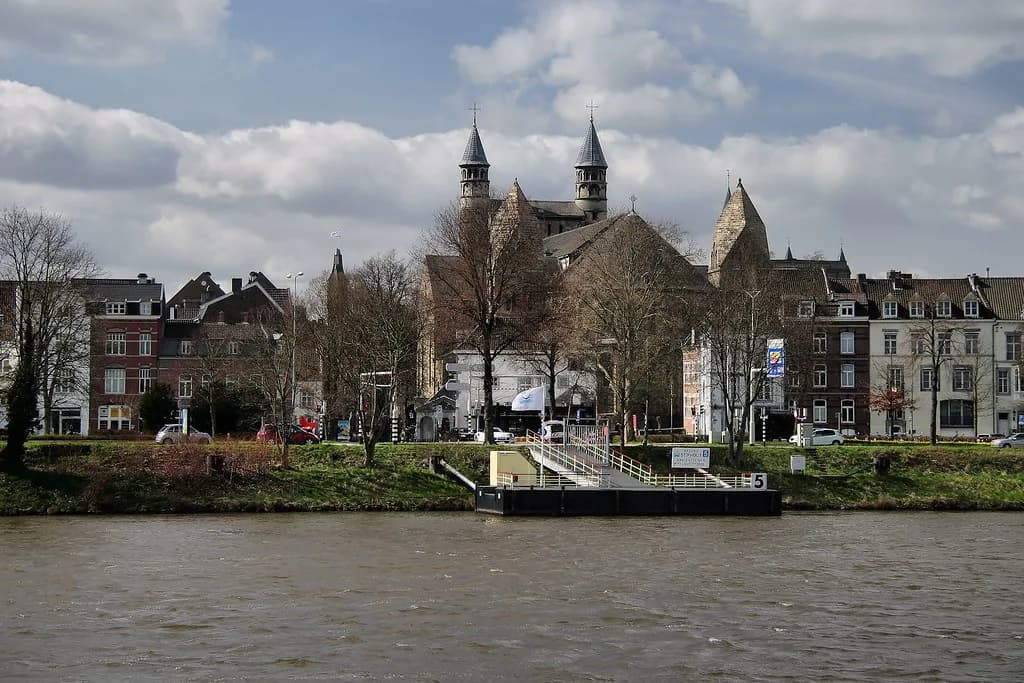
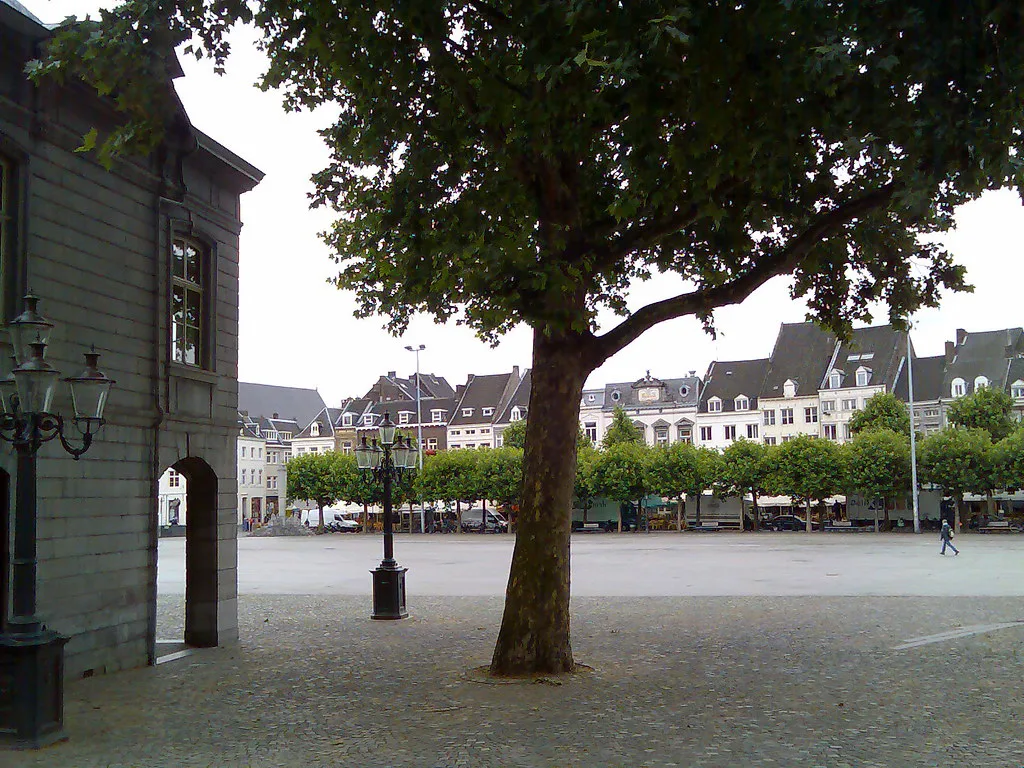
The Vrijthof is the square to start with, because it has been the ceremonial heart of Maastricht for centuries and is framed by the Basilica of Saint Servatius. Stand in the middle and you see the city's medieval scale at once: a wide open square, the basilica on its edge, and lanes leading off in every direction.
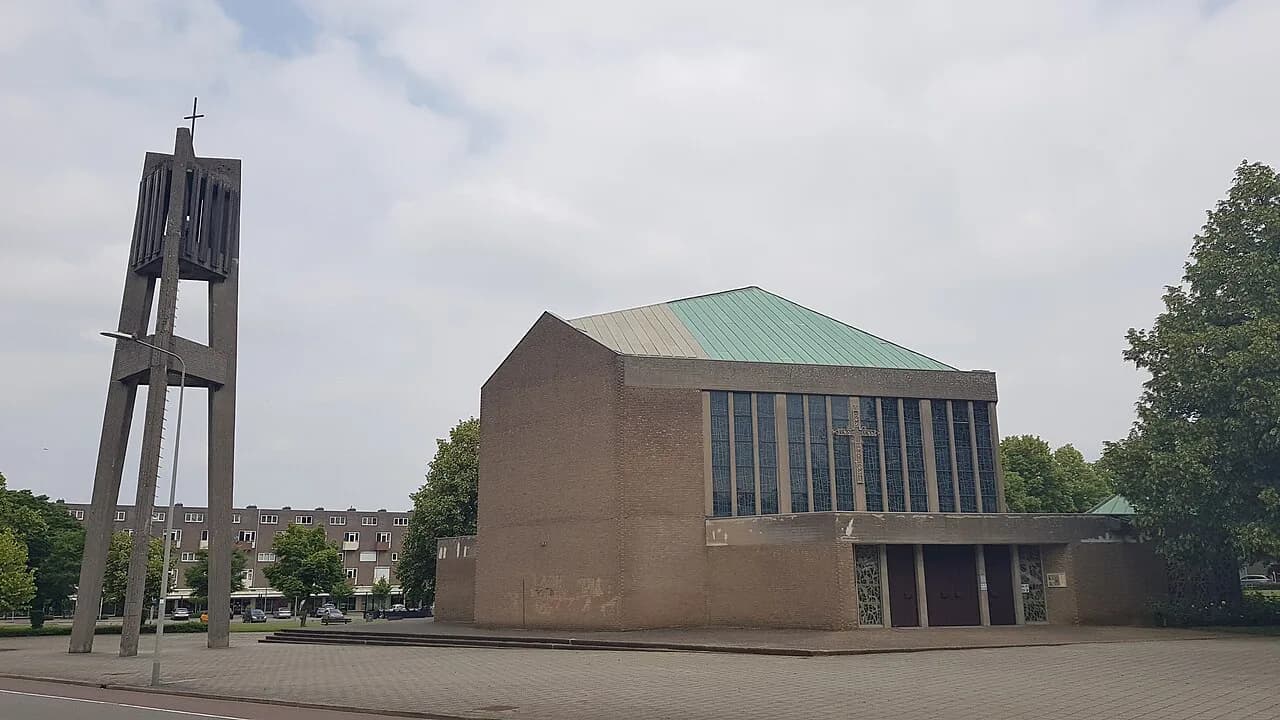
The churches are among the most visible survivals of medieval Maastricht, and the Basilica of Saint Servatius is the one most visitors notice first, standing beside the Vrijthof. For the wider set of religious buildings in the city, and how they have been reused, see this guide to churches in Maastricht.
The gabled houses and cobbled lanes of the old centre, including the Stokstraat quarter
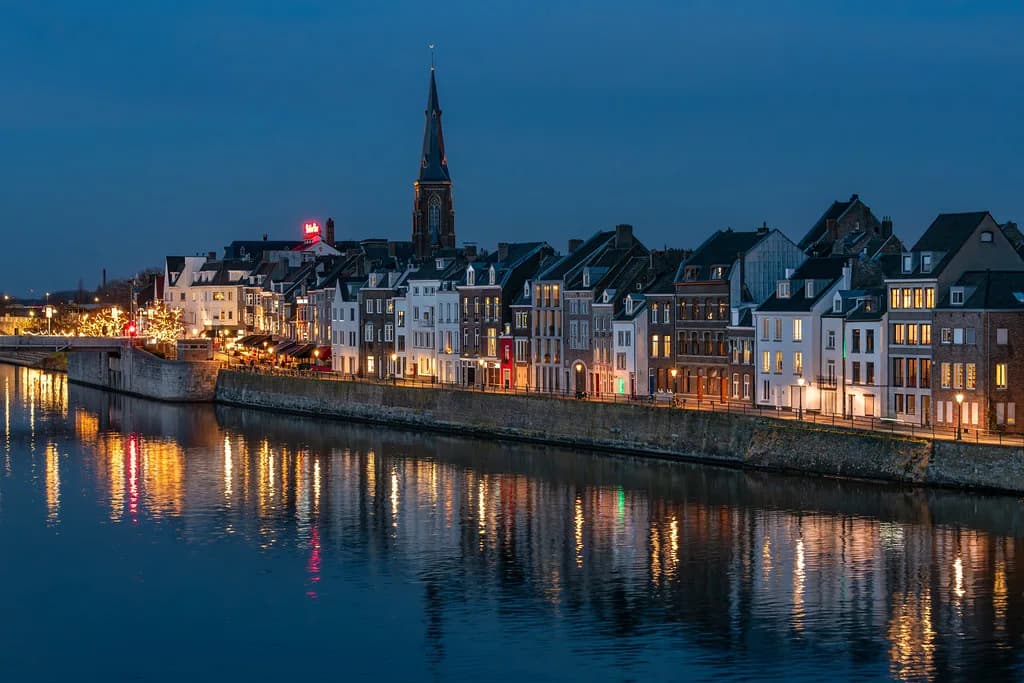
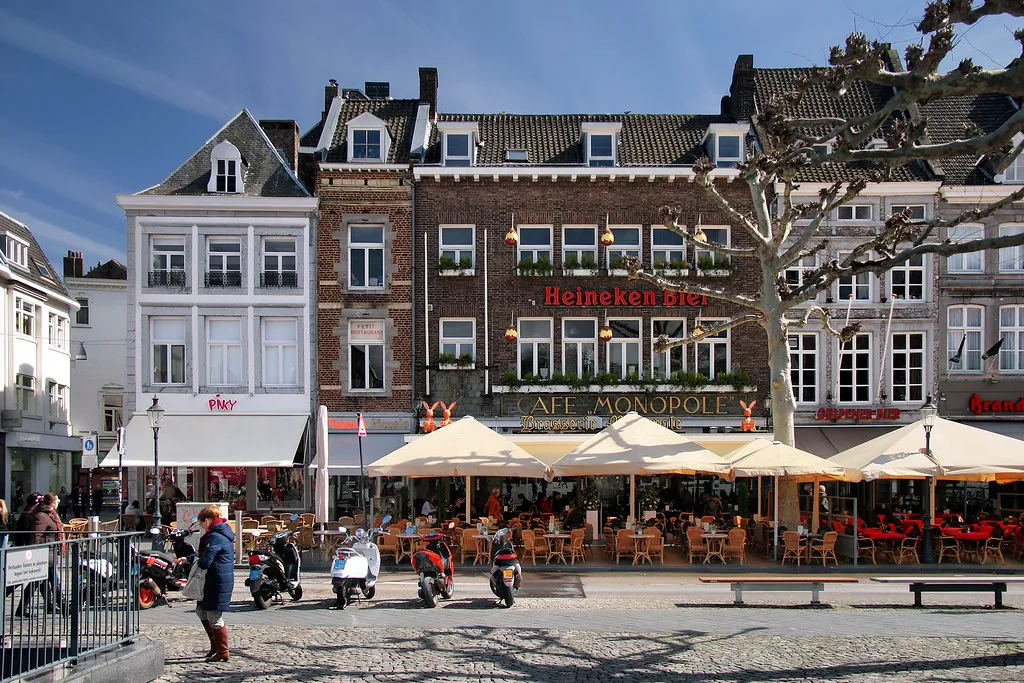
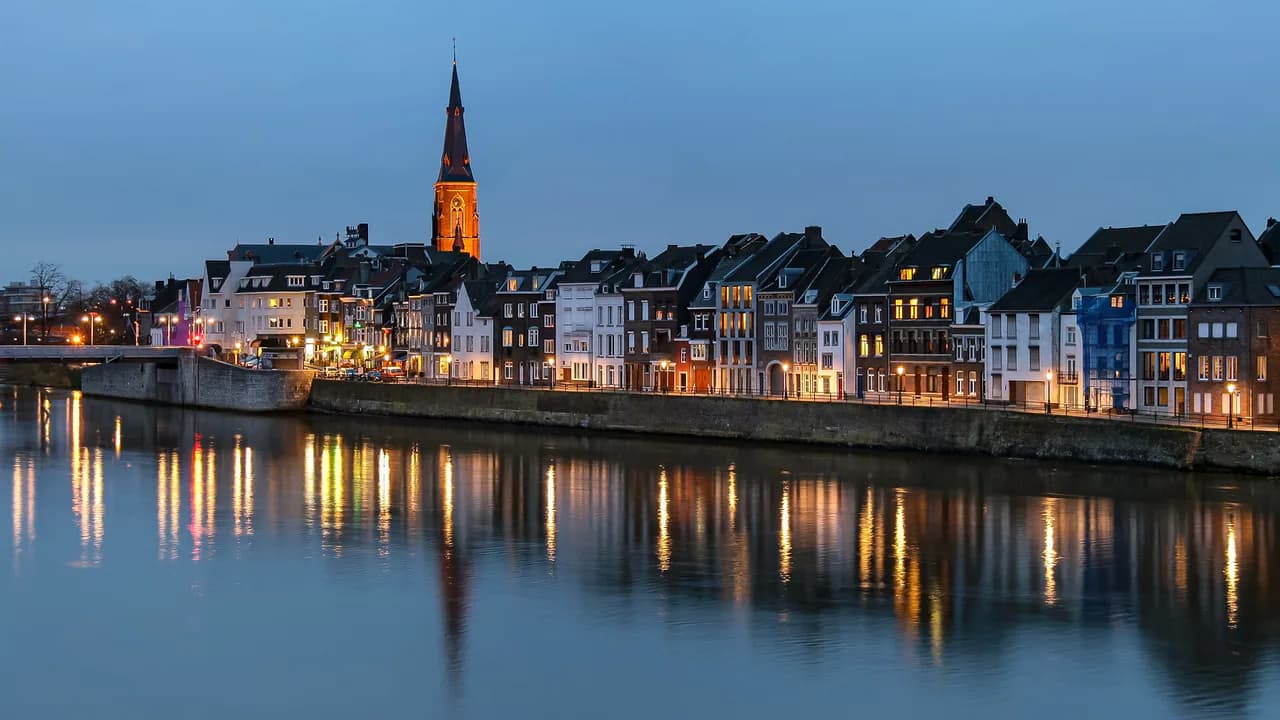
The grand patrician houses with their gabled fronts, so familiar from Amsterdam, also abound in Maastricht, where they sit among cobbled lanes and hidden leafy squares. The oldest part of the centre runs through pedestrianised cobbled streets and lanes stretching out from the Vrijthof and Markt squares, so the best way to read the architecture is simply to walk it slowly.
The Stokstraat quarter is the most polished stretch of the old centre, a compact grid of restored houses and small shops just off the main squares. It is a good place to see how seventeenth-century townhouses were built and how the city has reused them.
Maastricht as a border city: Dutch, Belgian and German influences in one place
Maastricht's border position is the reason the city feels unlike the northern Netherlands. It sits close to both the Belgian and German frontiers, and its trading culture meant its market stallholders were used to doing business in several languages at once.
The surrounding Limburg landscape reinforces the difference, with hills and vineyards rather than the flat polders of the north. That geography is why a short break here feels like a different country from Amsterdam, even though it is the same one.
The Maastricht Treaty of 1992 and the modern European identity of the city
The Maastricht Treaty was signed in the city in 1992, and it is the moment that gave Maastricht its modern reputation as a symbol of European union and monetary integration. The treaty is the reason the city is often called the centre of Europe rather than just a southern Dutch town.
That European identity is visible in the city's institutions as well as its history. Maastricht hosts more than a hundred European and international institutes, and about a fifth of its residents are students, half of them from outside the Netherlands.
Céramique is the modern neighbourhood across the river from the old centre, where the restaurant Beluga sits on a contemporary square. It makes a natural coda to the historic core if you want to see how the city builds today, and if architectural history is your reason for visiting, the Maastricht Architecture guide is the natural next stop.
Where to see Maastricht's history today: a walk through Vrijthof, Markt and the old streets
Start at the Vrijthof, take in the Stokstraat quarter, then loop through the Markt and the lanes between them. Old guide routes like this pack the medieval square, the patrician houses and the market heart of the city into one unhurried walk; adjust the order to suit your own pace.
The Markt is the city's working square, and its market has long been where Maastricht's cross-border trading character shows most clearly, with stallholders chatting away in Dutch, German, French and English. Public markets change their days, so confirm the current pattern before you build your morning around one.
Museums fill in the periods the streets cannot show, especially the Roman artefacts and the contemporary collections. Use this guide to Museums in Maastricht worth your time to pick one or two that fit your day rather than trying to cover them all.
If you want art after the history, the city's gallery scene is a good way to end the day. The guide to Maastricht art galleries covers the smaller venues alongside the historic centre.
How long to allow for the historic centre on foot
Allow half a day for the historic centre on foot, and a full day if you add one or two museums. The old core is compact, and the distances between the Vrijthof, the Stokstraat quarter and the Markt are short enough that you can revisit a favourite square without losing time.
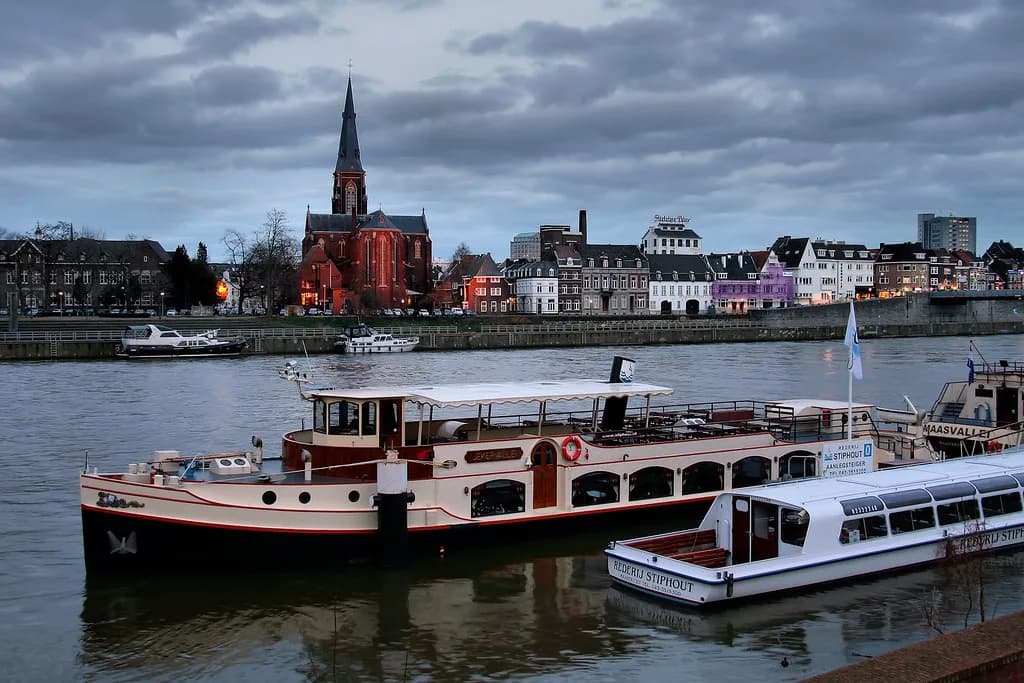
A weekend or a couple of midweek nights is enough to see the historic centre and still leave room for a riverside walk. If your trip is longer, add a boat trip on the River Meuse or a wander through the Céramique neighbourhood.
Practical notes: opening days, tickets and what to confirm
Opening days for churches and museums vary, and the city's tourist office is the place to confirm the current pattern before you set out. The same applies to any event: the Preuvenemint food festival and the carnival period are part of the city's calendar, but their dates change each year, so check them with the organiser rather than planning around a fixed week.
For the museums themselves, start with the museums in Maastricht guide to see which collections match the periods you have just read about. It is also the place to check how each venue handles entry, since arrangements differ from one museum to the next.
Which part of Maastricht's history should you see first?
Start with the Vrijthof and the Basilica of Saint Servatius if you want the medieval city, or head to the Markt and the Stokstraat quarter if you want the trading town and its gabled houses. Whichever you choose, do it on foot, because the periods sit within a few minutes of each other.
For a fuller day, add the Céramique neighbourhood and one museum, and use the wider Maastricht Attractions guide to fill the gaps around the history. That gives you a one-day route that covers the city's past and its present without turning the trip into a checklist.
Frequently Asked Questions
What did the Treaty of Maastricht create?
The Maastricht Treaty, signed in the city in 1992, is the agreement associated with European and monetary union. It is the reason the city is often described as the centre of Europe.
How far is it from Amsterdam to Maastricht?
Maastricht sits in the far south of Limburg, close to the Belgian and German borders, so it is a long journey from Amsterdam rather than a short hop. Plan it as its own city break of one to four days rather than as a day trip.
Which country is Maastricht in?
Maastricht is in the Netherlands, in the southern province of Limburg. It lies close to both Belgium and Germany, which is why Dutch, Belgian and German influences mix so visibly in the city.
Sources
Notes for your next Dutch city break
Optional updates to our Netherlands guides.
You might also like
Continue reading
More guides you'll find useful