
Basilica of Saint Servatius: Visiting Maastricht's Romanesque Church
The Basilica of Saint Servatius is worth an hour of any Maastricht city break, and two if you add the treasury. It is a Romanesque church on the Vrijthof in Maastricht, the broad square in the old centre, and it is the largest Romanesque church in the Netherlands. This guide covers where it sits, what to look for inside, how the Schatkamer and guided tours work, how long to allow and what else is on the square.
What the basilica is and why it earns a stop
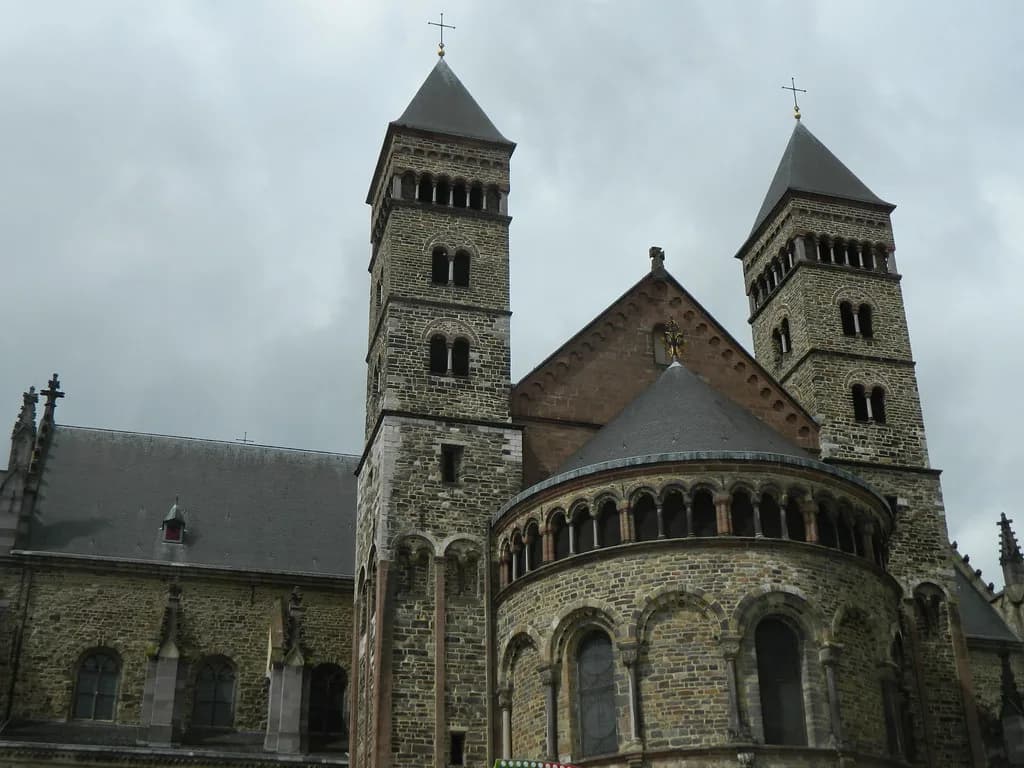
Saint Servatius was Maastricht's first bishop, and the church that grew up around his grave became a pilgrimage site. The building you see today is Romanesque, heavy-walled and calm, with a nave and side aisles that reward slow looking rather than a quick lap. Treat it as architecture and as a working parish church: services and concerts take place alongside visitor opening, and the basilica's own site lists both.
The basilica is one of the anchors of a compact old-centre day in Maastricht, with the Markt, the river and the shopping streets all within easy walking distance, and the Maastricht itinerary guide shows how to fit them together. If you are choosing between churches, this is the one tied most tightly to the city's identity, while the Basilica of Our Lady, Maastricht offers a contrasting, quieter interior.

Where the basilica sits on the Vrijthof and how to reach it
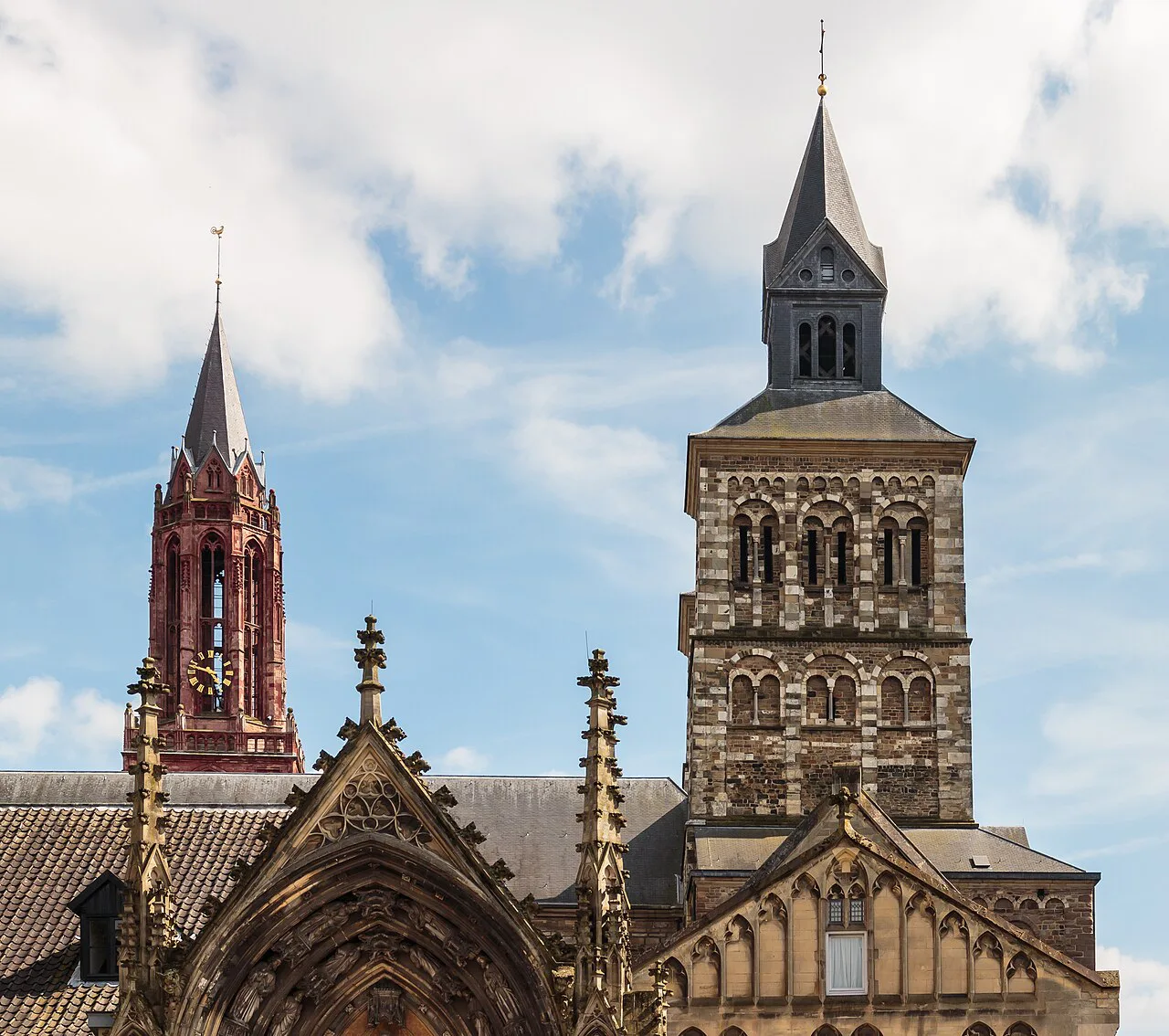
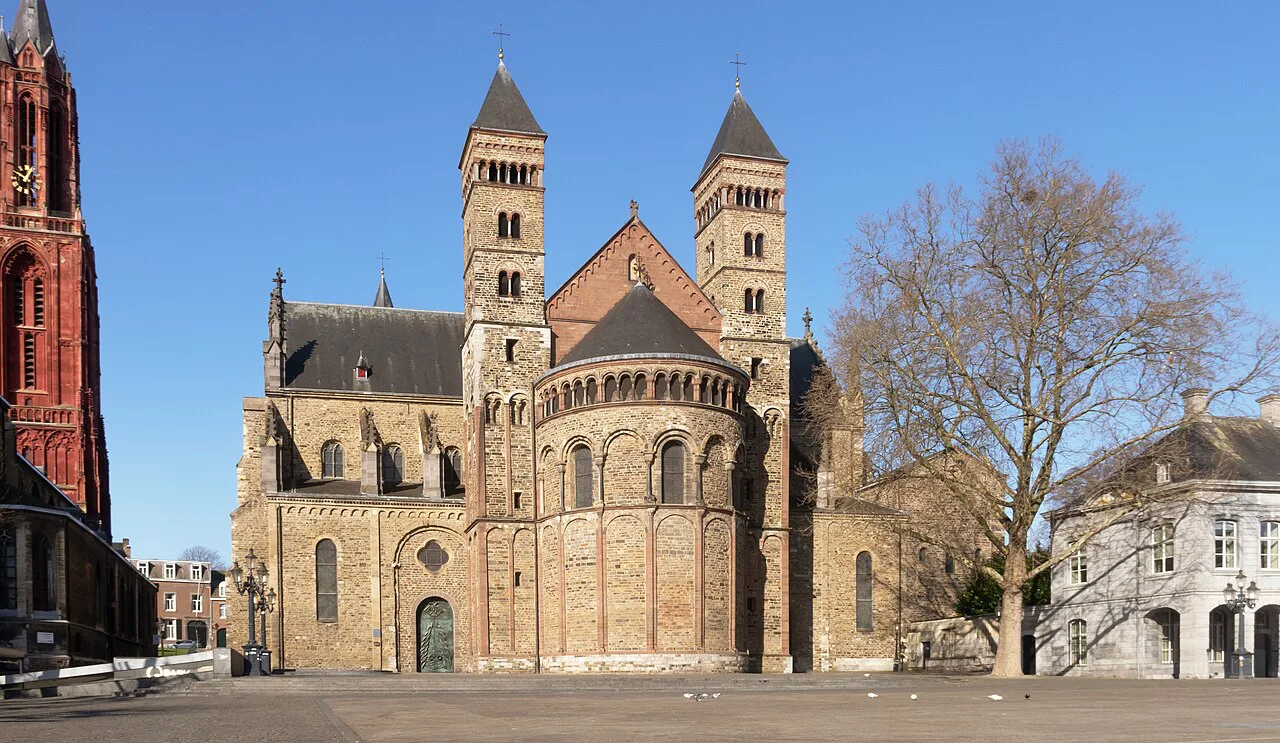
The basilica occupies the eastern edge of the Vrijthof, with its west front facing the square and the neighbouring Sint-Janskerk beside it. Its address is Keizer Karelplein 3, 6211 TC Maastricht, which is the reference to use in a map app if the square name alone does not bring you to the right door.
On foot, the Vrijthof is a short walk from the Markt and the Maas, so the basilica slots naturally into a morning of sightseeing rather than needing its own transport plan. The rest of Vrijthof, Maastricht has the surrounding cafés and terraces, and the square itself is the obvious place to sit before or after going in.

What to see inside: the Romanesque nave and the shrine
Start with the nave and the west end, then walk the aisles to read the capitals and the layered stonework that give the church its weight. The shrine of Saint Servatius is the focus of pilgrimage, so keep your distance and keep noise down when others are praying. The website's Bezienswaardigheden section names the church's own highlights and is the best place to match names to what you see.
Allow roughly 30 to 45 minutes for the church alone if you are interested in architecture, less if you only want a look at the nave and shrine. Add time if you visit during a service, when parts of the interior may be in use; the site's Vieringen pages and its opening-hours page are the places to check before planning around the building.
The Schatkamer: what the treasury adds
The Schatkamer is a separate part of the visit, with its own pages on the basilica site under Schatkamer and Reliekhouders, so budget for it as a second stop. It holds the reliquaries and treasury objects that made the church a pilgrimage site.
If you are short on time, decide before you arrive whether the treasury is in or out. Readers who like metalwork, reliquaries and church history get the most from it; anyone with a passing interest in architecture can see the nave and shrine and move on.
Guided tours and how to book
Rondleidingen are booked through the basilica, and the site carries a dedicated tour page and a reservation route rather than leaving you to turn up and hope. If your dates are fixed or you are coming as a group, reserve before you travel.
Tours add the context a short label cannot: the building's phases, the shrine's role in pilgrimage and the treasury's pieces. If you only have one hour in total, take the self-guided route through the church and skip the tour; if you have half a day, the tour plus treasury is the fuller version.
How long to allow for church and treasury
A sensible split for most visitors is under an hour for the church and a similar stretch for the Schatkamer, giving a half-day block that still leaves room for the rest of the Vrijthof. That pace is deliberately unhurried: the biggest mistake is treating the basilica as a five-minute photo stop and missing the treasury entirely.
Build the visit into a wider Maastricht half-day: Maastricht City Hall (Stadhuis) on the Markt is within walking distance, and the historic Helpoort gate is nearby too. Save the outlying sights, such as the Bonnefanten Museum, Maastricht, for another block and keep this morning compact.
Opening hours and ticket prices: where the basilica publishes them
The basilica publishes opening hours and prices on its own Openingstijden en prijzen page, and the site also covers the Schatkamer and tours separately. Read that page before your trip rather than relying on a third-party listing, because church visiting times shift around services and feast days.
Do not assume the church and treasury share one ticket. Check both lines separately on that page, then confirm the tour price at the moment of booking, since tours are reserved through their own form.
Nearby on the Vrijthof: Sint-Janskerk and the square
The Sint-Janskerk stands right beside the basilica on the Vrijthof, so seeing both is easy in a single loop of the square. Check each church's own opening arrangements rather than expecting the same hours.
The square itself is the natural place to linger: broad, paved and lined with terraces, it works for a coffee between sights. For a broader choice of things to do in Maastricht, the city's other sights spread out towards the Markt, the Onze-Lieve-Vrouweplein, Maastricht and the river.
Practical points: services, quiet and payment
This is an active parish, so treat the interior as a place of worship first: dress modestly, keep voices low and avoid walking through during a service. The basilica's site lists Vieringen and the parish calendar so you can time a visit around them.
Payment methods and timed entry vary between churches, so confirm the details on the Openingstijden en prijzen page or when you arrive. If you plan a longer Maastricht stay, the Maastricht caves and the Fort Sint Pieter, Maastricht make a good second half-day, and the Markt Maastricht is the spot for a market morning.
Church, treasury or both?
For most travellers the answer is both: the church gives you Maastricht's Romanesque identity and the Schatkamer gives you the objects that made it a pilgrimage site. If your time is tight, take the church and shrine and leave the treasury for a longer return visit.
For the full picture of what else the city offers, browse Maastricht Attractions: 12 Visitor Guides and plan the rest of your day around a compact old-centre loop.
Explore more Maastricht guides
Frequently Asked Questions
Is the Basilica of Saint Servatius free to enter?
The basilica sets its own entry arrangements and publishes current prices on its Openingstijden en prijzen page. Check both the church and the Schatkamer lines there, as they are separate parts of the visit.
Do I need to book a guided tour in advance?
Guided tours (rondleidingen) are arranged through the basilica's own reservation route. Book ahead if your dates are fixed or you are coming as a group, and use the tour page on the basilica site to reserve.
How long should I spend at the basilica?
Allow around 30 to 45 minutes for the church and a similar stretch for the Schatkamer, making a comfortable half-day. That leaves time for the Vrijthof and the neighbouring Sint-Janskerk.