Things to Do in Rotterdam: A City Break Guide by Area
Plan a Rotterdam city break around the Markthal, Cube Houses, Delfshaven and Kop van Zuid, with honest trade-offs and advice on how many days to allow.
On this page
Two days is the right allowance for Rotterdam. One day covers the Laurenskwartier, the Markthal, the Cube Houses and the Depot, but leaves no room for Kop van Zuid, Delfshaven or the Luchtsingel, and Kinderdijk needs a half-day of its own. This guide groups what there is to see by quarter, gives walking and cycling times between clusters, and flags the trade-offs so you do not zig-zag across the Maas.
What to see in Rotterdam with one, two or three days
With one day, stay north of the river: start at Rotterdam Central Station, walk south through the shopping streets to the Laurenskwartier for the Markthal and Cube Houses, then cross to Blaak for the market if it is running and finish at the Depot. That is a compact loop of a few kilometres with the heaviest sights close together.
With two days, keep day one as above and give day two to the water. Cross the Erasmus Bridge to Kop van Zuid, look back at the skyline, then take a boat tour or head west by tram to Delfshaven for the old harbour. Add the Luchtsingel footbridge on the way back if your legs still have anything left.
With three days, Kinderdijk earns its place as a half-day trip, and an audio tour is available if you want context on site. Build the rest of the day around a park or a slow cycle instead of another museum. The honest rule is that Kinderdijk costs you the best part of a day, so it only makes sense once the city itself is covered. If you are weighing it against other Dutch day trips, our Netherlands guide covers the windmills, while Kinderdijk Windmills: What to Know and How to Get There handles the practicalities of transport and timing.
How Rotterdam is laid out: the old centre, the river, Kop van Zuid and Delfshaven
Rotterdam's centre was largely rebuilt after the Second World War, so the sightseeing is spread across quarters rather than concentrated in one historic core. The Laurenskwartier around the Markthal and Blaak is the compact heart, Kop van Zuid sits across the Nieuwe Maas, and Delfshaven lies west along the river with a much older street pattern.
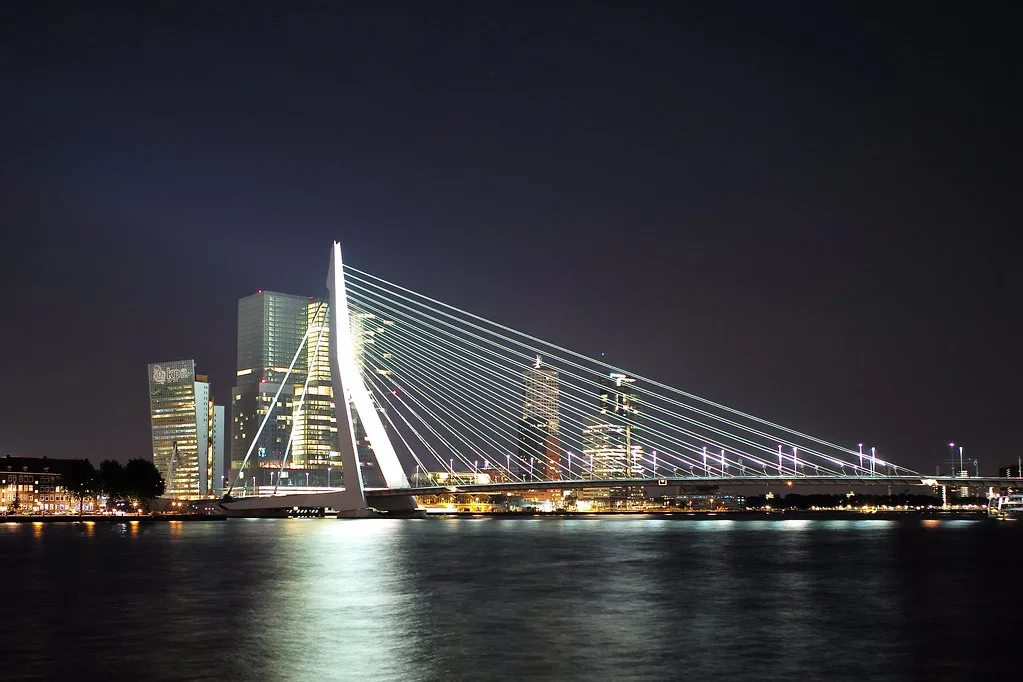
Plan by quarter and you avoid criss-crossing the river. Group the Markthal, Cube Houses, Laurenskerk and Blaak into one morning, treat Kop van Zuid and the Erasmus Bridge as a separate block, and save Delfshaven for a half-day with a tram ride each way. The Erasmus Bridge links the centre to Kop van Zuid on foot, which makes the crossing easy in one direction.
The Markthal and the Cube Houses in the Laurenskwartier
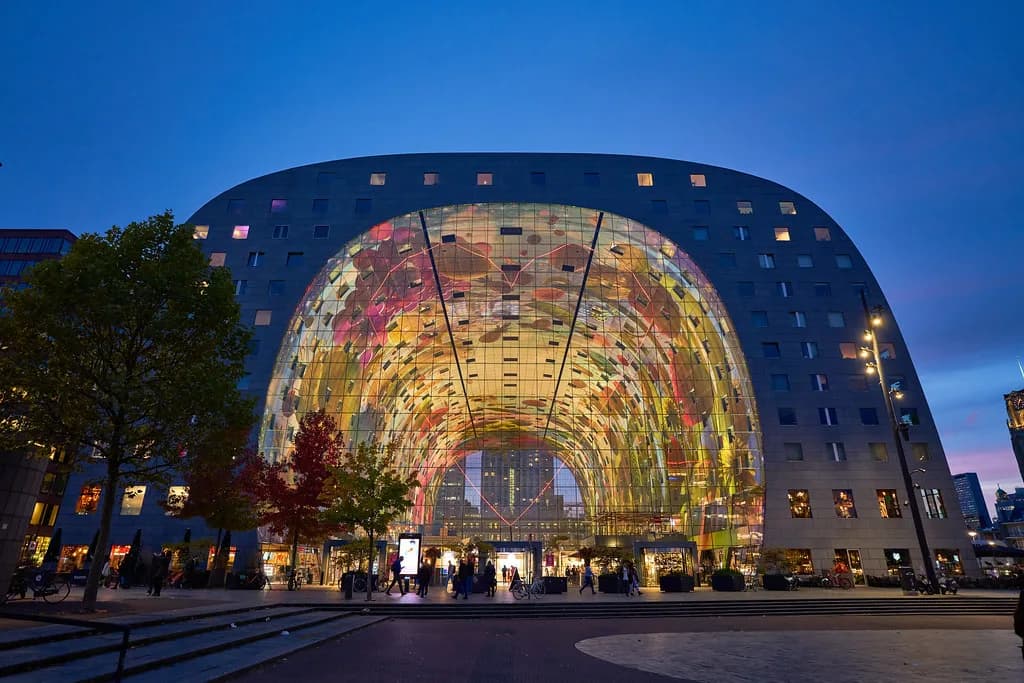
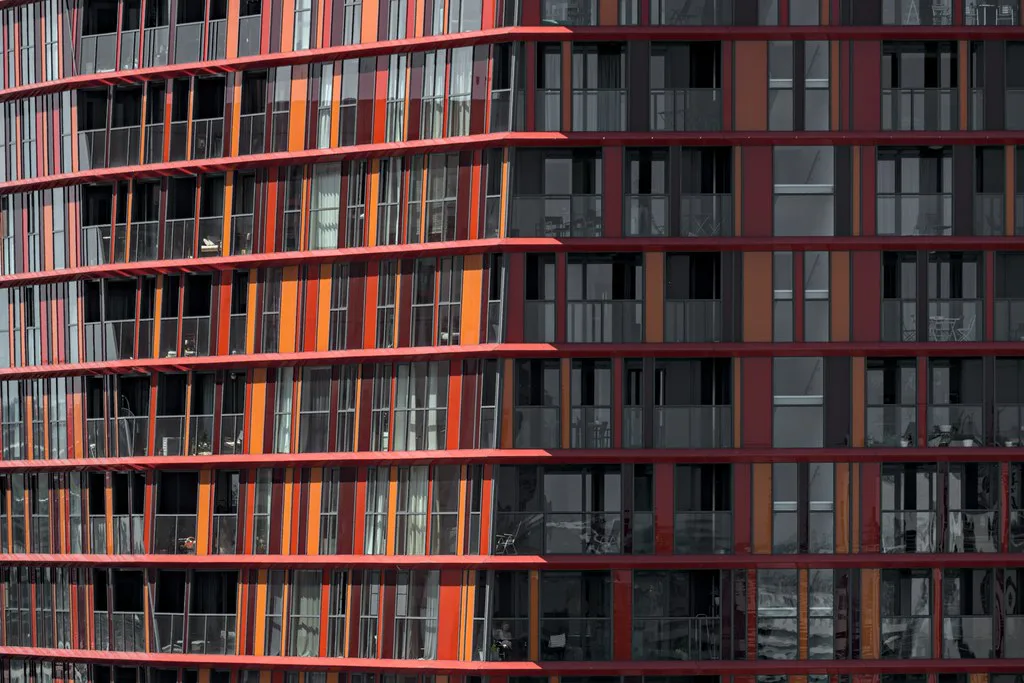
The Markthal opened in 2014 and has become Rotterdam's landmark: a horseshoe-shaped hall 40 metres high with food stalls and restaurants inside and apartments around the rim, their windows looking down into the market. The glass facades keep the cold out, so it works as an indoor stop in any weather. Come before the 10am opening if you want the interior photographed without crowds.
The Cube Houses date from 1977 and tilt at 45 degrees above the street, which makes them the city's most photographed address. Almost all of them are lived in, but one house is open to the public from 11am to 5pm, and the street beneath is always accessible, so you can see the exterior at any hour and step inside if you time it right.
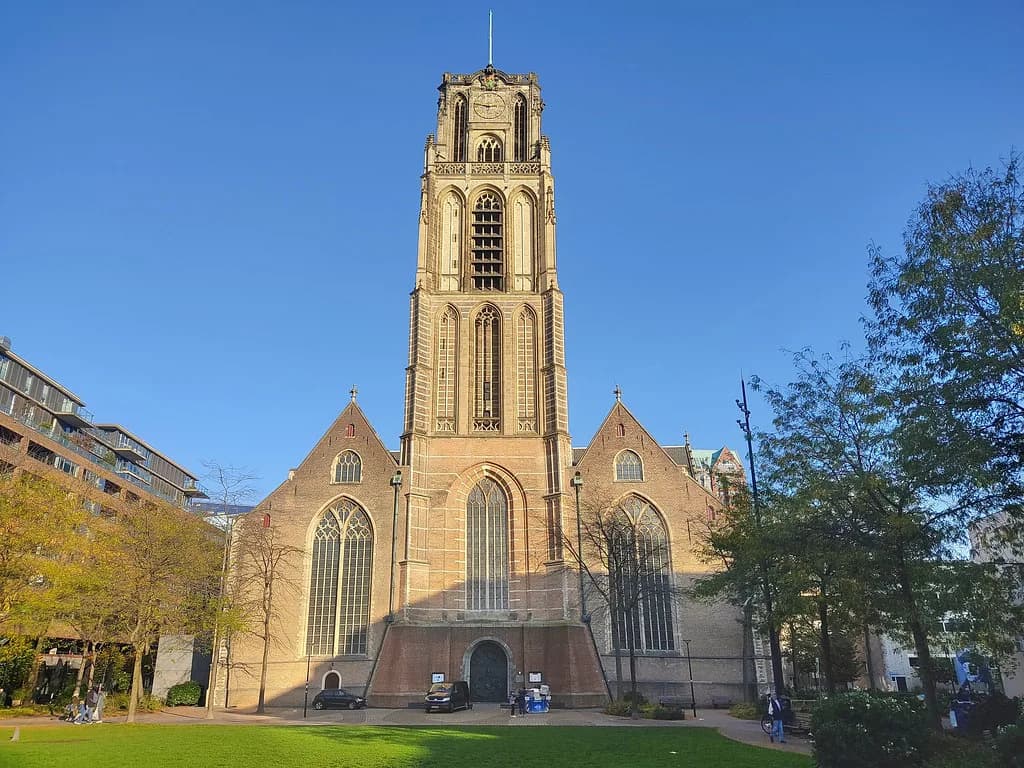
The nearby Laurenskerk is one of the few buildings left standing in this part of the centre after the bombing, which gives it a different weight from the glass around it. Pair it with the Markthal in a single loop rather than making a separate trip.
Blaak's Grote Markt: the big open-air market
The Grote Markt at Blaak is Rotterdam's large open-air market, and it is a different proposition from the Markthal: outdoors and weather-dependent rather than a covered hall. Check the market's own days before you build a morning around it, because a wet day will not deliver the same scene.
The trade-off between the two markets is straightforward. The Markthal is indoors and reliable in any weather but is more of a food hall than a produce market; Blaak is the open-air version and worth timing your visit around. If your dates do not line up with the outdoor market, the Markthal covers the same ground indoors.
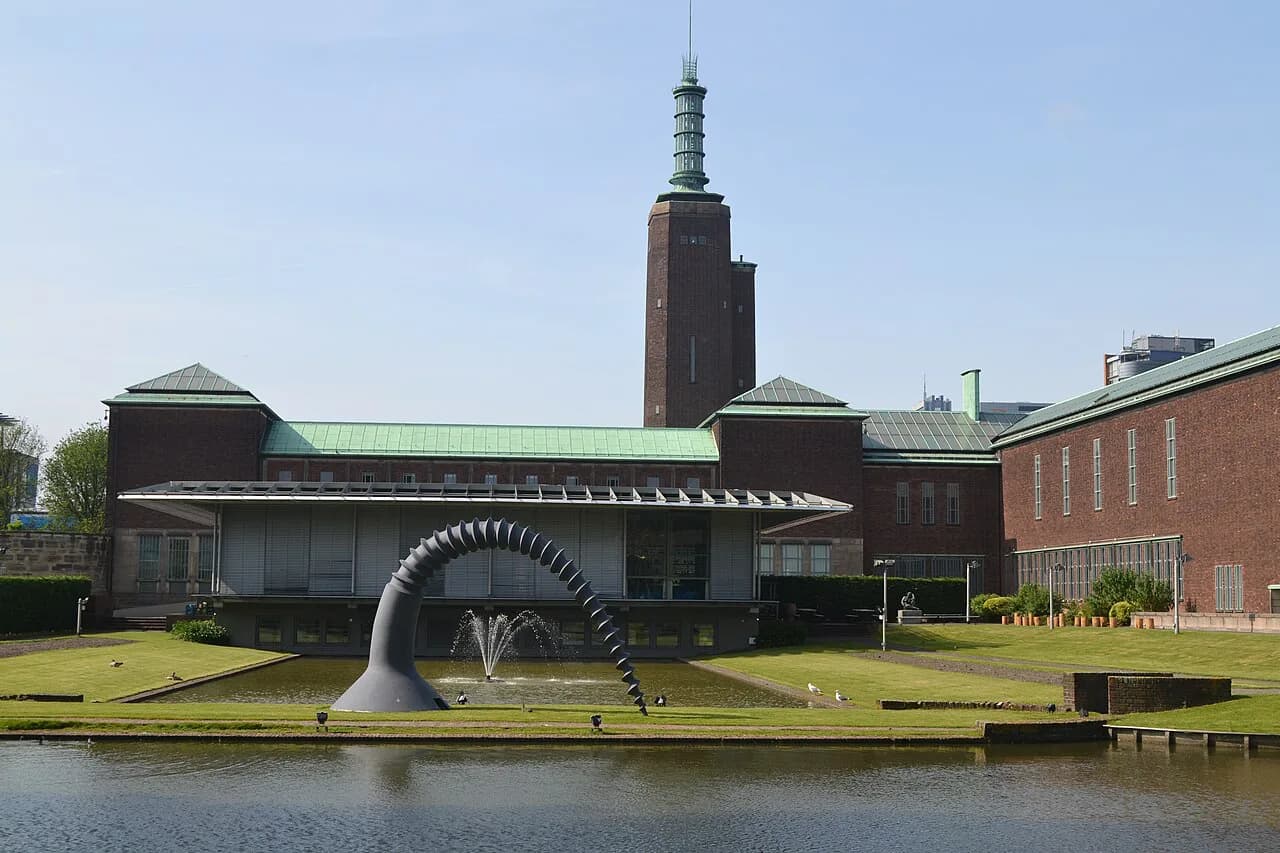
Museum Boijmans Van Beuningen's mirrored Depot
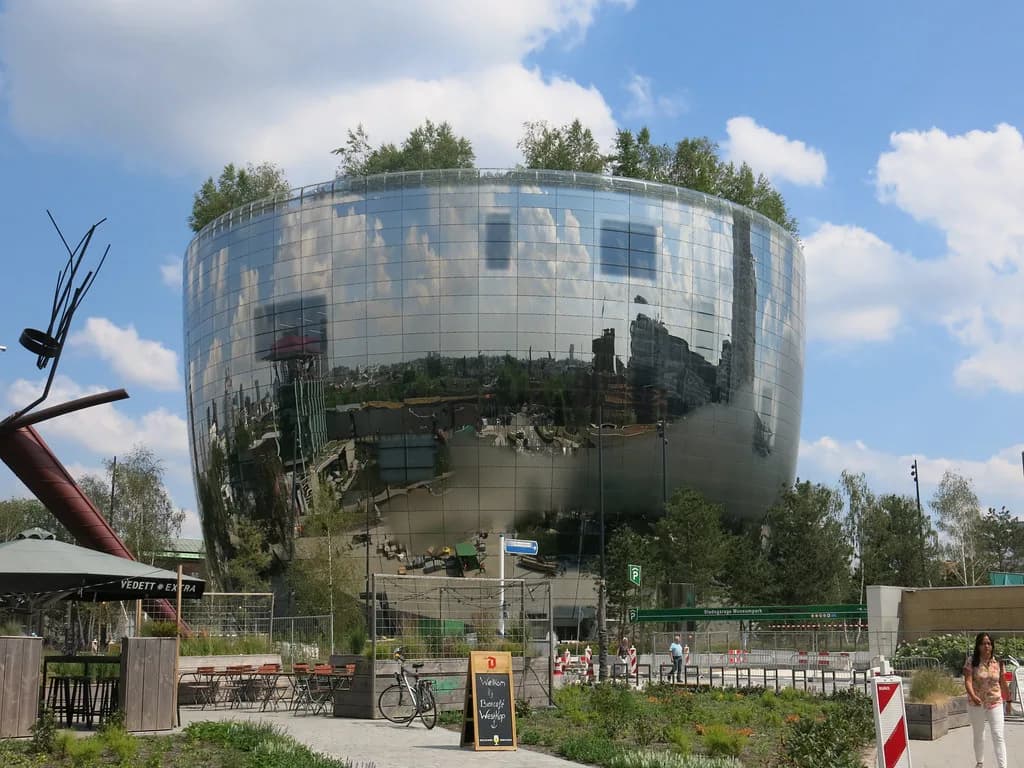
The Depot is a new building belonging to the Boijmans Van Beuningen Museum, and its mirrored exterior, 40 metres high, reflects the city skyline. It is described as the first Depot in the world offering access to 151,000 art objects, which makes it a substantial collection visit rather than a quick photo stop.
Allow more time here than for the Cube Houses, and check current opening days and ticket prices before you go. Even from outside the mirrored building is one of the strongest pieces of contemporary architecture in the city.
Old and new at Kop van Zuid and the Erasmus Bridge
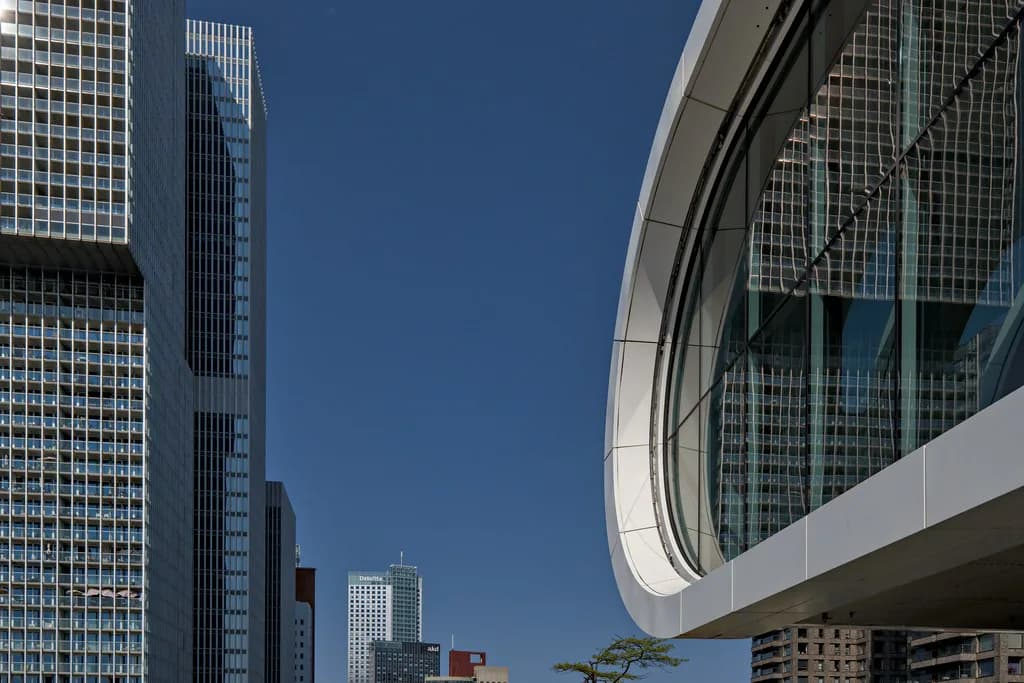
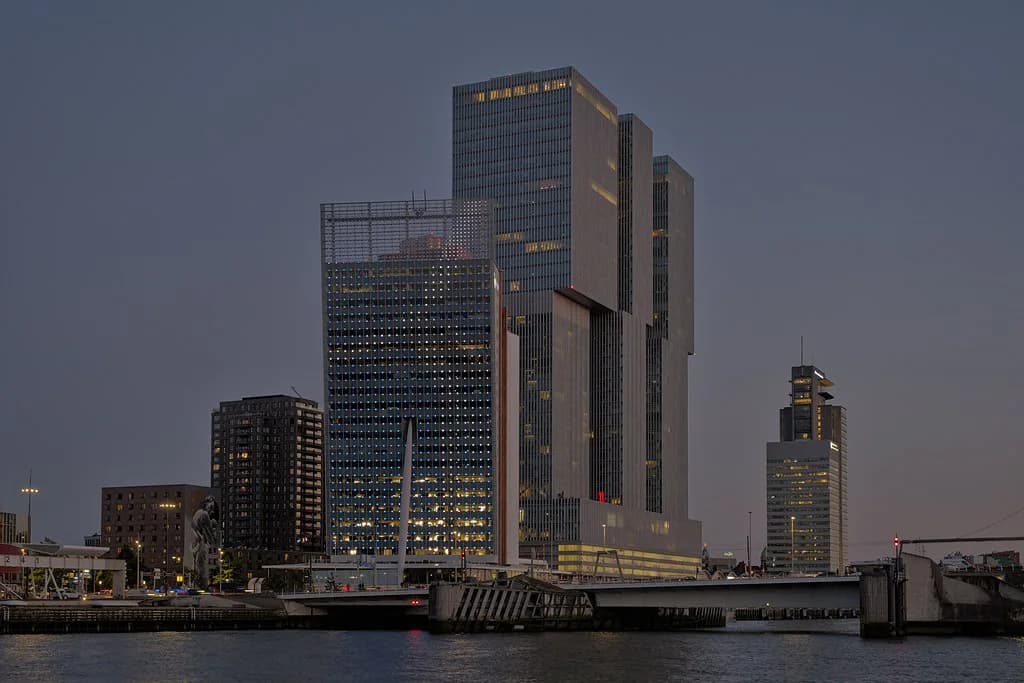
Cross the Erasmus Bridge and the contrast between old and new Rotterdam is at its sharpest on Kop van Zuid. De Rotterdam is the building you notice first, a stacked tower on the waterfront, and the old harbour buildings nearby give the quarter its layered feel. This is a walking quarter rather than a ticketed sight, so it costs nothing but time.
The Witte Huis is the historic counterweight on the north bank and worth a look on the walk back into the centre. A harbour cruise gives you the port from water level, which is the only way to grasp its scale.
Delfshaven: the historic harbour quarter
Delfshaven is the quarter that survived the war intact, with a small historic harbour, narrow streets and the kind of canal-side buildings the rest of Rotterdam lost. It sits west of the centre and needs a tram or metro ride, so it is a half-day rather than an add-on. Go for the atmosphere and the walk, not for a checklist of sights.
Because it is away from the centre, Delfshaven works best combined with something else in the west, or as a slow morning before an afternoon back in the Laurenskwartier. If you only have one day, cut it.
The Luchtsingel and Rotterdam's street art
The Luchtsingel is a pedestrian bridge through the city that doubles as a walking route between quarters. Walk it as a link rather than a destination, and you get a view of the city at roof height for free.
Street art in Rotterdam is scattered rather than concentrated, with murals hidden around the city that are best followed on a map. You can cover them on foot, by bike or on an electric scooter, and a self-guided route leaves you free to stop where you like.
Parks and green breathing space: Het Park and Kralingsebos
Het Park sits by the Euromast and has a cafe with outdoor seating, which makes it the easiest green stop to combine with a city sight. Kralingsebos is the larger park and the better choice if you want a proper afternoon outdoors rather than a bench between museums. Both are inside the city, so neither eats a day.
For a full comparison of green space, the city's parks differ mainly in size and how far they sit from the centre. Pick Kralingsebos for a cycle and a long afternoon, Het Park for a short break near the Euromast.
Euromast and the harbour: seeing the city from above and from the water
The Euromast gives you Rotterdam from above, which matters in a city whose appeal is largely architectural and planned rather than picturesque at street level. A harbour cruise does the same job from water level.
Choose one, not both, unless you have three days. The tower suits a clear day; the water is a good fallback when the sky is grey.
Cycling Rotterdam: where a bike earns its keep
Rotterdam is spread out enough that a bike earns its keep, especially for the stretch between the centre, Delfshaven and the parks. Distances that are a dull walk are a short ride, and the city is flat. Rent for the day rather than an hour.
Use the bike for Delfshaven and Kralingsebos rather than for the Laurenskwartier, where you will walk anyway. Park it and continue on foot once you are in the dense quarters.
Kinderdijk windmills: worth the trip out?
Kinderdijk is the one sight on this list that sits outside the city, and it needs its own transport and a half-day. The windmills are the classic Dutch image, and an audio tour is one way to see them with context.
The honest answer depends on your day count. A two-day visitor should skip it and put the time into Delfshaven and Kop van Zuid; a three-day visitor can afford it. The trade-off is a half-day of travel against the most photographed landscape near Rotterdam.
How many days Rotterdam needs
Two days is the sweet spot. Day one covers the Laurenskwartier, Markthal, Cube Houses, Blaak and the Depot; day two covers Kop van Zuid, the Erasmus Bridge, a boat tour and Delfshaven. Three days adds Kinderdijk or a slow park-and-cycle day, and a fourth is only worth it if you want to spread the museums out.
Rotterdam is not a city you can do in a day without cutting most of it, and it is not a city that needs a week. The right number sits between those.
When to go and what day of the week to plan around
Rotterdam's sights split into indoor and outdoor halves, so the weather decides the order rather than the other way round. The Markthal and the Depot work in rain; Blaak market, the Luchtsingel, Kop van Zuid and the parks do not. Keep the indoor block flexible and swap days if the forecast turns.
The day of the week matters most for the open-air market, which runs on set days, and for museum opening days, which vary by venue. Check both before you fix your dates, then build the rest of the plan around whichever day the market falls on.
Which day to book first
Book the market day first, then the museum, then everything else. If Blaak's market day falls inside your trip, build day one around it and put the Markthal and Cube Houses alongside; if it does not, the Markthal covers the food-market experience indoors and you can give the extra time to Delfshaven.
Two days is enough to see Rotterdam properly. Add a third only for Kinderdijk or a park-and-cycle day, and drop Kinderdijk first if your dates are tight. For more, see Rotterdam Old Town and Rotterdam Walking Tour.
Explore more Rotterdam guides
Frequently Asked Questions
What is there to do in Rotterdam for a day?
Stay north of the river: Rotterdam Central Station, the shopping streets, the Laurenskwartier for the Markthal and Cube Houses, Blaak if the market is running, and the Depot. Delfshaven and Kinderdijk are for longer trips.
Is two days enough for Rotterdam?
Yes. Two days covers the Laurenskwartier, Kop van Zuid, the Erasmus Bridge, a boat tour and Delfshaven, with time left for a park or a cycle. Kinderdijk is the sight you drop when time is short.
Sources
Notes for your next Dutch city break
Optional updates to our Netherlands guides.
You might also like
Continue reading
More guides you'll find useful