Kinderdijk Windmills: What to Know and How to Get There
Kinderdijk is a UNESCO-listed windmill landscape in the Alblasserwaard polder south-east of Rotterdam. What it is, how it fits into a city break, and how to arrive.
On this page
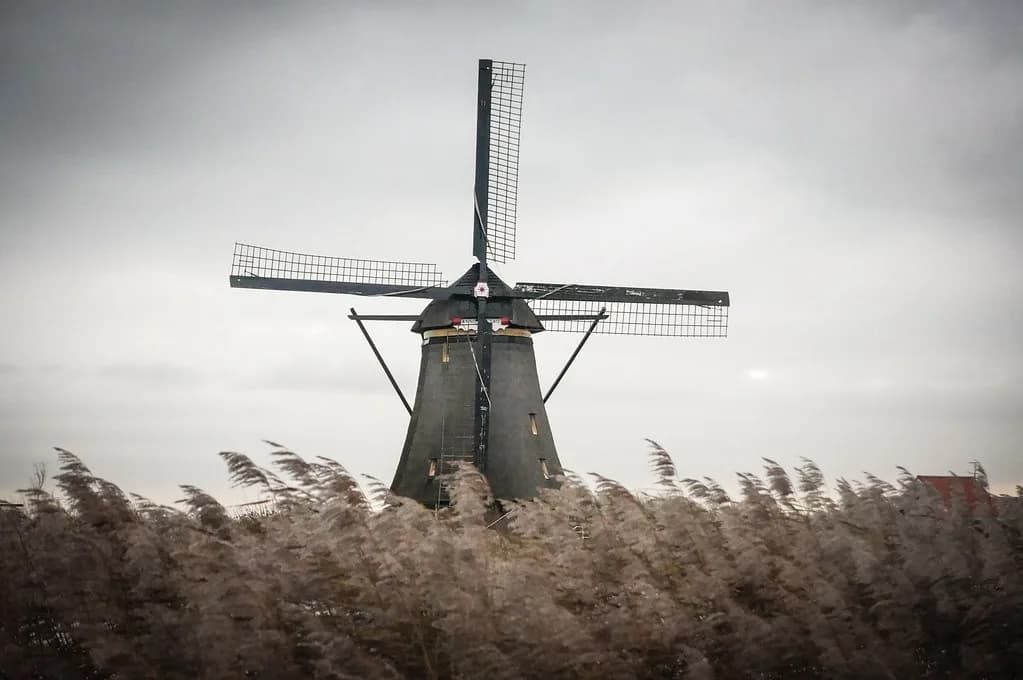
Kinderdijk is a UNESCO World Heritage Site: historic windmills standing along waterways and dikes in the Alblasserwaard polder, roughly 15 kilometres south-east of Rotterdam. Treat it as a half-day add-on to a Rotterdam or Utrecht city break, not a destination in its own right, because the appeal is the landscape rather than a town. This guide covers what stands where, how long to allow, and the honest case for skipping it.
The site sits in open polder country, so wind, rain and flat light shape the experience more than any single building. Plan the visit around a walk or ride along the waterways and a decision about whether to add a boat trip, and treat everything else as scenery.
What Kinderdijk is and where it sits
Kinderdijk is a small place in South Holland, about 15 kilometres south-east of Rotterdam in the Alblasserwaard polder. Its windmills form a UNESCO World Heritage Site, listed for the way the mills and their waterways manage water in a low-lying landscape. The village and the mill site are not quite the same thing: the mills stand along the canals and dikes outside the built-up centre, which is why the walking and cycling approaches matter. If you are weighing Dutch windmill sites against each other, our overview of windmills in the Netherlands sets Kinderdijk beside the alternatives.
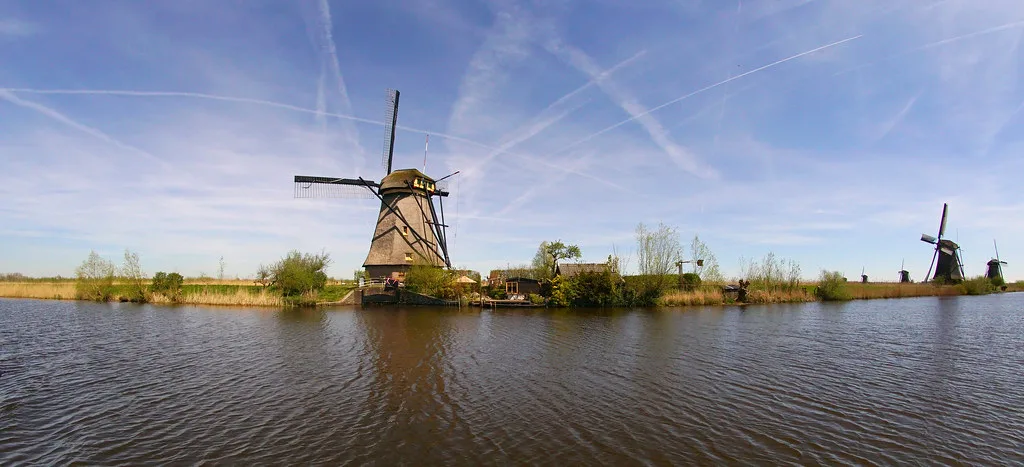
What you actually see and do
The core of a visit is the row of mills themselves, seen from the dikes and canal banks. The flat terrain makes walking easy, but there is little shelter on the exposed banks, so a windy day feels colder than the temperature suggests.
How do you pronounce Kinderdijk? Kinderdijk breaks into Kinder, meaning children, and dijk, meaning dike. Dutch ij sounds close to the English eye, with the stress on the first syllable, so it comes out roughly KIN-der-dike.
Are the Kinderdijk windmills still in use? The mills are preserved as a UNESCO World Heritage Site, but they no longer perform the full water-management job they were built for. Modern pumping stations now handle the drainage, and the mills stand as monuments to that earlier system.
Which country is most famous for windmills? The Netherlands, where windmills drained polders, sawed timber and ground grain, and where Kinderdijk, the Zaanse Schans and Schiedam keep that heritage visible. Denmark, Spain and Portugal also have famous mills, but the Dutch polder landscape is the one most associated with them.
How long to allow and whether it works as a half-day
Three to four hours covers the site comfortably at an unhurried pace: a walk along the main waterways and time to stop for the views. Two hours is enough for a brisk circuit if you are combining Kinderdijk with Rotterdam in a single day. The trade-off is depth: the appeal is outdoors, so a wet or very windy day eats into the time you can spend pleasantly.
Getting there from Rotterdam is the practical test, and there is no direct train to the mills, so expect a bus or boat leg at the end. You can read the full door-to-door breakdown in our guide to Kinderdijk from Rotterdam.
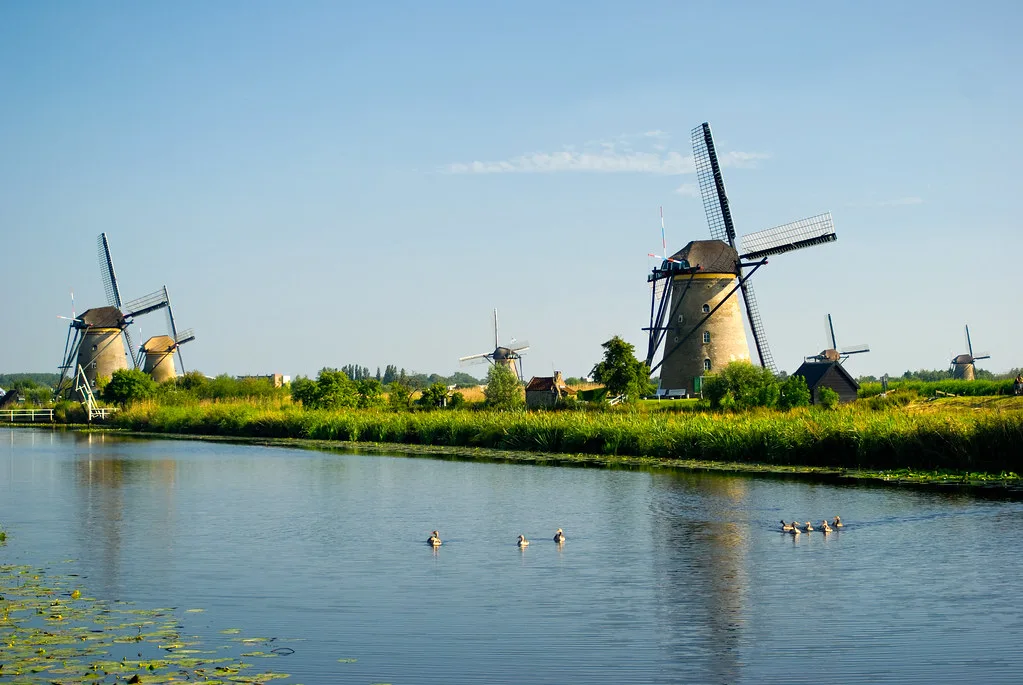
Tickets, opening and what to check
Confirm ticket prices, opening dates and boat departure times with the official Kinderdijk organisation before you travel, and check which facilities are running that week.
Cycling the dikes and polder
Kinderdijk rewards cyclists, because the mills stretch along the waterways and the polder roads link them into a natural loop. Bring your own bike or arrange one locally. If you are arriving by train, the NS OV-fiets hire scheme lets you rent a bike at around 300 locations if you hold an NS Flex subscription, charged per 24 hours rather than by the hour; the OV-fiets page lists the daily rate and rental conditions.
When to go: season, light and crowds
Spring and summer give the longest days and the best chance of dry weather, and the light on the water early and late in the day flatters the mills. Midday in high season is the busiest window, so arriving early or late afternoon buys quieter dikes. Autumn brings moodier skies and thinner crowds but more rain; winter is exposed, often grey, and less rewarding for a long outdoor circuit. Time your dates around the season you want rather than a forecast, then pack for wind regardless of the month.
Practical trade-offs: who should skip it
Kinderdijk is a landscape visit, not a museum day. Anyone wanting hands-on displays, cafés at every turn or a compact town to wander should look elsewhere, and families with small children may find the exposed walking tiring. If you want windmills folded into a town day, the windmill cluster at Zaanse Schans puts mills among a working village, and our wider windmills in the Netherlands guide compares the main Dutch sites. Skip Kinderdijk if your trip is short and Rotterdam itself is the priority.
Is Kinderdijk worth the half-day?
Yes, if you want the definitive Dutch polder windmill landscape and can accept a half-day outdoors with limited indoor cover. No, if you are chasing interactive museums or a full day of things to do. Check the Waterbus timing and go early or late for the best light and thinnest crowds.
Explore more Netherlands guides
Frequently Asked Questions
How do you pronounce Kinderdijk?
Kinderdijk breaks into Kinder, meaning children, and dijk, meaning dike. Dutch ij sounds close to the English eye, with the stress on the first syllable, so it comes out roughly KIN-der-dike.
Are the Kinderdijk windmills still in use?
The mills are preserved as a UNESCO World Heritage Site, but they no longer perform the full water-management job they were built for. Modern pumping stations now handle the drainage, and the mills stand as monuments to that earlier system.
Which country is most famous for windmills?
The Netherlands, where windmills drained polders, sawed timber and ground grain, and where Kinderdijk, the Zaanse Schans and Schiedam keep that heritage visible. Denmark, Spain and Portugal also have famous mills, but the Dutch polder landscape is the one most associated with them.
Sources
Notes for your next Dutch city break
Optional updates to our Netherlands guides.
You might also like
Continue reading
More guides you'll find useful