Things to Do in The Hague: City Break Guide by Area
Plan a Hague city break with the Binnenhof, Mauritshuis and Escher Museum, Scheveningen by tram, the old centre on foot and a clear one or two-day split.
On this page
One day in The Hague covers the historic core around the Binnenhof and Hofvijver plus one museum; two days add a second collection and a trip out to Scheveningen. The city rewards that split because the sights cluster tightly, and the coast is a short tram ride rather than a separate excursion. This guide arranges the main things to do by quarter, then sets out a one-day and two-day plan.
The Hague is the third-largest city in the Netherlands and holds the national government, the royal family's working palace and most foreign embassies, which gives the centre a formal, spacious feel quite different from Amsterdam. Its museums carry world-class Dutch Golden Age and modern art, and the Scheveningen district puts a North Sea promenade on the same tram network as the parliament buildings.
How The Hague is laid out
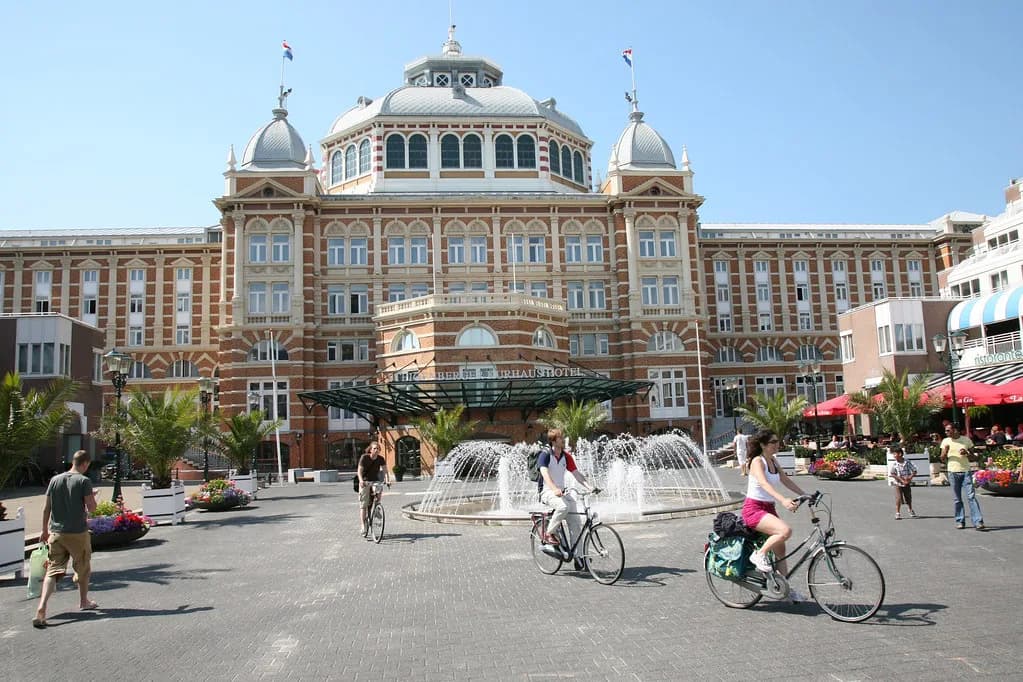
Think of The Hague in three bands. The old centre holds the Binnenhof, the Hofvijver lake, Het Plein and the shopping streets around De Passage; the museum and embassy quarter spreads north and west along Lange Voorhout and toward the Peace Palace; and Scheveningen sits on the coast at the end of the tram line.
Almost everything in the first two bands is walkable. The Mauritshuis stands beside the Binnenhof, the Grote of Sint-Jacobskerk and Het Plein are minutes away, and the Escher Museum occupies a former royal palace on Lange Voorhout in a leafy stretch of the city. Save the tram for Scheveningen and Kijkduin, and use the walking route above to link the centre sights without doubling back.
The Zeeheldenkwartier, west of the centre, is the neighbourhood for independent shops and a slower pace between museum stops. Treat it as a wander rather than a list of addresses, and give it an hour if you want a break from the formal core.
The historic core on foot: Binnenhof, Hofvijver and Noordeinde
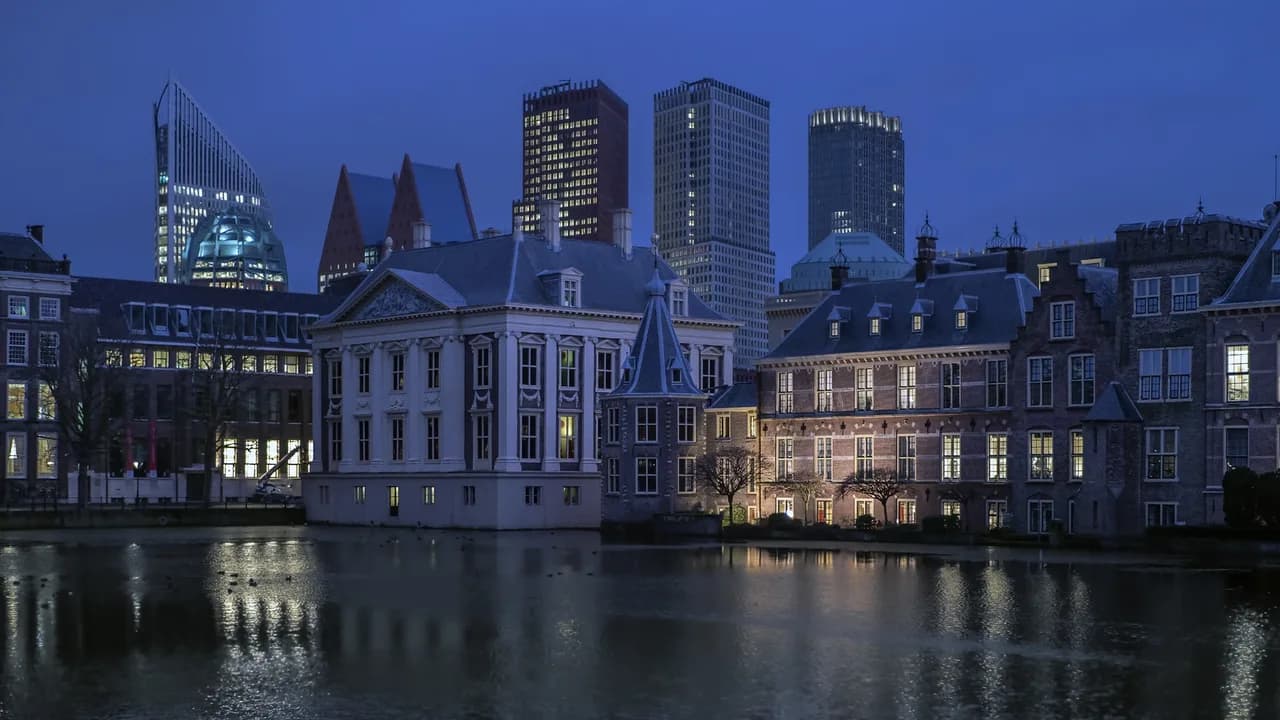
The Binnenhof is the anchor of any visit. Built mainly in the thirteenth century as the residence of the counts of Holland, it became the political centre of the Dutch Republic in 1584, and the Ridderzaal inside the courtyard was originally built as a ballroom. Parts of the complex are not open to visitors, so plan on seeing the Binnenhof from the Hofvijver and the surrounding streets and confirm current access before building a day around going inside.
Circle the Hofvijver next for the classic view of the Binnenhof across the water, then cross to Het Plein. The Grote of Sint-Jacobskerk, with its six-sided neo-Gothic spire, sits on the edge of this area and is worth a look even from outside.
North of the centre, Noordeinde Palace is the royal family's working palace, and the street of the same name is one of the smarter shopping stretches in the city. De Passage is a historic shopping arcade linking the centre's main streets and works as a practical shortcut as well as a sight in its own right. The Hague Walking Tour route sets out the centre on foot in more detail.
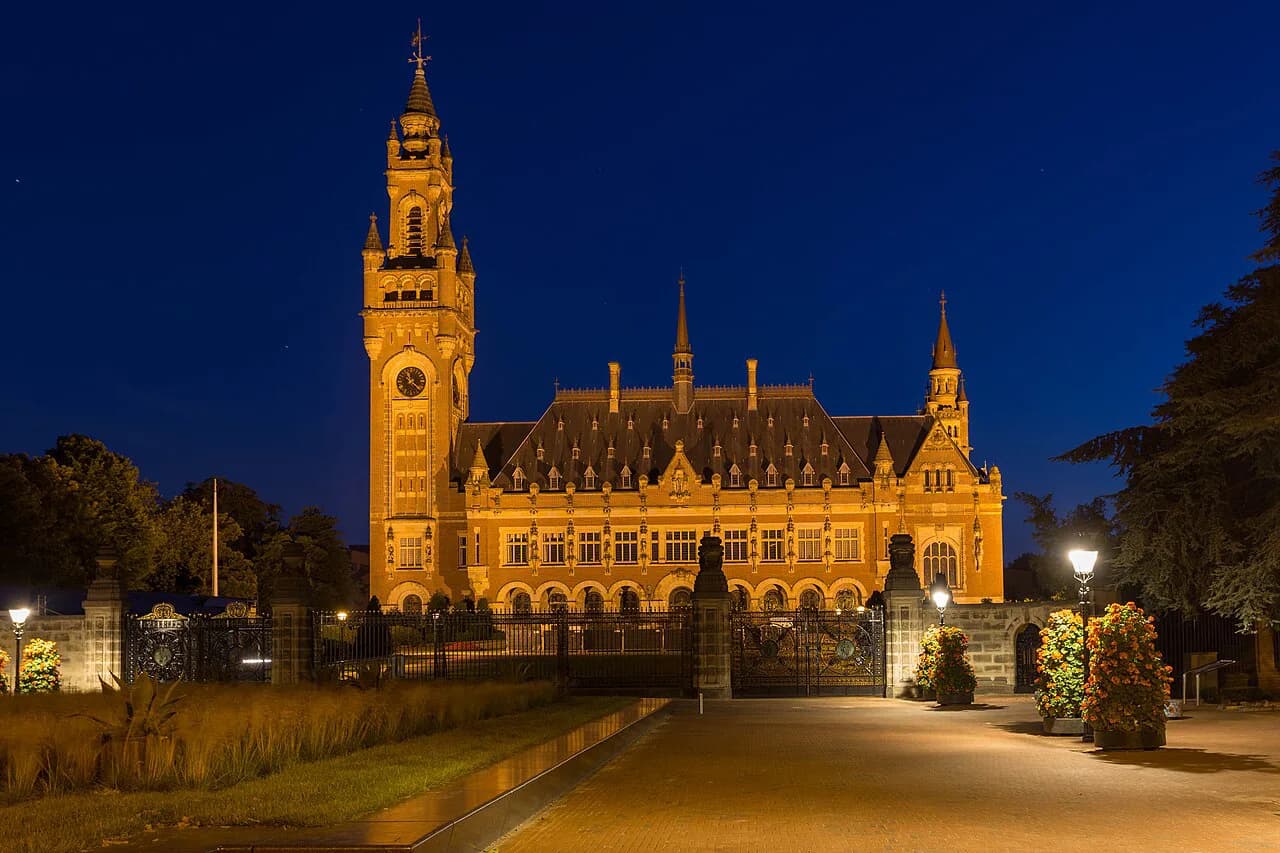
The Peace Palace, or Vredespaleis, opened in 1913 and houses the International Court of Justice. Whether you can go inside depends on whether the court is sitting, so plan on the visitors' centre as the reliable stop and bring photo ID if a guided tour is running.
Museum choices and trade-offs
The Mauritshuis is the essential pick: a seventeenth-century townhouse holding works by Vermeer, Rembrandt, Jan Steen and Holbein. It is small, so an hour covers the highlights, but that compactness also means it fills up; booking ahead is the sensible move.
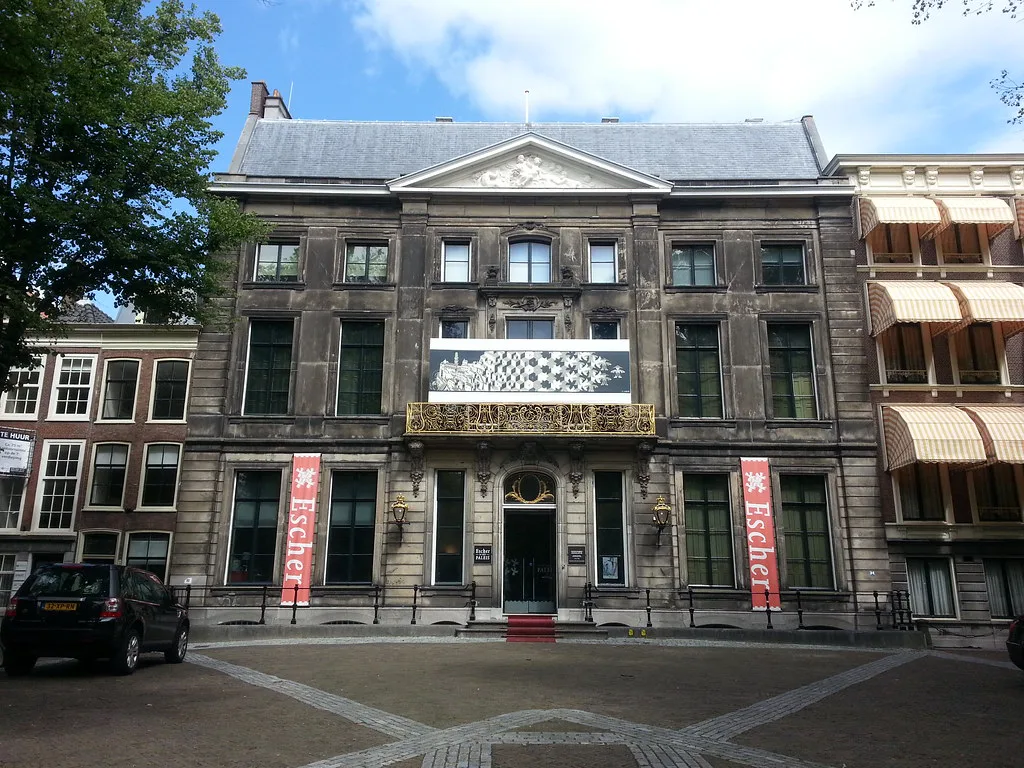
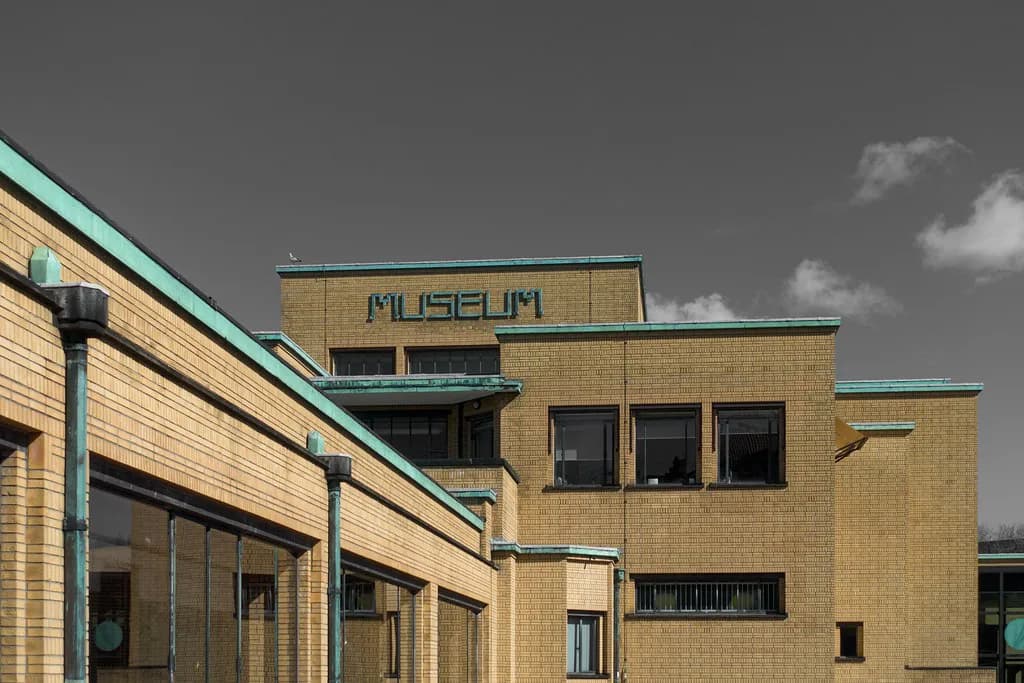
If you want a second museum, choose by taste rather than by size. The Kunstmuseum Den Haag holds a Mondrian collection described as the world's largest, in a 1935 Art Deco building that is a destination in itself. The Escher Museum, in a former royal palace on Lange Voorhout, is the lighter, quirkier option for a shorter attention span.
Panorama Mesdag is the sleeper pick: a painted panorama that surrounds you rather than hanging on a wall. Museum Voorlinden, further out, suits travellers who have already done the centre and want contemporary art and space.
Tickets, days and the Monday problem
The Mauritshuis opens on Monday from 1pm to 6pm and Tuesday to Sunday from 10am to 6pm, so a Monday arrival still gives you an afternoon of Vermeer if you book in advance. Queuing on the day is risky when the museum is small and popular.
The Kunstmuseum runs Tuesday to Sunday, 10am to 5pm, and sells tickets at the door. The two patterns do not transfer between museums, so check each venue's own published days before you fix a route around them.
Ticket prices in euros change, and the museums publish current rates with their booking pages; check there before you budget. Book the Mauritshuis in advance in the same session as your other museum, so a sold-out slot does not strand your day.
Scheveningen as a district
Scheveningen is a district on the tram line, not a separate trip, and the ride from the centre is a straightforward run out to the coast. The pier and the SkyView big wheel give the seafront a focal point, and the promenade is the place to walk rather than a beach guide in itself.
Weather decides this half-day. In a cold wind or rain, the coast is a short, bracing look and back on the tram; on a clear day it can absorb an afternoon. Build it into the plan as a swap rather than a fixed appointment.
Parks, squares and green stops
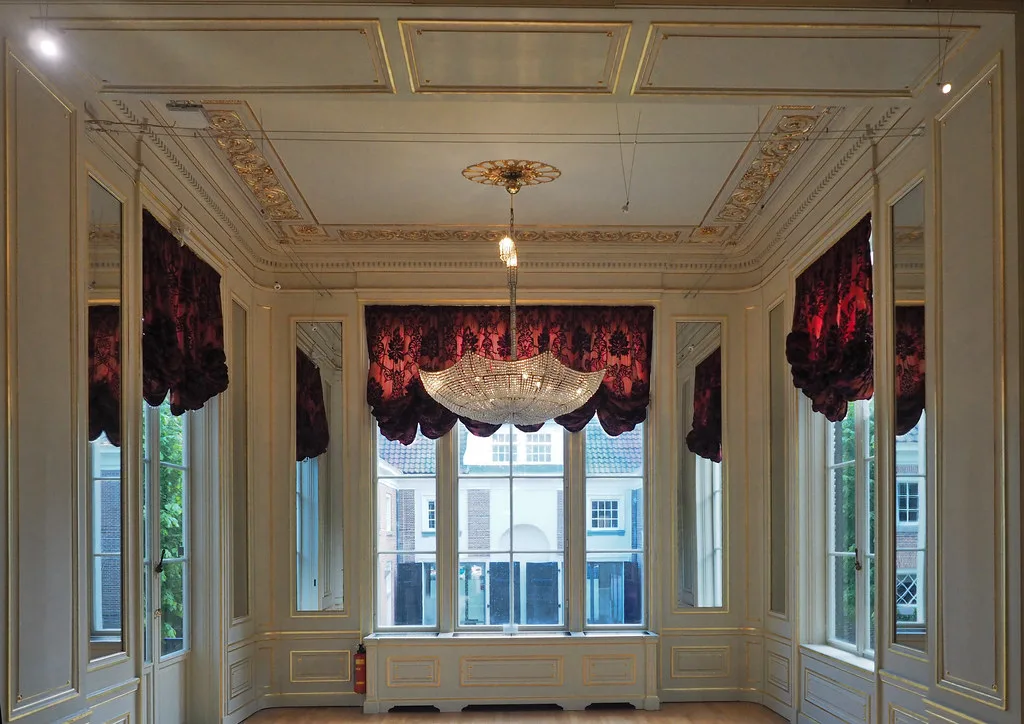
Lange Voorhout is the elegant tree-lined avenue between the centre and the embassy quarter, with the Escher Museum on it and open-air sculpture along the way. It works as a breathing space between two museum visits rather than a destination on its own.
The Hofvijver waterside is the central green edge: benches, water and the best free view of the Binnenhof. Kijkduin, the quieter coastal edge, has a more natural shoreline than Scheveningen's promenade and suits a slower afternoon.
Markets and shopping
De Passage is the centre's shopping landmark, and Noordeinde and the surrounding side streets are where you browse between sights. For everyday shopping rather than souvenirs, head into the Zeeheldenkwartier for independent shops, or check the local market options if a weekday market suits your schedule.
How to get around
The centre is small enough to walk: Binnenhof to Mauritshuis is a short stroll, and the walk to Lange Voorhout or Noordeinde is easily done on foot. Trams link the centre with Scheveningen, and they also pass the Peace Palace, which makes them the simplest way to stretch the day. For a structured route, the walking tour guide links the main sights.
Cycling is the Dutch default for anything beyond the centre. Rent a bike if you want the dunes and Kijkduin, or take a guided bike tour if you would rather follow someone who knows the routes out of the city traffic.
One-day plan, two-day plan and a wet-weather swap
Day one: view the Binnenhof and Ridderzaal from the Hofvijver and surrounding streets, then take the Mauritshuis in the late morning or after lunch. Add De Passage and Noordeinde in the afternoon, and finish at Scheveningen if the weather holds.
Day two: pick the Kunstmuseum for Mondrian or the Escher Museum for something lighter, then walk Lange Voorhout and the embassy quarter. Panorama Mesdag slots in neatly on a wet afternoon, and the Peace Palace visitors' centre fills an hour on the way back.
Wet-weather swap: replace Scheveningen with Panorama Mesdag and the Escher Museum, which sit close enough to combine under one umbrella dash. Keep the coast for a brighter window rather than writing off the day.
Where The Hague fits with Rotterdam, Delft and Amsterdam
The Hague is an easy base for a short Netherlands trip: Rotterdam and Delft are close by rail, and Amsterdam is a straightforward train ride as a transport hub rather than a day out in itself. If you have a third day, a short hop to Delft's historic centre complements The Hague's formal core without repeating it.
One day or two in The Hague?
Choose one day if the Binnenhof, the Hofvijver and a single museum are your priorities; add a second day if you want Mondrian at the Kunstmuseum, the Escher Museum and a proper run out to Scheveningen. The Monday afternoon opening at the Mauritshuis makes an afternoon arrival workable, while the Kunstmuseum's Tuesday-to-Sunday week suits a later start.
Fix your museum bookings first, then layer the walking routes and the tram ride around them, and keep one slot flexible for the coast.
Explore more The Hague guides
Frequently Asked Questions
What is The Hague famous for?
The Hague is the seat of the Dutch government and the royal family, and it hosts the International Court of Justice at the Peace Palace. For visitors, that means the Binnenhof and Ridderzaal, the Mauritshuis with Vermeer's Girl with a Pearl Earring, and a compact centre that mixes politics, art and the Scheveningen coast.
Why is The Hague known as a centre of international law?
The Peace Palace houses the International Court of Justice, and the city is home to other international courts and embassies. That concentration of courts and embassies is why the city is associated with international justice. The Peace Palace visitors' centre is the reliable way to learn about the building, since tours inside depend on whether the court is sitting.
Are there free things to do in The Hague?
Yes. The Hofvijver waterfront is free to walk, as are Lange Voorhout and the streets around Noordeinde and De Passage. Scheveningen's promenade and pier area cost nothing to stroll, though individual attractions there charge separately.
Sources
Notes for your next Dutch city break
Optional updates to our Netherlands guides.
You might also like
Continue reading
More guides you'll find useful