Things to Do in Utrecht: Canals, Dom Tower and City Centre Guide
Plan a Utrecht city break with the Dom Tower, wharf-level Oudegracht canals, the Pandhof garden, Lombok's windmill and honest advice on how many days you need.
On this page
Utrecht needs one full day for its medieval core and two if you want museums, the Pandhof garden and a slower half-day in Lombok. Start at Domplein, where the Dom Tower dominates the skyline, then work down to the Oudegracht's wharf level and out to the Neude. This guide covers what to see in what order, where the canal is at its best, how the cycling and green spaces fit in, and how the days of the week shape a short break.
What to see first in Utrecht: Domplein, the Dom Tower and the Dom Church
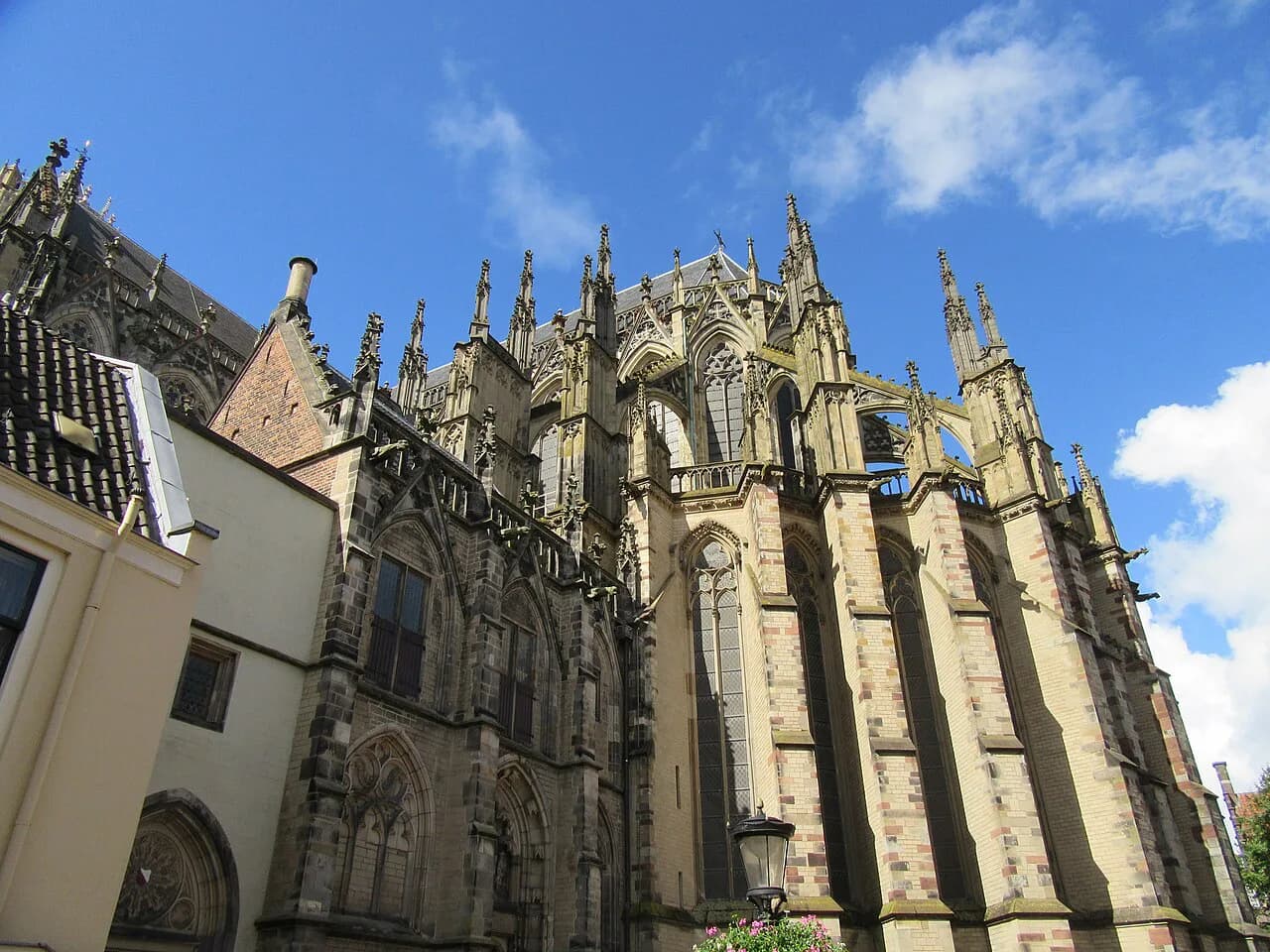
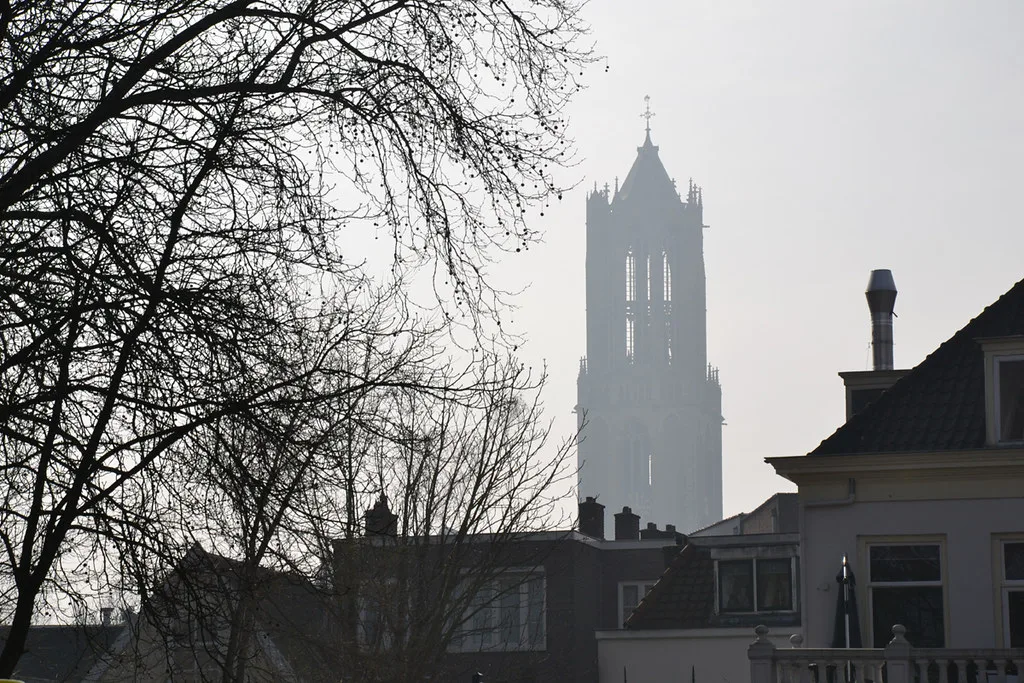
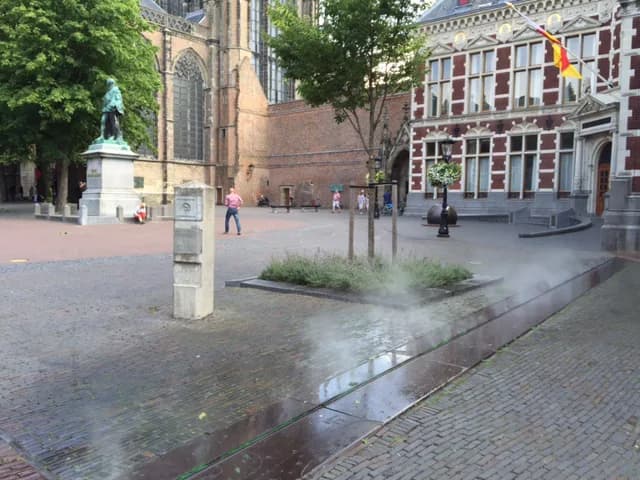
Begin at Domplein, the square in the middle of the old town, where the Dom Tower stands 112 metres tall and remains one of the highest buildings in the Netherlands. The tower survived a fire in 1253 that burned for nine days, and the cathedral beside it, St Martin's, still holds its choir and transept, with the tower standing separate from the nave. Treat the square as your orientation point: everything else in the historic core radiates from here, and you can read the shape of the city before committing to any queue.
The Dom Church is entered from the square, and its cloister garden, the Pandhof, sits alongside it as a walled courtyard of plants, flowers and a statue. It was laid out in the late 1300s and early 1400s, and it is free and open to the public, which makes it the best-value pause in the centre. Drop in after the square rather than before, when you still have the energy for the tower.
Climbing the Dom Tower: the 465 steps and what you get at the top
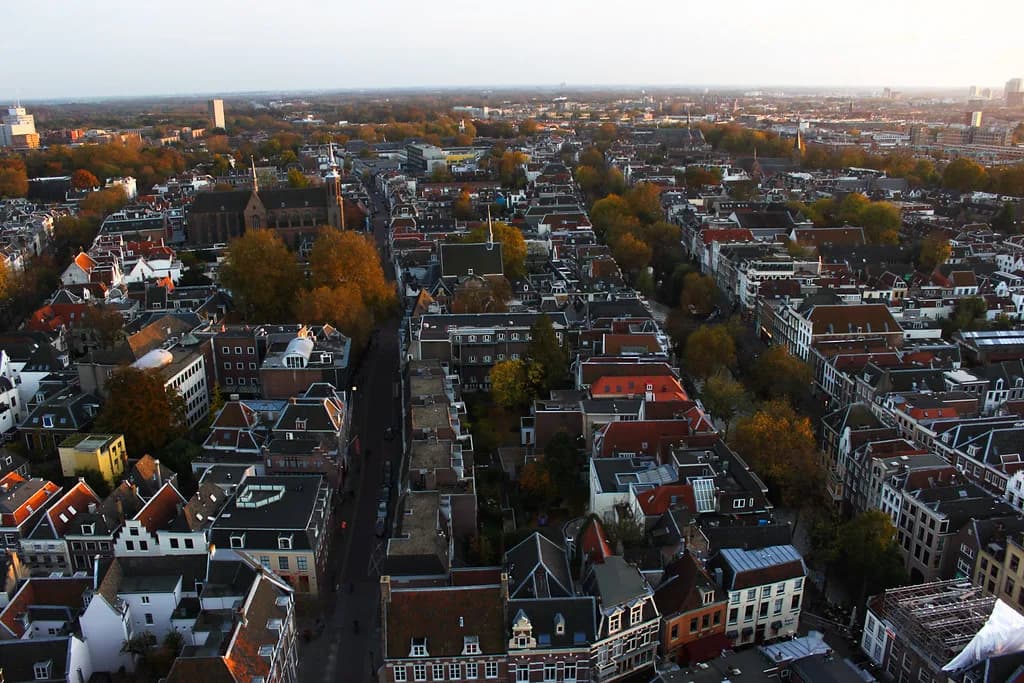
The climb to the top of the Dom Tower runs to 465 steps, and the reward is the widest view over Utrecht's roofs and canals. It is a physical commitment rather than a gentle ascent, so give it a clear slot in the morning when legs are fresh and the rest of the day does not depend on being quick afterwards. Pair it with a slow coffee on Domplein instead of stacking another ticketed sight immediately behind it.
The trade-off is time: the tower and the archaeological tour beneath the same square both eat into a short break, and doing both back to back is a heavy half-day. If your trip is only one day, pick one and leave the other for a return visit. Neither replaces simply standing on Domplein and looking up.
DOMunder: the archaeological tour beneath Dom Square
DOMunder takes you under Domplein for an archaeological tour covering roughly 2,000 years of the city's history, with Roman remains and medieval finds along the route. The published details give opening every day except Monday from 10:30 to 16:30, with an adult ticket at 11 euros and children aged 6 to 8 at 8.5 euros. Treat those figures as the operator's published information and confirm the day you plan to go, since Monday closures are the common trap in Dutch museum planning.
Book the underground tour for the day you are least likely to want a long walk, because it is indoors and undemanding in bad weather. It also works well for mixed-age groups, given the child rate for younger visitors. The catch is that it is a fixed-slot experience, so it anchors your morning rather than filling a gap.
The Oudegracht: walking the wharf cellars and where the canal is at its best
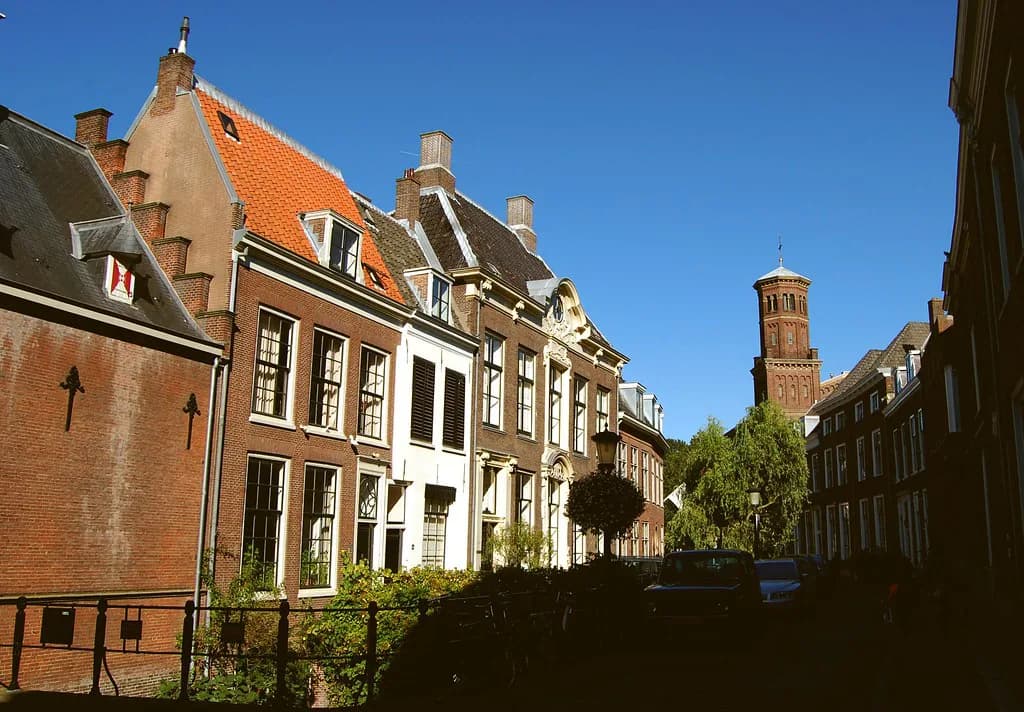
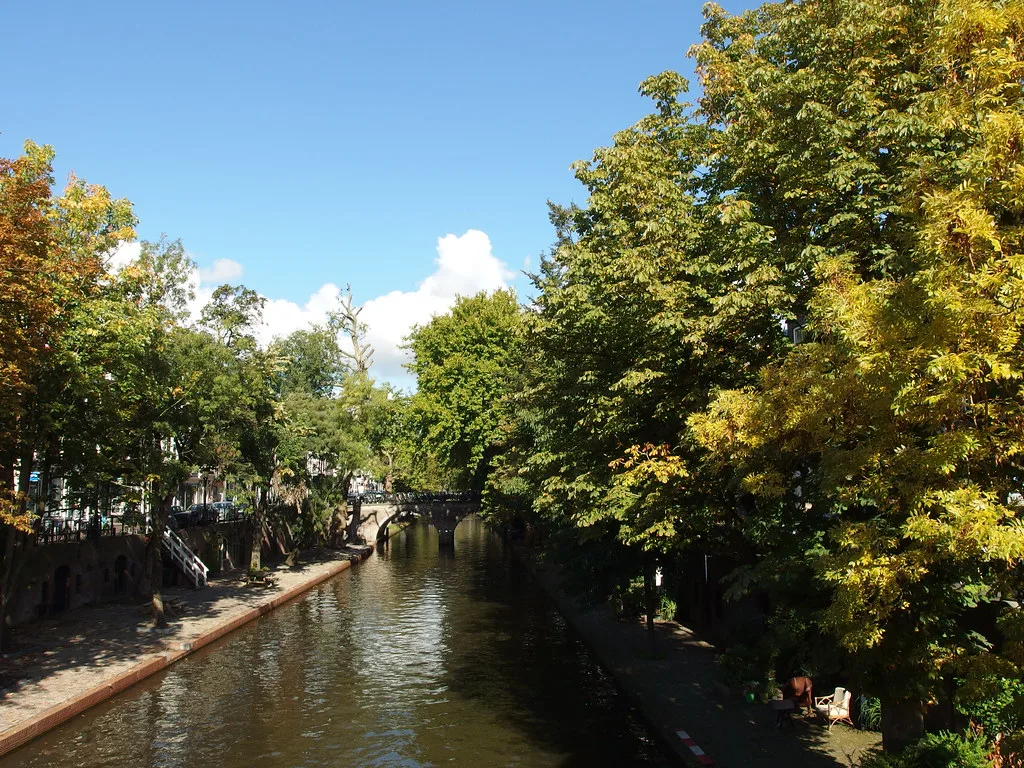
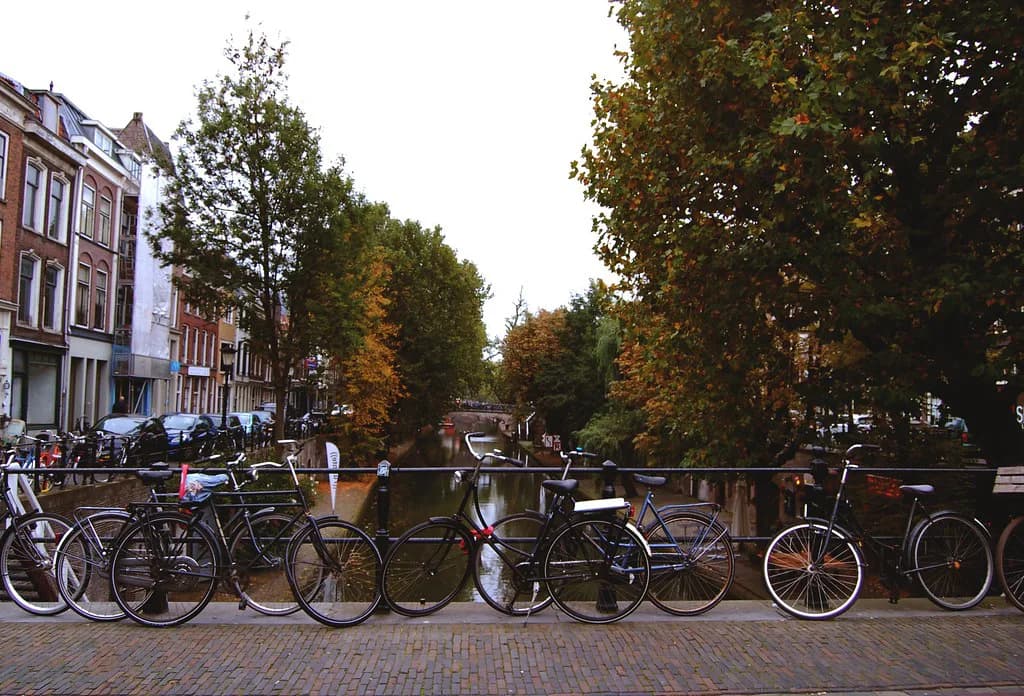
The Oudegracht runs about two kilometres through the centre and is Utrecht's most famous canal, with atmospheric wharf cellars and historic buildings along both sides. What makes it different from a standard canal photo stop is the lower level: the wharves and cellars are the thing to walk, not just to photograph from the street above. Pick one stretch and follow it end to end at wharf level rather than zig-zagging across bridges.
The canal's wharf cellars now hold cafés, shops and terraces, so the route doubles as a browsing walk when the weather turns. Because the canal was the city's main trade route, the street pattern above and below it tells the story of how Utrecht worked. Allow a relaxed hour at wharf level, more if you stop.
Boats on the canals: renting a sloop with or without a skipper
You can hire a sloop on the Oudegracht either self-drive or with a skipper, and from the water the restaurants, cafés and bridges read as a single continuous front. A skipper removes the navigation and bridge-juggling and leaves you with the view; self-drive is cheaper in principle but puts the steering on you. Rates and conditions are set by the operators themselves, so compare at the quay before committing rather than assuming a fixed price.
The Neude and the streets around it
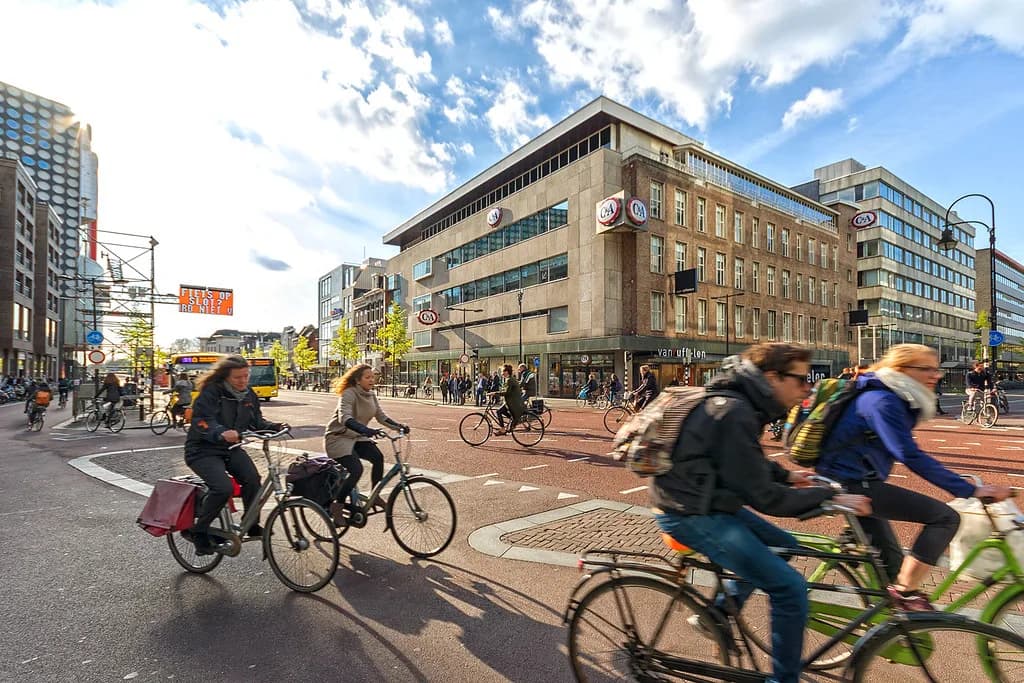
The Neude sits at the heart of the city's shopping and going-out district, and it works as the transition point between the historic core and the modern city. Use it to break the day: it is where you sit down, refuel and decide whether the afternoon goes back to the canals or out towards Lombok. Shopping streets radiate from here, so it is also the natural place to pick up anything you forgot.
Utrecht Centraal sits a short walk from the centre, and the signed route into town passes through a shopping arcade, so arrivals land in the retail district before they reach the old streets. That makes the station-to-Neude stretch a practical first orientation walk rather than a detour.
Lombok and Molenpark: the De Ster windmill and the quieter side of the city
West of the centre, Lombok is a residential neighbourhood of neat streets and green edges where the loudest thing is often a passing bicycle. Molenpark sits here, and the De Ster sawmill, built in 1739, used wind power rather than electricity to cut timber until 1991. Come for the contrast: after the bustle of Domplein, an hour of quiet streets recalibrates the trip.
The windmill is a landmark rather than a full attraction, so treat Lombok as a half-day of walking and park time rather than a ticketed visit. Combine it with the canal walk back into the centre and you have a low-cost afternoon with no booking involved.
Green Utrecht: parks, gardens and the Old Hortus
Beyond Molenpark, Utrecht's botanical garden, the Old Hortus, is a good green stop, and the historic centre itself has plenty of green edges to walk through. The gardens suit the middle of a two-day trip, when you have already done the headline sights and want an unhurried hour among plants rather than another queue.
Utrecht's green spaces work best as connectors: you walk through them on the way somewhere rather than making a special journey. That is also why several of the best ones cost nothing, which matters on a short break where the tower and the underground tour have already taken a chunk of the budget.
Cycling and walking routes from the centre
Utrecht is compact enough to cross on foot, and the historic core rewards walking because the wharf level and the street level are two different routes through the same streets. A marked long-distance walking route, Groene Wissel 483, starts from the city and takes you out into greener surroundings in a single day. If you only have 48 hours, keep the walking inside the centre and save the long route for a return.
Cycling covers the ground between the centre, Lombok and the parks faster than walking, and the flat streets make it genuinely easy. Hire from a shop rather than relying on guesswork about where to pick up a bike, and check the rental terms when you collect.
Museums and how the days of the week shape your plan
Monday is the day that reshapes a Utrecht itinerary: DOMunder closes then, and Dutch museums commonly follow the same pattern, so a Monday start pushes the indoor sights into Tuesday. Build the plan around fixed-opening sights first and let the canals, squares and parks fill the rest. Check the opening day of each museum you want against the day you will actually be in the city.
If you want to see the site's Utrecht Attractions: 12 Visitor Guides before deciding which ticketed sights justify their slot, compare them side by side and pick two for a two-day trip. Timed tickets are worth booking where the operator offers them, particularly for anything underground or up a tower.
How many days Utrecht needs: one, two or three
One day gives you Domplein, the Pandhof, the Oudegracht at wharf level and the Neude, with time for one climb or one underground tour. Two days add the second of those, the Old Hortus and a slow afternoon in Lombok and Molenpark. Three days let you add the Groene Wissel route or a longer cycle out of the centre without rushing any of it.
The honest constraint is not distance but opening days: a Monday arrival costs you an indoor sight, so a two-day trip starting on Monday effectively has less than two full days of museums. Book the fixed slots for the days they are open and leave the walking for the days they are not. That ordering matters more than any packing decision.
Where to start and how the old centre fits together on foot
The city centre is compact and the historic core is best handled as a loop: Domplein, then down to the Oudegracht, along the wharf to the Neude, and back through the shopping streets. Everything on that loop is within easy walking distance, which is why the centre fits into a single day. Start early, because the square and the canal are at their calmest before the terraces fill.
If your trip extends beyond Utrecht, the same rail network puts other Dutch cities within easy reach, and the things to do in Den Bosch make a natural contrast to Utrecht's medieval core. Groningen, further north, rewards a separate trip with its own Grote Markt and museum quarter. Keep Utrecht itself for the walking days. If you plan on foot, the Utrecht Walking Tour gives the old centre a logical order from Domplein to the wharf.
Which Utrecht sight gets your first morning?
Give your first morning to Domplein and the Pandhof, then take the Oudegracht at wharf level in the afternoon when the light is low and the terraces are busy. If you have a second day, choose between the tower climb and the underground tour rather than attempting both, and spend the rest of it in Lombok. That plan fits the shape of the old centre instead of fighting it.
Explore more Utrecht guides
Frequently Asked Questions
Is Utrecht a walkable city?
Yes. The historic core fits into a single loop on foot: Domplein, the Oudegracht wharf level, the Neude and back through the shopping streets. The distances are short and the only real effort is the stair climb at the Dom Tower or the descent into DOMunder. For Lombok, Molenpark and the parks, a bike saves time but walking still works.
What can you do in Utrecht for free?
The Pandhof garden beside the Dom Church is free and open to the public, and walking the Oudegracht wharf level costs nothing. The Neude, Domplein and the streets of Lombok are all free to wander, and the parks are open spaces rather than ticketed attractions. Paid sights such as the Dom Tower climb and DOMunder are the exceptions.
Do people speak English in Utrecht?
English is widely spoken in the Netherlands, and visitors generally manage everyday conversations in shops, cafés and museums without Dutch. It still helps to greet staff in Dutch and ask whether English is fine before launching into a long question.
What food is Utrecht famous for?
Utrecht does not have one signature dish that defines the city, and the eating is spread across the canal-side terraces, the Neude and the streets of Lombok. Use the wharf level of the Oudegracht as your starting point for somewhere to sit, and treat the local bakeries you pass on the walk from the station as the easy stop.
Sources
Notes for your next Dutch city break
Optional updates to our Netherlands guides.
You might also like
Continue reading
More guides you'll find useful