Utrecht Walking Tour: A Self-Guided Route Through the Old Town
A self-guided Utrecht walking tour through the old town, linking the Dom Tower, Dom Church, Pandhof garden and both canals, with a free guided alternative.
On this page
Utrecht rewards a single day on foot, and the compact old town packs the Dom Tower, two canal rings and a medieval garden into one continuous walk from the station. This route runs the stops in walking order so you never double back, and it ends with the choice that shapes the whole day: a free guided tour from Domplein or the Vredenburg Market detour. If you want the wider picture before you start, our guide to the things to do in Utrecht sets the route alongside the rest of the city.
Everything below sits inside the old town, so the route is short on ground even when you linger at each stop. Plan the order, decide your day, and the walking itself takes care of the rest.
What the Utrecht walking tour covers and how long it takes
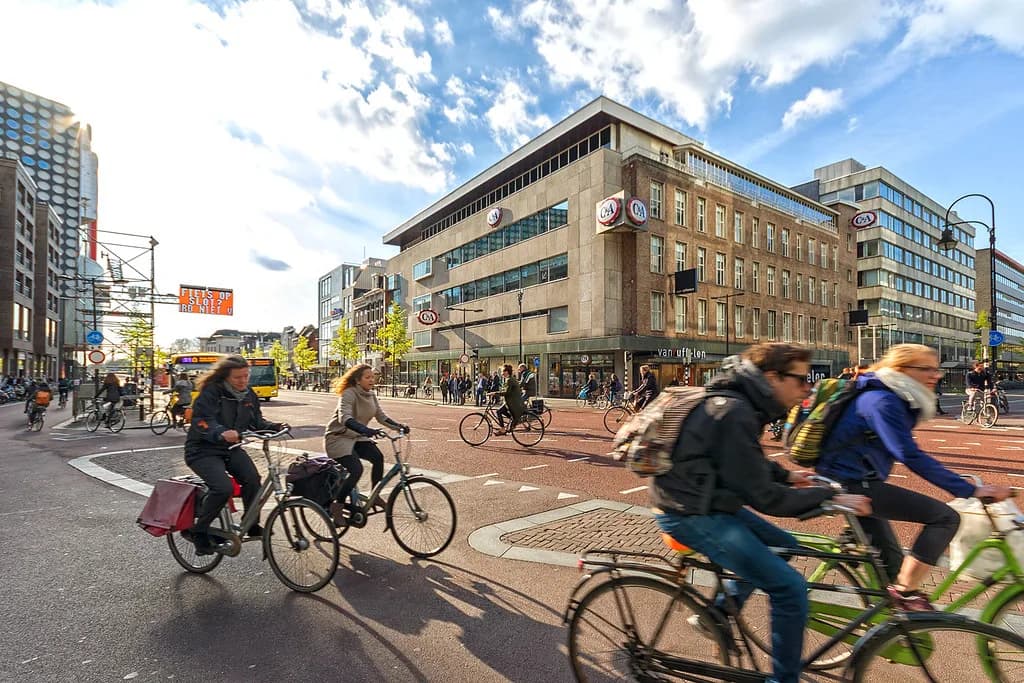
The route links nine named stops: Buurkerk, Maartensbrug, Domtoren, Domplein, Domkerk, the Pandhof garden, Paushuize, Nieuwegracht and Oudegracht. They sit close together inside Utrecht city centre, so the walk is compact rather than a full-day hike, and you can add a tower tour or a church visit depending on how much you want to see inside. Utrecht is compact and easy to explore on foot, which is why so much fits into one loop.
Use the route as a spine rather than a strict script. Wander the alleys between points and shift stops back if a canal-side terrace or a church interior holds you longer. The whole point of Utrecht's scale is that the sights stay within easy reach of each other.
Starting point: walking from Utrecht Centraal into the old town
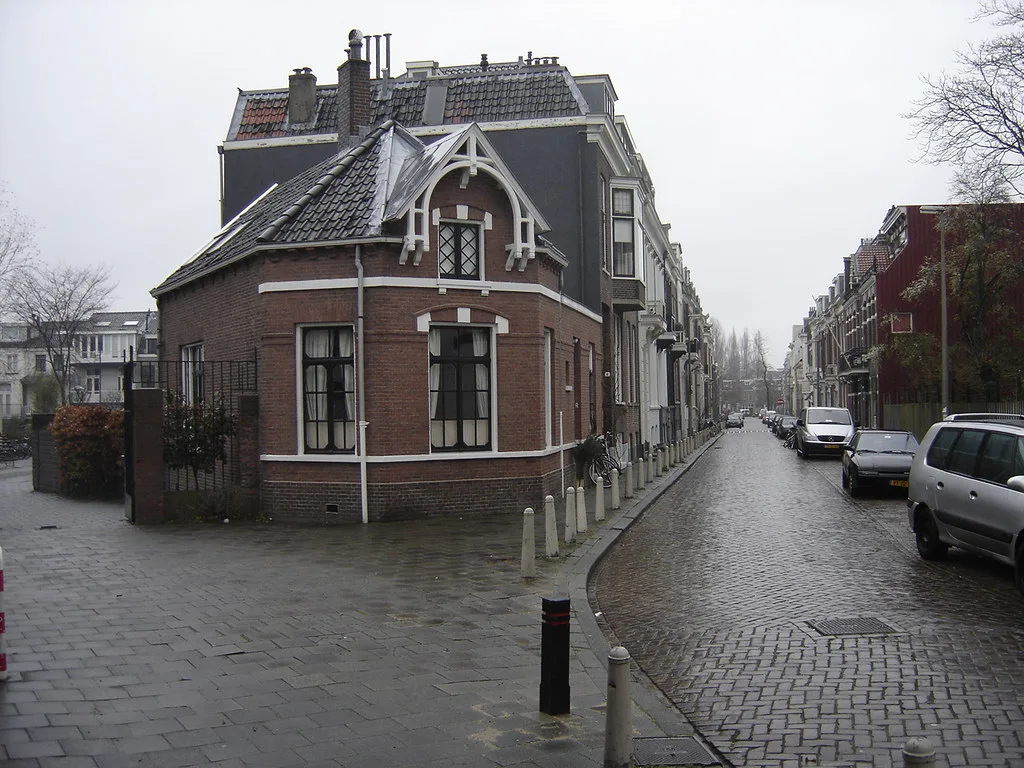
Begin at Utrecht Centraal and walk straight into the old town towards Buurkerk. The station sits on the western edge of the centre, so this first stretch is the natural way in, and the streets get narrower and older as you go. Trains from Amsterdam Centraal take around 30 minutes, with several departures every hour, which makes Utrecht a realistic day out even if you are based in the capital.
Stop 1: Buurkerk
Buurkerk, the Neighbour Church, is your first landmark and a relatively modest one compared with the Dom. It sits on the edge of the old town where the shopping streets begin, and its brick tower marks the transition into the historic core. Treat it as a waypoint: take the exterior in, then continue towards the canals. If the weather turns wet, the covered streets around here give you a dry line back towards the station.
Stop 2: Maartensbrug
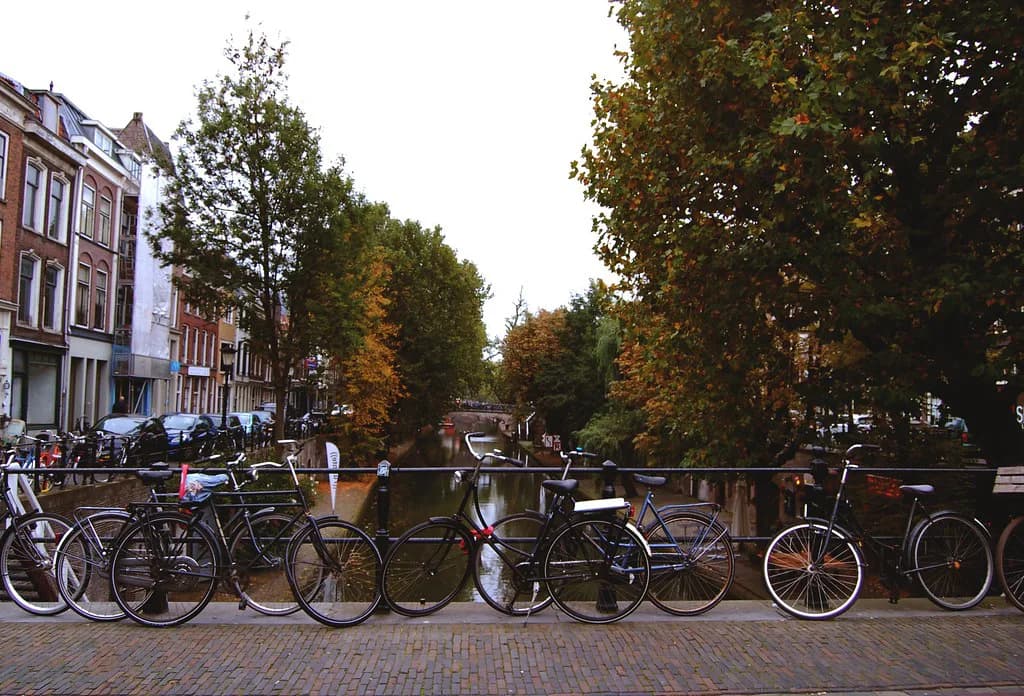
Maartensbrug, Martin's Bridge, crosses the Oudegracht and gives you the classic Utrecht view: a low brick arch over the canal with the wharf level running beneath the street. This is the first of several water crossings on the route, and it sets up the two canal stops at the end. Pause on the bridge and look along the channel in both directions before moving on.
Stop 3: Domtoren (Dom Tower)
The Domtoren dominates the skyline from almost every point in the old town, and reaching its base on Domplein is the moment the route pays off. Climbing takes a guided tour, so decide at the base whether you are booking one or admiring the tower from the square. Check the tower's own ticketing before you commit to a climb, because the slots are the part of the day that needs forward planning.
Walking past the tower without going up is a perfectly good choice. The square itself is the reward for most visitors, and the tower stays visible from the rest of the route afterwards.
Stop 4: Domplein
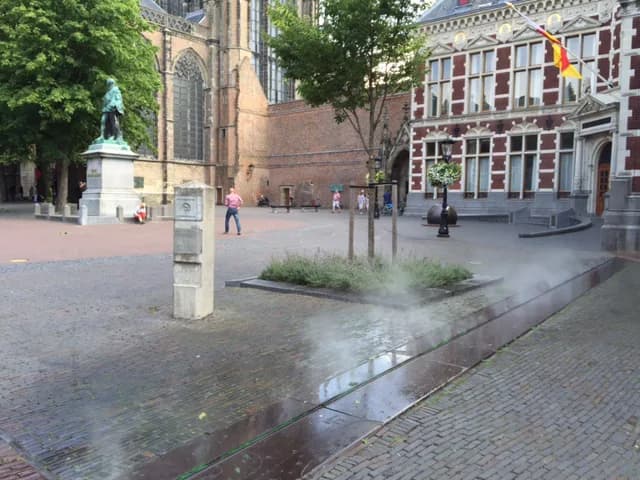
Domplein, Cathedral Square, is where the city's history stacks up in layers, with the tower at one end and the church at the other. It is also where the free walking tour meets, which makes it the natural spot to switch from self-guided to guided. If you are weighing the two, the square is the place to decide.
Stop 5: Domkerk
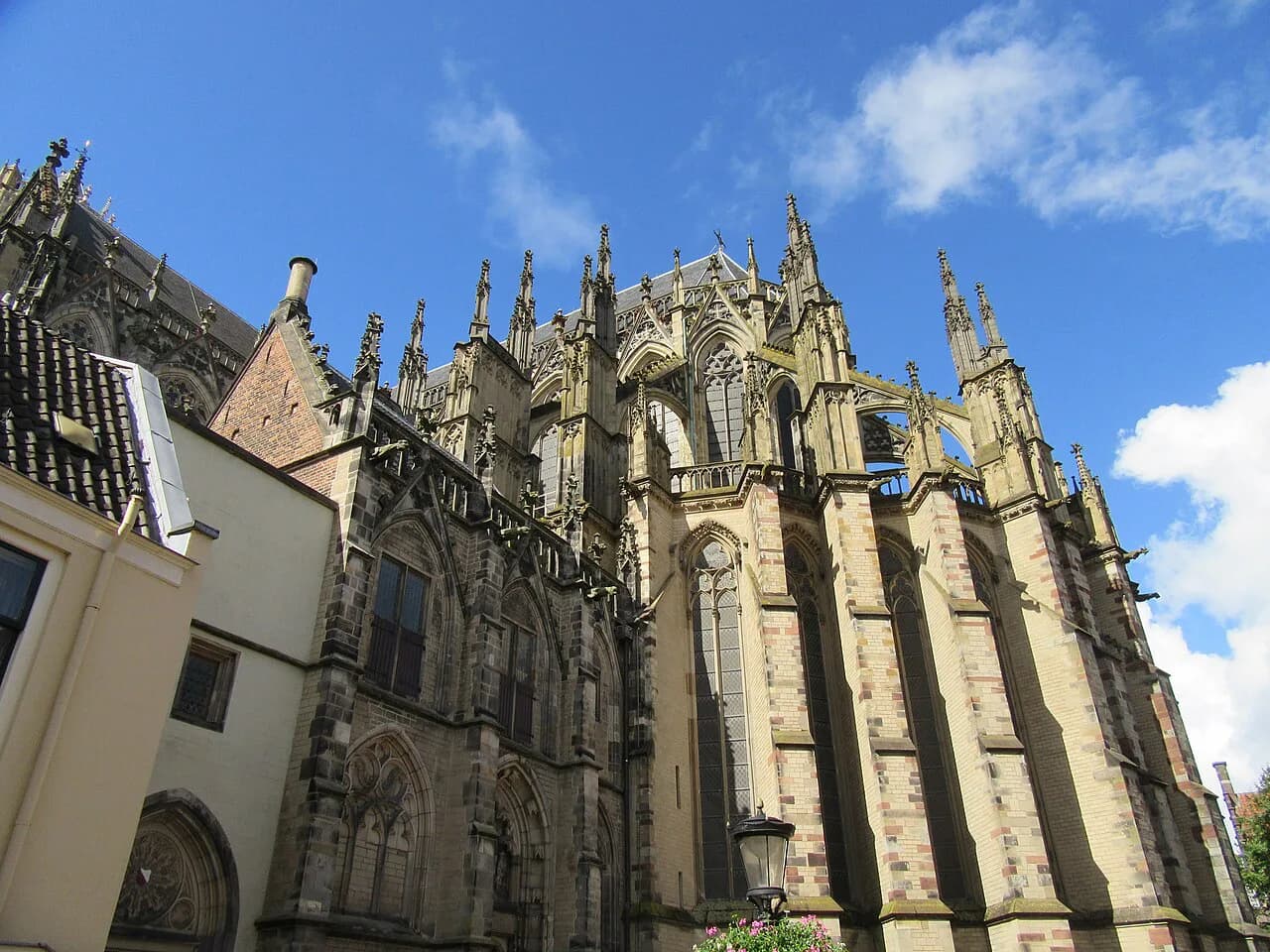
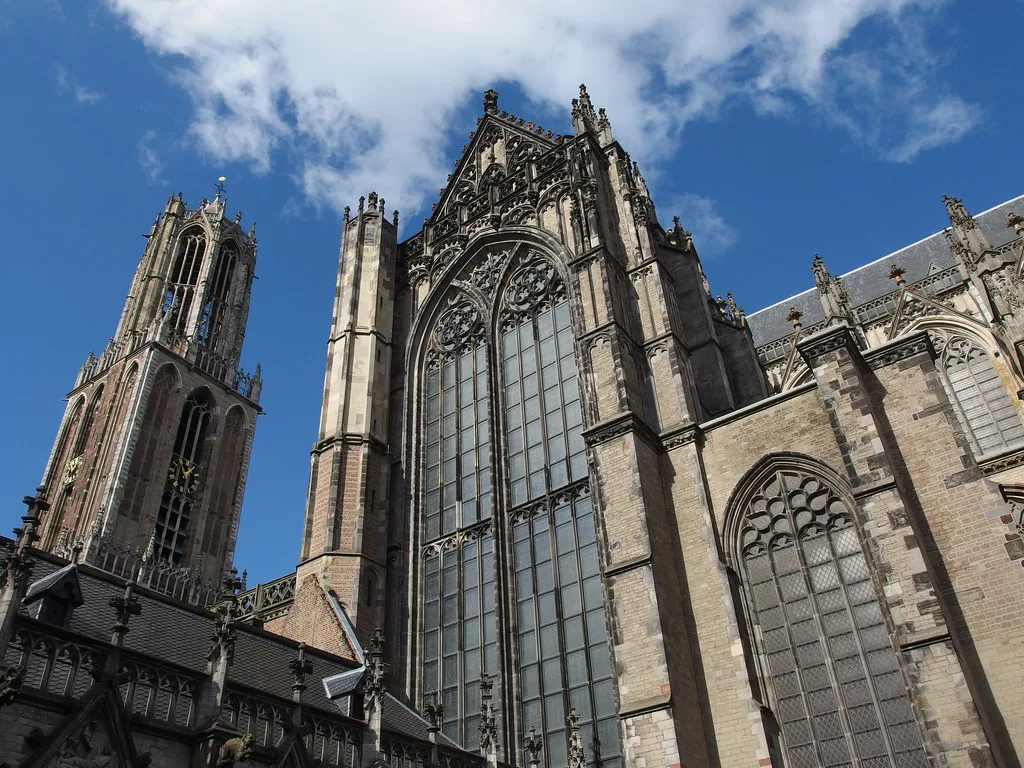
Domkerk, the Dom Church of St Martin, sits beside the tower and opens onto the square through its surviving nave. The building is the counterweight to the climb: you get the interior and the scale without the steps. Opening times vary, so check before you set out, and leave the length of your stop flexible.
Stop 6: Pandhof garden
The Pandhof garden, tucked beside Domkerk, is the quietest stop on the route and the one most people miss when they walk past the church without looking. It is a cloister garden of clipped hedging and stone arcades, and it takes ten minutes to see properly. Use it as your breather before the canals, because the second half of the route is busier.
Stop 7: Paushuize
Paushuize, the Papal House, sits on the Nieuwegracht side of the old town and marks the turn from the Dom precinct towards the canals. It is an exterior stop rather than a museum, so build it into the walk as a point on the way rather than a destination in itself. The streets here are calmer than the shopping lanes near the station.
Stop 8: Nieuwegracht
Nieuwegracht, the New Canal, is the more residential of the two canals and the more atmospheric for a quiet walk. The quay walls, cellars and small bridges make it a natural stretch to slow down and look at the water, and it is the best part of the route for photos without crowds in the frame. Take this stretch before the Oudegracht, which picks up the energy of the city.
Stop 9: Oudegracht and the wharf level
Oudegracht, the Old Canal, is the final and most famous stop, distinctive for its two levels: the street above and the wharf level below, where brick vaulted cellars open directly onto the water. Drop down to the wharf and walk a stretch at the lower level to see the canal from the angle that makes Utrecht different from other Dutch cities. Wharf cellars now hold cafes and small businesses, so the lower path stays lively as the day goes on.
Vredenburg Market as a detour: Wednesday, Friday and Saturday
Vredenburg Market, Utrecht's largest, runs on Wednesdays, Fridays and Saturdays, so it works as a detour from the route rather than a stop you can count on any day. It sits back towards the station side of the centre, which makes it an easy addition at the start or a natural finish on the walk back. Plan it into the route only if your day lines up with one of those three market days.
Walking the route in reverse or cutting it short
The route works just as well in reverse: start at Oudegracht, climb to the Dom precinct and finish at Buurkerk near the station. The reverse direction has the advantage on a busy Saturday, because you reach the canal wharves before the afternoon crowds settle in along the water. Do this if you arrive late or plan to stop for a meal near the end.
To cut the route short, drop Paushuize and Nieuwegracht and go straight from the Pandhof garden to the Oudegracht. You keep the tower, the church, the garden and the canal, which is the tightest version of the walk that still covers the city's main set pieces. If shopping is part of the day, the streets by the station give you a separate short loop.
Guided alternatives: the two-hour free walking tour from Domplein and the paid local walking tour
Free Walking Tour Utrecht runs a two-hour walk with local guides, meeting at Domplein; you reserve a place from the live calendar and pay a €2 booking fee. The meeting point sits exactly where the self-guided route reaches Stop 4, so the two fit together neatly: walk the route yourself, or join the guided group for the first half of the day.
A paid local walking tour is the other option, covering the historic centre with stories and corners a self-guided route tends to skip. It is worth the money if you want interpretation rather than simply the sights, and it pairs well with an independent wander afterwards. Travellers comparing the two often find the guided hour or two gives context for the rest of the day.
When to walk it: weekday versus Saturday crowds
Weekdays are calmer and Saturdays are significantly busier, largely because the markets bring people into the centre. A Wednesday or Friday gives you the market without the Saturday crush, which makes either a good choice for the full route. Utrecht in April and Utrecht in October both suit this walk, and the best time to visit Utrecht page covers seasonal trade-offs in more detail.
If you are in the city on a Saturday anyway, walk the route in reverse and start early at the canals to stay ahead of the crowds. Weather-wise the walk is comfortable in any season, but the gardens and canal wharves are at their best when the leaves are green or turning. In summer the canal-side terraces fill up, so build extra time into the Oudegracht stop.
Self-guided walk or guided tour: which to choose
Choose the self-guided route if your priority is seeing the sights at your own pace and you are happy to research the Dom Tower and church visits yourself. It costs nothing beyond what you spend inside the sights, and it keeps the day flexible if a stop holds you longer. Choose the two-hour free walking tour from Domplein if you want local commentary and a fixed shape to the day, and budget the small booking fee.
Whichever you pick, the route fits comfortably into one day in Utrecht and leaves room for the market on a Wednesday, Friday or Saturday. Walk it in the order above on a quieter weekday and in reverse on a busy weekend, and the compact old town does the rest.
Explore more Utrecht guides
Sources
Notes for your next Dutch city break
Optional updates to our Netherlands guides.
You might also like
Continue reading
More guides you'll find useful