Utrecht Markets: Days, Squares and What Each One Sells
Utrecht holds markets across the week: the organic farmers' market every Friday on Vredenburgplein, Janskerkhof's flowers and the Breedstraat fabric market.
On this page
Utrecht holds markets across the week, so a Saturday-only plan misses the Friday farmers' market on Vredenburgplein and the fabric market on Breedstraat. Saturday is still the big day, when the inner city holds six different markets, all within walking distance of each other. This guide sets out which market sits on which square, what is sold and how to pair a market morning with the rest of your trip.
Most of the action sits inside the old centre, between Vredenburg, Janskerkhof and Breedstraat, which keeps walking distances short and lets you combine two or three markets in a single morning. If you are still choosing what to see beyond the stalls, start with the wider list of things to do in Utrecht and treat the markets as one strand of a city break rather than a whole day.
Which markets does Utrecht hold in a normal week, and on which days
The organic farmers' market runs every Friday on Vredenburgplein, and the Janskerkhof flower market brings fresh flowers and plants to a central square. Those two alone justify a Friday in town, when you can combine the farmers' market with a wander through the surrounding streets.
On Saturdays the inner city holds six different markets, all within walking distance of one another. The published roster covers a flower market, a regional produce market, the Lapjesmarkt, a stamp and coin market, a second-hand market and a general goods market. Browsing is concentrated on Saturday, with one or two markets carrying the rest of the week.
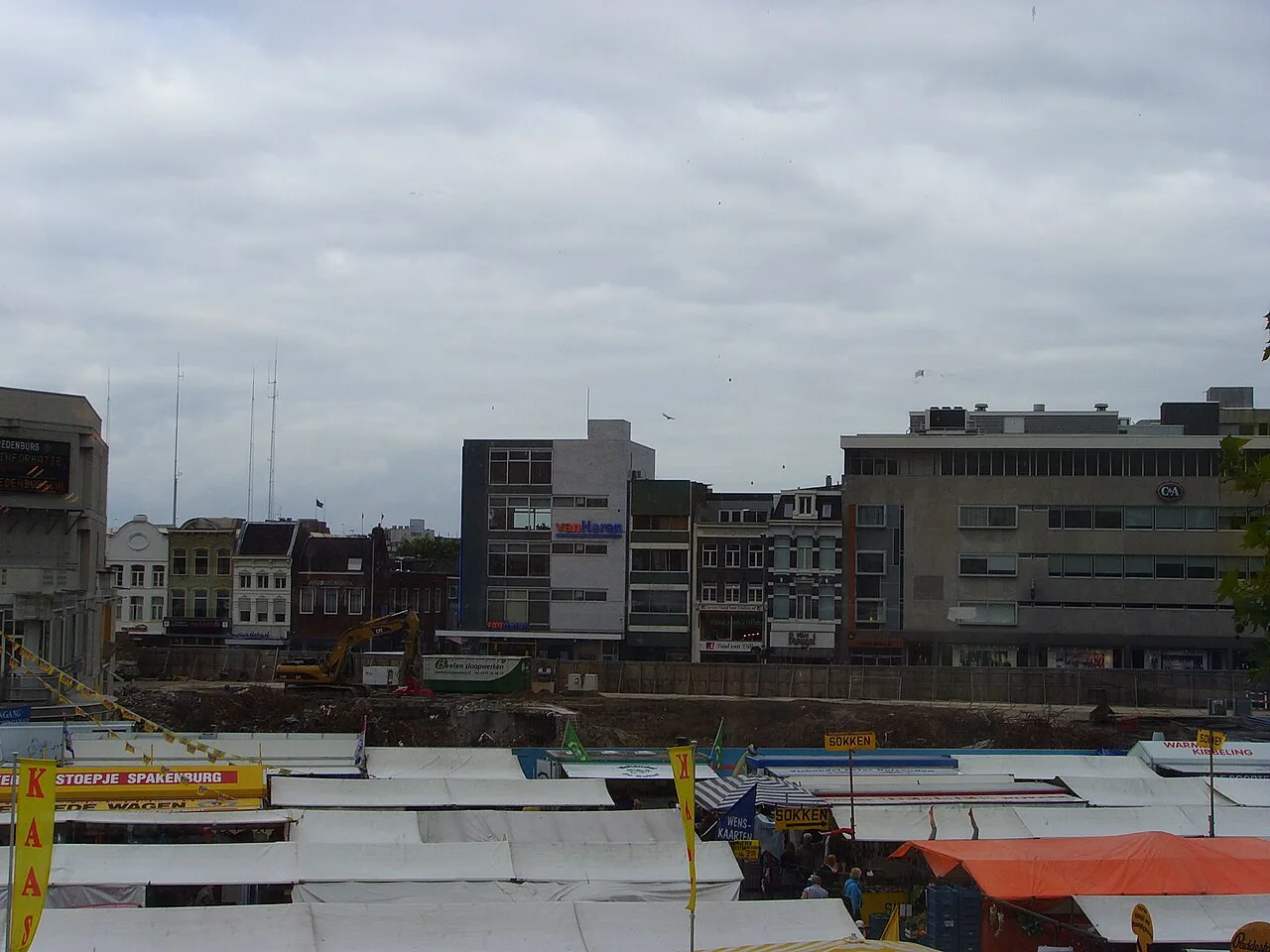
Vredenburg and Vredenburgplein: the general street market and the Friday farmers' market
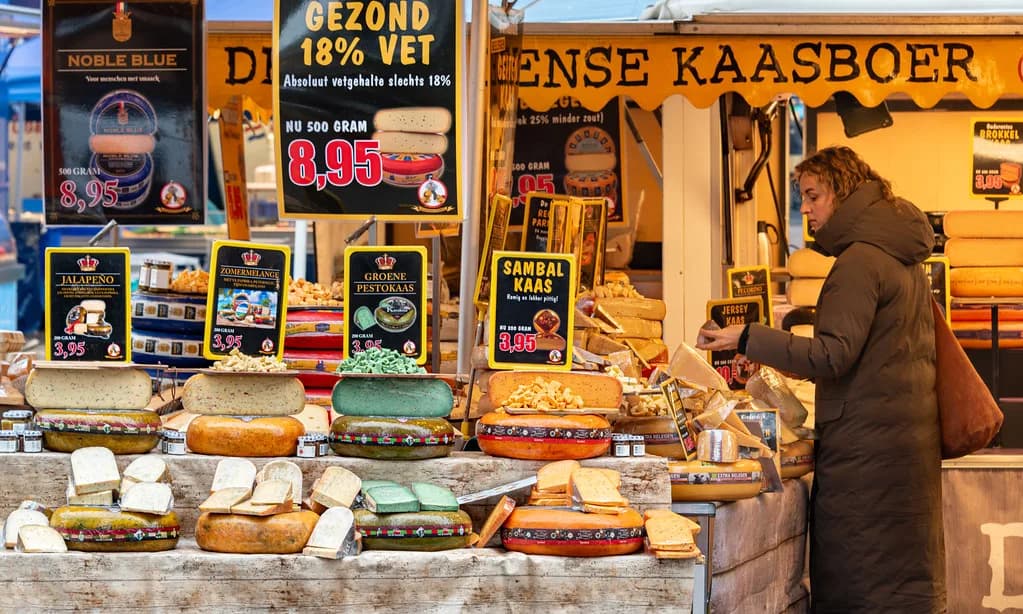
Vredenburg is the workhorse of Utrecht markets: a typical Dutch street market with stalls spread across fruit, vegetables and general goods. The market is held on the Vredenburg, one of the central squares where the city's market life is concentrated, and the farmers' market of the same name sits on Vredenburgplein.
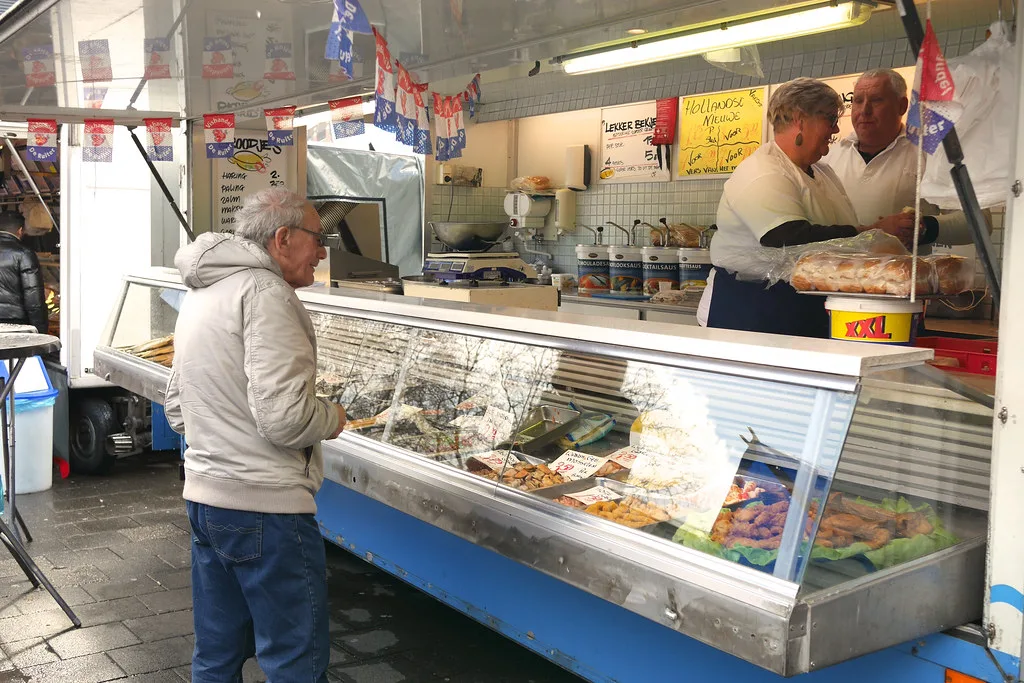
The same broad area hosts the organic farmers' market every Friday, which shifts the emphasis to fresh farm produce in the middle of the city. If your trip includes a Friday, come here first: the produce stalls reward an early start, and the rest of the centre is a short walk away. For the shopping side of the city beyond food, our guide to shopping in Utrecht covers the streets and arcades around this corner.
Janskerkhof flower market: what is sold and why it suits a city-centre stroll
The flower market on Janskerkhof is the most photogenic of the central markets: fresh flowers and lush plants, aimed squarely at plant lovers and anyone furnishing a Dutch interior. It is a small, focused market rather than a long browse, so pair it with something nearby instead of making it the morning's only stop.
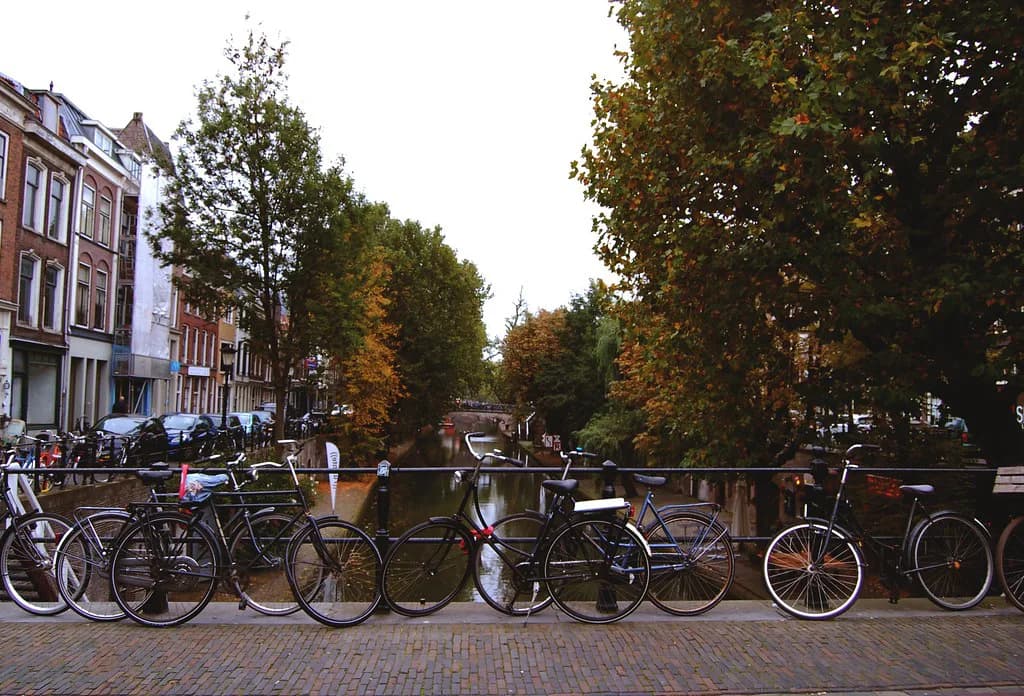
Janskerkhof is a central square that makes the flower market a natural stop before a walk along the Oudegracht. A short browse among the stalls, then a coffee and a wander is the honest shape of it. The canal ring and its wharf cellars are within reach of the centre, and the Utrecht canals guide maps that walk if you want a route.
Breedstraat fabric market: the country's biggest and oldest textile market, and who it is for
The fabric and textile market on Breedstraat is billed as the biggest and oldest of its kind in the Netherlands, and the Lapjesmarkt name is the one you will see on local listings. It is a specialist textile market, so it rewards travellers with an interest in fabric and Dutch textile trading rather than casual browsers.
Breedstraat sits in the old centre, an easy add-on to a flower-market stop on Janskerkhof. The Lapjesmarkt is named among the six inner-city markets that operate on Saturdays, so the fabric market is worth checking when you plan the Saturday circuit.
Saturday in the centre: six markets within walking distance of each other
Saturday turns the old centre into a single market circuit. Six markets operate within walking distance of one another, spanning flowers, regional produce, textiles, stamps and coins, second-hand goods and general wares. Plan the loop rather than individual outings: start at Vredenburg, cut through to Janskerkhof and Breedstraat, and finish wherever your interest lies.
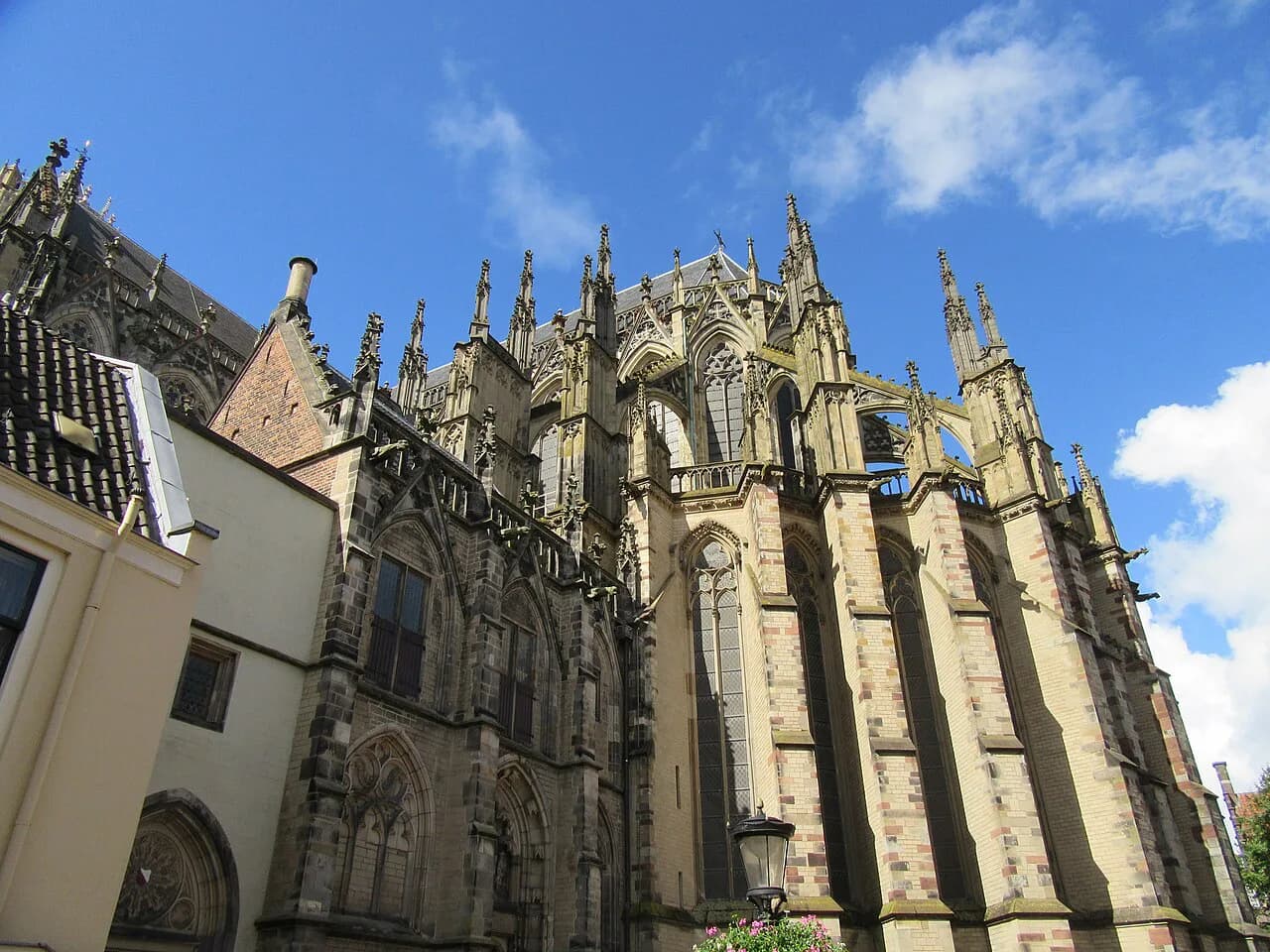
The distances are short enough that a walking tour of the centre and a market morning are the same outing. If you want the history behind the squares, a Utrecht walking tour slots naturally between stalls, and the Dom Tower is the obvious landmark to orient yourself by when the streets fill up.
The Lapjesmarkt and the second-hand and stamp-and-coin markets
The Lapjesmarkt is the local name for the Breedstraat textile market, and it is the specialist stop of the Saturday circuit. The second-hand market and the stamp-and-coin market sit alongside it on the Saturday roster, and both reward the kind of unhurried browsing that a fixed itinerary tends to squeeze out.
Stamp and coin stalls are a niche pleasure, so treat them as an optional loop rather than a must-see. If your group splits, one can browse the textiles while the other heads for the general market on Vredenburg and meets back on the square. The Utrecht City Centre guide covers how the streets connect if you want to pre-plan the meeting point.
Markets versus Utrecht's museum days: fitting a market morning around Monday closures
Markets are concentrated on Friday and Saturday, so a Monday trip will not catch the Friday farmers' market or the Saturday market day. On a Monday, use the centre's streets, squares and churches instead, and check individual museum pages for opening days rather than assuming, since schedules vary by institution.
A sensible split puts markets in the morning and museums in the afternoon on open days, leaving Monday for the centre's streets and church squares. If your trip is short, decide early whether markets or museums get the prime slot and build the other around it, and factor in that the strongest market days fall on Friday and Saturday.
How long a market visit takes and how to link two markets on foot
Set aside a relaxed morning rather than racing between squares: the general market on Vredenburg and the flower market on Janskerkhof are close enough to combine on foot, leaving the afternoon free. The Saturday circuit takes longer simply because there is more to see, not because the distances grow.
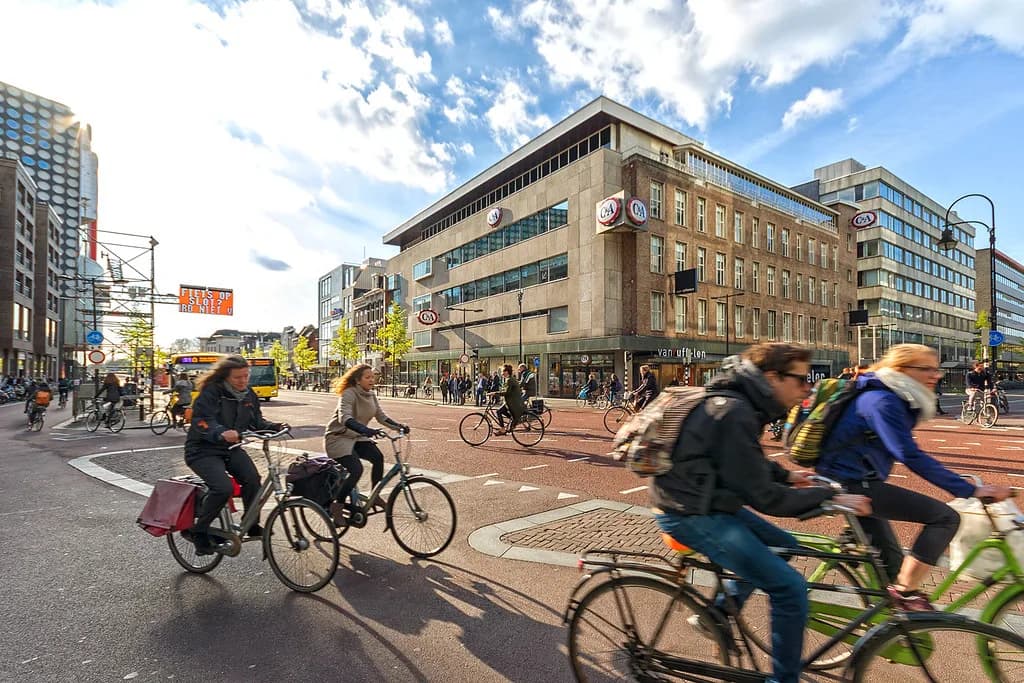
Walking beats cycling for the central markets: the squares are close, bike parking near the stalls is awkward and you will stop constantly. Keep a bike for the wider city on another day, and use our Things to Do in Utrecht guide when you want to reach the parks and outer neighbourhoods. Between markets, the compact centre makes an obvious pairing with an afternoon walk.
Trade-offs: crowded Saturdays, thin weekday choice and weather
Saturday brings the busiest day on Vredenburg and Breedstraat. Other days are quieter but offer a thinner market choice. The farmers' market runs every Friday, and Saturday is the day the inner city holds its six markets, so those are the two days to build a market morning around.
Weather decides how long you linger, since these are open-air stalls rather than covered halls. Drizzle and showers are easy enough with a waterproof and short hops between squares, but a wet Saturday is no fun on a narrow street like Breedstraat.
Which market day suits your trip?
Choose Friday if you want the farmers' market on Vredenburgplein, or Saturday if you want the full six-market circuit and can handle the bustle. If you are in town outside those two days, plan the centre's streets, squares and museums instead of expecting the full market roster.
Whichever day you pick, keep the morning for stalls and the afternoon for the Oudegracht and the squares between them. If markets are only part of the plan, the free things to do in Utrecht guide fills the gaps without spending.
Explore more Utrecht guides
Sources
Notes for your next Dutch city break
Optional updates to our Netherlands guides.
You might also like
Continue reading
More guides you'll find useful