Shopping in Utrecht: Streets, Malls and Markets
Plan shopping in Utrecht with this practical guide to the main shopping streets, Hoog Catharijne mall, markets and Dutch souvenirs, plus how long it takes.
On this page
Shopping in Utrecht takes about half a day, split between one large indoor mall at the station and the old-centre streets that run beside the Oudegracht. Hoog Catharijne sits directly against Utrecht Centraal and holds roughly 130 shops plus around 37 places to eat and drink, so it is the obvious first stop if you arrive by train. This guide covers what each area is good for, which souvenirs are worth carrying home, and how to keep shopping from swallowing the rest of your Things to Do in Utrecht list.
The main decision is not which shop to visit but which kind of shopping day you want: airy, weather-proof and efficient under one roof, or slower browsing along historic streets with the Domtoren overhead. Pick one as the backbone of your block and treat the other as a bonus.
Utrecht shopping in brief
Utrecht's retail is concentrated in two zones within easy walking distance of each other. The station side is dominated by Hoog Catharijne, a covered complex with fashion, toys, perfume, phone and photo services, plus food and drink outlets. The old centre is where the streets narrow and the shopping turns independent.
For a one- to three-day city break, that pairing is unusually convenient: you can shop in the rain without a coat and still be on the Oudegracht ten minutes later. The city centre is compact enough that you never need transport between the two, which is why shopping slots neatly into a morning rather than a whole day.
Hoog Catharijne: the mall beside Utrecht Centraal
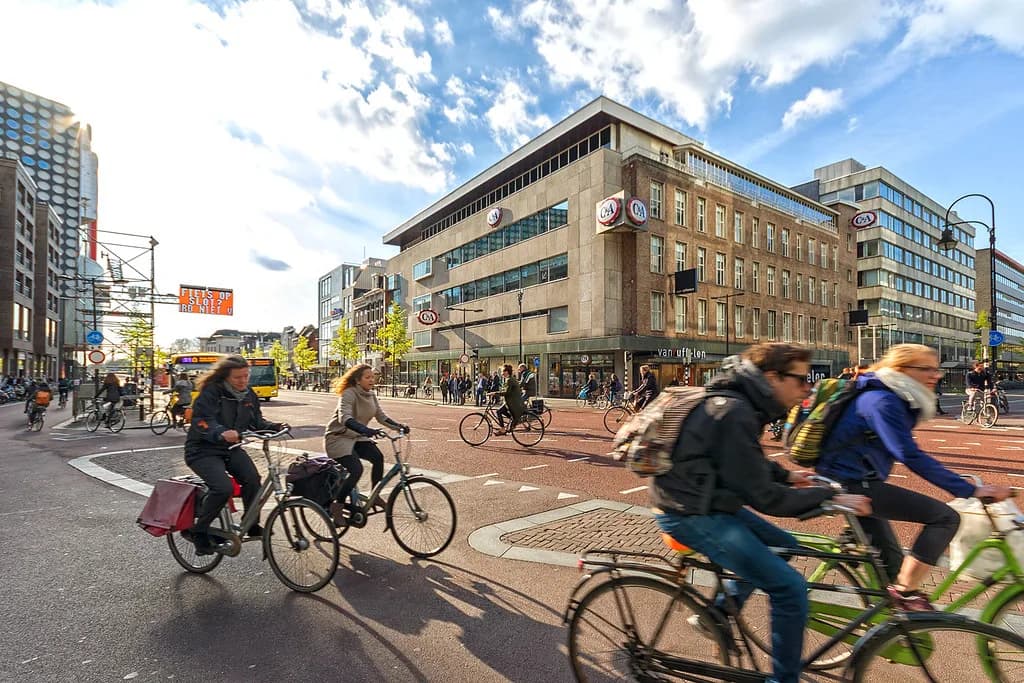
Hoog Catharijne is a shopping centre built over and around Utrecht Centraal. Its own site lists around 130 shops and 37 food and drink outlets, spanning high-street names, a toy shop, perfumery and practical services such as a photo service, public toilets and seating areas. Car parks P3, P4 and P5 serve the complex if you arrive by car.
Treat it as a functional stop rather than a sight: it is where you buy the things you forgot, escape a downpour, or kill an hour before a train. The mall publishes its opening times and a full shop directory on its own site, so check the day you plan to visit rather than assuming a late start or a Sunday opening.
Why the mall is a shortcut trap
Hoog Catharijne is the shortest route from the station towards the old centre, and that is exactly the problem. Its size and the number of familiar brands make it easy to lose an hour or two before you have seen a single canal, which matters on a short break where the Domtoren and the wharves are the real draw.
The practical fix is to decide in advance whether the mall is a shopping destination or a corridor. If you only want the centre, walk through without browsing and save the shops for a wet afternoon; if you genuinely want to shop, give the mall a fixed time box and leave.
The old-centre streets around the Oudegracht
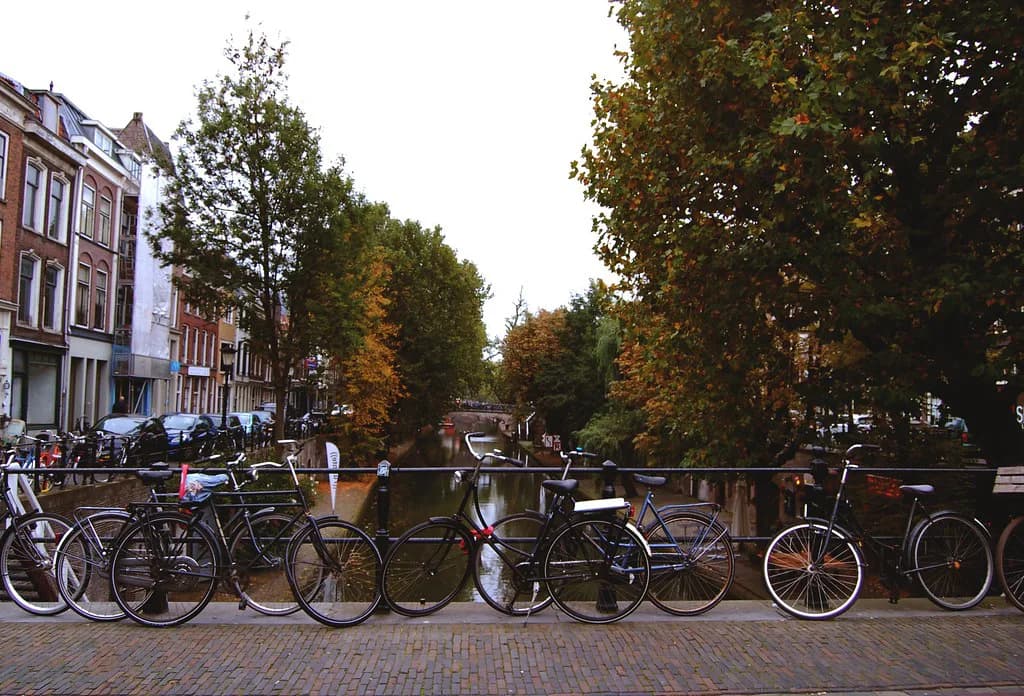
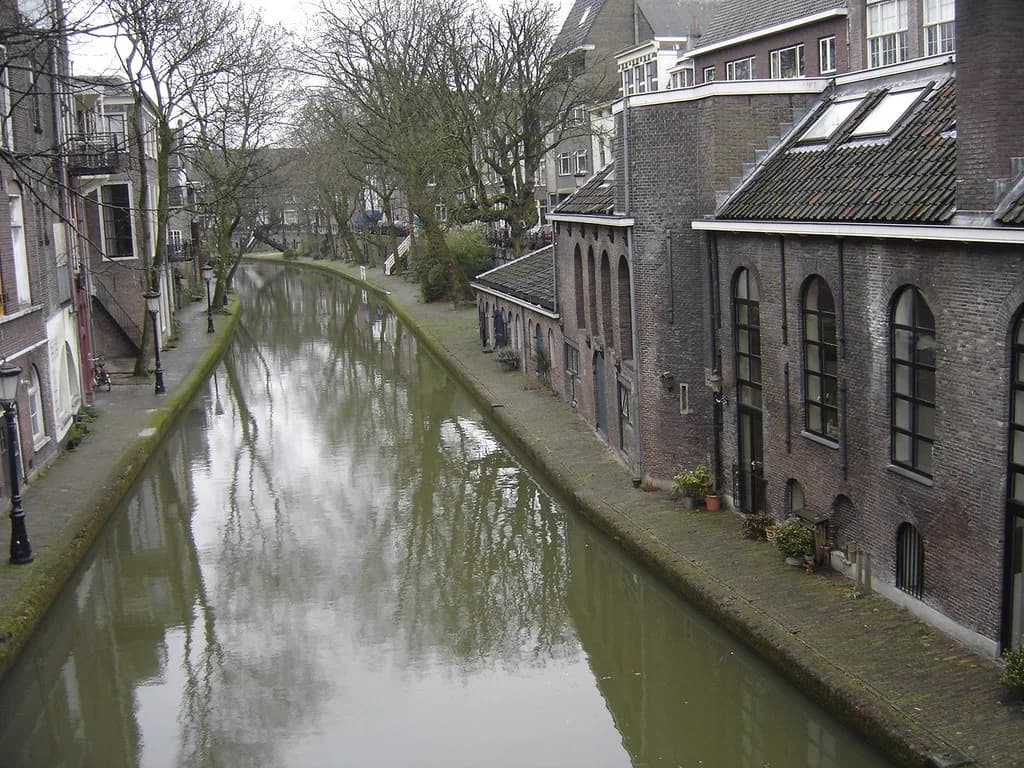
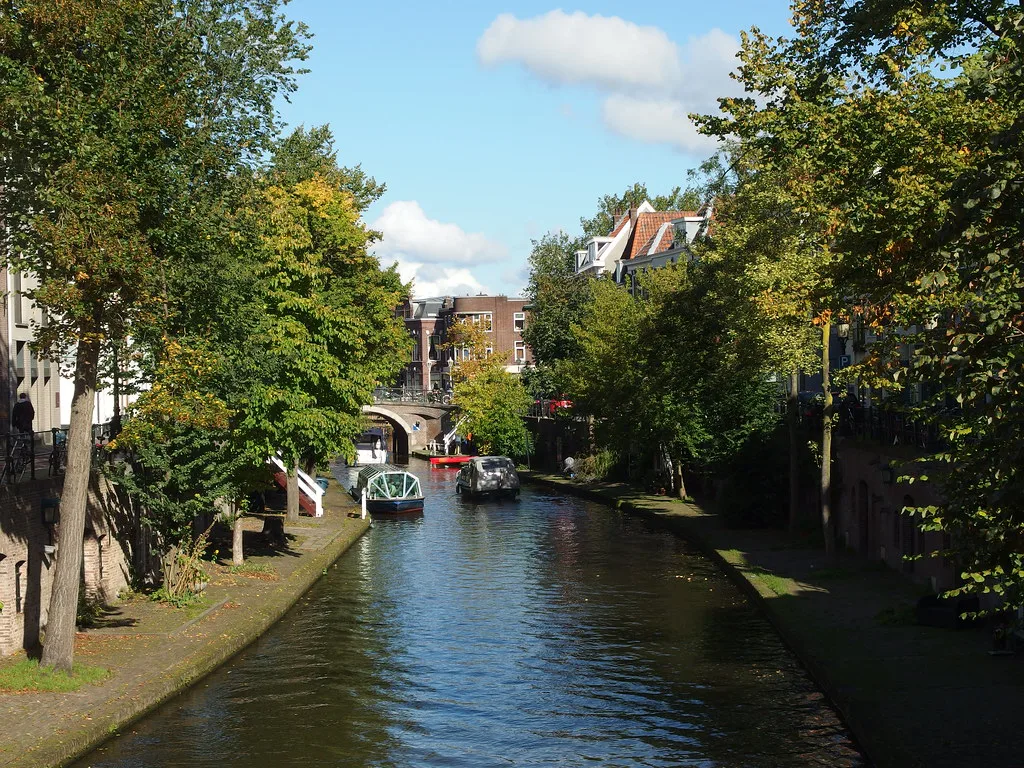
The old centre's shopping runs through the streets around the Oudegracht, the main canal that curves through the middle of the city, with smaller shops on the side streets. This is where browsing pays: the smaller, independent stores reward wandering rather than a list.
The Oudegracht is also the city's signature sight, with wharf cellars and terraces at water level, so shopping here doubles as sightseeing. Allow an easy couple of hours to cover the stretch between Ganzenmarkt and the Domplein area without rushing, and expect to stop more often than you planned.
Walkers who want structure can combine the shopping streets with the main sights on a single loop. A Utrecht walking tour route takes in the Domplein, the Pandhof van de Dom and the canal ring in sequence, so the shops become punctuation rather than the purpose.
Indoor comfort versus outdoor browsing
The honest trade-off is weather against atmosphere. Hoog Catharijne is warm, dry and level, with toilets and seating, which makes it the sensible choice on a cold or wet day, especially with children or luggage. The old-centre streets are prettier and more distinctive, but Dutch rain and wind make uncovered browsing miserable, and the cobbles are hard on wheeled bags.
The best compromise is to check the weather before you commit and let it decide the order, not the content: mall first when rain is forecast for the afternoon, streets first when it is dry. The best time to visit Utrecht for mild, walkable conditions shapes this decision more than any shop list.
Dutch souvenirs and design buys worth the space
For a readable souvenir, look for Dutch-language titles or English editions about the city, and keep the haul light enough to carry. Small, packable items suit a short break better than anything bulky that has to be checked in.
Skip anything bulky or fragile and think about your airline's cabin limits before you buy. A guidebook or a box of Dutch biscuits travels far better than ceramics, and the money saved on baggage fees is better spent on a canal boat trip or an extra museum ticket.
Timing a shopping day around late Monday openings
Monday morning is the weak point of many Dutch shopping plans: shops often open late, and museums often close altogether. Hoog Catharijne publishes its own opening times, and individual street shops set their own, so treat Monday morning as a slow start and give it to the Domtoren climb or a canal walk instead of retail.
Markets are the other timing question, since market days vary. Utrecht market days are worth checking before you build a morning around them, because a market can transform a street you had planned to browse.
Fitting shopping around the sights
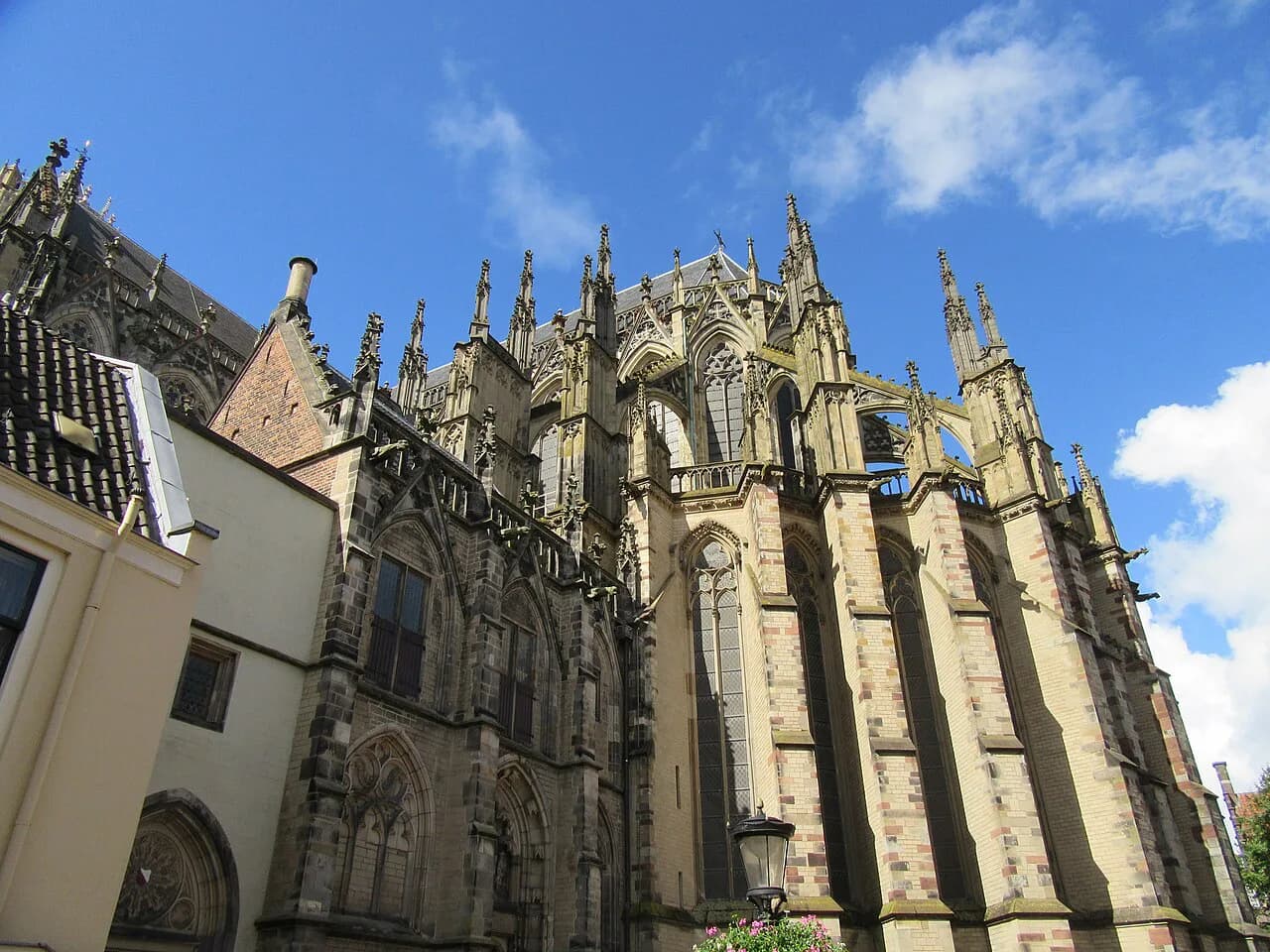
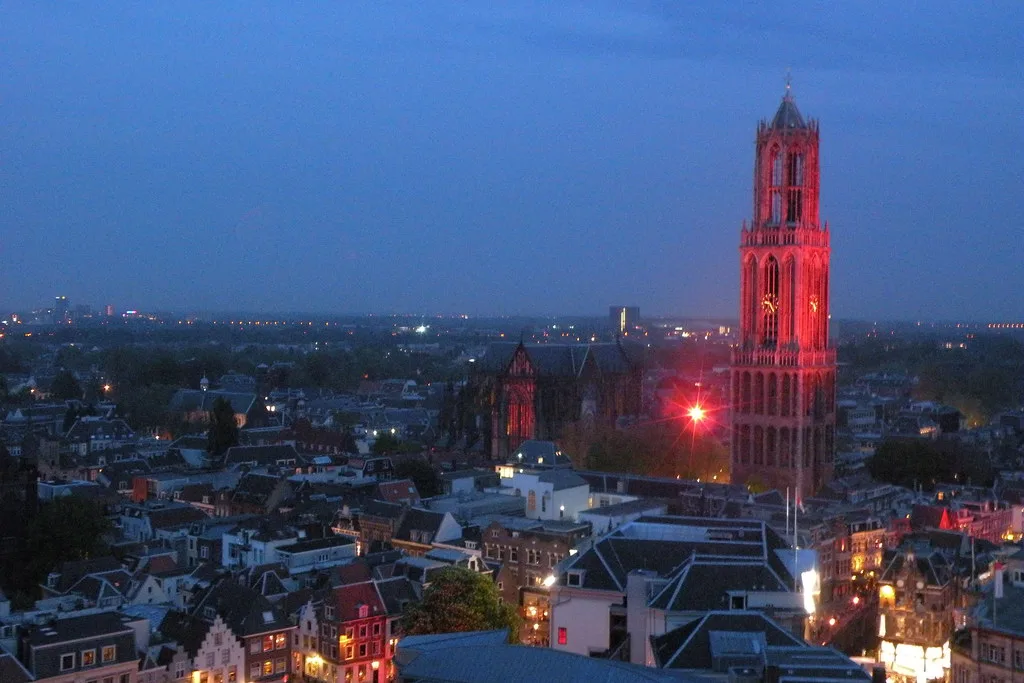
The most efficient shape for a shopping block is to attach it to a sight you are already visiting. Start at the Domplein, climb the Domtoren, look into the Pandhof van de Dom, then drift down to the Oudegracht for the shops. That way the retail streets fill the gaps rather than competing with the highlights.
The Domtoren and the Pandhof van de Dom are the two strongest anchors in the old centre, so build the shopping stretch around them. Pairing them keeps a shopping morning from becoming a mall-only day and gives non-shoppers in your group something to do.
How a shopping day fits a two- or three-day break
In a two-day Utrecht break, give shopping one half-day and no more. Day one can take the old centre, the Domtoren and the wharves, with the Oudegracht shops folded in; day two can take a museum and a canal trip, with Hoog Catharijne as the wet-weather reserve before your train.
With three days, add a proper indoor shopping block plus a market morning, and keep the rest of the trip for sights beyond the centre. That balance suits a short break far better than a dedicated retail day.
Where the shopping stops and the museums start
Dutch museums frequently close on Mondays, so do not use a Monday to split shopping from culture: you may find shops slow to open and museums shut. Put museums on a different day and keep Monday for the streets, the canals and the mall, checking individual opening times first.
The same logic applies to ticketed sights: build the shopping around the sight rather than the reverse, and confirm any booking conditions with the operator before you commit.
Mall or old-centre streets: which to choose
Choose Hoog Catharijne if you have limited time, bad weather, children in tow or a train to catch; its size and covered layout make it the efficient option. Choose the old-centre streets around the Oudegracht if you want the shops to feel like part of the city rather than an interruption to it.
Most short-break visitors should do both, in that order of priority: a focused hour in the mall, then the canal streets tied to the Domtoren and the wharves. Slot the shopping into one half-day, keep Monday for outdoor wandering, and the rest of your Utrecht time stays free for the sights that brought you here.
Explore more Utrecht guides
Frequently Asked Questions
Does Utrecht have a market?
Utrecht's market days and locations vary, so check a current market listing before planning a morning around one. A market can change the feel of a street you intended to browse, so confirm before travelling across the city.
What food is Utrecht famous for?
Utrecht is not defined by one signature dish the way some Dutch cities are. For edible souvenirs, the food and drink outlets in Hoog Catharijne are the practical stop, and small food shops in the old centre are worth a look.
Should I shop at Hoog Catharijne or in the old centre?
Do both if you have half a day: the mall for range, weather cover and services, and the Oudegracht streets for independent shops and atmosphere. If you must pick one on a tight schedule, the old centre gives you shopping and sightseeing at once.
Are shops in Utrecht open on Sundays?
Sunday trading varies by shop and by area, so check the individual shop or the Hoog Catharijne website before relying on a Sunday shopping trip. Do not assume everything is open.
How much time should I set aside for shopping in Utrecht?
Half a day is enough for most visitors: roughly an hour in Hoog Catharijne and two hours on the old-centre streets. Anything more starts to eat into the Domtoren, the canals and the museums that make Utrecht worth the trip.
Sources
Notes for your next Dutch city break
Optional updates to our Netherlands guides.
You might also like
Continue reading
More guides you'll find useful