Utrecht Itinerary: A Realistic 2–3 Day Plan by Area
Plan a Utrecht itinerary of two or three days, grouped by area, with the Dom Tower, canals, DOMunder, Museum Speelklok and honest trade-offs on time.
On this page
Two days is the right length for most Utrecht itineraries, and three days lets you add the Railway Museum and the Miffy trail without doubling back. Utrecht rewards area-by-area planning: almost everything sits inside or just outside the old centre, so you walk one loop in the morning and another in the afternoon rather than criss-crossing the city. This plan covers a two-day core, a third day, a trimmed version for a day trip, walking times and what to expect from the seasons.
The order below keeps Dom Square for the first morning, when the tower tours and DOMunder are fresh, and saves the quieter canals and the museum quarter for later. If you are still deciding whether the city justifies the trip at all, see our Utrecht City Break guide, which sets out what you get for the journey.
How many days Utrecht needs: one, two or three
One day gives you Dom Square, the Dom Tower climb, a walk along the Oudegracht wharves and one museum at a push. Two days is the sweet spot: you add Museum Speelklok and the Centraal Museum, then the Rietveld Schröder House, without watching the clock. Three days earns you the Railway Museum at the old Maliebaan station, the Miffy trail and a slow hour on the Nieuwegracht.
The trade-off is museum time against street time. Utrecht's centre is compact and free to wander, while each museum stop swallows two hours or more once you count entry, cloaks and the walk between areas. Pick two museums for a two-day trip and leave the rest of the daylight to the canals.
Where the sights sit: Dom Square, the Oudegracht wharves and the museum quarter
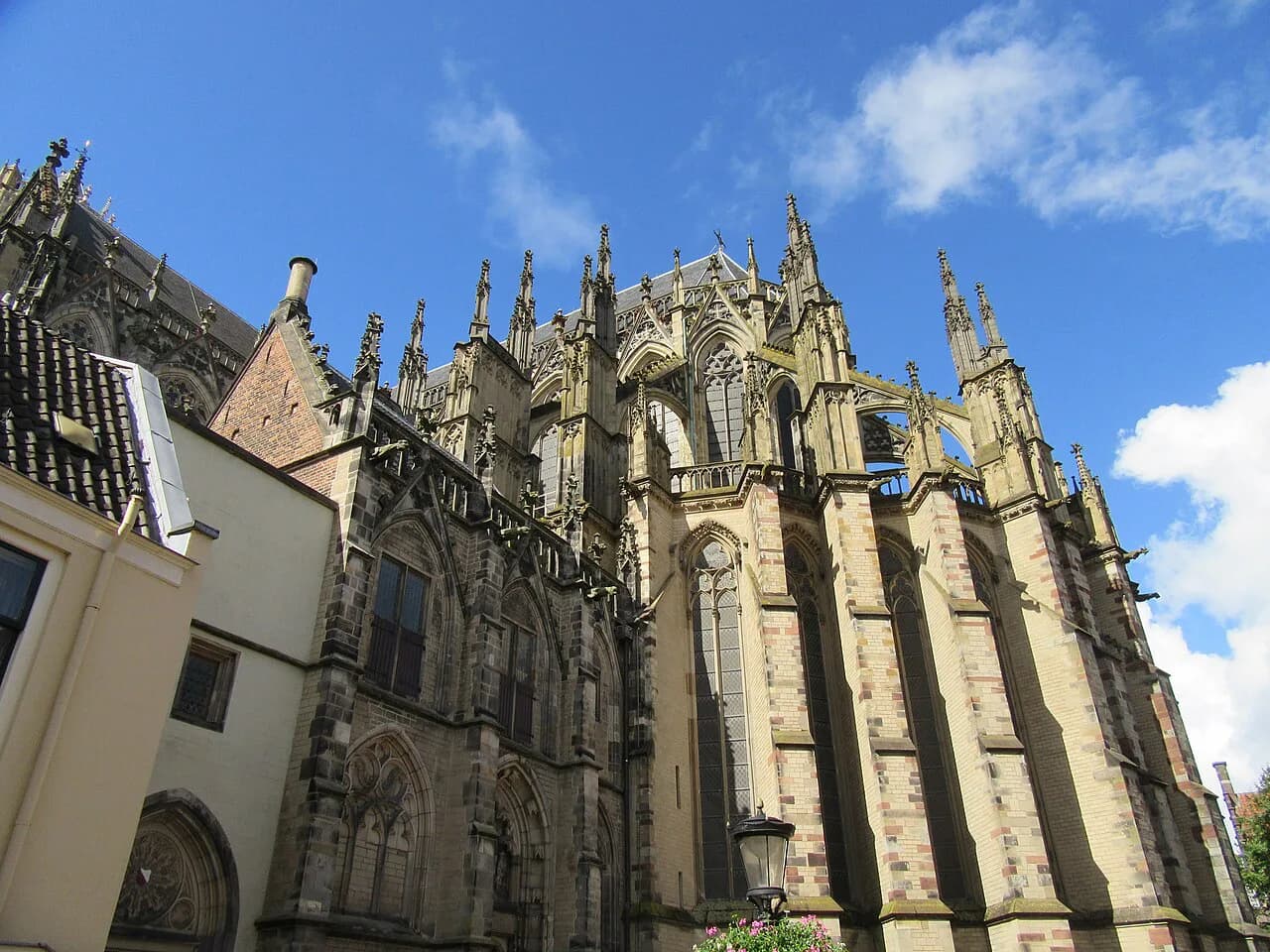
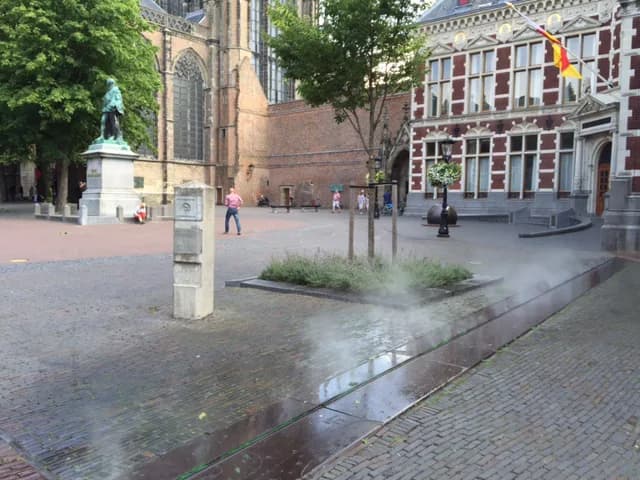
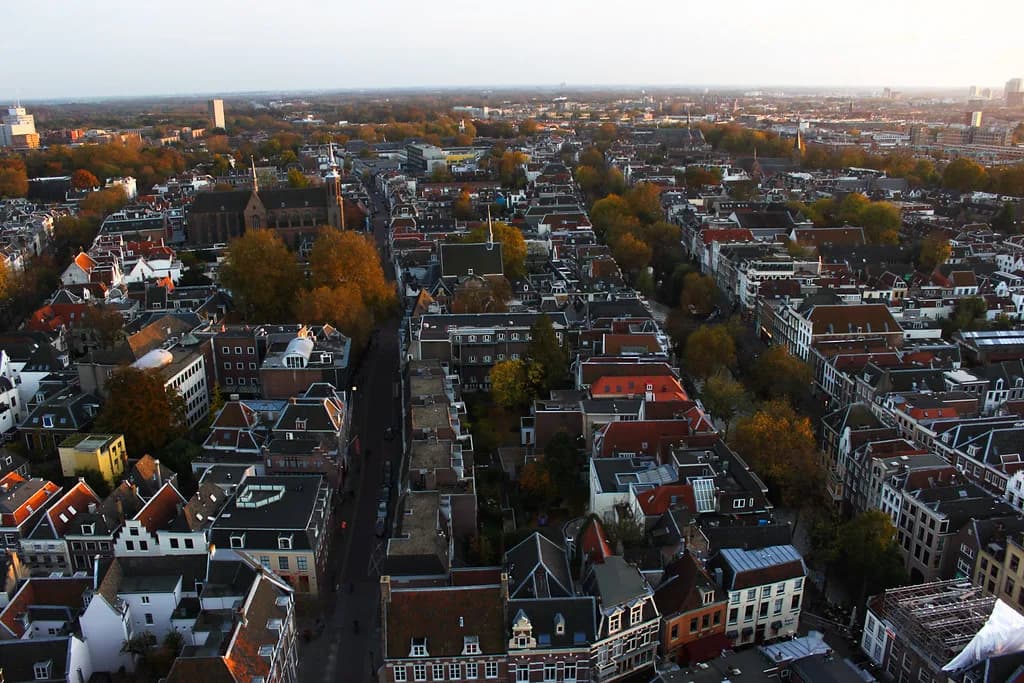
Dom Square is the hinge of the city: the Dom Tower stands apart from the Domkerk after a storm in 1674 brought down the nave between them, and DOMunder sits directly beneath the square. The Oudegracht runs through the middle on two levels, with old wharf cellars turned into cafés and shops below street level and bridges above. The quieter Nieuwegracht, with its elegant houses and tree-lined paths, and the Stadsbuitengracht, the old moat that now threads through parks, both reward a detour on foot. For the wider picture of how the centre fits together, see our Utrecht City Break guide.
Museum Speelklok and the Centraal Museum are close enough together to pair in one morning, while the Rietveld Schröder House is a separate stop that needs timed entry. The Railway Museum is further out at the 19th-century Maliebaan station, so it earns its own half-day rather than a slot squeezed between canal stops.
Day one morning: Dom Square, the Dom Tower climb and DOMunder
Start on Dom Square and climb the Dom Tower, the tallest church tower in the Netherlands, on a guided tour that takes you up 465 steps past huge bells to views that reach Amsterdam on a clear day. The climb is a genuine workout and the tour is the only way in, so make it the fixed point of your morning. Note that the tower has been wrapped in scaffolding for a periodic restoration, so check the tour is running before you build the day around it. Back on the square, the Domkerk next door is free to enter, with donations welcome, and the cloister garden behind it makes a peaceful pause.
Then go underground at DOMunder, where a torch and audio guide take you through 2,000 years of archaeology beneath the square, from a Roman fortress to rubble from the cathedral nave that collapsed in 1674. Entry runs in timed groups that can sell out, so reserve a slot rather than turning up after the tower climb.
If the tower tour is unavailable, the square still works: swap the climb for the Pandhof garden and Flora's Hof, a small historic garden beneath the Dom. Both are calm places for a quiet twenty minutes as you move between the square and the canal.
Day one afternoon: the Oudegracht wharves and a canal boat or kayak
Spend the afternoon on the Oudegracht. The lower level of wharf cellars is where you drop down for a drink or a browse, then climb a few steps and you are back in the middle of the city. In warmer months the terraces by the water fill up, which is the best reason to keep this stretch loose in the schedule.
To see the canal from the water, take a canal cruise or rent a kayak; both run from the centre and suit an afternoon better than a rushed hour. A boat gives you the two-level canal and the wharf cellars in one sweep, while a kayak puts you at water level but demands more of your arms.
After dark, the Trajectum Lumen light route turns historic buildings into illuminated art, which fits neatly after an early dinner if it is running during your visit. Walk it on your first evening while the centre is quiet.
Day two morning: Museum Speelklok and the Centraal Museum
Museum Speelklok fills a former church with self-playing instruments, from tiny music boxes to enormous street organs, and its regular guided tours are included with your ticket so you hear the machines play as intended. Check the tour times before you arrive so the visit fits your morning.
Then walk to the Centraal Museum for the city's art and design collections, which pair naturally with the morning's mechanical music because both sit in the same quarter. Two museums back to back is the realistic limit before your attention frays, so leave the afternoon free.
Day two afternoon: the Rietveld Schröder House and the quieter Nieuwegracht
The Rietveld Schröder House is the modernist counterpoint to the medieval centre, a De Stijl home you visit on a timed entry rather than at will. Check tour slots before you set out and build the walk east around the one you get.
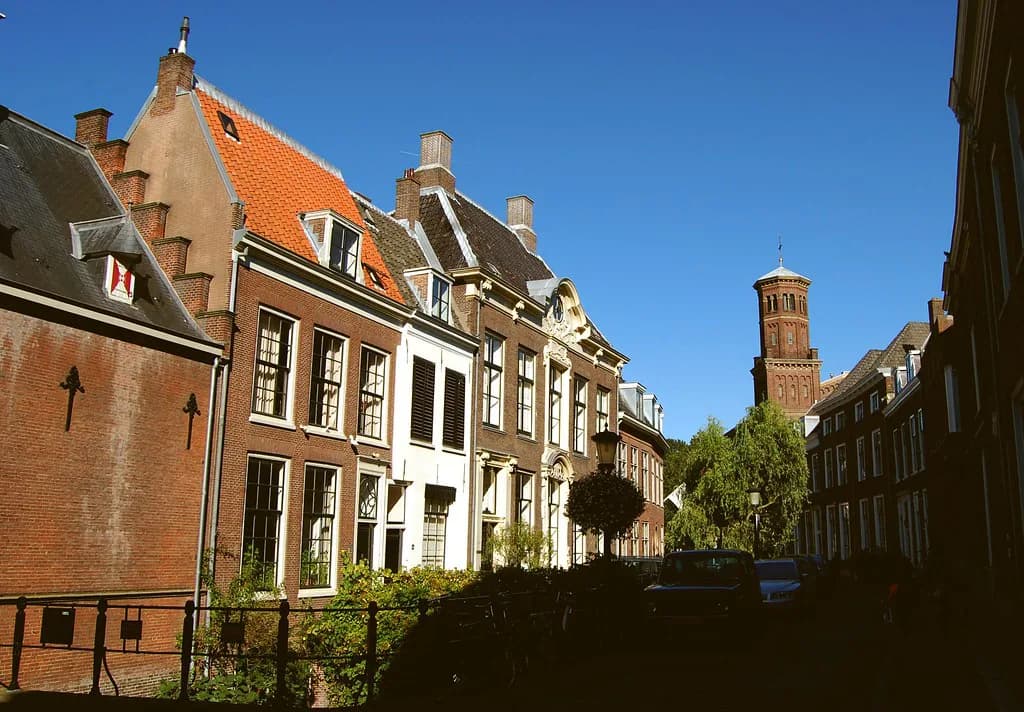
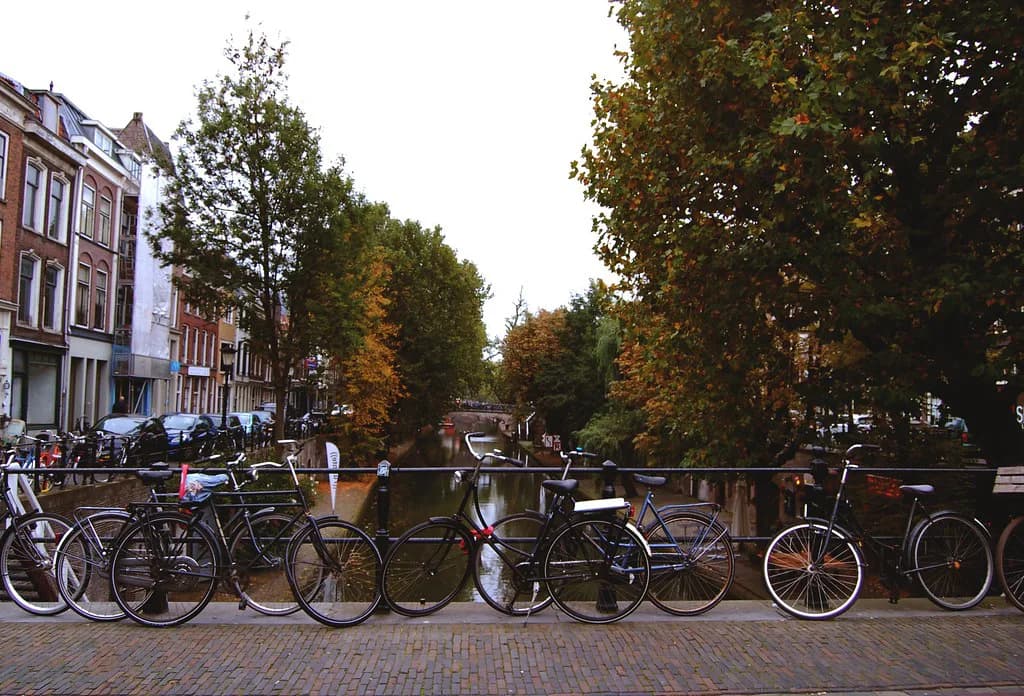
Walk back along the Nieuwegracht, which is lovelier than the busy Oudegracht for a slow hour: elegant houses, tree-lined paths and far fewer people. The Stadsbuitengracht, the old moat, threads through what were once city defences and now makes a green loop for a late-afternoon stroll.
Day three: the Railway Museum at Maliebaan station and the Miffy trail
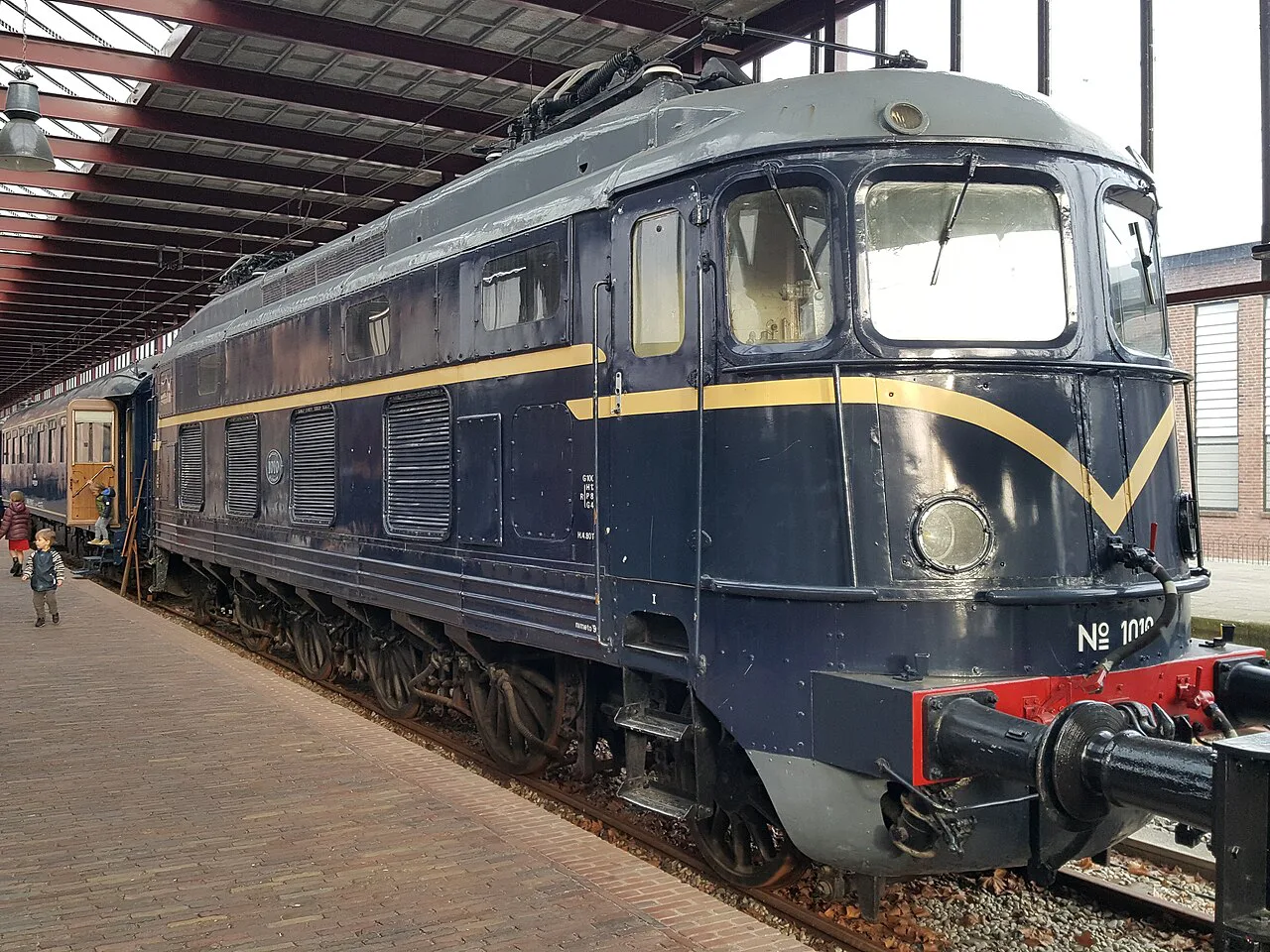
Give the Dutch Railway Museum a proper half-day. It sits in the 19th-century Maliebaan station just outside the centre and brings the Golden age of train travel to life, which appeals to anyone who arrived in the Netherlands by rail.
Back in the centre, follow the Miffy trail, which links spots connected to Dick Bruna's rabbit and works well with children or as a low-effort loop between cafés. Finish with the free carillon performance on the square if the timing suits, or a browse through the city's shops.
A shorter one-day version of the plan
If you are coming from Amsterdam, Utrecht is about 30 minutes by train, close enough to plan one full day rather than an overnight. Our One Day in Utrecht plan does a single loop: Dom Square and the tower climb first, the Oudegracht wharves and a boat second, then one museum if the day still has legs.
Cut the Railway Museum and the Rietveld Schröder House on a one-day version. Both sit away from the centre and each costs you a chunk of the afternoon, which is better spent on the canals.
Walking and cycling times between the main stops
Utrecht is a walking city. Dom Square to the Oudegracht wharves is a few minutes on foot, the wharves to Museum Speelklok and the Centraal Museum is a short walk, and the Nieuwegracht runs parallel to the centre so you can pick it up anywhere. The Railway Museum is the one outlying stop worth planning around, and for a wider look at how the centre is laid out, see our Utrecht City Break guide.
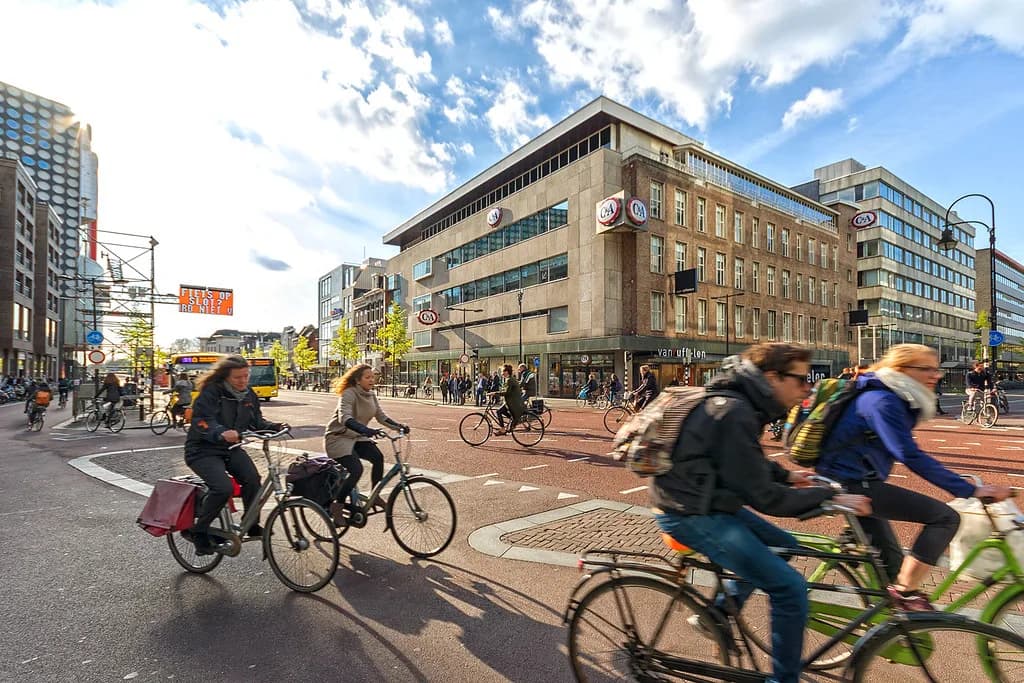
Bikes make sense for the Railway Museum and for following the old moat through the parks, but in the medieval centre the bike lanes are busy and walking is often quicker door to door. Arrange bike rental in advance where you can rather than relying on a fleet being free on the day.
When to go: spring, summer and autumn in Utrecht
Spring and summer are when the Oudegracht wharf terraces come into their own and canal cruises and kayaks run in earnest; expect the square to be at its busiest then. Autumn is quieter and the tree-lined Nieuwegracht turns, which suits a slower two-day plan.
Treat any weather expectation as typical seasonal conditions rather than a forecast, and check a climate source for the month you are travelling. Rain in any season pushes you indoors, which is where the museums earn their keep.
What a day costs in euros
Utrecht's biggest costs are the paid attractions: the Dom Tower tour, DOMunder, Museum Speelklok, the Centraal Museum and the Rietveld Schröder House each charge admission, while the Domkerk is free. Check current prices on each venue's own site before you budget, since fares change by season and by ticket type.
A budget-minded version of this itinerary leans on the free sights, picks one museum per day and uses the canals as the main event. Our guide to cheap things to do in Utrecht sets out what to swap if the paid stops add up too fast.
Mistakes to avoid: opening days, timed tickets and over-packing the day
The commonest planning error is over-packing: three museums in a day is a schedule, not a holiday, and Utrecht's centre deserves unhurried time. The second is assuming you can walk into every attraction on the day: DOMunder runs in timed groups that can sell out, the Dom Tower is entered only on a guided tour, and the Rietveld Schröder House works on timed entry.
Check opening days for each museum before you fix your route, and remember that a Monday can close the very places you have saved for the end of the trip. Build your plan around confirmed opening times, not the other way round.
If you are extending the trip, our Den Bosch itinerary shows a different Dutch city at a similar pace, and the Groningen itinerary covers the north. Both make useful comparisons for how much time Utrecht really needs.
Which Utrecht plan fits your trip?
Book two days unless you have a specific reason for more. Dom Square and the tower climb, the Oudegracht wharves, Museum Speelklok and the Centraal Museum are enough to fill a weekend, and the third day is for the Railway Museum and the Miffy trail.
Then confirm the tower tour, DOMunder and the Rietveld Schröder House slots against the days you are actually in the city, and leave one afternoon open for the canal. That balance is what makes Utrecht work.
Explore more Utrecht guides
Frequently Asked Questions
Is Utrecht worth a day trip from Amsterdam?
Yes, for the Dom Tower, Dom Square and the Oudegracht wharves alone, and the train from Amsterdam takes about 30 minutes. A day trip covers one loop of the centre; add an overnight if you want Museum Speelklok and the Centraal Museum without rushing.
Is Utrecht a walkable city?
The medieval centre is compact and flat, and the main sights sit within a short walk of each other. The Railway Museum sits away from the centre at Maliebaan station; the Rietveld Schröder House is still a city stop, just one that needs timed entry.
Do I need to book Utrecht attractions in advance?
Book the Dom Tower tour, DOMunder and the Rietveld Schröder House, which run on timed slots. Museum Speelklok's guided tours are included with the ticket, so check the tour times before you arrive.
Sources
Notes for your next Dutch city break
Optional updates to our Netherlands guides.
You might also like
Continue reading
More guides you'll find useful