Utrecht vs Amsterdam: Which Dutch City Suits Your Short Break?
Utrecht and Amsterdam compared on canals, crowds, museums, travel time and cost, so you can pick the right Dutch city for a short break or a base.
On this page
Utrecht is the better base for a short Dutch break if you want historic canals without Amsterdam's visitor volume, while Amsterdam wins if world-famous museums and sheer scale matter most. This guide compares the two on character, canal architecture, crowds, sights, journey times and costs, then matches each city to a one-, two- or three-day trip.
Both cities sit on the same busy rail corridor and are easy to combine, so the choice is less about geography than about how you want to spend your days. Utrecht rewards slow wandering along the Oudegracht and a couple of focused sights; Amsterdam rewards a list of major museums and neighbourhoods.
Which city suits your trip: the short answer
Choose Utrecht for a two- or three-day break built around a walkable medieval centre, the two-level canal wharves and the Domtoren rising above the streets. Choose Amsterdam if this is your first Dutch city and you want the Rijksmuseum and Van Gogh Museum alongside the canal ring. For a wider Dutch trip, Utrecht's compact centre sits just a direct train ride from Amsterdam Centraal.
The trade-off is straightforward: Amsterdam offers more headline sights but asks you to share them, while Utrecht offers fewer blockbuster museums but a calmer, more local everyday centre. Travellers who have already seen Amsterdam usually get more from Utrecht, and first-timers usually get more from Amsterdam.
How the two cities differ in character
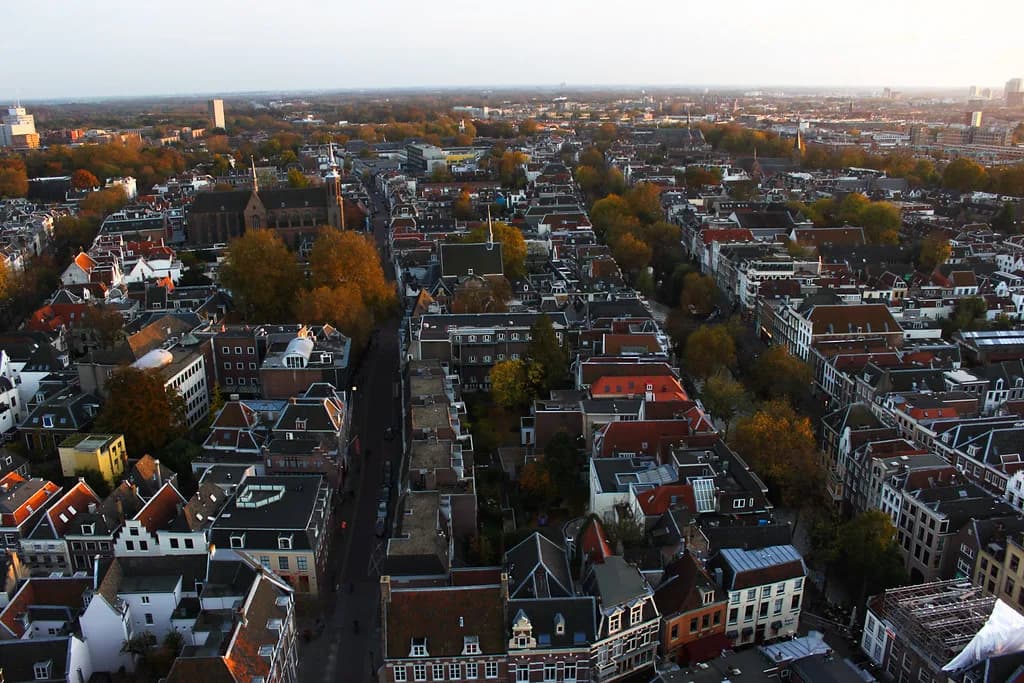
Amsterdam is a capital with the density to match: a UNESCO-listed canal ring, trams, markets and neighbourhoods spread over a wide arc around Centraal station. Utrecht is a smaller university city where the old centre folds around the Dom Tower and the Oudegracht, and much of what you want to see is walkable from Utrecht Centraal.
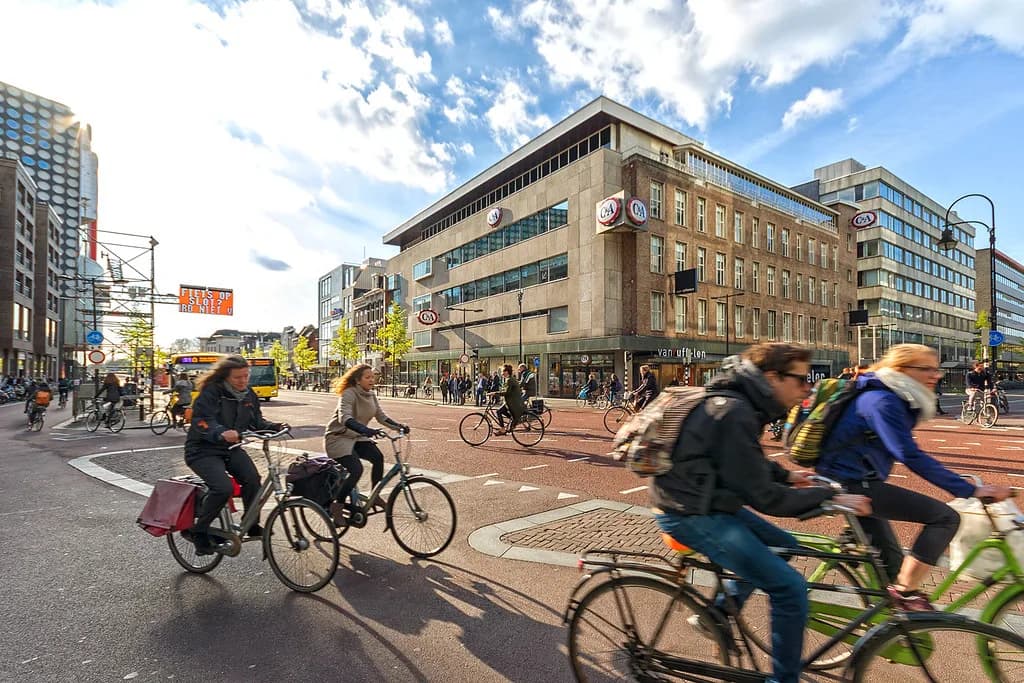
That difference shapes the pace. In Amsterdam you plan by neighbourhood and use trams to link them; in Utrecht you can leave the station and be on a canal wharf within minutes, then wander without a transport plan. If your idea of a good city break is aimless strolling with good coffee stops, Utrecht's compactness works in your favour.
Canals: Utrecht's two-level wharves against Amsterdam's canal ring
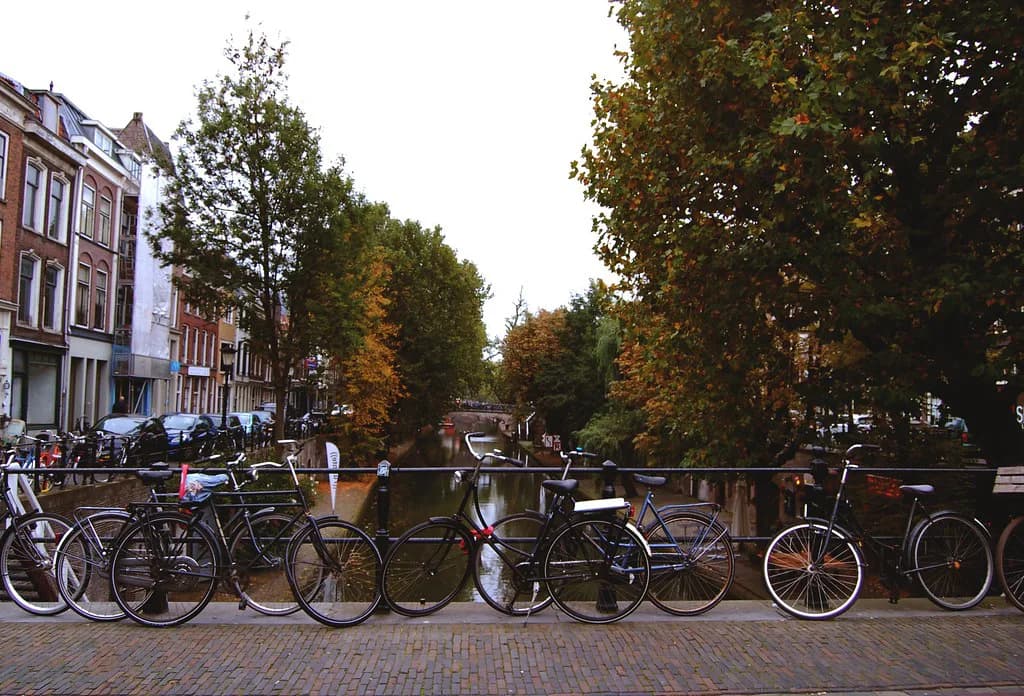
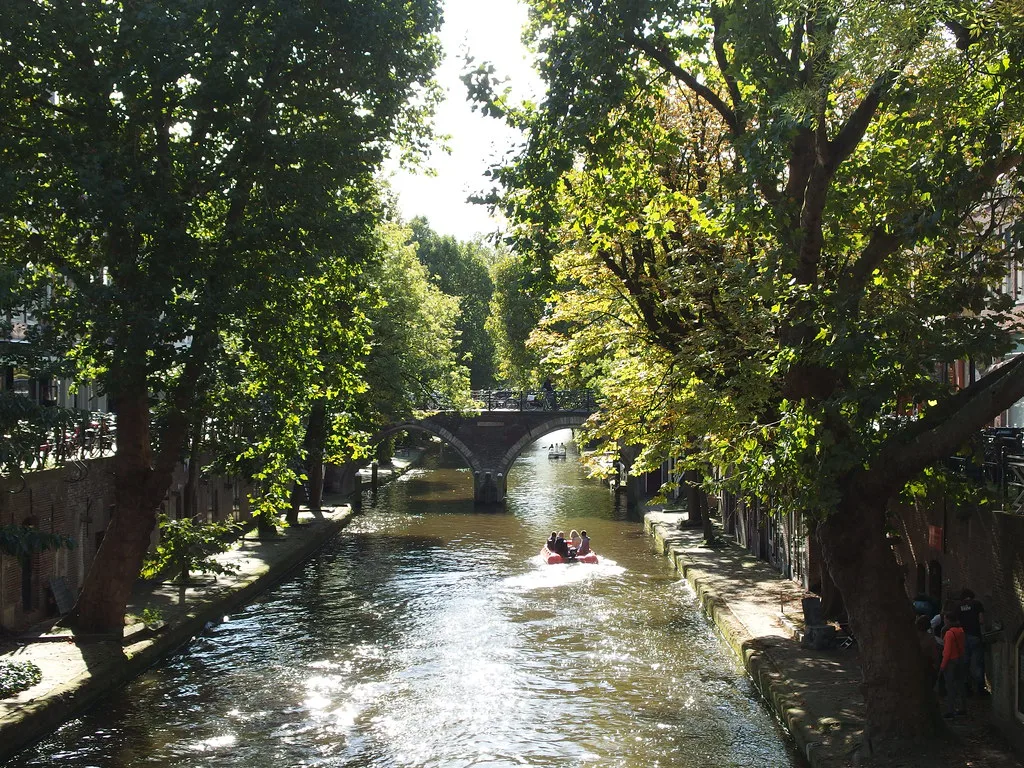
Amsterdam's canal ring is a planned seventeenth-century girdle of concentric waterways lined with gabled merchant houses, best seen on foot along the Herengracht, Keizersgracht and Prinsengracht. Utrecht's Oudegracht is different in kind: its wharves sit at a lower level than the street, with former cellars opening straight onto the water, creating a layered canal streetscape you will not find in Amsterdam.
For canal architecture alone, Utrecht's wharf system is the more unusual sight and the harder one to replicate elsewhere in the Netherlands. Amsterdam's ring is grander in scale and longer to walk. A short break in either city should include at least one unhurried canal-side walk, and in Utrecht that means following the Oudegracht at both street and wharf level.
Crowds and pace: what a short break feels like in each
Amsterdam's visitor pressure concentrates around the busiest central corridors, so even a quiet side street can sit a few minutes from a crowd. Utrecht's visitors spread more thinly across a smaller centre, and the lower-level wharves along the Oudegracht give the canal-side walk a calmer feel than Amsterdam's streets.
The practical effect is on timing. In Amsterdam you benefit from starting early at the big museums and saving canal walks for late afternoon; in Utrecht you can afford to drift, because the centre is small enough to revisit. If crowds drain your energy, Utrecht gives you a more restful short break for the same number of days.
Museums and big sights to weigh up
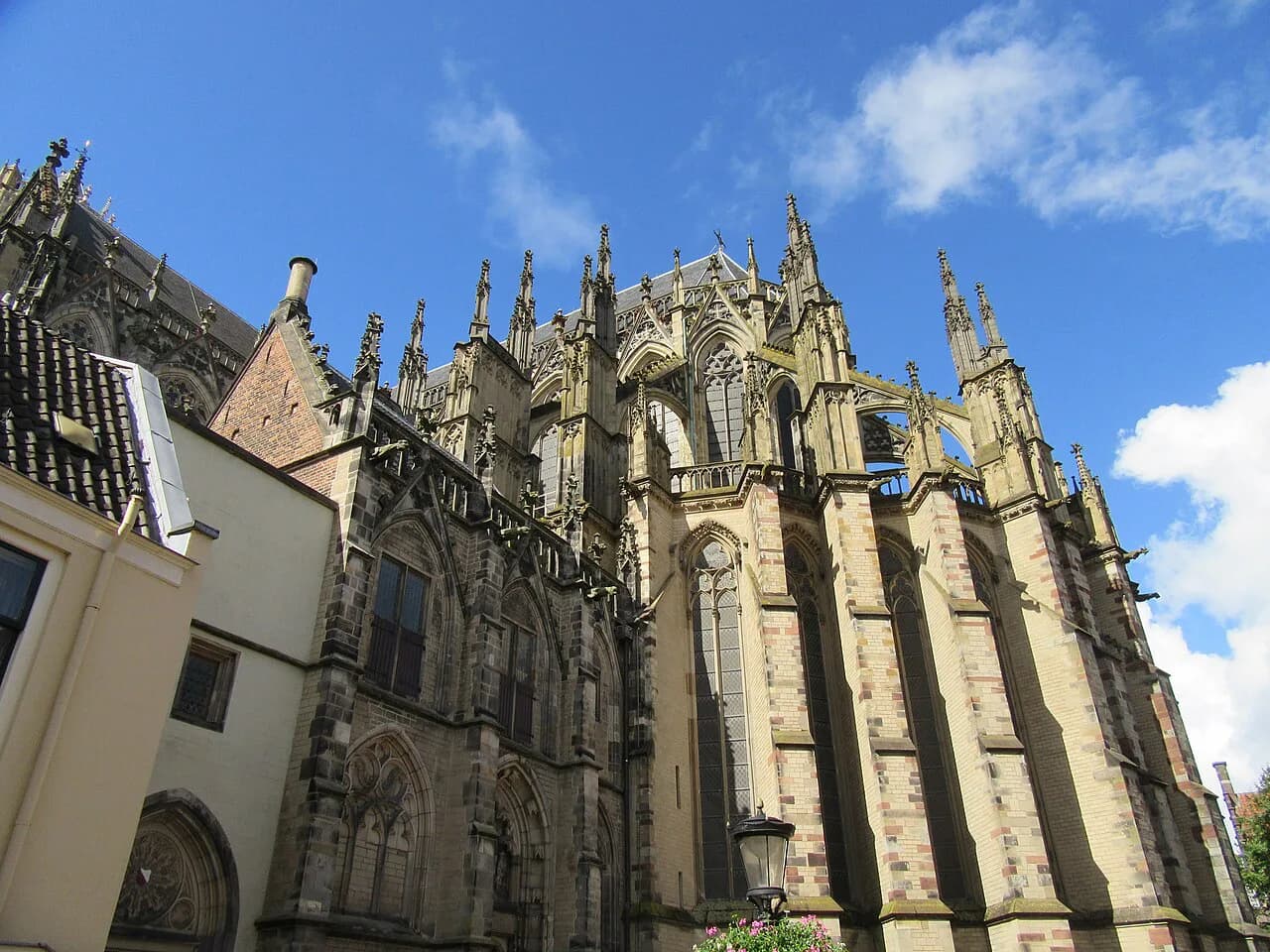
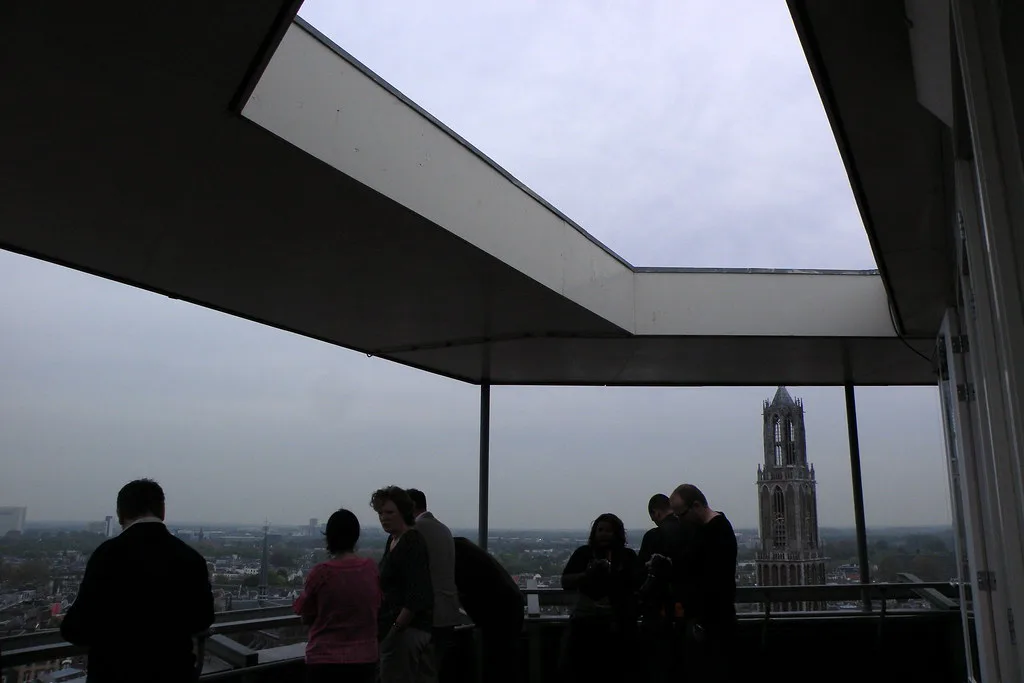
Amsterdam holds the national headline collections, including the Rijksmuseum and the Van Gogh Museum, and they justify a trip on their own. Utrecht answers with a smaller set of strong, specific sights: the Dom Tower, which dominates the skyline; the Centraal Museum; and the Spoorwegmuseum, the national railway museum, which suits families particularly well.
Utrecht's museum scene rewards curiosity more than box-ticking, from the cathedral and its cloister garden at Domkerkplein to the musical instruments at Museum Speelklok. Plan museum days around opening hours, because Dutch museums can close on one day a week, and book timed slots where a museum requires them. Our Utrecht itinerary builds these sights into a day that still leaves time for the wharves.
Getting between them and onward travel
The train is the obvious link. Direct services from Amsterdam Centraal to Utrecht Centraal take an average of roughly 27 minutes, with around 107 trains a day and a fastest journey of about 26 minutes, according to Trainline's Amsterdam to Utrecht Centraal route page.
Fares vary by ticket type, time of day and how far ahead you book, so treat any quoted figure as a starting point rather than a fixed price. The same route page sets out the direct services, journey times and frequencies that make Utrecht easy to reach by rail from the Dutch capital.
If you are arriving from the UK, flying into the region and continuing by train is one way to reach Utrecht, and Utrecht Centraal connects you onward across the Netherlands. See our Utrecht Itinerary for how to shape the days once you are there.
Costs to budget for in euros
On the ground, both cities price in euros, and the biggest variables are accommodation, museum tickets and how often you eat out. The most reliable way to compare is to price a specific trip: check hotel rates for your dates and look up individual museum admission, because headline reputations can overstate the everyday difference once you are in either city.
Train tickets between the two cities vary by service, time of day and ticket type, so check current fares when you book rather than budgeting from a remembered figure.
Where Utrecht wins for a short break
Utrecht wins on compactness, calm and the canal wharves. You can cover the old centre comfortably on foot in a day, the Domtoren gives you the best high viewpoint in the city, and the student population keeps the centre lively without overwhelming it. It also suits travellers who have done Amsterdam before and want a second Dutch city that feels genuinely different.
The city also makes a practical base for a two- or three-day trip, with fast trains to the rest of the country and a station within easy reach of the old centre. If you want a city break where the transport is simple and the sights are close together, Utrecht delivers that with less friction than the capital.
Where Amsterdam wins
Amsterdam wins on scale and on the depth of its museums, which justify a trip by themselves. Its canal ring, markets and neighbourhoods give you more variety across several days, and as the national transport hub it is an easy city to reach and leave from.
For a first visit to the Netherlands, or for anyone whose short break is really about art and architecture at the highest level, Amsterdam is the stronger choice. The trade-off is that you will share the best-loved places with a lot of other people, and you will need to plan around museum slots and opening days.
Common mistakes when choosing between them
The most common mistake is treating Utrecht as a half-day add-on to Amsterdam when it deserves a full day or more, and the second is assuming the two cities feel interchangeable because both have canals. They do not: Utrecht's wharves are a different experience from Amsterdam's ring.
Another is planning museum visits without checking opening days for each museum, and leaving the train booking until the day, which generally costs more. A third is trying to cover both cities properly in a single day, which leaves you rushing through the centre of each.
Which to pick if you have one, two or three days
With one day, pick one city and stay in it: Amsterdam if you want a headline museum and the canal ring, Utrecht if you want walkable canals and the Dom Tower without the crowds. Trying to do both is possible by train but leaves little time in either, so save the second city for another trip.
With two days, Utrecht works well as a base, with one day in the city and one either in Amsterdam or exploring further afield. With three days, base yourself in Utrecht and treat Amsterdam as a day trip, or split your stay between the two. Our guide to how many days in Utrecht sets out what each day covers.
Which city should you book?
Book Amsterdam if your short break hinges on major museums and you are happy to plan around timed slots and busier streets. Book Utrecht if you want a compact, calmer centre with unusual canal architecture, the Domtoren and easy onward trains, especially if you have already seen the capital.
If you are still weighing it up, read is Utrecht worth visiting for an honest view of what the city gives you and who it suits before you commit to a base.
Explore more Utrecht guides
Frequently Asked Questions
How long does the train from Amsterdam to Utrecht take?
Direct trains from Amsterdam Centraal to Utrecht Centraal take an average of about 27 minutes, with around 107 services a day and a fastest journey of about 26 minutes according to Trainline, so there are frequent direct options across the day.
Can you climb the Dom Tower in Utrecht?
Yes. The Dom Tower, the tallest church tower in the Netherlands at around 112 metres, is climbed only on a guided tour; the climb runs to roughly 465 steps, and you should book a time slot in advance to secure your preferred departure.
Does Utrecht make a good base for a short break?
Utrecht works well as a base for a two- or three-day trip: its compact medieval centre is walkable, and Utrecht Centraal connects you onward across the Netherlands.
Sources
Notes for your next Dutch city break
Optional updates to our Netherlands guides.
You might also like
Continue reading
More guides you'll find useful