One Day in Utrecht: A Walking Itinerary for the Old Centre
One day in Utrecht fits the Dom Tower, the Oudegracht and the compact old centre on foot, plus Vredenburg market on Wednesday, Friday or Saturday.
On this page
One day in Utrecht is enough to cover the old centre on foot, from Buurkerk and the Domtoren to the wharf-level streets along the Oudegracht, at a relaxed pace with time to sit down. The centre is compact, so you spend your hours on sights rather than transport, and the trade-off is choosing between the Dom Tower climb and the museums that sit outside the medieval core. This guide sets out a single walking route from Utrecht Centraal, with rough timings, a lunch pause and the market decision that shapes which day you pick.
Start at Utrecht Centraal and walk into the old centre
Utrecht Centraal sits on the western edge of the old centre, and the walk from the platforms into the medieval streets takes only a few minutes, which is why a single day works here. Hoog Catharijnepassage and the streets beyond it funnel you straight towards Vredenburg and then into the lanes around the canals. Arrive before mid-morning so the Domplein is still quiet and you are walking the Oudegracht before the afternoon crowds build.
From Amsterdam, Intercity trains run to Utrecht Centraal in roughly half an hour, with several departures every hour through the day. That makes Utrecht an easy day trip from the capital rather than a separate trip, and it also means you can reverse the plan and reach the city from a London arrival via Amsterdam. If you are weighing the two cities for a longer stay, weighing Utrecht against Amsterdam comes down to scale and crowds rather than sights.
Buurkerk and Maartensbrug: the first taste of the canals
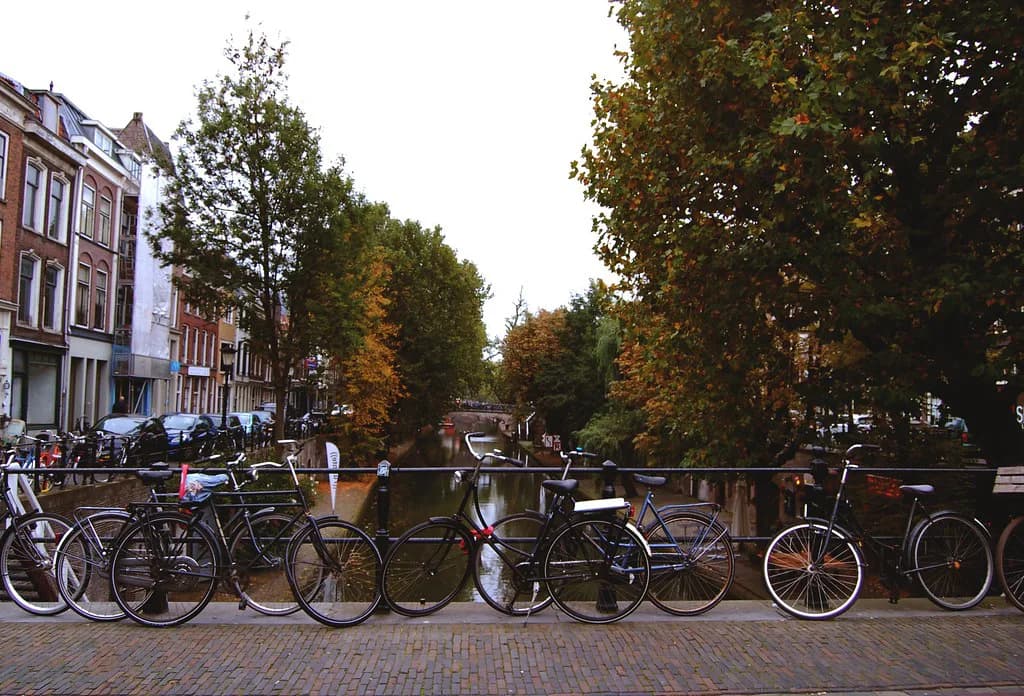
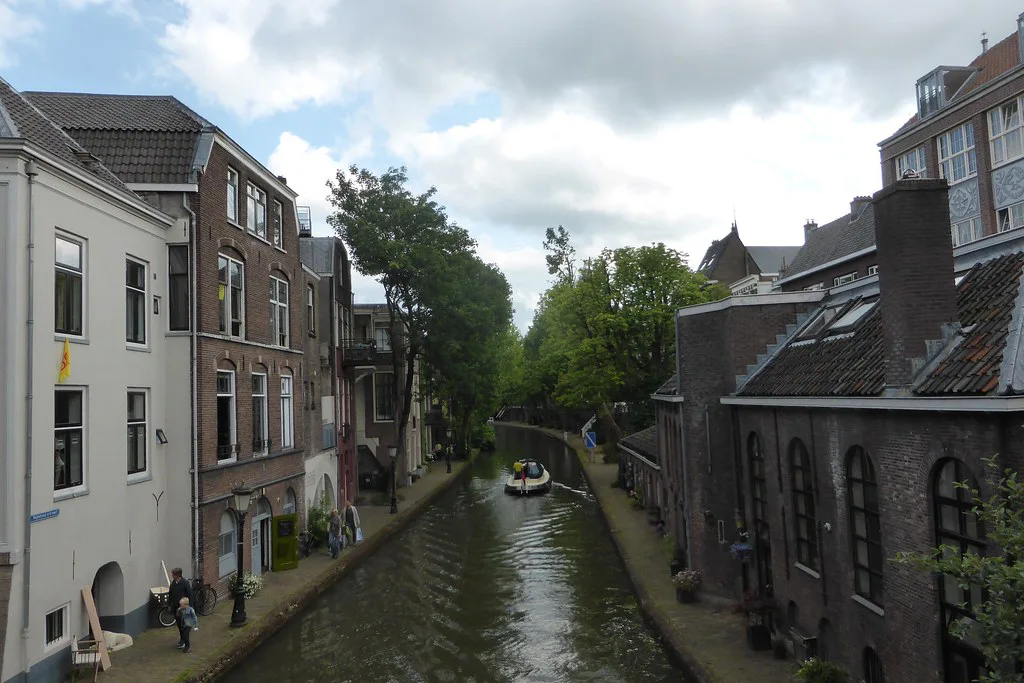
Walk from the station into the old town and make Buurkerk your first stop, a former parish church that now anchors the shopping streets around it. From there the route crosses Maartensbrug, the bridge that gives you the first framed view of the canal below street level and the wharves running along both banks. Pause here rather than pressing on, because this is the view that defines Utrecht and you will want it in your head before the busier stretches.
The old canal in Utrecht is the centrepiece of the day, not a backdrop. Unlike most Dutch cities, the Oudegracht has a second street level at the water, with wharf cellars and terraces built into the canal walls, so you can descend a set of steps and walk the whole length below the street. Save the full wharf walk for the afternoon and use this first crossing simply to get your bearings.
Domtoren, Domplein and Domkerk: how much of the tower and church to take in
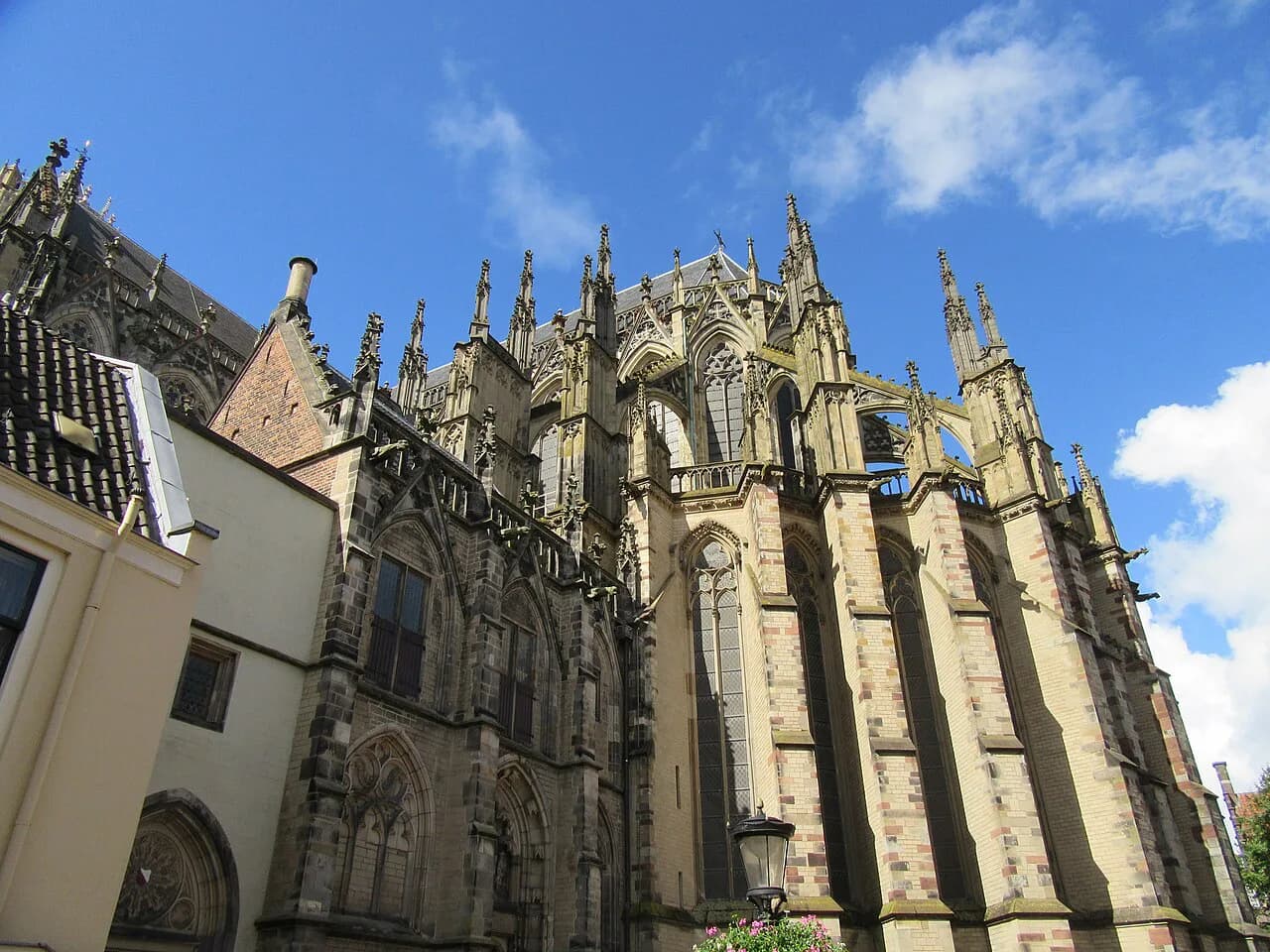
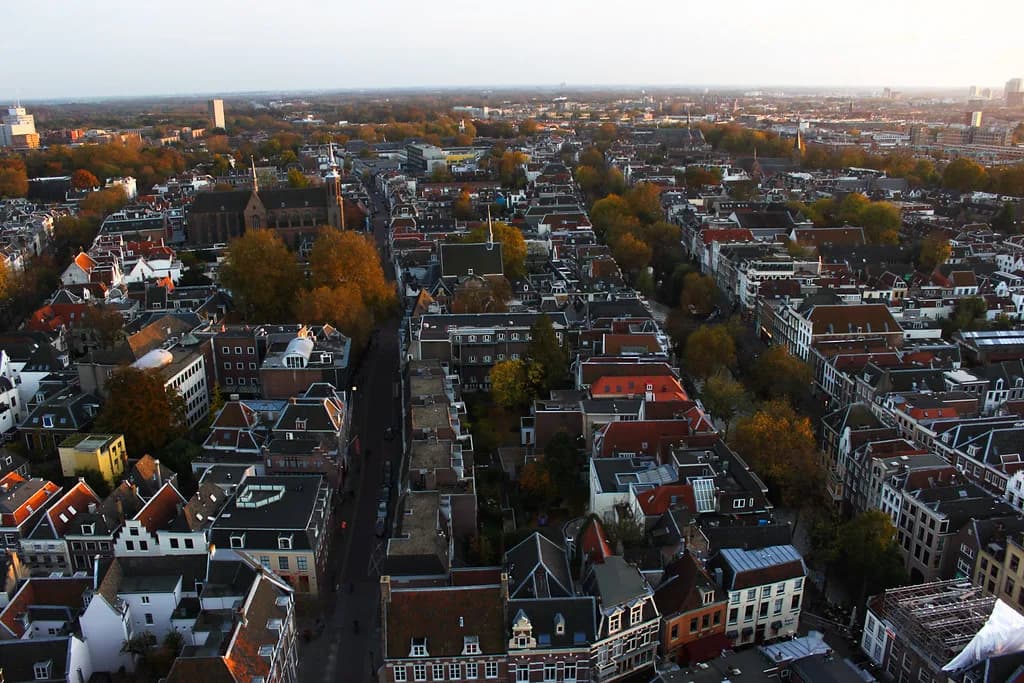
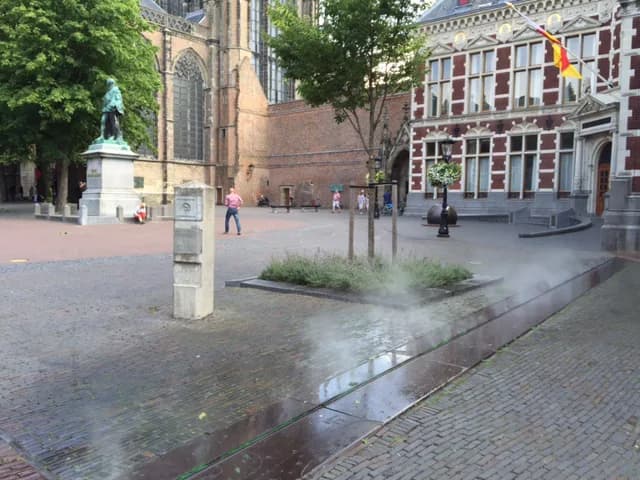
Domplein is the historic heart of the city, with the Domtoren, the Domkerk and the remains of the cathedral's nave all on one square. The Dom Tower is the tallest church tower in the Netherlands and its guided climb is the single biggest time commitment of a one-day visit, so decide early whether you are climbing. The trade-off is honest: the tower tour eats a chunk of the middle of the day, and if you take it you will likely drop either a museum or the longer canal loop.
The Domkerk next door and the Pandhof garden behind it are the quietest corner of the square and a gentle way to break up the day. If you plan to climb the Domtoren, look up the tower's own ticket arrangements before you travel rather than turning up and hoping, since the climb runs on scheduled slots that can fill on busy days.
Pandhof garden and Paushuize: the quiet detour
The Pandhof is a cloister garden tucked beside the Domkerk, and it is the kind of place that rewards a slow ten minutes rather than a photo stop. From there the route continues to Paushuize, the house associated with Pope Adrian VI, which sits a short walk away on the edge of the old centre. Keep this stretch flexible, as a buffer if the tower ran long or you started late.
Nieuwegracht and Oudegracht: the wharf-level canal walk
Nieuwegracht is the quieter of the two canals, lined with grand houses and mature trees, and it makes a calm approach to the busier Oudegracht. Where Nieuwegracht gives you the view, the Oudegracht gives you the descent: take the steps down to the wharf and walk the lower level, past cellar doors and terraces, looking up at the street and bridges above. This lower walk is the part of Utrecht that visitors remember, so give it a proper stretch of time rather than a quick look from a bridge.
Lunch and a pause on or near the Oudegracht
Put your main break in the middle of the canal walk rather than saving it for the end, since the afternoon is when you want to be moving between the Domplein and the museums. Cafés along the wharf and the streets just above it put you back on the route within minutes. Budget an hour for a sit-down lunch and shorter for a sandwich, and use the pause to decide whether the afternoon goes to a museum or to the rest of the canal.
Vredenburg market: what day you need to catch it
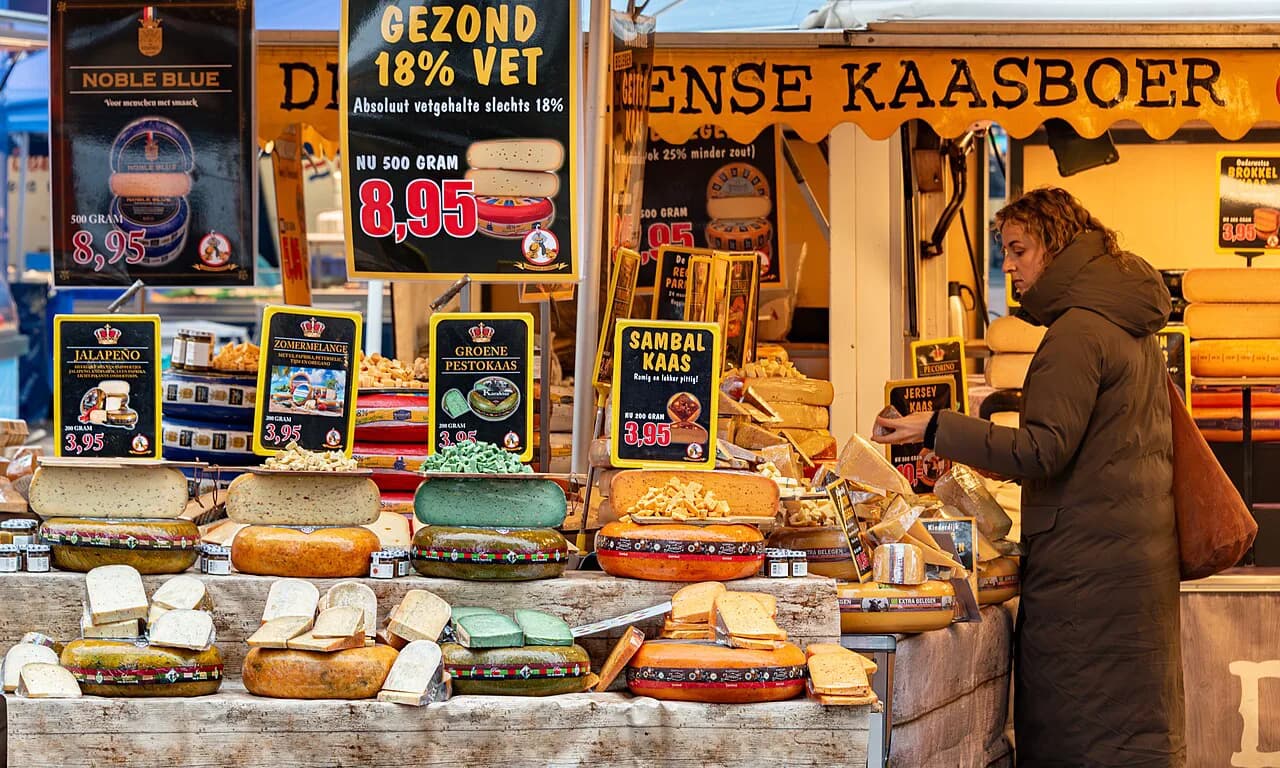
Vredenburg Market, the city's largest, sets up on Wednesdays, Fridays and Saturdays, so the day you arrive decides whether you see it at all. Saturday brings the heaviest crowds because the market coincides with the busiest shopping day, while Wednesday and Friday let you browse the same stalls with more room. If you can pick your day freely, Wednesday or Friday is the better choice for a one-day visit.
Rietveld Schröder House and the museums worth trading walking time for
The Rietveld Schröder House sits outside the medieval centre, so reaching it means leaving the walking route. Treat it as a separate excursion: give the house its own block of time, or keep the old centre as the whole of your day. Museum visits follow the same logic, and many Dutch museums close on Mondays, so check opening days before you commit to an early-week trip.
If you want to see how the day fits with a second or third day, the wider Utrecht itinerary shows how the museums and the centre split across a longer stay. Our guide to how many days in Utrecht covers the one, two and three-day versions in detail. Prices and opening days for individual museums change, so check each museum's own site before you build the day around one.
Where to add a cycle loop beyond the centre
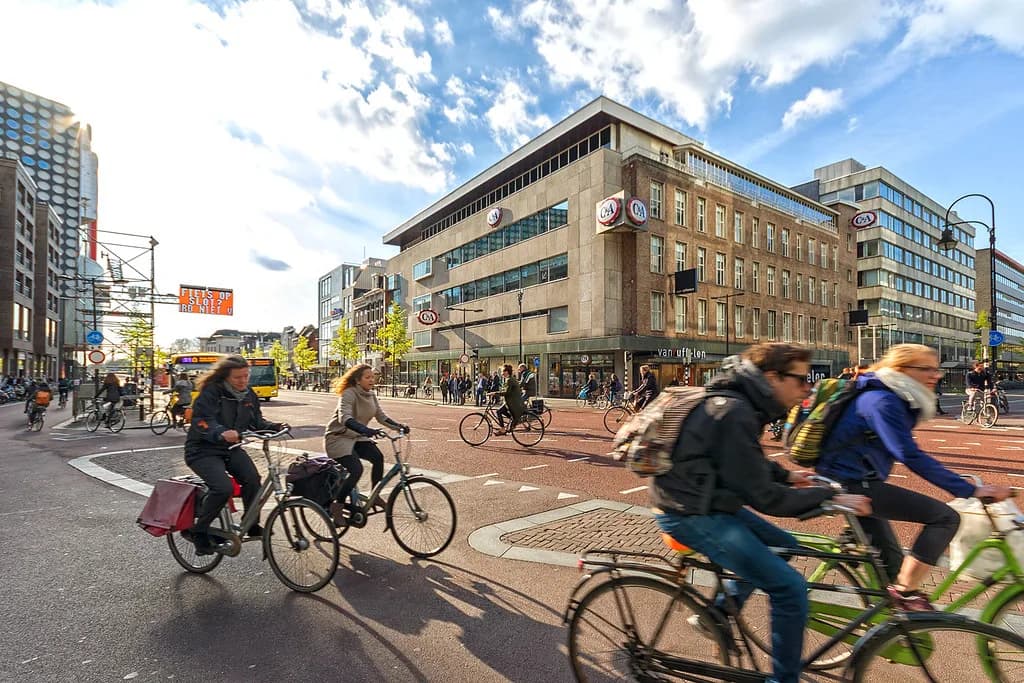
A bike is a way to add a short loop beyond the old centre without giving up the walking route. The centre itself is easy on foot, so a bike is a time-saving tool for the edges rather than a way to see the Domplein. Pick one up near Utrecht Centraal, ride out for an hour or two, and return it before the late-afternoon canal walk.
When to go: Wednesday or Friday over Saturday
Weekdays are calmer than weekends in the old town, and Saturday is the busiest day of the week for both shopping and the market. Wednesday and Friday give you the Vredenburg stalls without the Saturday squeeze, which matters most if your day is tight. Late autumn brings colour along the canals and spring brings the tulip season, though summer is peak season and the busiest stretch for the wharves.
A one-day timing plan from morning to evening
Start at Utrecht Centraal around 9am and walk in via Buurkerk and Maartensbrug, reaching Domplein by mid-morning. Take the tower climb if you have booked it, then the Domkerk and Pandhof, and follow Nieuwegracht to the Oudegracht for lunch. The afternoon goes to the wharf-level canal walk and, if it is a Wednesday, Friday or Saturday, the Vredenburg market on your way back towards the station.
If the weather turns or you are travelling on a Monday, keep the day to the streets and canals and save the museums for a day when they are open. For a fuller picture of what the city costs over a short break, our guide to Utrecht costs sets out the categories worth budgeting for, and the Utrecht City Break guide covers the two-night version of this route.
Should you build the day around the market or the tower?
Build the day around the market if you can travel on a Wednesday or Friday, since Vredenburg adds a genuinely local hour without costing you a sight. Build it around the Domtoren if the climb is the reason you came, and accept that one museum or the longer canal loop drops out. Either way, keep the wharf-level Oudegracht walk as the fixed point of the afternoon and let everything else move around it.
The last decision is how many days the city gets. If one day leaves you wanting the museums, the guide to cheap things to do in Utrecht shows how to stretch a budget across a longer stay.
Explore more Utrecht guides
Frequently Asked Questions
Is Utrecht a walkable city for a single day?
Yes. The old centre is compact enough that the main sights on this route, from Buurkerk and the Domplein to the Oudegracht, follow one continuous walk from Utrecht Centraal with no transport in between. You will cover a few kilometres at a relaxed pace, so comfortable shoes matter more than planning.
How many hours do you need in Utrecht?
A full day of roughly seven to eight hours covers the old centre, the Domplein, a lunch stop and the wharf-level canal walk. Add an hour or more if you climb the Domtoren, and add transport time if you head out to the Rietveld Schröder House or a museum beyond the centre.
What should you not miss in Utrecht on a one-day visit?
The Domtoren and Domkerk on Domplein, the Pandhof garden behind the church, and the lower wharf level of the Oudegracht are the three things that define the city. Vredenburg Market is worth timing your trip for if you are in town on a Wednesday, Friday or Saturday.
Sources
Notes for your next Dutch city break
Optional updates to our Netherlands guides.
You might also like
Continue reading
More guides you'll find useful