Is Utrecht Expensive? Holiday Costs in Euros
Utrecht costs 39% more than Groningen by one published comparison. See what that relative signal means for a one to three day break, and what's free.
On this page
Utrecht is expensive next to Groningen, not necessarily expensive in the abstract. One published cost-of-living comparison puts Utrecht 39% above Groningen overall, with food about 10% dearer. It is a relative index rather than a price list, but for a city break the useful point is that your spending splits into a few big blocks you can steer: how many paid sights you book, how often you eat out, and how you get around.
The aim here is a workable budget rather than a resident's spreadsheet. You will see how Utrecht's central position shapes demand for a short stay, which ways of filling a day cost nothing, and how the money stacks up across one, two and three days.
Is Utrecht expensive? The short answer for a one to four day break
Treat Utrecht as a mid-to-high Dutch city for a short break, and one where a couple of free anchors keep the bill in check. The comparison that carries weight is with a cheaper Dutch city, not with your home country: one published index puts Utrecht 39% above Groningen on general cost of living, with eating out roughly a tenth dearer. Over three or four days that gap shows up mostly in meals and coffees, not in admission fees.
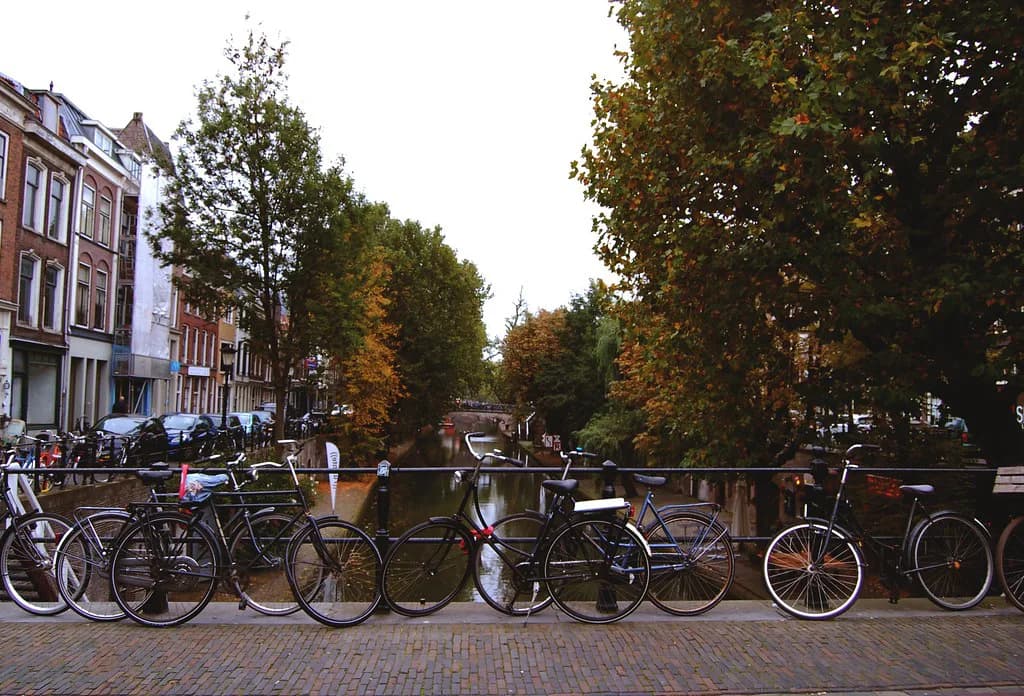
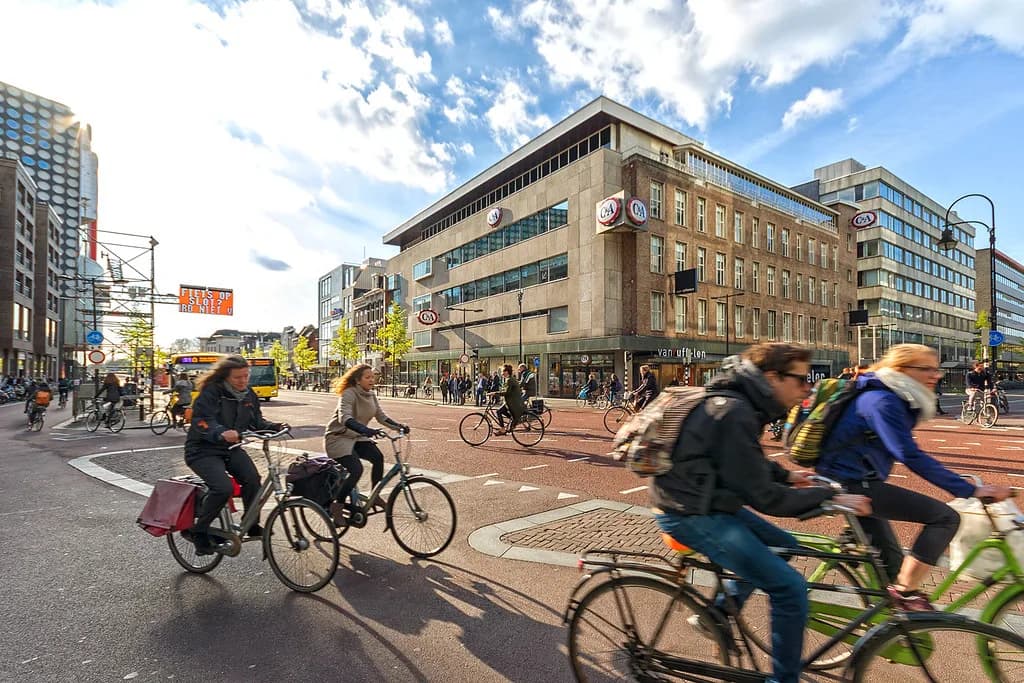
Two things work in your favour. First, Utrecht is compact, so you walk between the Oudegracht, the Dom Tower and the museum quarter instead of paying fares. Second, its best-known experience, the wharf-level terraces and streets along the Oudegracht, is free to roam. Budget by deciding up front how many ticketed sights you want, then let the rest of the day be walking and coffee.
How Utrecht compares with other Dutch cities: the Groningen comparison
The useful published comparison is Utrecht against Groningen, and it frames the whole question. Utrecht comes out about 39% more expensive on the overall index, with food about 10% higher. Read that as a relative signal: travelling from Utrecht to Groningen would feel cheaper on day-to-day spending, and the reverse would feel dearer.
What the comparison cannot tell you is the absolute cost of a night in a Utrecht hotel or a museum ticket, so no figures for either appear here. Instead, treat the Groningen gap as your planning ratio: if you have a sense of what a Dutch city break costs you elsewhere, expect Utrecht's food and daily spending to sit somewhat above it, and budget a little more per day for meals.
What drives the cost of a Utrecht city break: location, museums, eating out
Location is the first cost driver, and it is also Utrecht's main selling point. The city sits in the middle of the Netherlands, about 25 minutes by train from Amsterdam and around 30 minutes direct from Schiphol Airport. That centrality makes Utrecht easy to reach from a UK or US arrival point, but it also means you are paying for a well-connected, in-demand city rather than a quiet outlier.
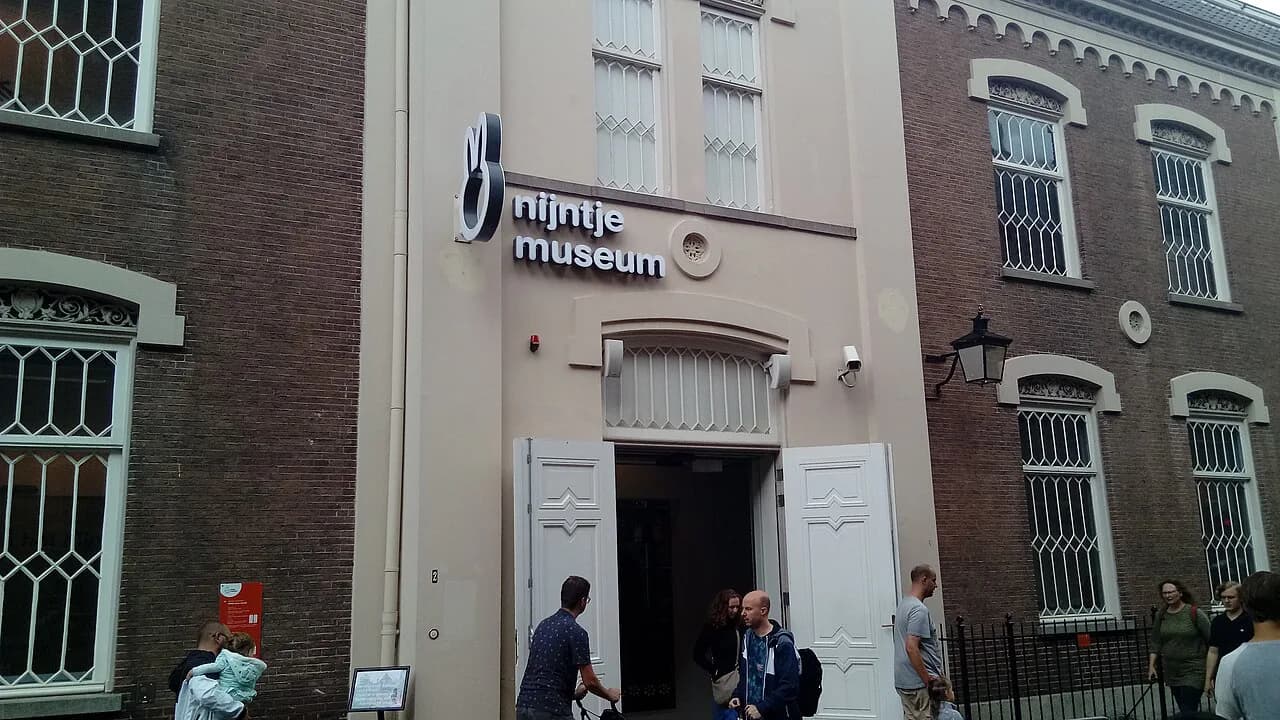
Museums and ticketed sights are the block you control most directly. Rather than booking everything, choose two or three that genuinely interest you and check current admission on each museum's own website, since prices change and none are quoted here. A short city break rarely needs more than that; one well-chosen museum plus free wandering beats a rushed pass through five.
Eating out is where a Utrecht budget quietly grows. The wharf-level terraces along the Oudegracht are the city's signature experience, and a drink with a view is worth one splurge, but you do not need every meal on the water. Mixing a terrace stop with simpler daytime food keeps eating-out costs nearer the modest end of the comparison rather than scaling everything to the 39% overall figure.
Ways to spend less: free wharves, the Oudegracht and picking paid sights
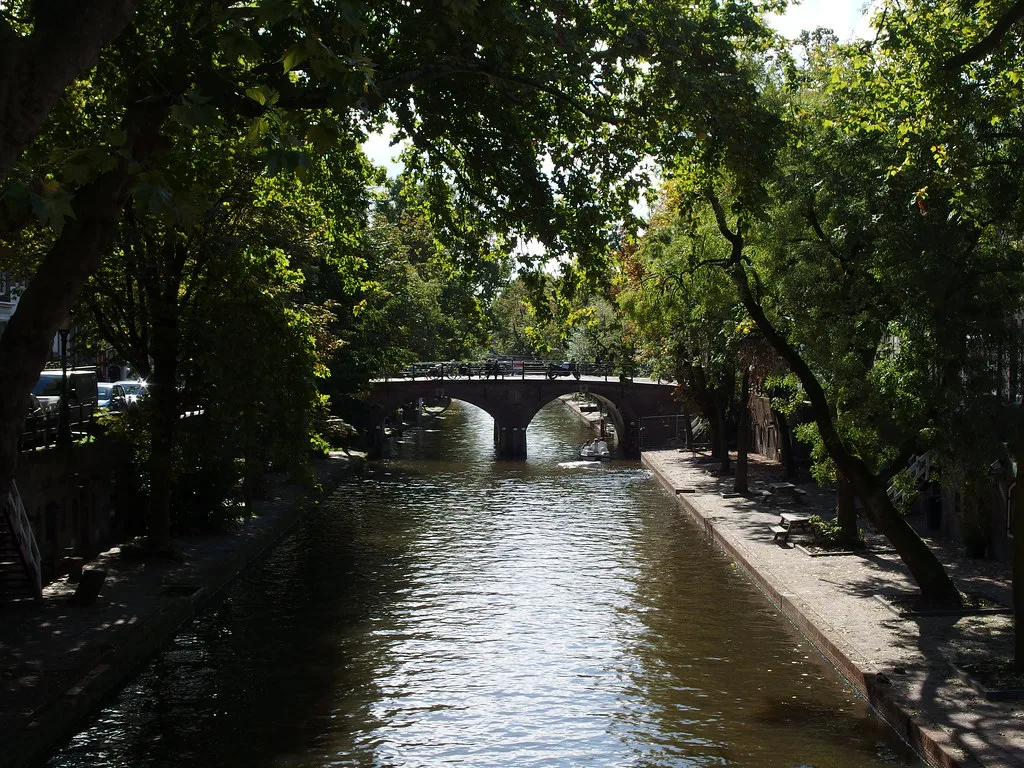
The Oudegracht gives Utrecht its cheapest good day. Because the city built a sub-street level of wharves and cellars along the canal, you can walk below the streets, look up at the terraces and cross at the low bridges without spending anything. Start at the Dom Tower square, drop to the wharf, and follow the canal until you have had enough; that is a half-day of the best of Utrecht for the price of a coffee.
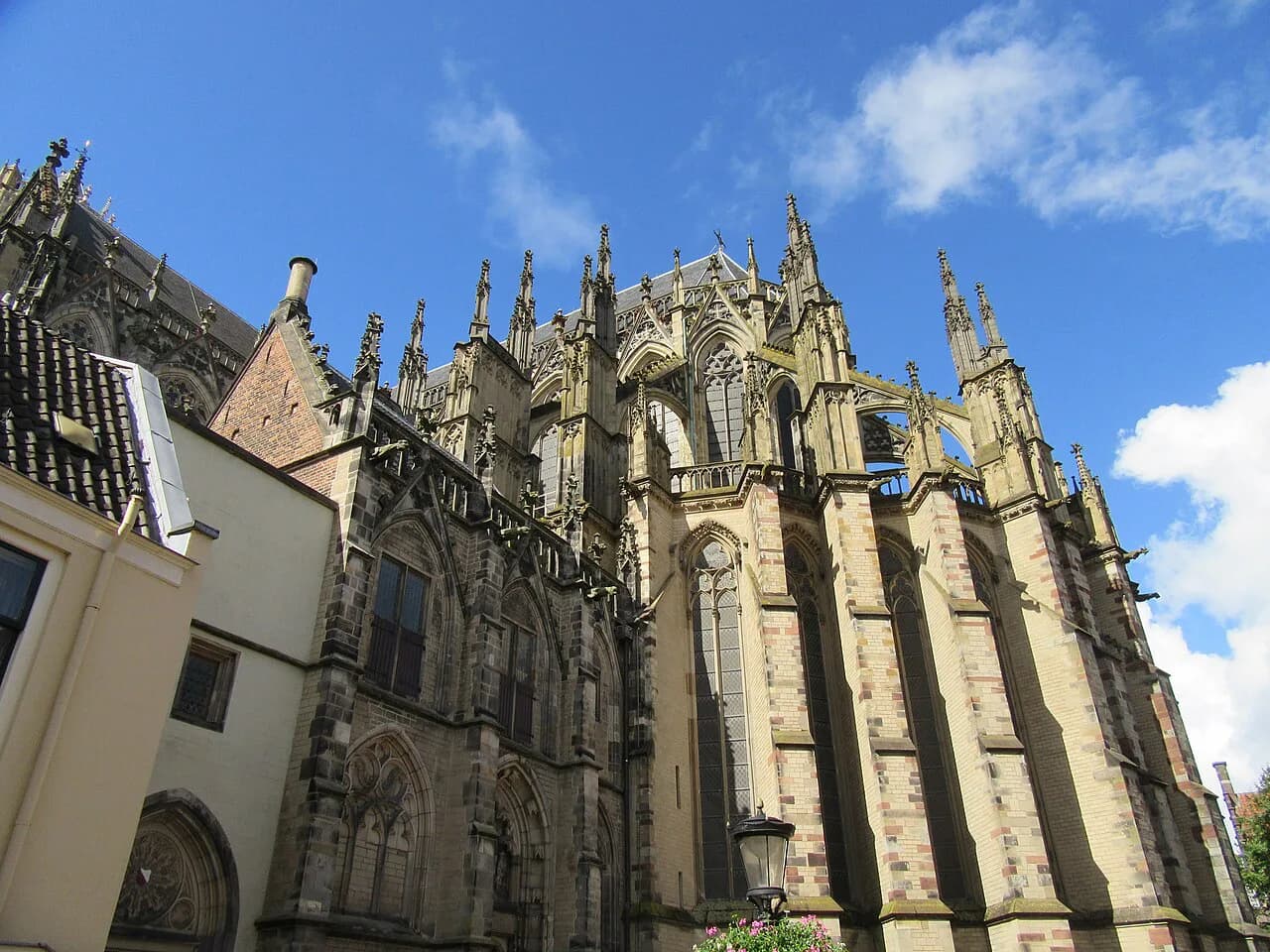
Pair free walking with one or two paid highlights rather than a full slate. A compact set of central sights, the Dom Tower, the Oudegracht and the museum quarter, means short walks between them and no transport costs. Work out your route in advance so you are not paying for convenience you do not need.
Spread paid sights across your days instead of cramming them in. Utrecht rewards slow days, and a plan that mixes a museum morning with an afternoon on the wharves usually comes out cheaper and more enjoyable than a packed schedule. If you are weighing how much time the city deserves, work out the shape of the trip before you book anything, and look at more ways to cut the bill in Utrecht on a budget.
Where the money goes over one, two and three days
On one day, most of the spend goes on getting there and one good meal. You can cover the Dom Tower exterior, the Oudegracht wharves and a museum in a single unhurried loop on foot, so the day's variable cost is basically lunch, coffee and one ticket. Keep the day tight and Utrecht is far from ruinous.
On two days, accommodation becomes the largest line, and meals out multiply. The transport cost barely changes because you are walking, so the extra day is really a hotel night plus two or three meals and perhaps one more museum. That is the point to decide whether a second paid sight earns its place or whether a long canal walk and a terrace drink do the job.
On three days, the pattern flattens: each extra day adds roughly a night's lodging and meals, while sightseeing stays modest if you resist adding ticketed attractions. Three days also lets you slow down and use the free city, the wharves, the streets between the Dom Tower and the museum quarter, as the main event rather than the filler. Build that shape into your Utrecht itinerary and the budget follows.
Is Utrecht worth the extra over a cheaper Dutch city?
Yes, if you want the country's most central base and its distinctive wharf-level canals. The premium over Groningen buys location, short hops to Amsterdam and Schiphol, and one of the Netherlands' most walkable old centres. If your priority is the lowest possible daily spend, a cheaper city wins; if it is an easy, compact break, Utrecht earns its price.
Either way, fix your paid sights and your eating-out rhythm before you go, then check current museum admission and train fares on the operators' own sites. Utrecht's costs fall into predictable blocks once those two levers are set, and the free canal level is always open.
Explore more Utrecht guides
Frequently Asked Questions
How much does it cost to live in Utrecht?
This guide covers a short visit, not residency, and does not quote monthly living costs. The one useful reference point here is that one published cost-of-living comparison puts Utrecht about 39% above Groningen overall, with food around 10% higher, so day-to-day spending sits above a cheaper Dutch city.
Is Utrecht a wealthy city?
This guide has no evidence to judge how wealthy Utrecht residents are. What the published comparison does show is that Utrecht's everyday prices sit above Groningen's, which is a budgeting cue for visitors rather than a verdict on the city's incomes.
Sources
Notes for your next Dutch city break
Optional updates to our Netherlands guides.
You might also like
Continue reading
More guides you'll find useful