Utrecht Cathedral: Visiting the Domkerk and Dom Tower
Utrecht's cathedral is the Domkerk, whose nave collapsed in 1674, leaving the choir and the 112-metre Dom Tower standing apart. Here is what to see.
On this page
Utrecht's cathedral is the Domkerk, and its defining feature is what is missing: the nave, which collapsed in a storm in 1674, leaving the Gothic choir and the 112-metre Dom Tower as the main surviving structures. The tower stands detached, and the church is a compact, incomplete Gothic interior rather than a full-length nave. This guide covers the tower climb, the church interior, the Protestant congregation that has used the building since 1580, and how to fit both into a city break.
What Utrecht cathedral actually is
The Domkerk, formally St Martin's Cathedral, began construction in 1254 and was still being built into the 16th century. It was built as the cathedral for the Roman Catholic diocese of Utrecht, and the church passed to Protestant worship in 1580, which is the congregation that still uses the building today. Locals say Domkerk for the church and Domtoren for the tower, and both sit on the Domplein in the old centre, a couple of minutes on foot from the Oudegracht.
If you are used to intact European cathedrals — one long nave running to a high altar — Utrecht will read differently. The surviving fabric is the choir, the transept and the tower, so the interior is compact and the exterior is a landmark you can walk around quickly. That makes the Domkerk an easy add-on to a morning rather than a half-day commitment, and it pairs naturally with the museums in Utrecht that cluster nearby.
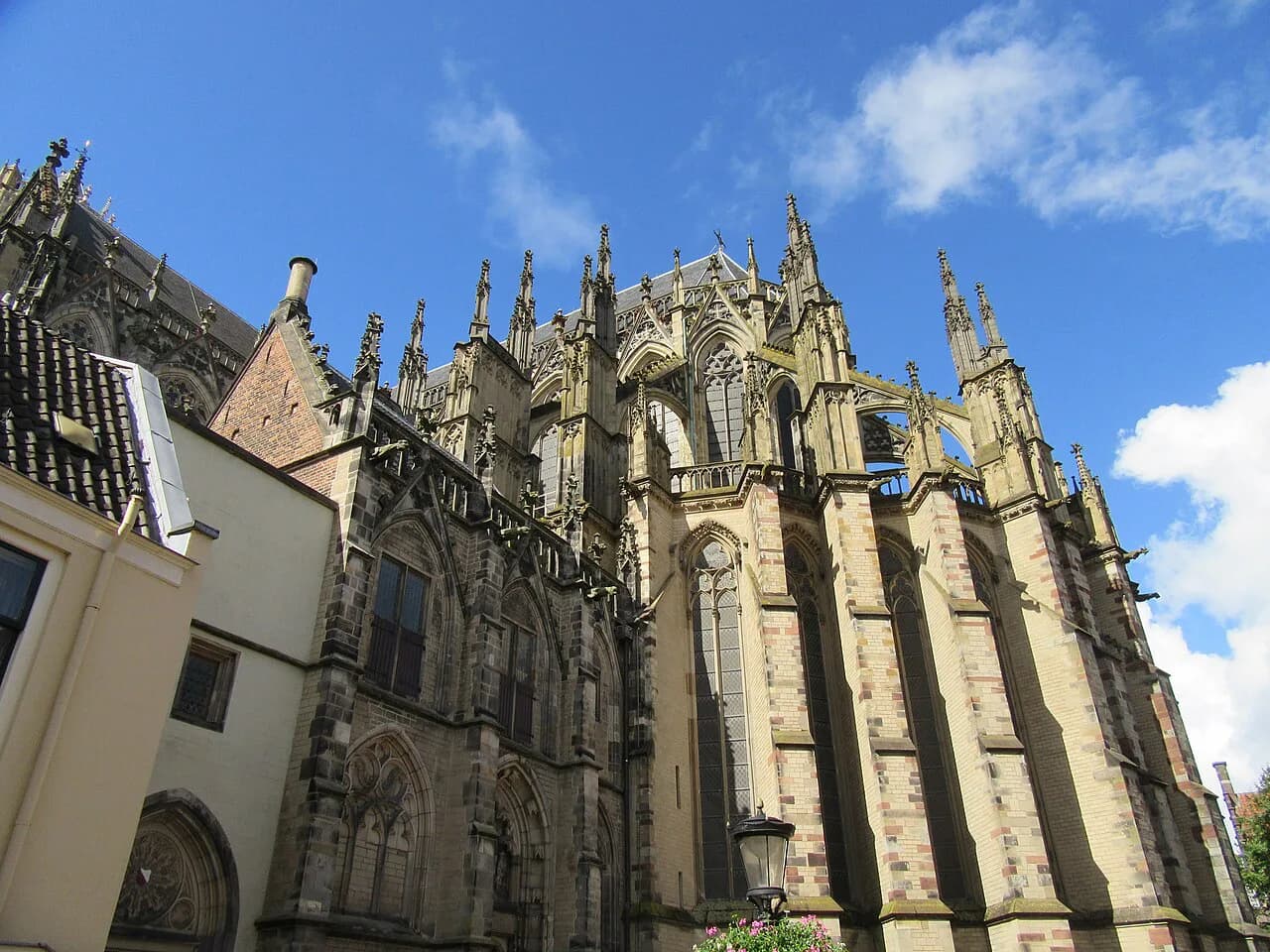
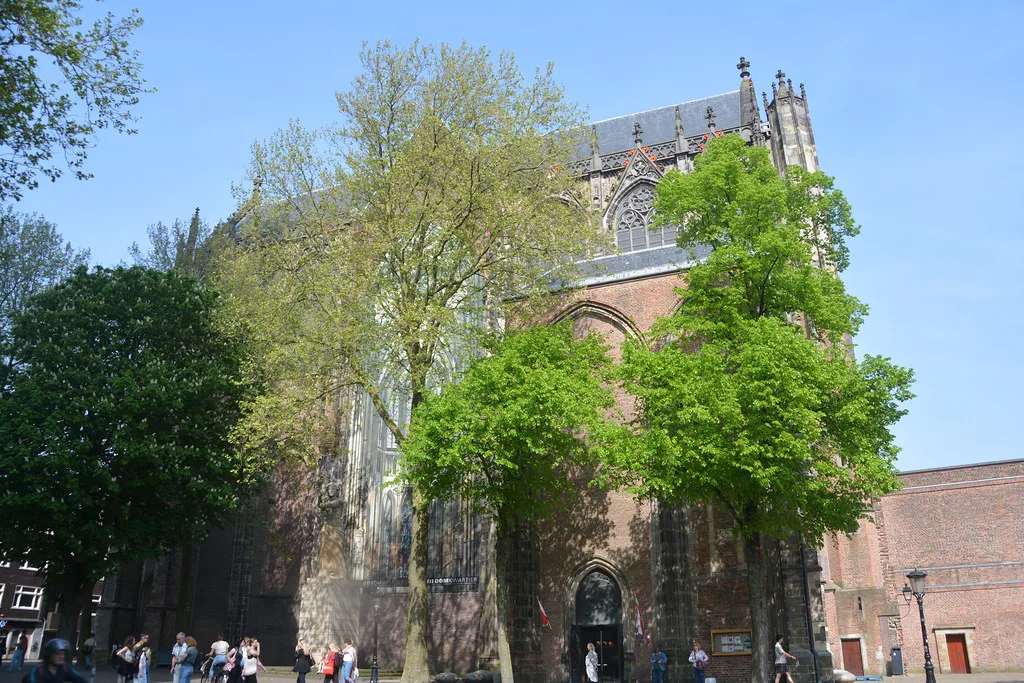
The site also rewards a little architectural reading. The choir's high vaulting and stained glass carry the Gothic detail, and the tower's soaring arches and carved stonework show the skill of the medieval masons who built it.
Why the nave is missing: the 1674 storm and the gap
A violent storm in 1674 brought down the nave, leaving the choir, transept and tower standing, and the nave was never rebuilt. That single event is the reason the tower is detached from the church: it reads as a free-standing campanile rather than the top of a cathedral frontage. The storm is not a piece of trivia to skim — it explains the site, and it is why the Domplein layout looks as it does.
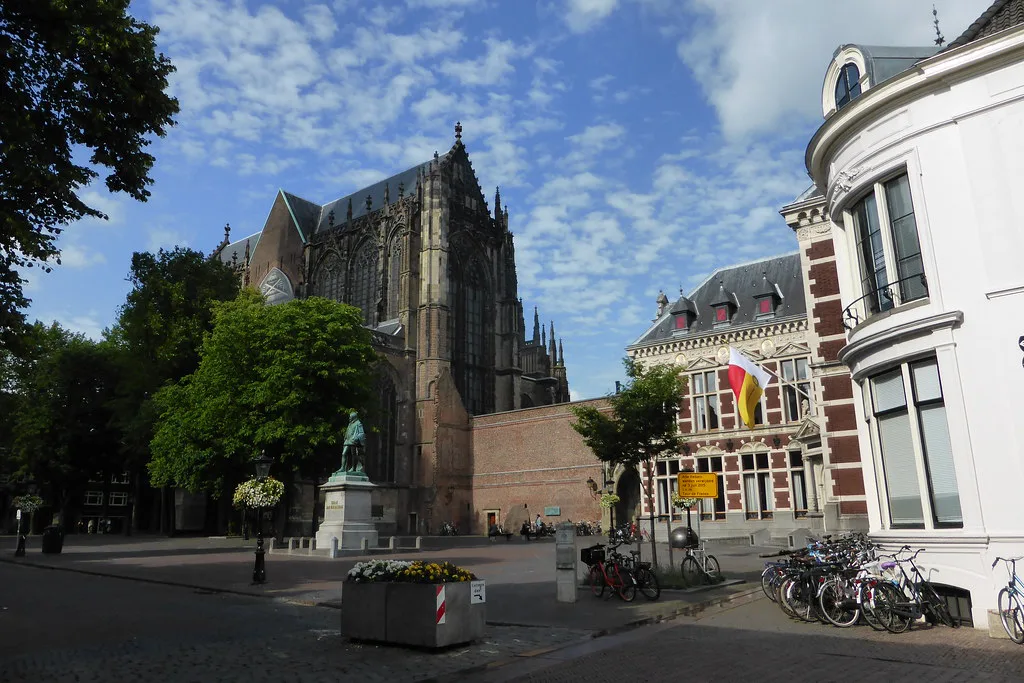
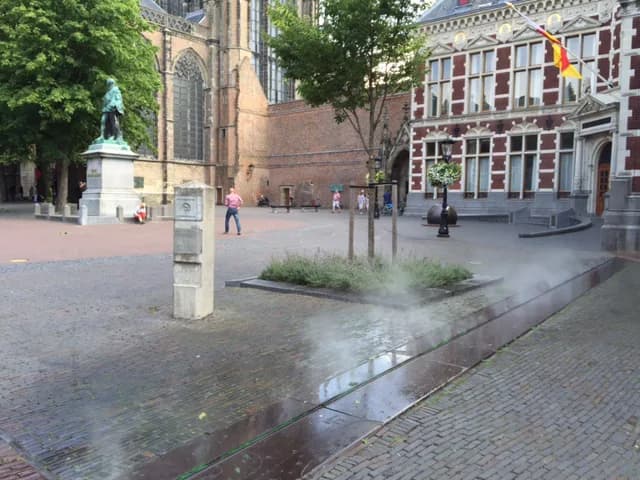
Walk into the Domplein and you get the full effect in a few seconds: tower on one side, truncated church interior on the other, with the open square between them. That layout means you can split your visit — tower first, church later, or vice versa — without retracing a long route.
The gap also gives you a visible way to read the site's history. Look at how the church front stops bluntly where the nave once continued, and how the tower stands detached. Readers who want the longer story of the city around this square will find it in Utrecht history, which gives the storm and the medieval bishopric their proper context.
The Dom Tower: 112 metres and 465 steps
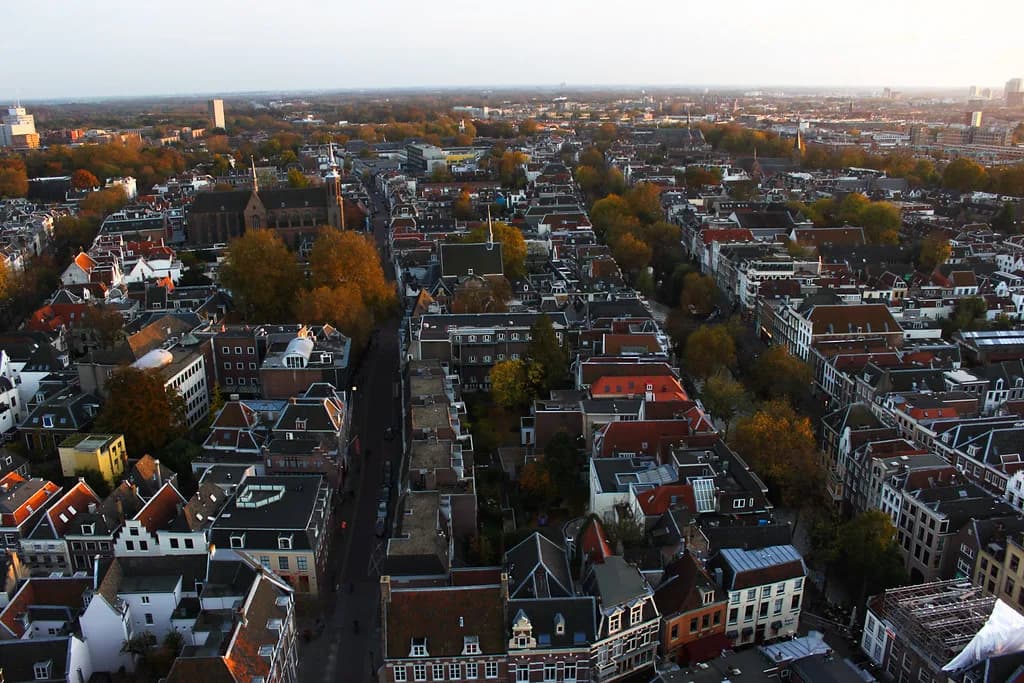
The Domtoren is the tallest church tower in the Netherlands at 112 metres, and the climb runs to 465 steps — a serious stair effort rather than a lift ride. Anyone with knee trouble, a fear of confined spiral stairs or a tight schedule should weigh the climb honestly: it is the single most physical thing on the Domplein, and you will feel it. The payoff is the view over the city.
Go with the climb rather than against it. A morning slot is easier on the legs and gives cleaner light across the rooftops, with a lighter afternoon for the church interior. The tower is a separate structure from the church, so confirm the exact entrance, opening times and any ticket arrangements before you build a day around it.
Allow the climb to take a meaningful slice of your day, not a five-minute stop. If you are travelling with someone who would rather sit this out, the Domplein itself is a pleasant place to wait.
Inside the Domkerk: choir, transept and stained glass
The interior is a quiet, compact Gothic space — the choir with its high vault and stained glass, and the transept where the nave would once have continued. Because the building is incomplete, the visit is short and focused: you look closely rather than cover distance. Give it twenty to thirty minutes at a gentle pace and you will have seen the essentials.
Utrecht's painting tradition is best seen in the city's museums rather than in the church. Set aside time for one of them alongside the church; the art galleries guide covers where to look.
If the weather turns, pair the church with a nearby museum for a sensible wet half-day; our guide to indoor activities in Utrecht covers the reliable options.
How long to allow and how to split the visit
Treat the Domkerk and Domtoren as one combined stop of two to two and a half hours: roughly an hour and a half for the climb with its stairs and views, and half an hour for the church. On a one-day Utrecht trip, that is a chunky but worthwhile block in the morning, leaving the afternoon for the Oudegracht and one museum. On a longer break of two to four days, split them — tower on a clear morning, church on a quieter afternoon — and you will feel less rushed.
The congregation and the Protestant tradition
The Domkerk has served as a Protestant place of worship since 1580, and it still functions as a working church rather than only a museum. Services and church activities may be in progress; visitors should enter respectfully and be prepared to step around them. For a traveller used to ticking off sights, a working church with regular worship is a slightly different rhythm — quieter, and less curated.
Read the notice board near the entrance for service times rather than planning around an online list you assume is current. If you want the church to yourself, avoid Sunday morning; if you would like to hear the space used as it is meant to be, a service is the way to see it.
Fitting the Domplein into a short Utrecht break
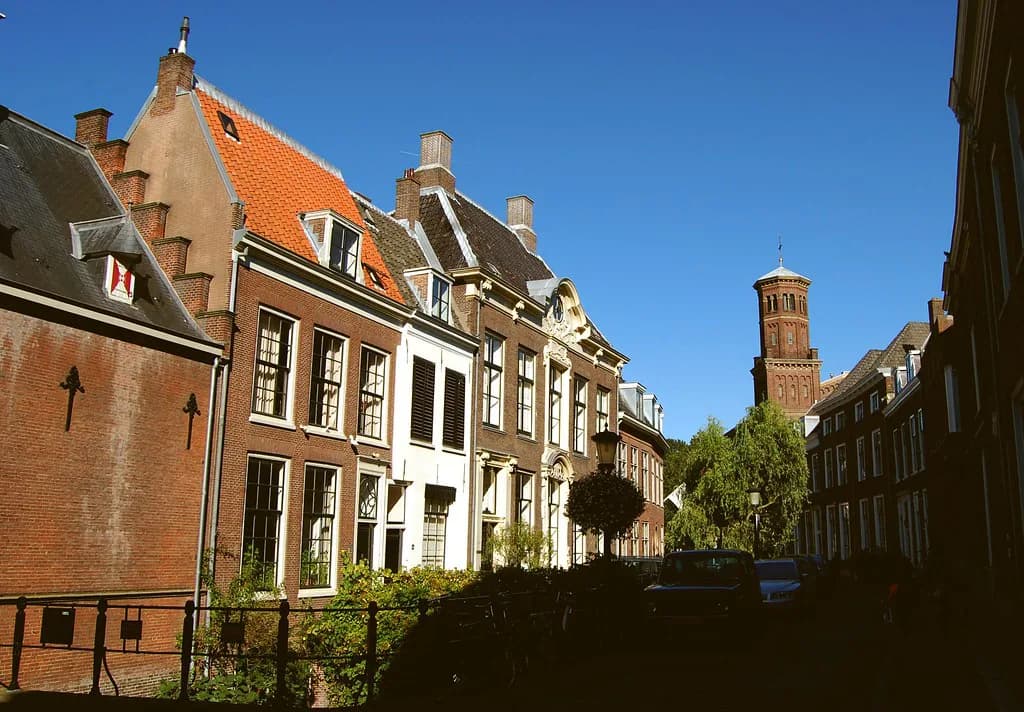
The Domplein is a natural anchor for a day in the old centre. From the square it is a short walk to the Oudegracht for the wharf-cellars and canal views, and the city's main sights fan out from there. Much of what you come for in central Utrecht lies within walking distance of the square.
For a fuller plan — what to see beyond the cathedral, how the days divide, and where to fit the other sights — start with the attractions in Utrecht hub, then decide whether the tower climb or a museum gets the prime morning.
Climb the tower or just see the church?
Climb the Domtoren if your legs and your itinerary can take 465 steps and you want the commanding view over the old centre; see the church and the Domplein if you are short on time or prefer architecture to stairs. Both together make a solid two-hour morning, and the surviving site tells its own story.
Check current opening times, any ticket arrangements and service times with the Domkerk and Dom Tower before you travel, then plan the rest of your day around the Oudegracht and one good museum.
Explore more Utrecht guides
Frequently Asked Questions
What is Utrecht's cathedral called?
Utrecht's cathedral is the Domkerk, formally St Martin's Cathedral, and locals call the tower the Domtoren. The church and the free-standing tower both sit on the Domplein in the old centre.
Why does the Dom Tower stand apart from the church?
A violent storm in 1674 brought down the nave, leaving only the choir, the transept and the 112-metre Dom Tower standing. The nave was never rebuilt, so the tower stands detached.
How tall is the Dom Tower and how many steps are there?
The Domtoren is 112 metres tall and is the tallest church tower in the Netherlands. The climb to the top runs to 465 steps, so it is a serious stair effort rather than a lift ride.
Sources
Notes for your next Dutch city break
Optional updates to our Netherlands guides.
You might also like
Continue reading
More guides you'll find useful