Things to Do in Haarlem: A City Break Guide
Plan a Haarlem city break with the Grote Markt and St. Bavokerk, Teylers and Frans Hals museums, the Gouden Straatjes, courtyards and the Spaarne.
On this page
Haarlem is worth two days, and one day only if you pick a lane: museums and the Grote Markt in the morning, the Spaarne or a bike ride in the afternoon. The old centre is small enough to cross on foot, so you spend your time looking rather than travelling. This guide arranges the city by area and half-day, covers the market days and the Monday-morning shopping caveat, and gives honest trade-offs for a single-day visit. For the layout on the ground, the Haarlem Old Town guide covers the streets around the square.
The sights cluster tightly. The Grote Markt holds the City Hall, the Hoofdwacht and the Grote Kerk, the museums sit a short walk away, and the Spaarne runs along the eastern edge of the historic centre. Once you know which cluster sits where, a one-, two- or three-day plan falls into place without much backtracking.
What to do in Haarlem in a nutshell
Four things anchor a short break: the Grote Markt with St. Bavokerk, the Teylers Museum, the Frans Hals Museum and the Spaarne waterfront with Molen de Adriaan. Add the Gouden Straatjes for shopping, the courtyards for quiet, and the market on the square if your dates line up. Everything else is a variation on those.
Haarlem's cultural weight is out of proportion to its size. It holds the oldest museum in the Netherlands, and the monumental centre is dense with art, history and creative initiatives, from the Frans Hals Museum to the Teylers Museum. That density is why a compact break works: you are never more than a short walk from the next thing.
The city also has a waterfront life that many short-break visitors miss. Canal cruises run on the Spaarne, and you can rent a boat and cruise the city yourself if you prefer to steer. Treat that as a half-day in its own right rather than an add-on squeezed between museums.
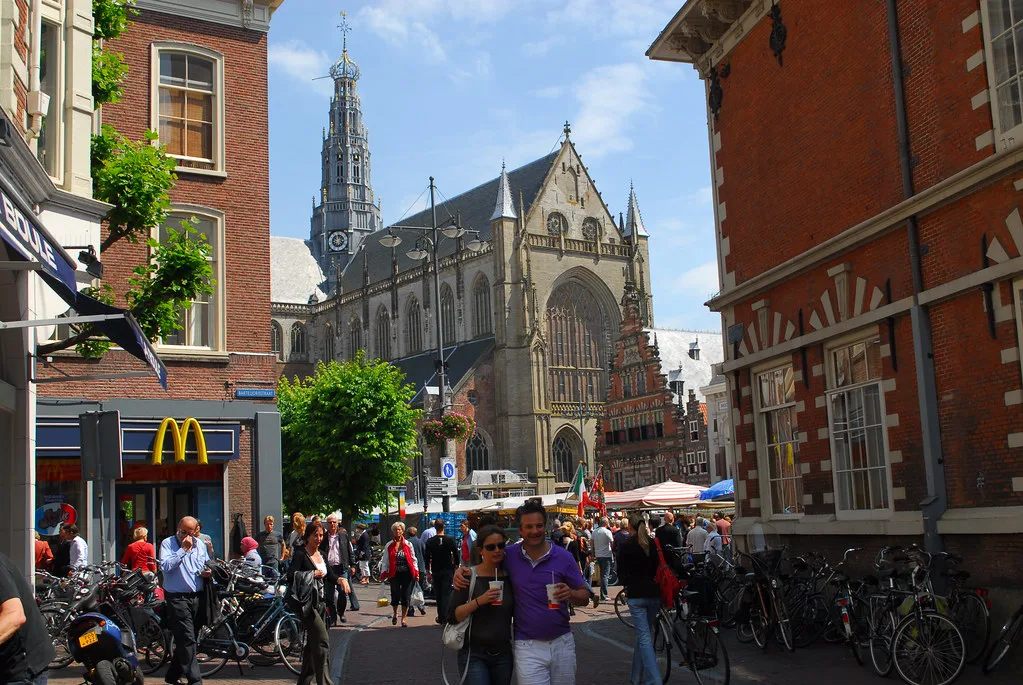
How Haarlem is laid out, and how long you need
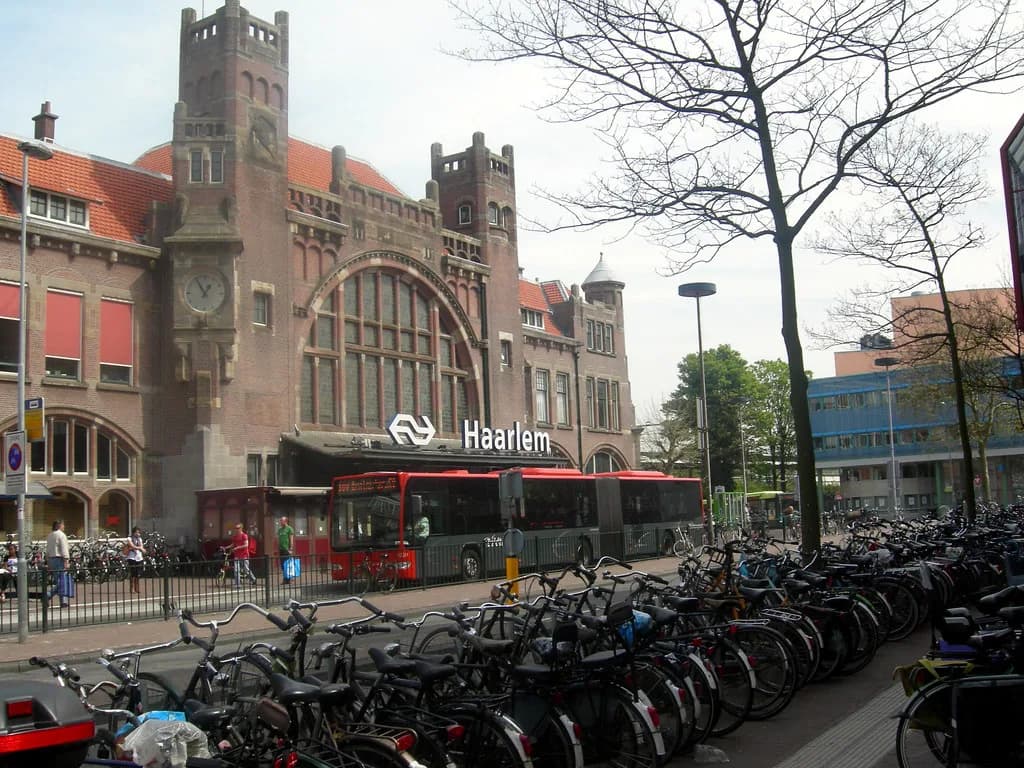
The historic centre sits west of the Spaarne, with the Grote Markt at its heart. The station is on the eastern side of the city, so most visits start with a short walk in past the water. Trains from Amsterdam take about 15 minutes, which makes Haarlem an easy base rather than a commute.
Give Haarlem one full day if you want either the museums or the water, and two days if you want both plus shopping and courtyards. A long weekend lets you add a bike ride out towards Overveen and Bloemendaal aan Zee, or west to the Spaarnwoude recreation area between Haarlem, Amsterdam and Velsen.
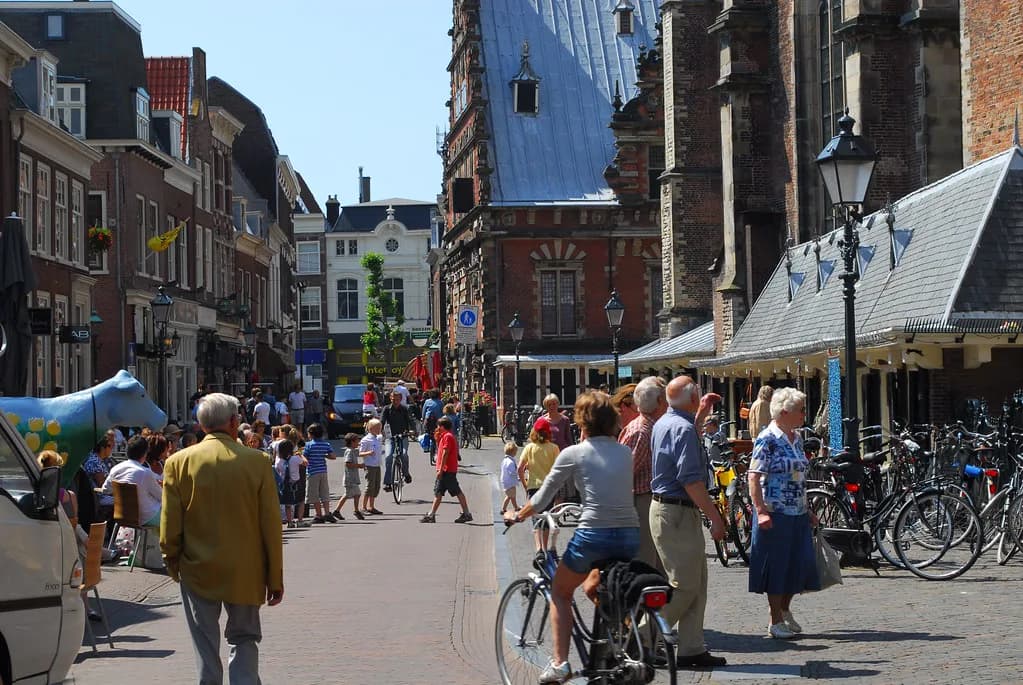
Walking is the default in the centre; distances between the Grote Markt, the museums and the Spaarne are short enough that you will not need transport. Save the bike for the edges of town and the routes out. A Haarlem Walking Tour works well on the first morning to fix the geography before you branch out.
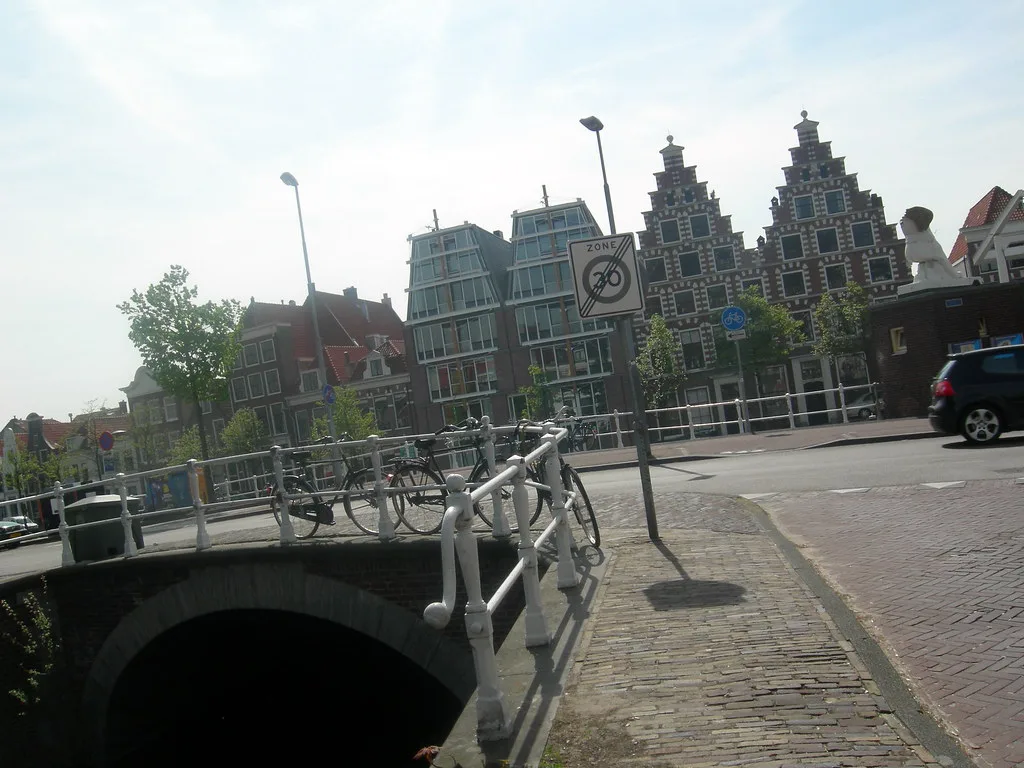
The Grote Markt and St. Bavokerk
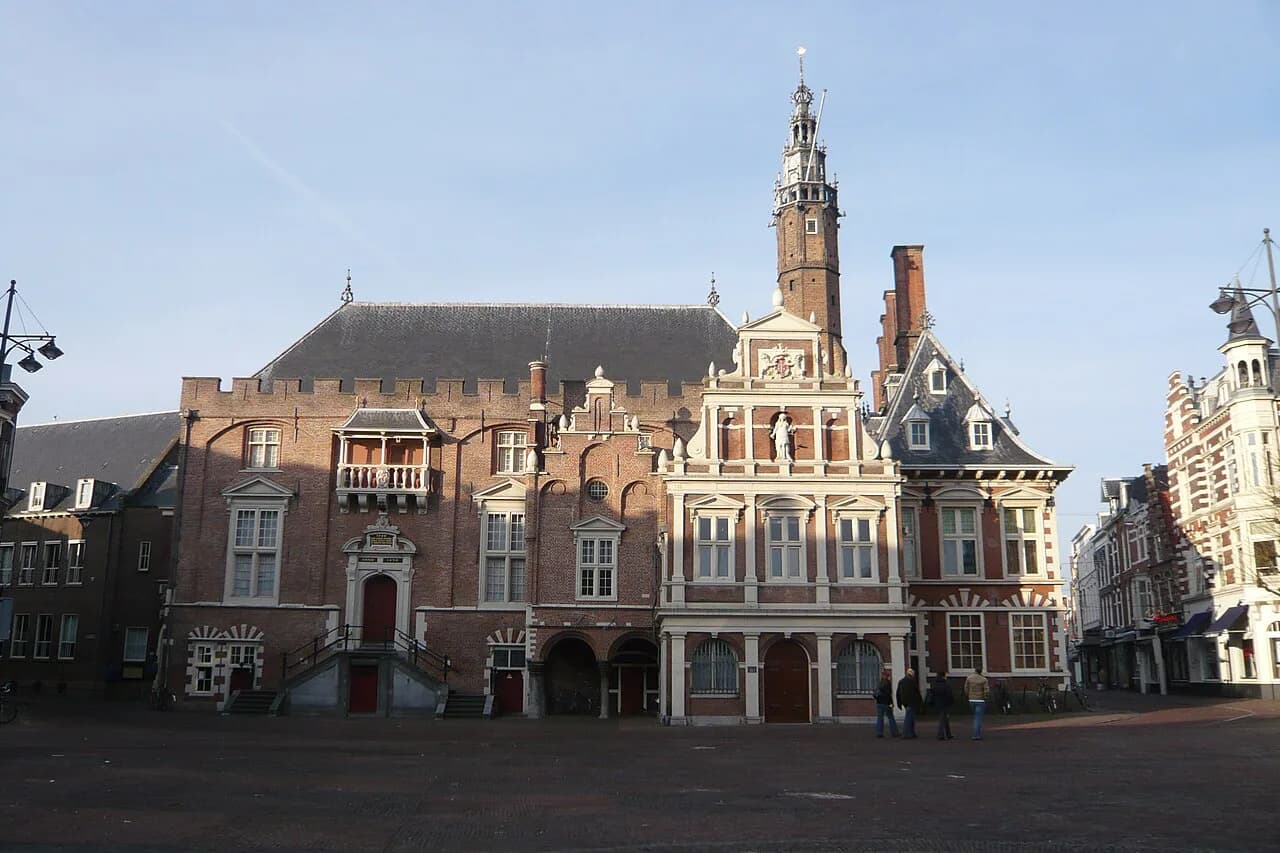
The Grote Markt was the original centre of Haarlem, once called 't Sant, and it remains the city's main square. The City Hall, which also houses the VVV tourist information office, stands on the site of the Counts of Holland hunting lodge and was rebuilt flamboyantly after a 14th-century fire. The 13th-century Hoofdwacht, where the civic guard met, and the former meat hall now used by Museum de Hallen, face the square too.
St. Bavokerk, also called the Grote Kerk, dominates the skyline with a 50-metre steeple and was completed in 1520. Inside, Frans Hals and Pieter Saenredam are buried, and the Müller organ of about 5,000 pipes was played by Mozart at the age of ten. Allow half an hour to an hour, more if you like church interiors. Do not confuse it with the KoepelKathedraal, the Catholic Cathedral of Saint Bavo elsewhere in the city, which is a separate building.
This is the natural first stop of any visit because everything else radiates from it. Arrive early to see the square before the market stalls or the day's crowds arrive, then move on to the museums while they are still quiet.
Museums worth your time
The Teylers Museum is the oldest museum in the Netherlands, and its collection mixes paintings and drawings by The Hague School and Dutch Romantics with fossils, minerals, instruments and books. The 200-year-old Oval Hall is an attraction in itself. Entry is free with the I Amsterdam City Card; without it, buy your ticket at the museum and check opening days before you go.
The Frans Hals Museum shows Dutch Golden Age masters in a building from the early 1600s that once served as an almshouse and an orphanage. Look for the painting of Haarlem orphans in their red and blue uniforms. It pairs naturally with Museum de Hallen on the Grote Markt, which occupies the former meat hall.
The KoepelKathedraal, or Cathedral of Saint Bavo, was designed by Joseph Cuypers and built between the 1890s and 1930s in a mix of styles. It has 12 towers and a 65-metre dome, and you can see it through a guided tour or the church's museum. It sits outside the tightest part of the centre, so give it its own slot rather than squeezing it between square and museum.
The Corrie ten Boom House and Haarlem's war history
The Corrie ten Boom House commemorates the Ten Boom family, who hid Jewish fugitives and fighters in the Dutch resistance during the Second World War, and honours their bravery and sacrifice. It works best as a deliberate stop on a walking route through the centre, where you can take in the surrounding streets alongside it.
Molen de Adriaan and the Spaarne
Molen de Adriaan is a tower windmill on the Spaarne, close to the centre, and has been one of the most striking features of the Haarlem skyline for centuries. A museum inside uses models and visual installations to explain its history and that of other Dutch windmills, and a guided tour takes you up to the deck for views over the city. Combine it with a Spaarne cruise via our Haarlem Canals and Boat Tours guide for a half-day on the water.
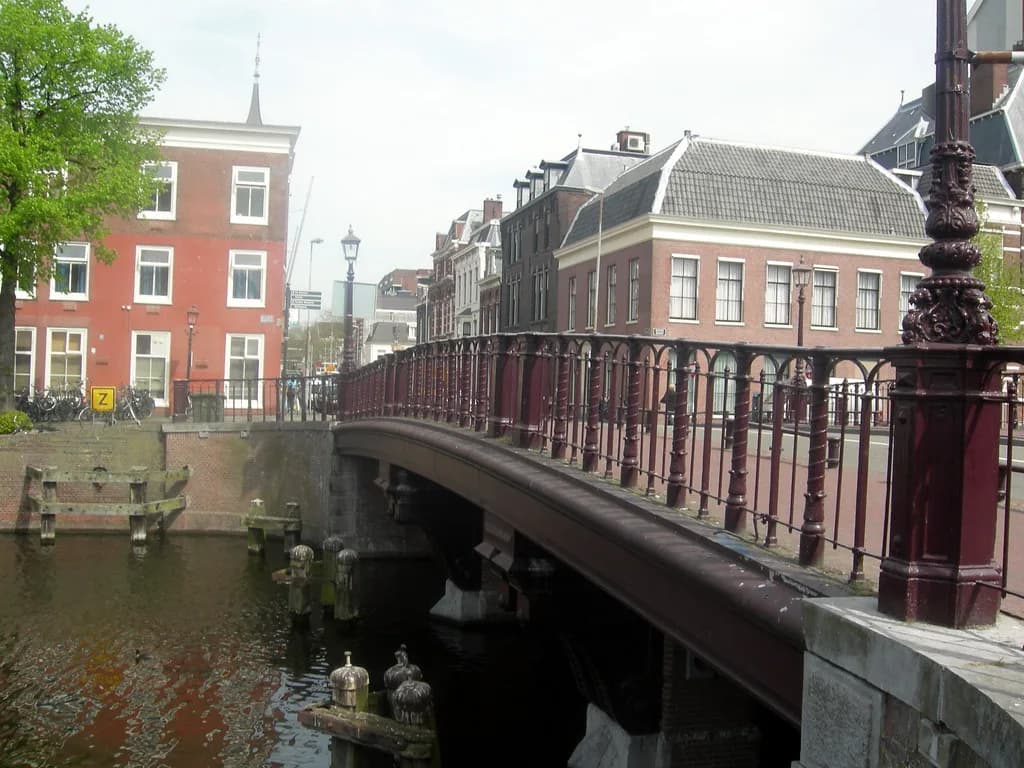
The waterfront itself is worth an hour even without a ticket. Boats pass historic buildings along the canals, and the Spaarne gives you the city from the water rather than from the street. Pair the windmill with a cruise or a rented boat for a half-day that feels quite different from the museum morning.
Shopping the Gouden Straatjes and the Monday-morning caveat
The Gouden Straatjes, Haarlem's compact shopping streets, are the reason to leave an afternoon free rather than fill it with another museum. The city's retail scene runs from vintage to high-street fashion, and the streets sit close enough to the Grote Markt to combine with sightseeing.
Plan shopping for the afternoon. Dutch shops commonly open late on Monday morning, so a Monday arrival is better spent on the square, the church or a walk than on retail. Confirm individual shop hours before you count on a specific store.
Haarlem's hidden courtyards and how to walk between them
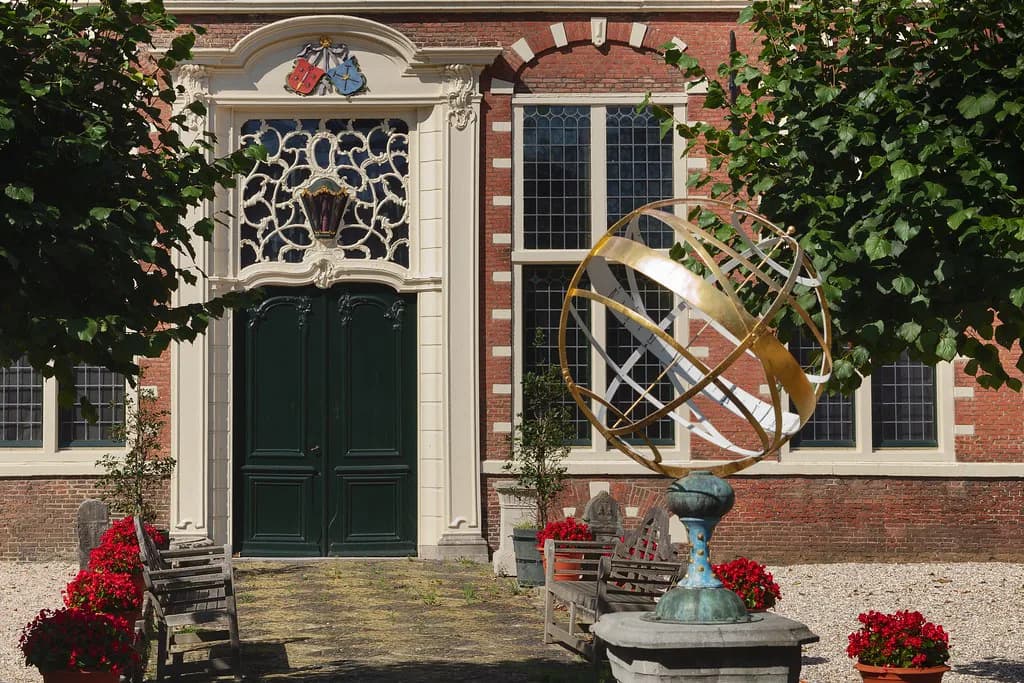
Haarlem's courtyards are the city's quiet counterpoint to the busy centre: small courtyards tucked behind ordinary street frontages. They reward a slow walk rather than a checklist, and they work best in the morning before the streets fill. Build a loop that takes in the Grote Markt and a handful of courtyards, and the city reads very differently from the main shopping routes.
A short guided walk is a fair trade if you have limited time, because the courtyards are easy to pass without noticing. Otherwise, mark two or three on a map and let the route between them show you the medieval streets and monumental buildings the city is known for.
Markets: the Grote Markt on Mondays and Saturdays
A farmer's and trinkets market fills the Grote Markt on Mondays and Saturdays from 9:00 to 16:00. It is packed with local vendors and is the single best reason to shape your day around the square rather than the museums. In August the annual Haarlem Culinair festival takes over the same square with dishes made from local produce.
If your trip includes a market day, come early and eat your way through it before the stalls pack up. If it does not, the square still works as a starting point, and the Hoofdwacht, City Hall and church give you plenty to see. The full calendar of Haarlem markets and their days is worth checking before you fix your dates.
Cycling from the centre
A bike opens up the edges of Haarlem: the beach at Bloemendaal aan Zee is a ride out via the Zeeweg through Overveen, and Zandvoort is about ten minutes from Haarlem by train if you would rather not cycle. Spaarnwoude, between Haarlem, Amsterdam and Velsen, offers walking, biking, canoeing and swimming. Rent a bike Haarlem-style, from a local shop, and head out for a half-day rather than the whole day.
Keep the riding simple: one clear route out and back beats zig-zagging between sights. The centre itself is better on foot, and the bike earns its keep on the longer runs to the coast and the recreation areas.
When to go: season-by-season trade-offs
Spring brings the bulb fields and Keukenhof, which sit almost around the corner from Haarlem and are the region's big seasonal draw. Summer fills the Grote Markt with terraces and the August culinary festival, but it also brings the most visitors. Autumn and winter quieten the streets and suit museum-heavy trips.
Judge the season by what you plan to do. A market-and-museum trip works in any month, while a cycling trip is better in the longer, drier months. If a seasonal event is the reason for your visit, confirm its dates with Visit Haarlem before booking.
A one-day and a two-day plan
With one day, start at the Grote Markt with St. Bavokerk, choose either the Teylers Museum or the Frans Hals Museum, then walk the Gouden Straatjes and finish on the Spaarne with Molen de Adriaan. That is a full day on foot, and it gives you the city's signature sights without rushing.
With two days, put the museums on the first day and the water and courtyards on the second, or reverse it if the market is running. A bike ride to Overveen and Bloemendaal aan Zee fills a second afternoon if the weather holds. If you have a long weekend, add the KoepelKathedraal and the Corrie ten Boom House.
Honest trade-offs and how Haarlem compares with Amsterdam
With one day, drop either the KoepelKathedraal or the boat trip. Both are good, but each needs a clear half-day and neither fits comfortably beside a full museum morning. The compact centre means Haarlem's pace is slower than Amsterdam's, which is the point: fewer sights, less travel between them.
Amsterdam is the transport hub and the obvious comparison, but Haarlem's appeal is a medieval centre you can cross on foot without a tram. If you have already seen Amsterdam's big museums, the Teylers Museum and the Grote Markt give you something quite different. For other Dutch cities with the same compact charm, Den Bosch and Groningen are the natural next stops.
Which Haarlem day is right for you?
Choose your day by what you would regret missing: the museum morning if you want art and science, the market and square if you want the city at its liveliest, or the Spaarne and the windmill if you want the water. Whichever you pick, leave the afternoon loose enough for the courtyards and the shopping streets.
Build the trip around the Grote Markt as a fixed point, then add one museum, one waterfront stop and one walk per day. That structure fits Haarlem's size and keeps the pace human. Confirm any seasonal event, market day or museum ticket directly with the venue before you commit.
Explore more Haarlem guides
Frequently Asked Questions
What are the must-see sights in Haarlem?
Start with the Grote Markt and St. Bavokerk, the Teylers Museum, the Frans Hals Museum, and the Spaarne waterfront with Molen de Adriaan. Add the Gouden Straatjes for shopping, the courtyards for quiet, and the market on the square if your dates line up.
How many days do you need in Haarlem?
One full day covers either the museums or the water; two days lets you do both plus shopping and courtyards. A long weekend lets you add a ride to Overveen and Bloemendaal aan Zee, or west to Spaarnwoude between Haarlem, Amsterdam and Velsen.
When is the Grote Markt market held?
The farmers' and trinkets market fills the Grote Markt on Mondays and Saturdays from 9:00 to 16:00. In August the annual Haarlem Culinair festival takes over the same square.
Is the Teylers Museum free to visit?
Entry is free with the I Amsterdam City Card. Without the card, buy a ticket at the museum and check opening days before you go.
Is the Corrie ten Boom House part of Haarlem's history?
Yes. The house commemorates the Ten Boom family, who hid Jewish fugitives and fighters in the Dutch resistance during the Second World War.
Is Haarlem a good base for a city break?
Yes. Trains from Amsterdam take about 15 minutes and the compact historic centre is walkable, so Haarlem works as a base for the area rather than a commute.
What can you do on the water in Haarlem?
Canal cruises run on the Spaarne, and you can rent a boat and cruise the city yourself. Combine a cruise with a visit to Molen de Adriaan for a half-day on the water.
Which day of the week is best for shopping in Haarlem?
Choose a Tuesday–Saturday afternoon rather than Monday morning, when Dutch shops commonly open late. Confirm individual shop hours before you count on a specific store.
Sources
Notes for your next Dutch city break
Optional updates to our Netherlands guides.
You might also like
Continue reading
More guides you'll find useful