Utrecht History: The Periods That Shaped the City
A short history of Utrecht for visitors, from the Roman fort of Trajectum to the Dom Tower and the Rietveld Schröder House, and the places that show it.
On this page
Utrecht's history is easy to read on foot because each period left a place you can stand in: the Roman fort under the streets, the Dom Tower on Domplein, the sunken wharves of the Oudegracht and the modern house that made Gerrit Rietveld famous. Give the centre half a day to walk the layers, and a separate half-day if you want to reach the Rietveld Schröder House. This guide takes each period in turn and names the spot where you can still see it.
Roman Trajectum: the fort on the empire's northern edge
Utrecht began as a Roman fort called Traiectum, founded in the first century at what was the northernmost border of the Roman empire. The River Kromme Rijn runs through the same ground today, and the city's name grew from the Latin word for a river crossing. Little of the fort stands above ground, but knowing it is there changes how you look at the streets around Domplein: this was a frontier post before it was ever a church city.
The Roman layer is best understood as a starting point rather than a set of ruins to tick off. Walk the lanes between Domplein and the Oudegracht with the fort in mind, then move to the medieval city that was built directly on top of it. Archaeology under the square has revealed the older settlement, and guided tours of the area cover those remains.
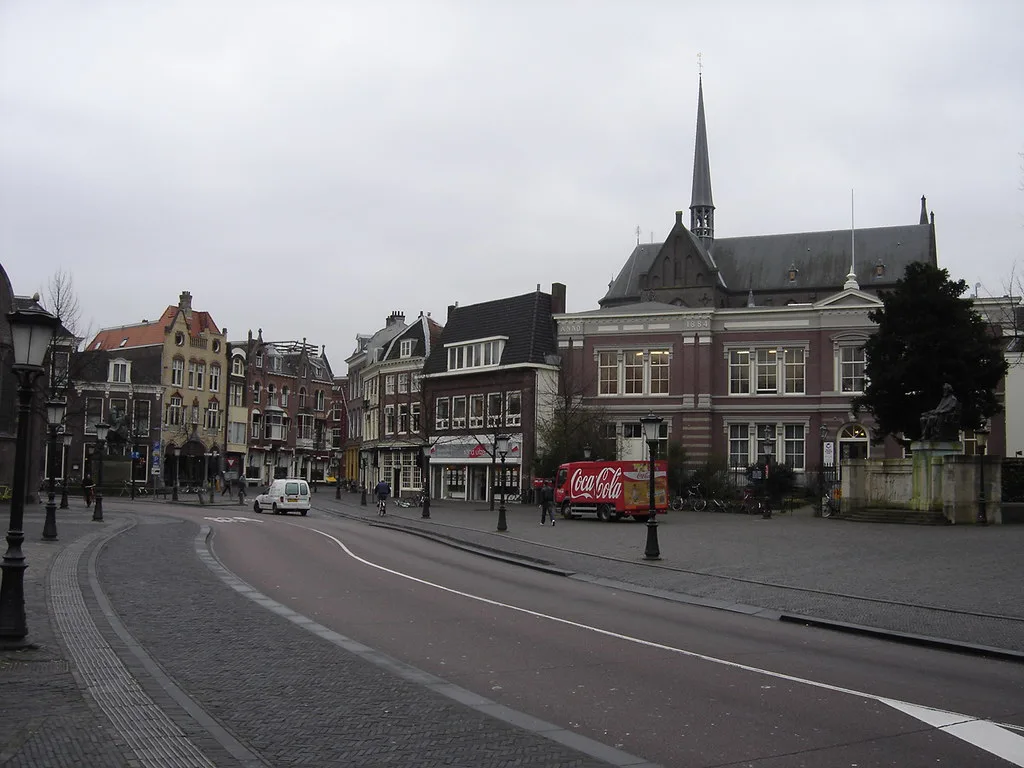
The medieval church city and the Dom Tower
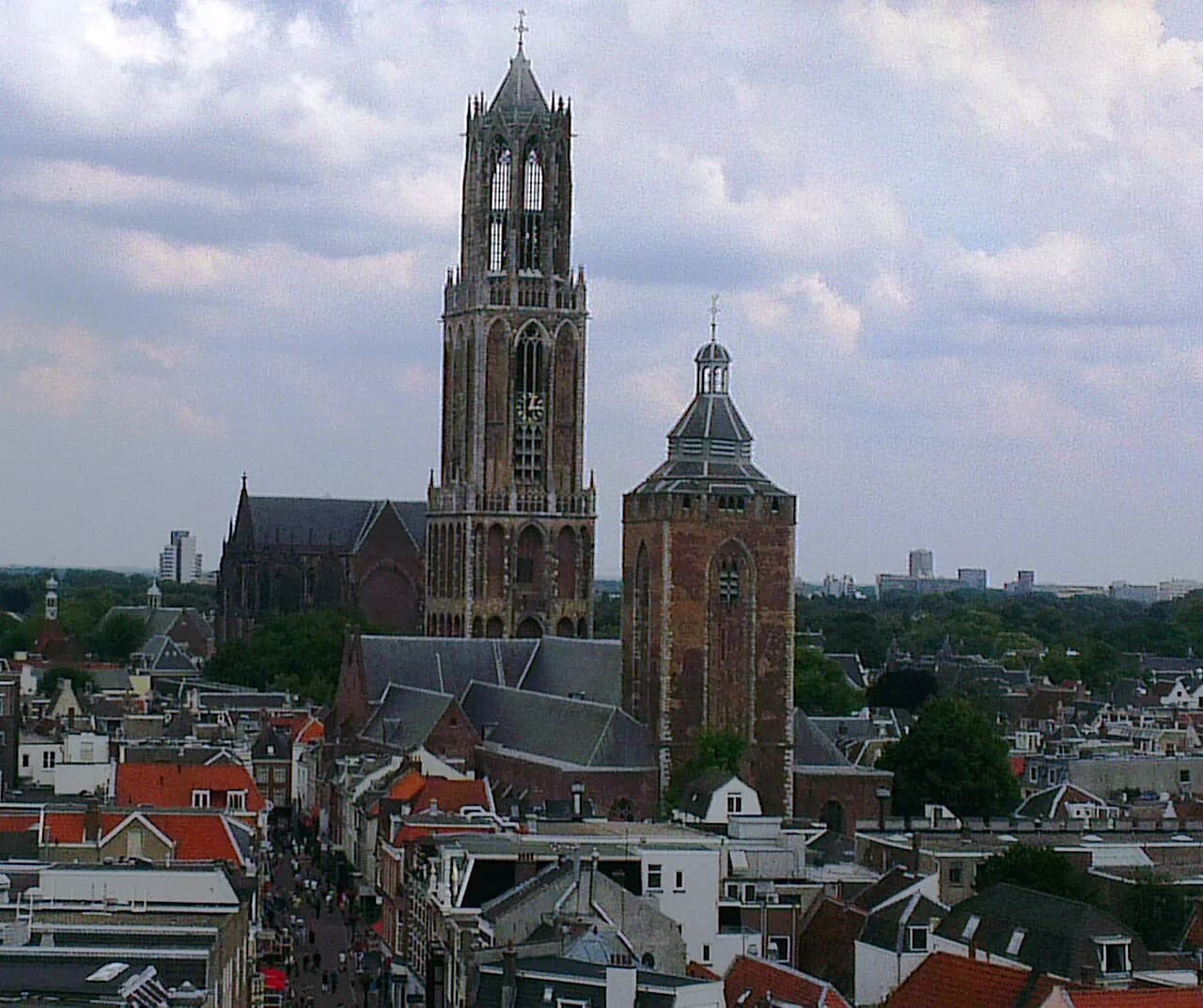
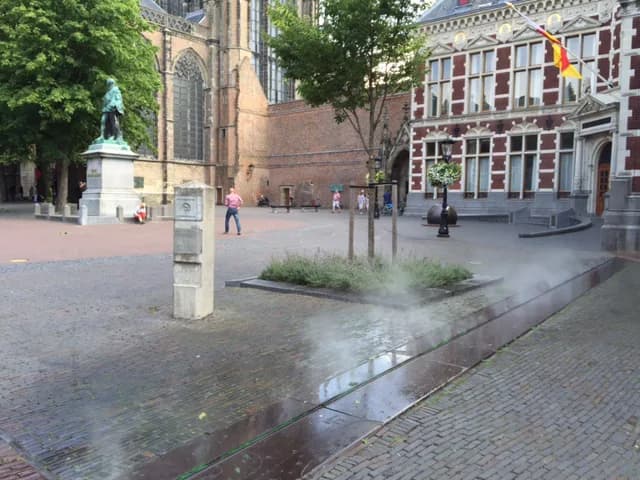
In the Middle Ages Utrecht became the seat of a bishop and the main church city of the Low Countries, a religious and trading centre that shaped the whole region. The Dom Tower is the tallest church tower in the Netherlands at 112 metres, and it still dominates the skyline above Domplein. The tower dates from the fourteenth century, and its height is what makes the square read as a medieval building site rather than a formal close.
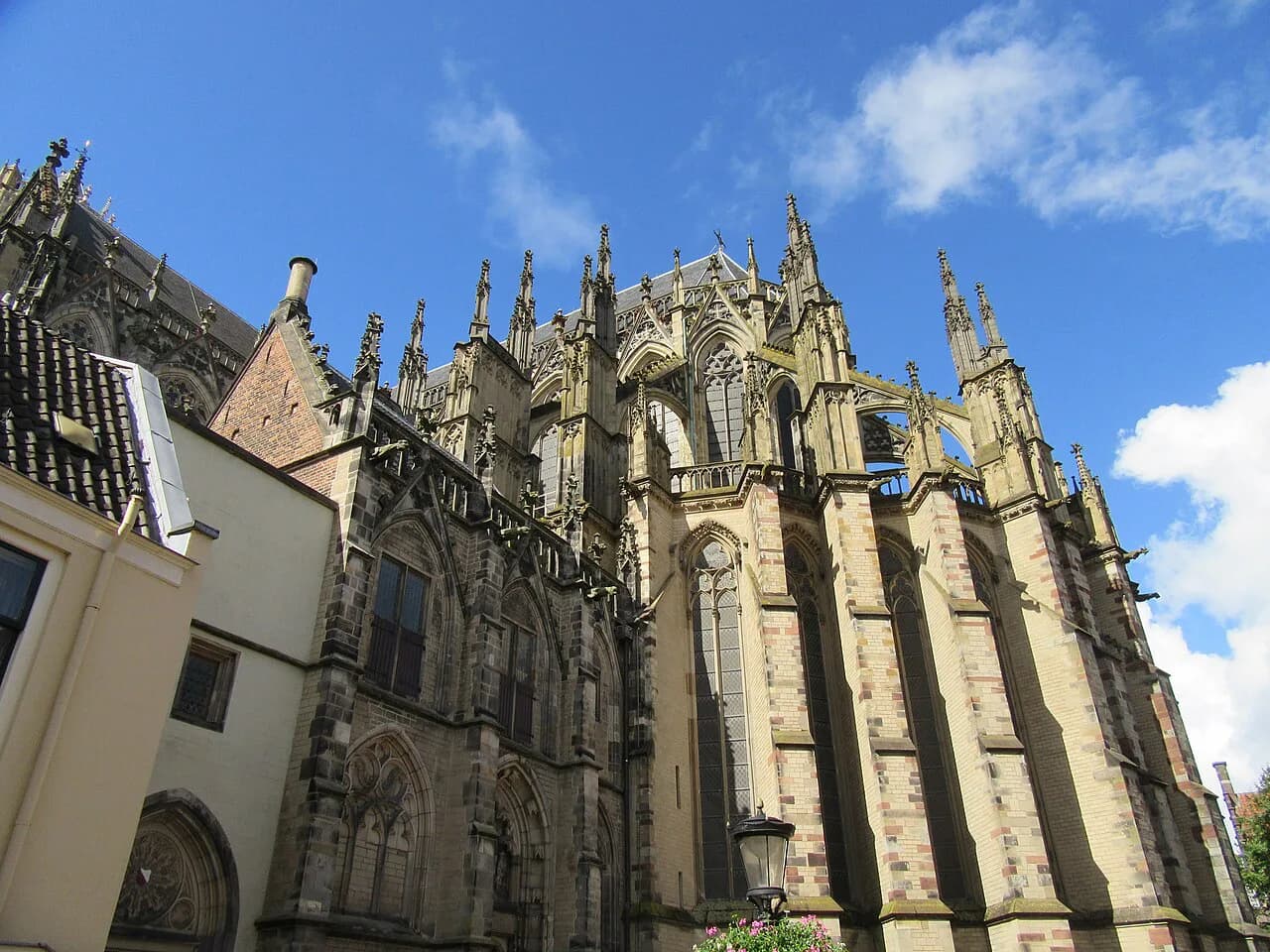
The Dom Church next door is the other half of the story, with the Pandhof cloister garden tucked beside it as a calm corner away from the square. The cathedral and its tower were built as one complex, which is why the square feels slightly puzzling when you first arrive and find them facing each other. Read the square as a single medieval building site rather than two separate monuments.
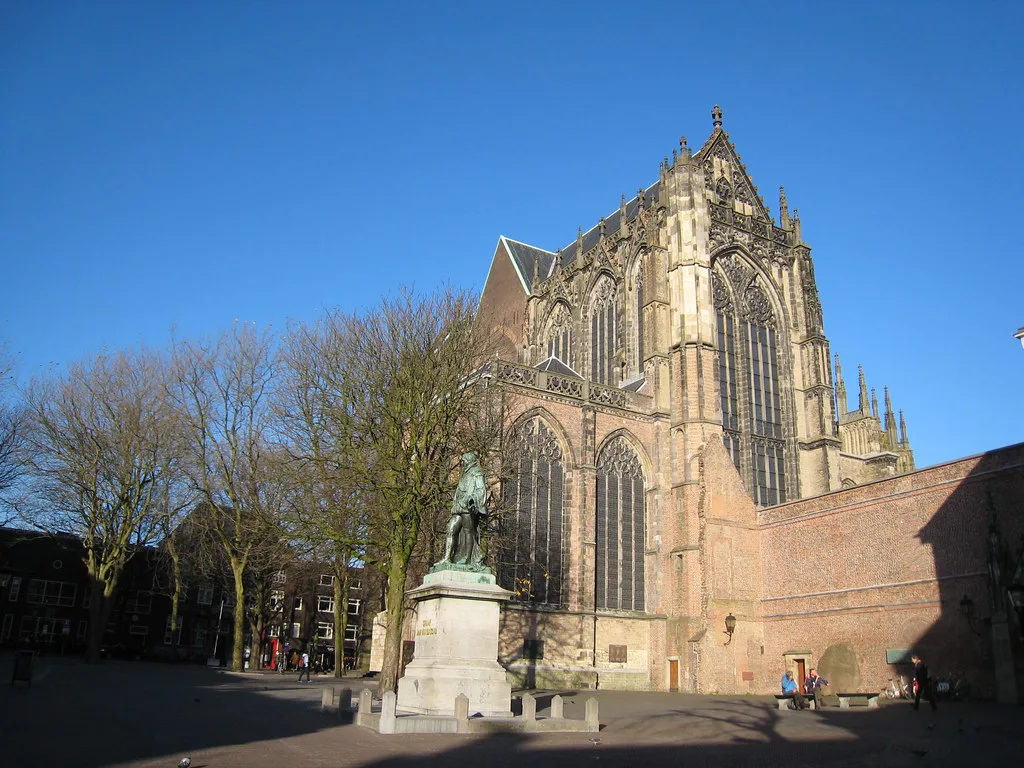
The 1674 storm that split tower and church
A storm on 1 August 1674 damaged the cathedral and separated the tower from the nave, and the two were never re-joined. That is why the Dom Tower stands apart from the Dom Church across Domplein today, with barely a trace of the link that once joined them. Knowing the date turns an odd square into a clear piece of history: you are looking at the aftermath of a single event.
The Oudegracht: why the wharves sit below street level
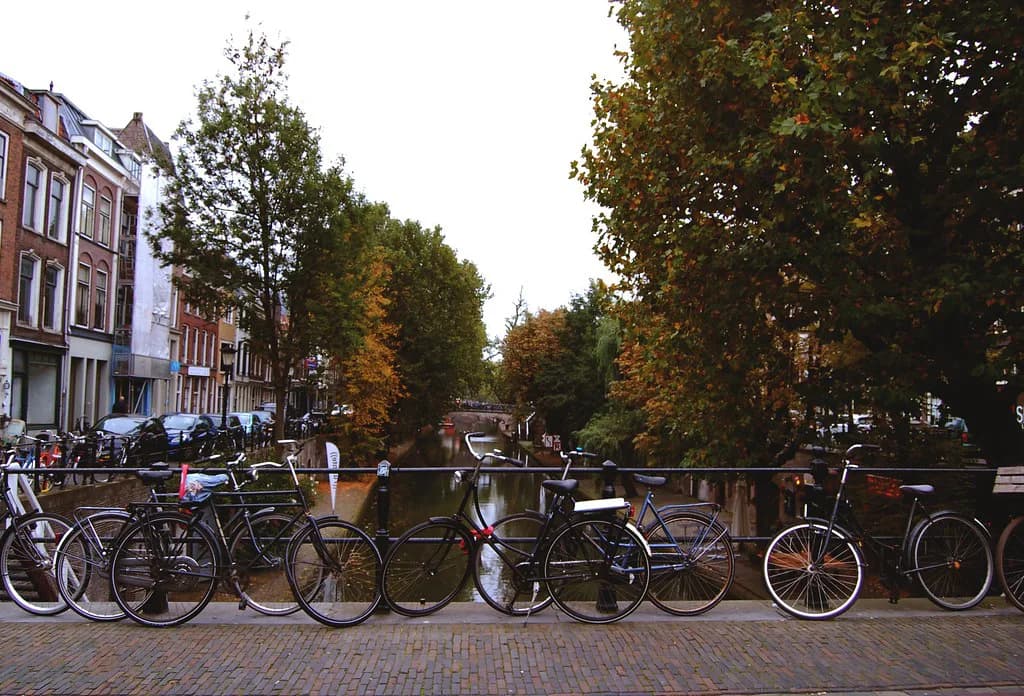
Utrecht's two-tiered canals are the city's most distinctive piece of engineering history. The Oudegracht and Nieuwegracht run below street level, with sunken wharves and cellars that once served trade and now hold cafes, boutiques and galleries. Walking down onto the lower terrace is the point: you are standing in the working level of a medieval port city, not just looking at water.
The lower wharf is a public walkway, so you can follow it for a stretch and come back up whenever a bridge suits you, or stop at one of the terraces along the way. Look for the small sculptures under the street lamps on part of the lower terrace, each showing a local craft or occupation. A boat tour along the canal gives the same water-level view from a different angle.
The Pandhof and the quieter medieval corners
The Pandhof beside the Dom Church is a walled cloister garden built between 1390 and 1440 and restored at the end of the nineteenth century. It is the kind of place that rewards a slower pace: step in, sit on the edge of the garden and let the square outside go quiet. Flora's Hof is another small hidden garden nearby, open only a few hours each day, replanted in 2008 after years of neglect, with old photographs on display showing its earlier state.
The university and the student city
Utrecht University was founded in 1636, making it one of the oldest universities in the Netherlands, and its large student population still gives the centre its bustle. The lanes a few streets back from the main shopping routes run at a calmer pace, and that is where much of the city's older architecture and street statuary sits. Use the university as a marker for the seventeenth-century city: by then Utrecht was a place of learning as well as a bishop's seat.
De Stijl, Rietveld and the Rietveld Schröder House
Gerrit Rietveld, a leading member of the De Stijl movement, designed the Rietveld Schröder House, which became a UNESCO World Heritage Site in 2000. It sits outside the medieval core, so reaching it costs you a separate block of time rather than fitting into a canal-side stroll. Large replicas of his Red and Blue Chair appear around the city as a reminder of how far Utrecht's design history reaches beyond its churches.
If twentieth-century design is your reason for coming, give the house a proper slot in your day and treat the Dom area as a separate walk. If churches and canals are the draw, the house is the optional extra rather than the anchor. Either way, the contrast between Rietveld's clean lines and the medieval square is the clearest illustration of how many centuries Utrecht holds at once.
Twentieth-century collections: Centraal Museum and Museum Speelklok
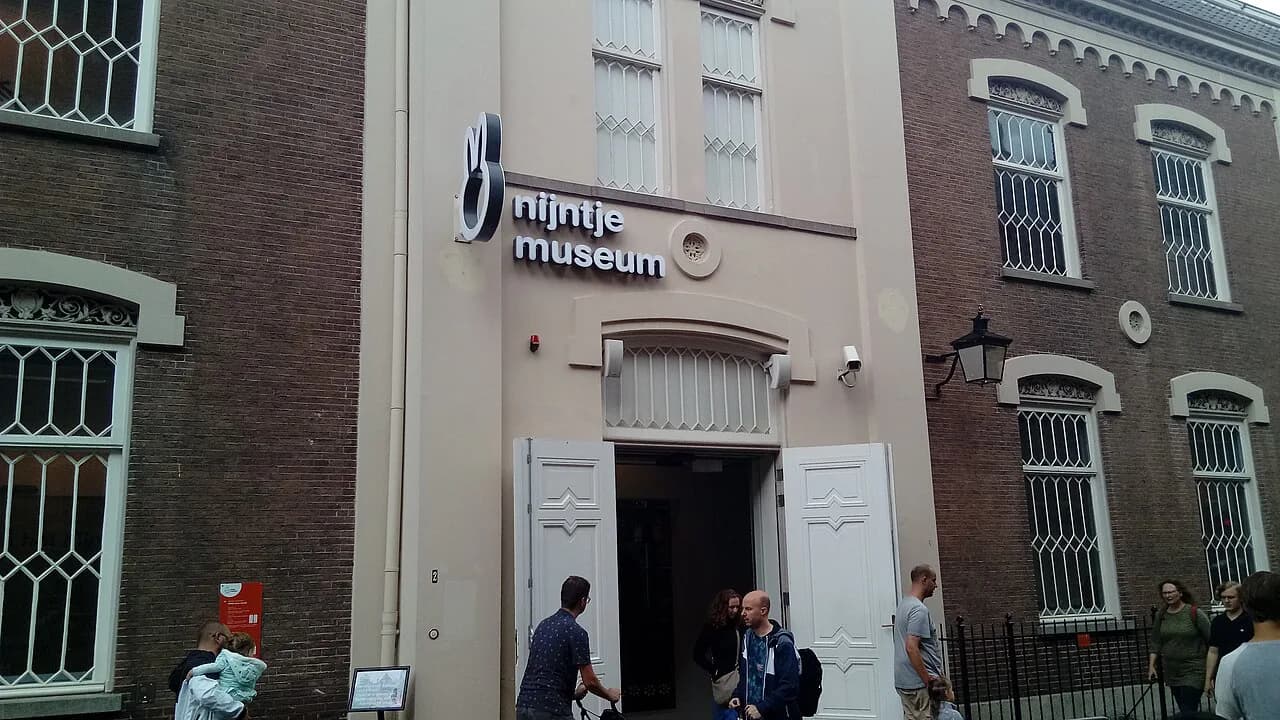
The Centraal Museum holds art and history collections and also shows work by Dick Bruna, the Utrecht illustrator who created Miffy. Museum Speelklok is devoted to self-playing musical instruments, a quirkier strand of the city's story that suits families and anyone who likes mechanical things. Both appear in our Museums in Utrecht guide, which is where to look up opening days and tickets before you set out.
These collections are the practical answer to a wet afternoon, since they keep you indoors while still covering the city's history from the medieval period forward. Museum Catharijneconvent covers religious art and history, and the Railway Museum in a former station is a draw for train enthusiasts. Check current opening days and ticket prices with each museum directly, and see Indoor Activities in Utrecht for more wet-weather options.
A single afternoon that reads the layers
Start on Domplein, where the Roman fort, the medieval cathedral and the 1674 separation sit within a few steps of each other. Walk down to the Oudegracht and follow the lower wharf for a stretch, then climb back up for the Pandhof and the quieter lanes behind the main streets. End with the Centraal Museum or Museum Speelklok if you still have energy, since both carry the story into the modern city.
Treat the Rietveld Schröder House as a separate outing rather than squeezing it into this loop. The medieval core works on foot and rewards wandering, while the house asks for a deliberate trip out of the centre. Splitting the day this way keeps you from rushing the square, which is where most of the history actually lands.
How Much Time to Give the History Sights
On a one-day break, the Domplein area and the canal wharves give you the spine of the story in a morning, leaving the afternoon for one museum. On a two- or three-day trip, add the Rietveld Schröder House and a second museum without feeling stretched. The trade-off is between depth in the centre and breadth across periods: the canals and square are close together, while the modern architecture and the museums sit further out.
Which Period Should You Chase First?
If you have one afternoon, put Domplein and the Oudegracht first: the tower, the broken link to the church and the sunken wharves explain most of Utrecht's history in one walk. Add the Rietveld Schröder House only if modern design matters more to you than medieval streets, because it pulls you away from the centre.
Explore more Utrecht guides
Frequently Asked Questions
What food is Utrecht famous for?
Utrecht's most famous cultural export is Dick Bruna, the illustrator who created Miffy and whose work appears at the Centraal Museum; that is culture rather than food. For eating, the lower wharves of the Oudegracht are lined with cafes and terraces where you can sit at water level, and the sunken cellars along the canal now house cafes, boutiques and galleries. Specific dishes and venue recommendations are best chosen on the ground rather than fixed in advance.
Why does the Dom Tower stand apart from the Dom Church?
A storm on 1 August 1674 damaged the cathedral and separated the tower from the nave, and the two were never re-joined. That is why the Dom Tower, the tallest church tower in the Netherlands at 112 metres, now stands across Domplein from the Dom Church with barely a trace of the link that once joined them. Knowing the date turns an odd square into a clear piece of history: you are looking at the aftermath of a single event.
Was Utrecht important in Dutch history?
Yes. It began as a Roman fort, became the seat of a bishop and the main church city of the Low Countries in the Middle Ages, and later grew into a major trading and university city. Each of those layers has a place you can stand in today: the Roman fort under Domplein, the Dom Tower and Dom Church, and the two-tiered canals of the Oudegracht and Nieuwegracht.
Sources
Notes for your next Dutch city break
Optional updates to our Netherlands guides.
You might also like
Continue reading
More guides you'll find useful