Utrecht City Break: A 2-Day Itinerary for a Weekend
Plan a two-day Utrecht city break around the Oudegracht, the Dom Tower and Domkerk, with walking times, canal-level streets and what to skip when time is short.
On this page
Two days is the right length for a Utrecht city break. The centre is compact and flat, the main sights sit within a short walk of each other, and the Oudegracht ties the whole visit together, so you can cover the essentials in a weekend without rushing. This guide runs through a day-by-day plan, explains how the centre is laid out, and flags the Sunday and Monday sequencing that decides which day you do what.
Utrecht works as an alternative to Amsterdam rather than a lesser version of it: a preserved medieval core, a canal with a second street at water level, and a serious coffee culture, without the crowds that fill the capital's centre. It is a pricey city by Dutch standards, so the plan below favours free walking, low-cost wandering and one paid highlight rather than a list of ticketed attractions.
Why Utrecht suits a two-day break
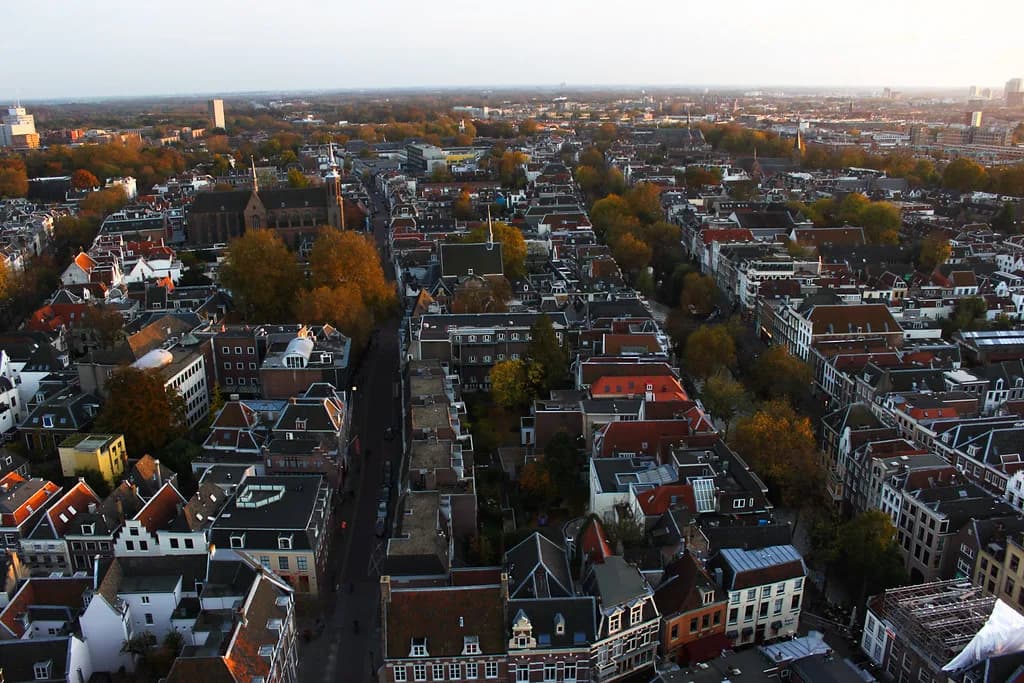
Utrecht is small enough to cover the main sights in a weekend and easy to get around on foot or by bike. The historic centre is neat and beautifully preserved, with the Oudegracht as its spine, and most of what you came to see sits inside a walkable loop. That compactness is the reason two days feels generous rather than tight.
The trade-off is that Utrecht is not a cheap weekend. Expect big-city prices on a par with London or Dublin, with the best value coming from walking the canals, browsing the side streets and treating cafés as the activity rather than the filler. Budgeting is covered in more detail further down.
How the centre is laid out
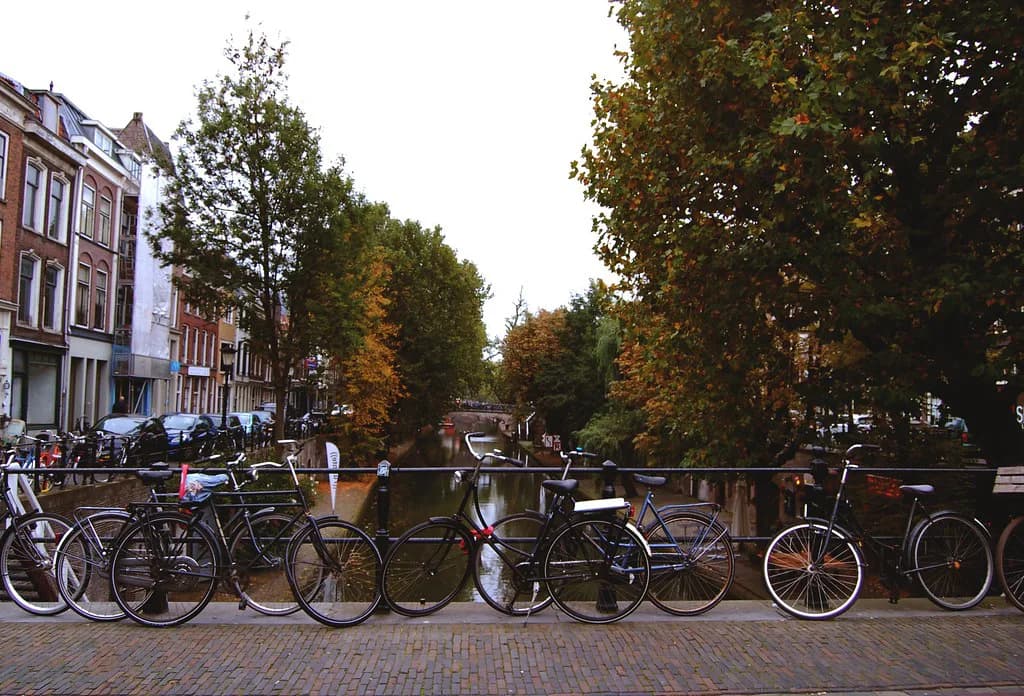
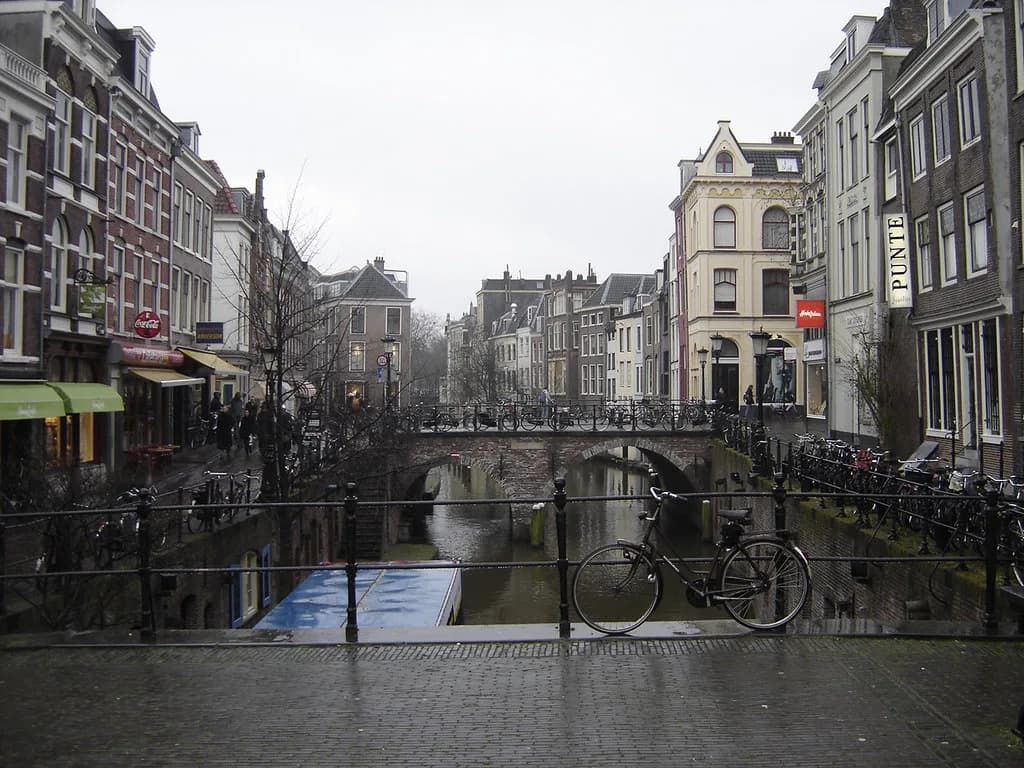
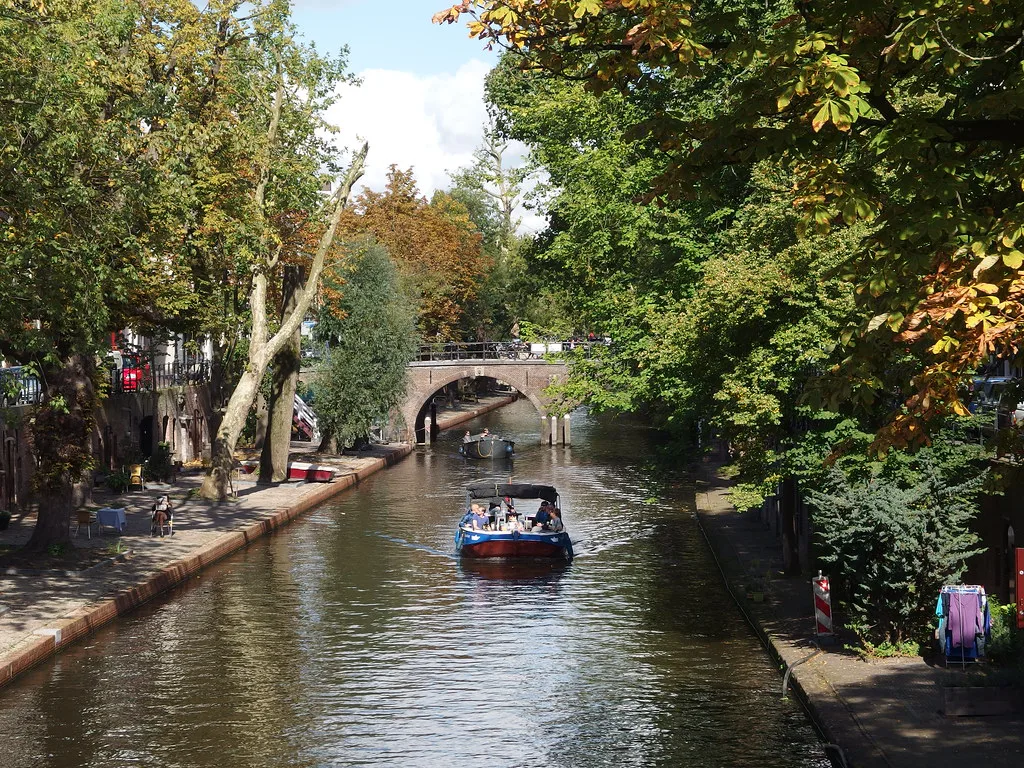
The Oudegracht is the organising principle for the whole visit. It runs through the centre lined with colourful townhouses and gabled facades, and it works on two levels: a cobbled path at street level above a second path at canal level. The lower level dates from the Middle Ages, when shipyards were built at water level to receive goods, with tunnels running under the street to the storage cellars of the canal houses.
Use the two levels deliberately. Street level is where the bars, cafés and boutiques are; canal level holds artist studios and quieter waterside spots for a drink or a bite. The side streets running off the canal are where the bookshops, record shops, vintage boutiques and artisan food shops cluster, and they are the part of Utrecht most worth losing an hour to.
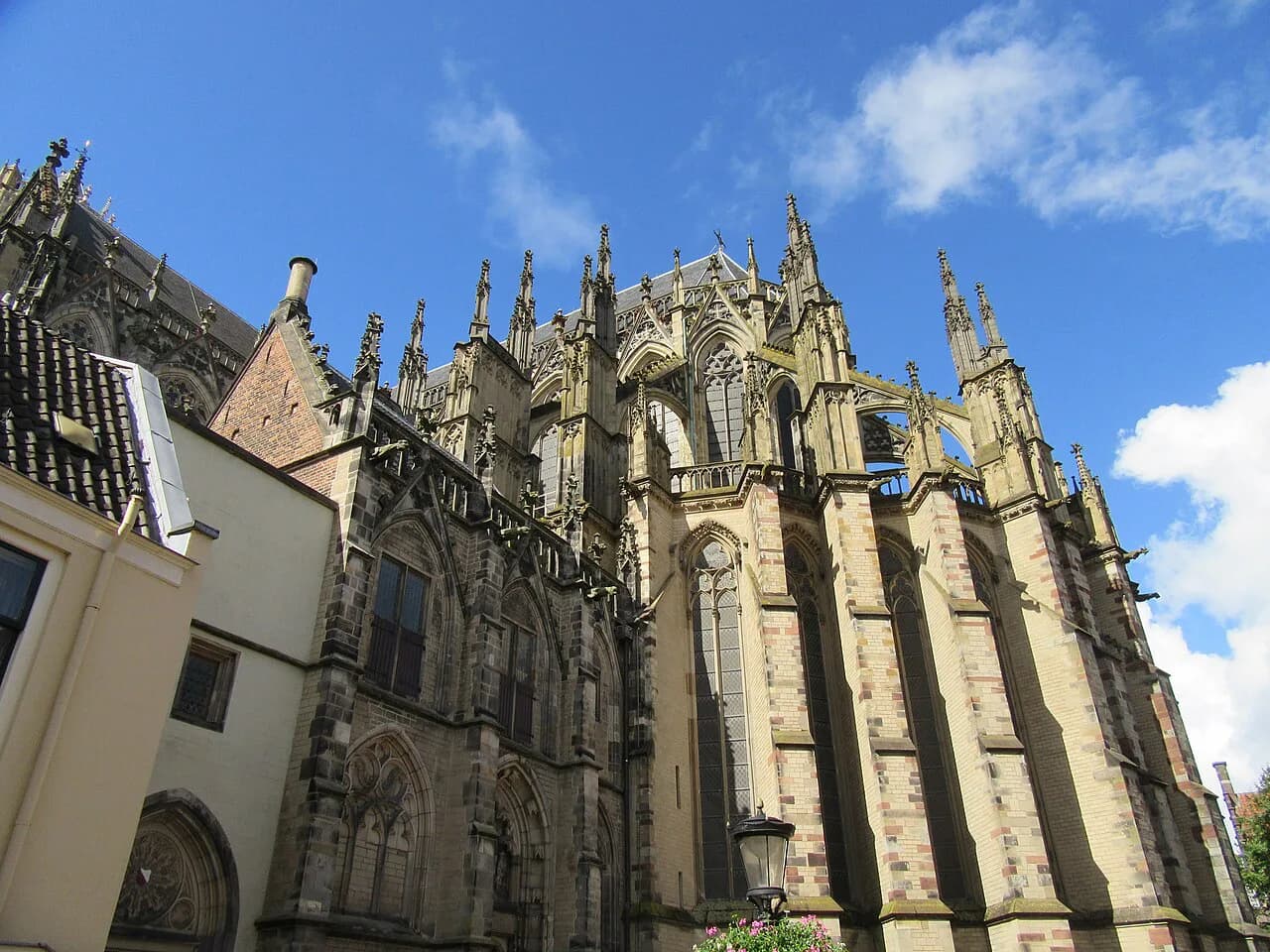
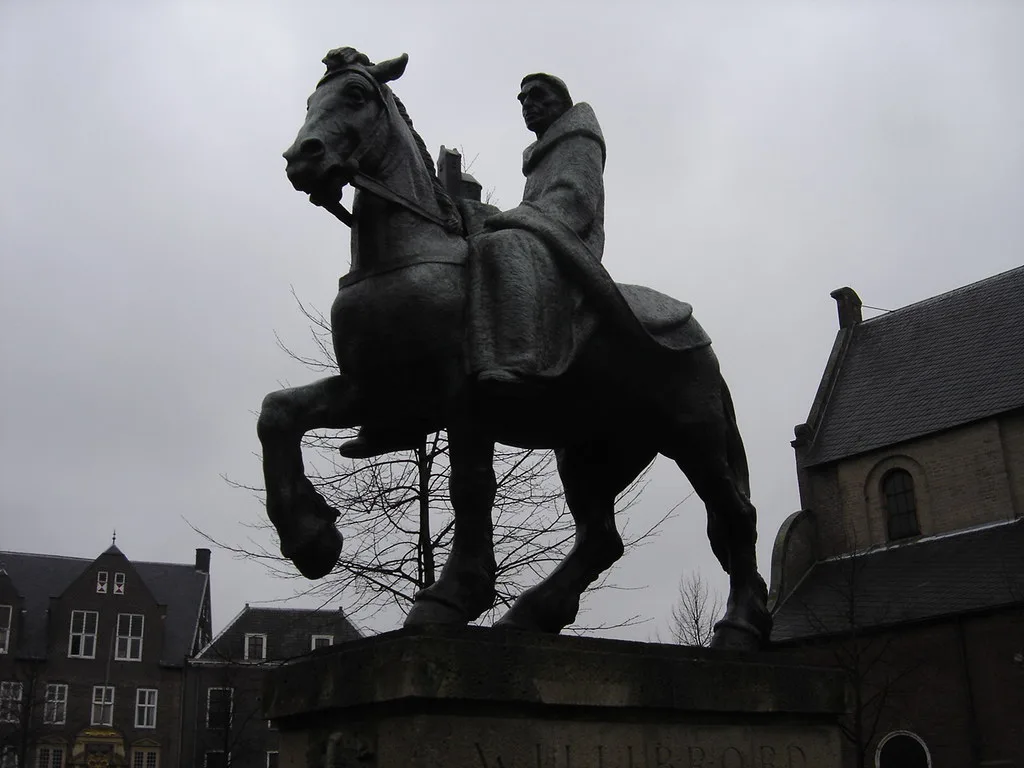
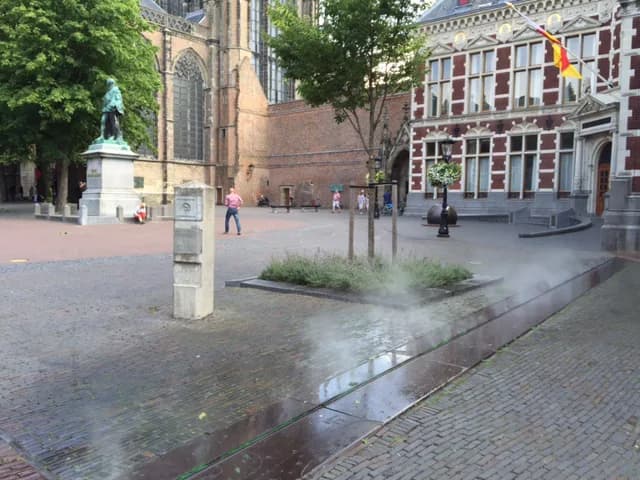
Domplein sits at the other end of the mental map. The Dom Tower, the tallest church spire in the Netherlands, looms over the city, and the Domkerk faces it across the square. The gap between them is not original: the cathedral was once joined to the tower, and the space you see today was the central core of the church until a storm destroyed it in 1674. Stone markers on Domplein show where the nave walls and columns once stood.
Day one morning: walk the Oudegracht at both levels
Start at street level and walk the length of the Oudegracht, looking up at the gables and down at the water. Then drop to the canal-level path and follow it back the other way. Doing both in one morning shows you why the city is laid out this way and gives you a mental map for the rest of the trip.
Take the side streets as they come rather than sticking to the water. The lanes off the canal hold the kind of small shops that reward browsing, and dipping in and out breaks up the walk. It costs nothing and it is the part of Utrecht most visitors remember. If you also want a single-day version of this route, the plan for one day in Utrecht covers the same ground faster.
Day one afternoon: Domplein, the Dom Tower and the Domkerk
Walk to Domplein and look up at the Dom Tower first, then go into the Domkerk opposite. Inside the cathedral, the vertical columns draw the eye up to a vaulted ceiling, and the contrast between the soaring interior and the open square outside is the point of the visit. Allow an hour for the pair, more if you linger. If ticket prices are a concern, our guide to Utrecht on a budget sets out how the day adds up.
The square between tower and church rewards a slower look. Find the stone markers showing where the nave stood before the 1674 storm, and read the square as the footprint of a much larger building. The Roman fortress that once occupied this site is a separate underground attraction reached by guided tour.
This is where the two-day plan makes its main trade-off. Time spent standing on Domplein is time not spent in the side streets, and on a short break the side streets usually win. See the tower and church properly, then move on rather than treating the square as an afternoon in itself.
Day one evening: TivoliVredenburg or a dusk walk
TivoliVredenburg, on Vredenburgkade, is the city's contemporary music complex: several differently designed venues under one roof, hosting anything from rock and jazz to classical and world music, plus a café bar. The building stands in deliberate contrast to the gabled medieval centre. Check the schedule before you go, because whether a concert lines up with your dates decides whether this is your evening.
If nothing is on, walk back along the Oudegracht at dusk. The city lights come on over the water and the canal is at its best then, which makes an evening stroll the cheapest good hour in Utrecht. In winter the appeal is the lit windows and the cold-air atmosphere; in summer the canal level fills up with people.
Day two morning: side streets, bookshops and coffee
Give the second morning to the lanes off the Oudegracht. Utrecht takes coffee seriously, and the café culture here is a reason to visit in itself, so build the morning around a proper coffee stop with browsing either side of it. Bookshops, record shops, vintage clothes and homeware shops are the usual finds.
Keep the pace slow. Two days in Utrecht is not a checklist exercise, and an unhurried morning among the shops and cafés will tell you more about the city than another museum. If you are weighing up whether the trip is worth it at all, the honest answer is that Utrecht suits people who like walking, browsing and coffee more than people who want a tick-list of big attractions.
Day two afternoon: a walk or ride out, or what you missed
Spend the afternoon on whatever the first day pushed out. The centre is flat and easy to cycle, so a bike ride out from the middle is a genuine option if the weather holds, though a walk needs no planning at all and covers most of what a two-day visitor wants. Keep the last hours loose so you can return to the canal level or a shop you passed on day one.
If you are planning a return or a longer stay, this is the point where a third day starts to pay off, mostly by letting you slow down rather than adding sights. The full Utrecht itinerary sets out how the extra time fits together.
What to skip on a two-day trip
Skip anything that eats half a day for a small return. On a two-day break the Dom Tower and Domkerk are worth the time, the Oudegracht is worth two passes, and the side streets are worth a morning; beyond that, be ruthless. A second museum or an outlying district is usually the thing to drop.
A concert at TivoliVredenburg only earns its evening if the schedule happens to match your trip; otherwise the dusk walk along the canal is the better use of the night. Treat the venue as an optional bonus rather than a fixed part of the plan.
When to go: winter atmosphere versus summer crowds
Winter gives Utrecht a quieter, more atmospheric character: bare trees reflected in the canal, lit windows, and a canal level that is largely empty. Summer reverses it, with the waterside paths busy and al-fresco life at street level. Neither is better; they are different trips.
If you want the canal level to yourself, go in winter; if you want the al-fresco life at street level and on the waterside paths, go in summer. The difference matters most on the Oudegracht, where the lower path is quiet in January and busy in high summer.
What a Utrecht city break costs in euros
Treat Utrecht as a big-city budget. It sits in line with London or Dublin, so the savings come from how you spend the day rather than from cheaper prices on the ground. A decent glass of wine in a bar has been around five euros, a useful marker for how far a budget stretches in the evening, though prices move.
Treat Utrecht as a big-city budget rather than a bargain weekend. The main sights, restaurants and bars sit inside the walkable centre, so the savings come from how you spend the day rather than from cheaper prices on the ground. Build the budget around transport, free walking and one paid highlight, and keep café and bar spending as the variable you control.
Sunday and Monday: how to sequence the two days
Opening days vary by venue, and many Dutch museums close on Mondays, so if your weekend runs into Monday, keep the walkable canal day for Monday and slot any museum or ticketed attraction you care about into the Sunday. Check the specific venue's own timetable before you commit your days, since opening days differ from place to place.
Arriving on Friday evening and leaving Sunday evening gives you the cleanest two-day shape: Saturday for the Oudegracht and Domplein, Sunday for the side streets and whatever is open. If your dates include a Monday, front-load any bookable items and leave the walking for the last day.
Getting there and using Utrecht as a base
Utrecht is a compact Dutch city, and the centre makes a two-day break realistic without a car once you arrive. All the main sights, restaurants and bars sit within the walkable centre. Check rail connections from your own starting point when you book.
The city also works as a base rather than a stopover: it is smaller than Amsterdam and compact enough to cover on foot, so a two-day visitor can see the centre properly without spending the trip in transit. If you are choosing between the two, the comparison comes down to scale and crowds rather than sights, since both put canals and historic streets at the centre of the visit.
Which two days should you book?
Book Friday to Sunday if you can, with Saturday for the Oudegracht at both levels and Domplein, and Sunday for the side streets, coffee and anything that needs a ticket. If your dates fall across a Monday, put the walking day on Monday and keep Sunday for attractions, since many Dutch museums close on Mondays. Confirm the timetable of any specific museum you have your heart set on before you commit your days.
If you are still deciding whether Utrecht deserves the weekend at all, weigh it against Amsterdam honestly: you trade capital-city scale for a compact, walkable centre and a canal you can walk at two levels. For a two-day city break, that is the better trade.
Explore more Utrecht guides
Frequently Asked Questions
Is Utrecht a walkable city?
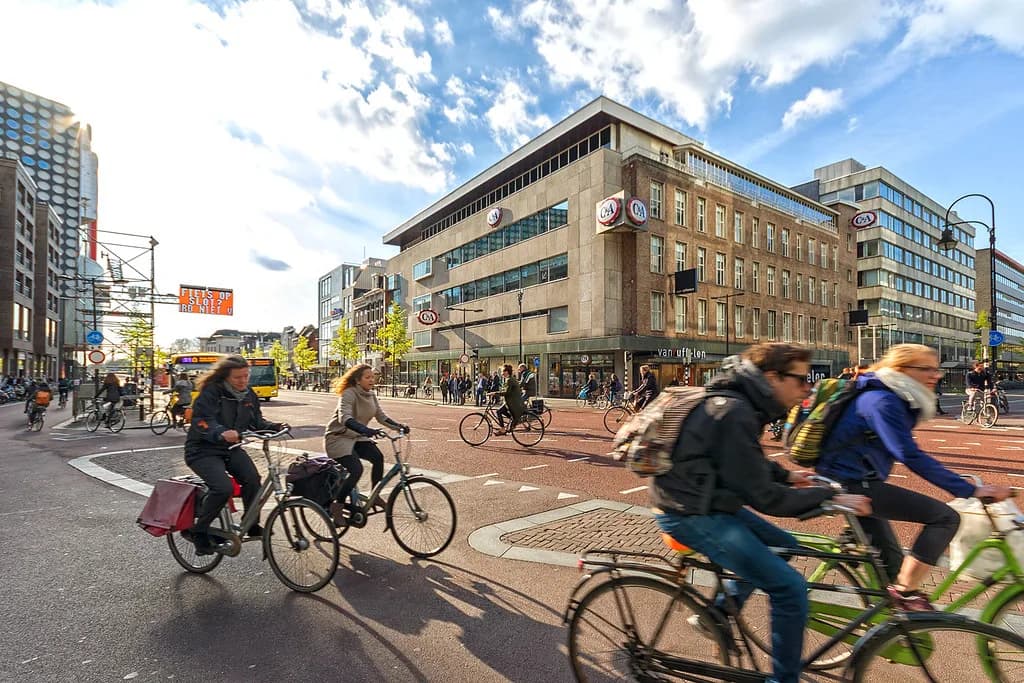
Yes. The historic centre is compact and flat, with the Oudegracht, Domplein and the side streets all within a short walk of each other. You can cover the main sights on foot in two days, and a bike is a bonus rather than a necessity.
Is Utrecht an expensive city?
It is priced like a large European city, broadly in line with London or Dublin. Walking the canals and browsing the side streets costs nothing, so the budget depends on how much you spend in cafés and on ticketed attractions.
What should I skip on a two-day Utrecht break?
Drop anything that takes half a day for a small return. The Dom Tower, the Domkerk and the canal at both levels earn their time; a second museum or an outlying district usually does not on a short trip.
How do I plan around Monday closures in Utrecht?
If your break runs into Monday, put the walking day there and keep ticketed museums and attractions for the Sunday, since many Dutch museums close on Mondays. Opening days vary by venue, so confirm the timetable for the specific place you want to visit before you commit your days.
Sources
Notes for your next Dutch city break
Optional updates to our Netherlands guides.
You might also like
Continue reading
More guides you'll find useful