Utrecht City Centre: What to See and How to Walk It
Utrecht's city centre packs the Dom Tower, the Oudegracht wharves and medieval courtyards into a compact old town you can walk in a day. Here's the route.
On this page
Utrecht's city centre suits a single unhurried day: the old town around the Domplein and the canals is compact and best covered on foot. This guide explains how the centre is laid out, which squares and courtyards to aim for, and an ordered route from Utrecht Centraal that takes in the main sights without doubling back. For a wider set of city sights, see Things to Do in Utrecht, or follow the Utrecht Walking Tour.
It is written for travellers on a one- to four-day city break who want named streets, churches and canals rather than a shopping list. Prices and opening hours change, so confirm them with the venue before you travel.
Where the city centre begins: from Utrecht Centraal to the old town
Utrecht's centre sits immediately west of Utrecht Centraal, and the city centre is described as easily reached by public transport from the station. In practice you leave the platforms, cross through the Hoog Catharijne shopping mall, and come out on the edge of the medieval streets within a few minutes. Treat the mall as a corridor: it is a large modern complex that is easy to get absorbed in, and the historic centre is what you came for.
The transition is abrupt and worth knowing about: one moment you are in a covered retail concourse, the next you are on cobbles beside a canal. If you want a structured first hour rather than an aimless wander, follow a set route from the station so you hit the Domplein and the Oudegracht in a sensible order.
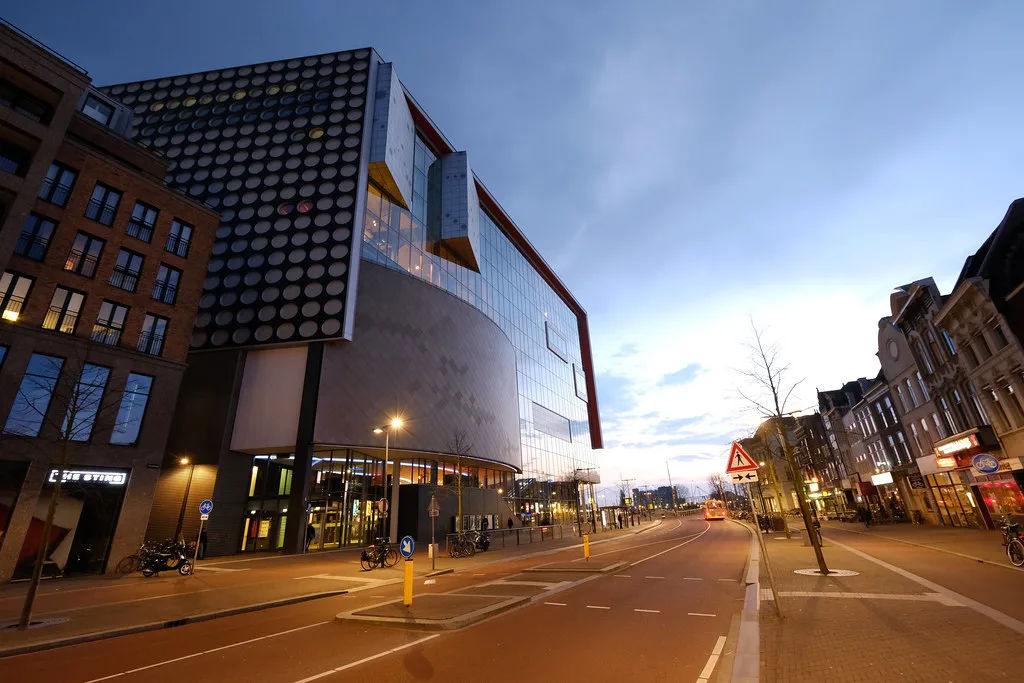
How Utrecht's canals work: Oudegracht, Nieuwe Gracht and the ring
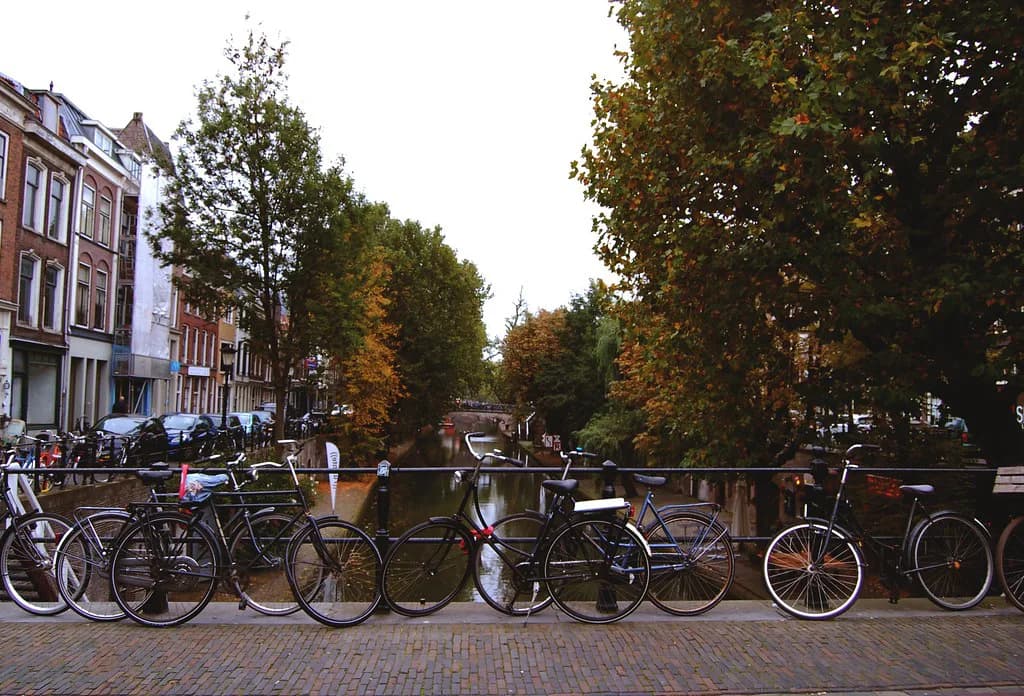
Utrecht's canals are the reason the centre looks unlike any other Dutch city. The main canal, the Oudegracht (Old Canal), runs through the middle of the centre, with a smaller canal running parallel and a canal-moat ringing the old centre. That three-part structure is the simplest mental map you can carry: the parallel canal keeps you close to the Oudegracht, and the ring tells you when you have left the old town.
The Oudegracht is lined with quays and bridges rather than a single straight street, so the easiest way to follow it is to pick one bank and keep the water beside you, crossing at the bridges. Walking beside the canal is the part most visitors under-do because they stick to the main shopping lanes.
Allow a good hour to walk one stretch of the Oudegracht properly, including a stop at one of the bridges. The water gives you the canal view from a different angle, but walking lets you stop where you like.
Domplein and the Dom Tower
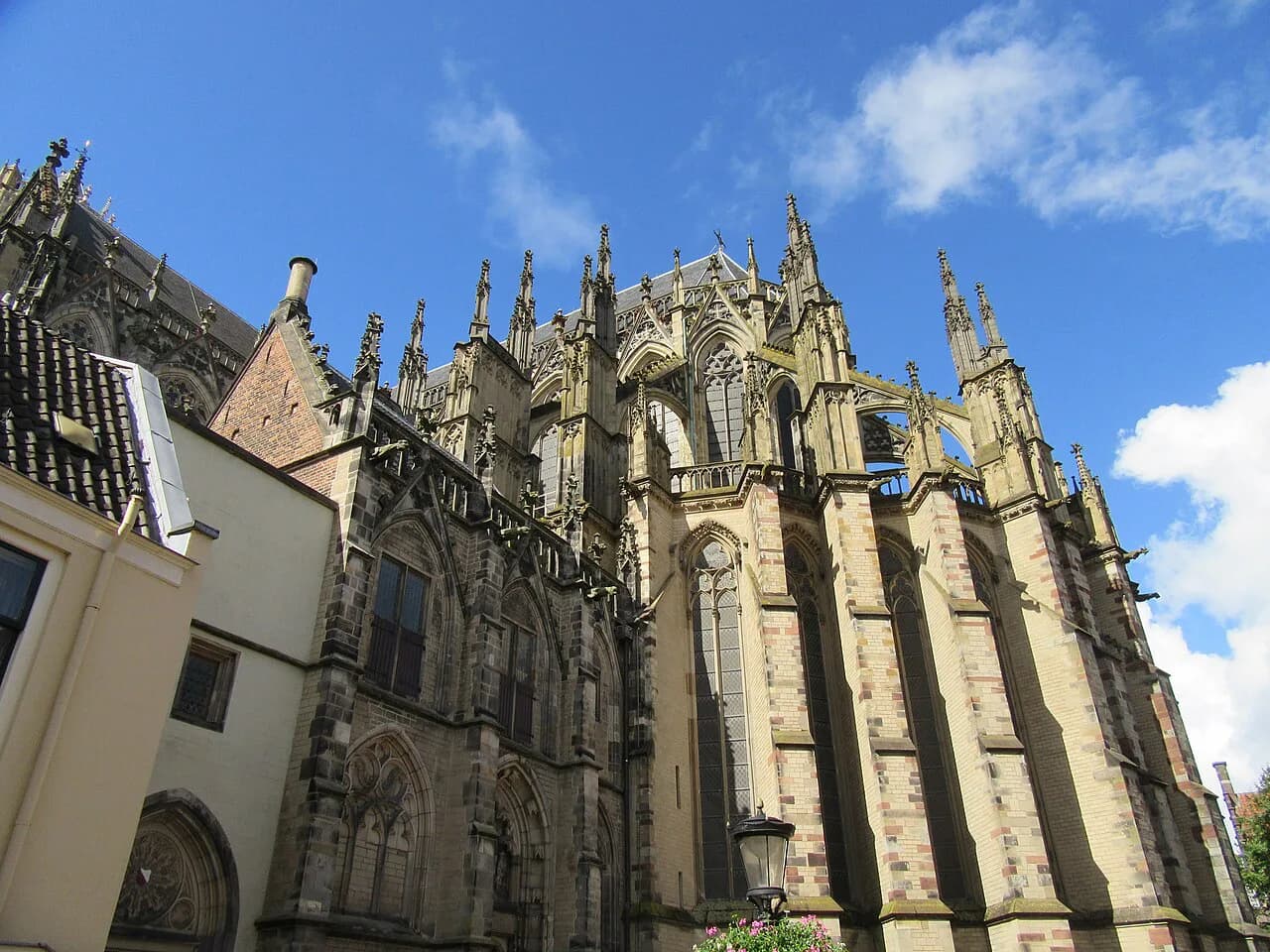
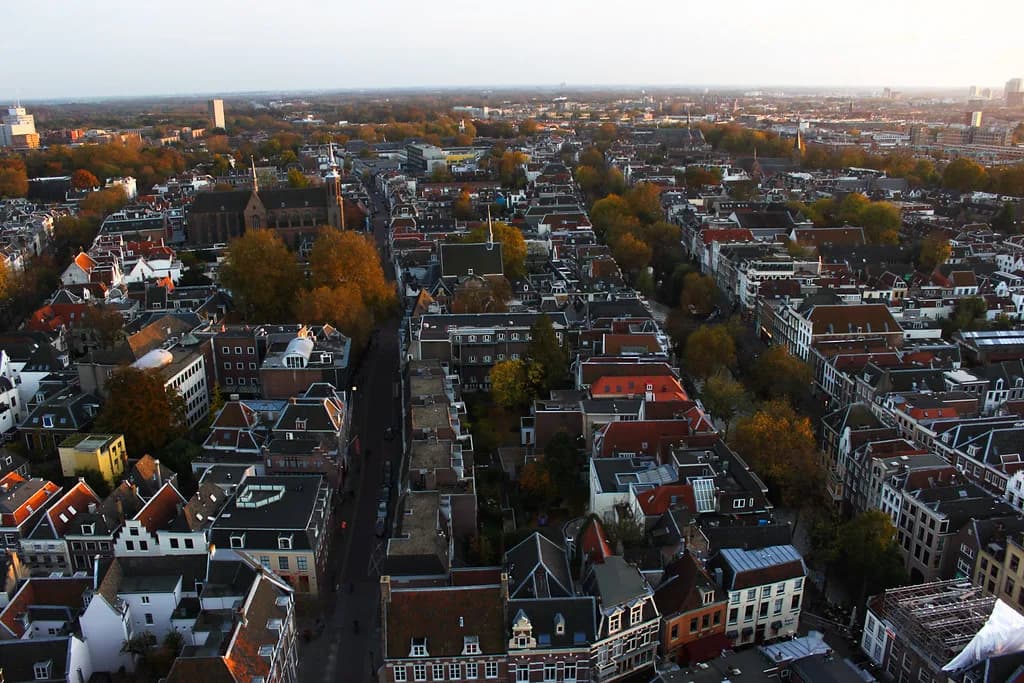
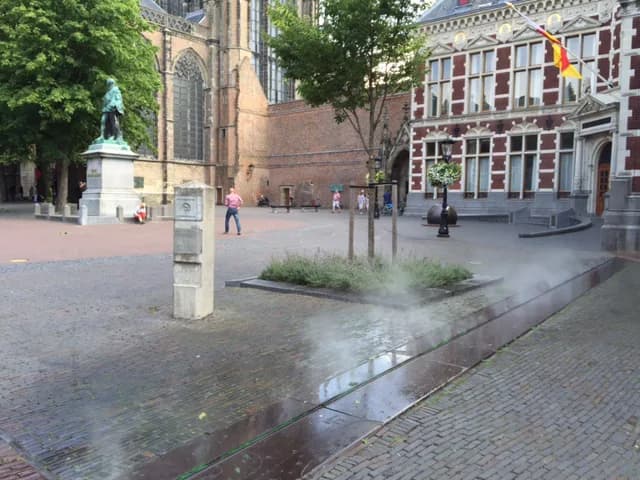
Domplein is the square at the heart of the old town, dominated by the Dom Tower (Domtoren). The square also holds St Martin's Cathedral (the Domkerk). Come here first if you only have a few hours, because everything else in the centre radiates from this point. For the climb and tickets, see the Dom Tower guide.
The tower is the one sight in the centre that genuinely needs planning: it is a climb, and the tourist office lists the Dom Tower as a headline attraction with its own visitor information. Decide before you arrive whether you are climbing or just looking up from the square, and check opening times and tickets on the tower's own site before travel, because a tower visit eats a chunk of a short day.
The square is also where the city's earlier history sits on display, in the surviving church buildings and the archaeology that has been found around Domplein. Look at the ground as well as the buildings, and use the history guide for context.
The streets and squares around Domplein
West and south of Domplein the streets tighten into the shopping and café lanes of the old town. Wander a block or two on foot rather than aiming at a single sight; the lanes themselves are the attraction here.
Nearby, the Winkel van Sinkel is a landmark former department store building that now anchors its corner of the centre, and Broese Booksellers is a long-established bookshop in the old town. Both are useful orientation points as much as destinations: if you can find them, you know where you are.
For a change of pace and scale, the city library in the centre offers a quiet, covered stop away from the busiest lanes. It shows a different side of the centre from the medieval streets.
The courtyard gardens: Pandhof van de Dom and Flora's Hof
Quiet courtyards give you a breather in the busiest part of town. The Pandhof is a cloister garden associated with the Domkerk, and Flora's Hof is a smaller courtyard garden in the same part of the centre.
Both reward slowing down rather than ticking off: sit for a few minutes where they are open to visitors, then move on. Pair the Pandhof with the Domkerk area so you are not criss-crossing the centre.
Churches worth stepping into
The Domkerk is the obvious church to head for, and the church and the tower stand as separate buildings on and beside Domplein. The shape of the square is easier to read once you understand that split. Check the Domkerk's own opening times before you plan a visit inside.
A short walk away, the Sint Willibrordkerk is a smaller church that many visitors miss. Both are working religious buildings, so treat them as such, keep visits short, and only go in where a church is open to the public.
Museums in and near the centre
The area around Domplein ties the centre's sights to its Roman and medieval past. Sonnenborgh Observatory and the Centraal Museum sit outside the old town, so treat them as a second-day add-on rather than part of the centre loop.
Plan around the Dutch Monday pattern: many museums close on Mondays, so if a museum is a priority, give it a day earlier in the week rather than the first morning of your trip. Some museums use timed tickets, so check and book ahead for the day you plan to visit.
If you want the wider set of city sights beyond the old town, from the Rietveld Schröder House to the Museum Speelklok, see Things to Do in Utrecht and slot the centre around them.
Modern landmarks at the edge of the old town
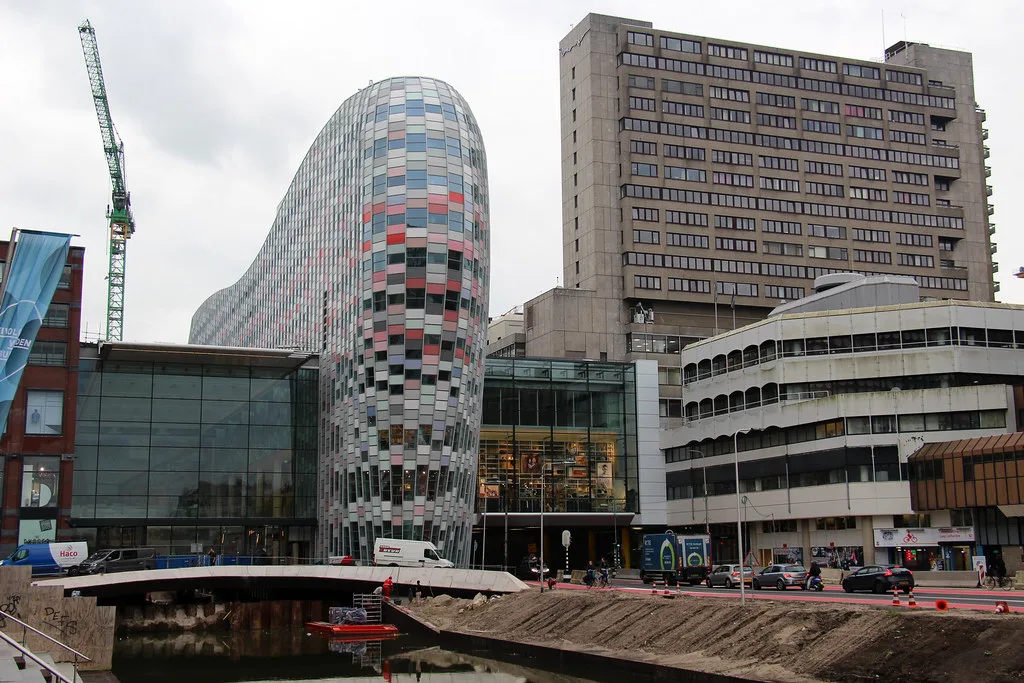
Two modern buildings mark the boundary between the station area and the medieval streets. Hoog Catharijne is the shopping mall you cross on the way in, and TivoliVredenburg next to it is a contemporary concert hall complex with several halls under one roof. Neither is medieval, but together they explain why the centre's western edge feels so different from its eastern lanes.
De Inktpot, a large brick building near the station, is another landmark worth knowing by sight as you walk in from the station. Use it and the station buildings as your bearings when you first arrive, and the old town beyond them becomes easier to navigate.
A walking route through the centre, in order
Start at Utrecht Centraal, cross Hoog Catharijne and head for Domplein. Climb the Dom Tower or simply take in the square and the Domkerk, then walk through the Pandhof and out towards the Oudegracht.
Follow the Oudegracht downstream, crossing at the bridges to see both banks, then cut across to the Nieuwe Gracht and back north through the lanes. Finish back towards the station. The whole loop is comfortable in three to four hours with stops, and a full day if you add museums.
If you have a bike, the ring canal makes a quick circuit of the old centre and lets you see the edges of the old town without walking them. If you would rather not arrange a bike, the walking route above covers the same ground.
Getting around: walking and cycling in the centre
The centre is genuinely walkable: the old town is small enough to cross on foot, and almost everything named here sits within a short walk of Domplein. Pavement is cobbled in places, so wear shoes that cope with uneven ground.
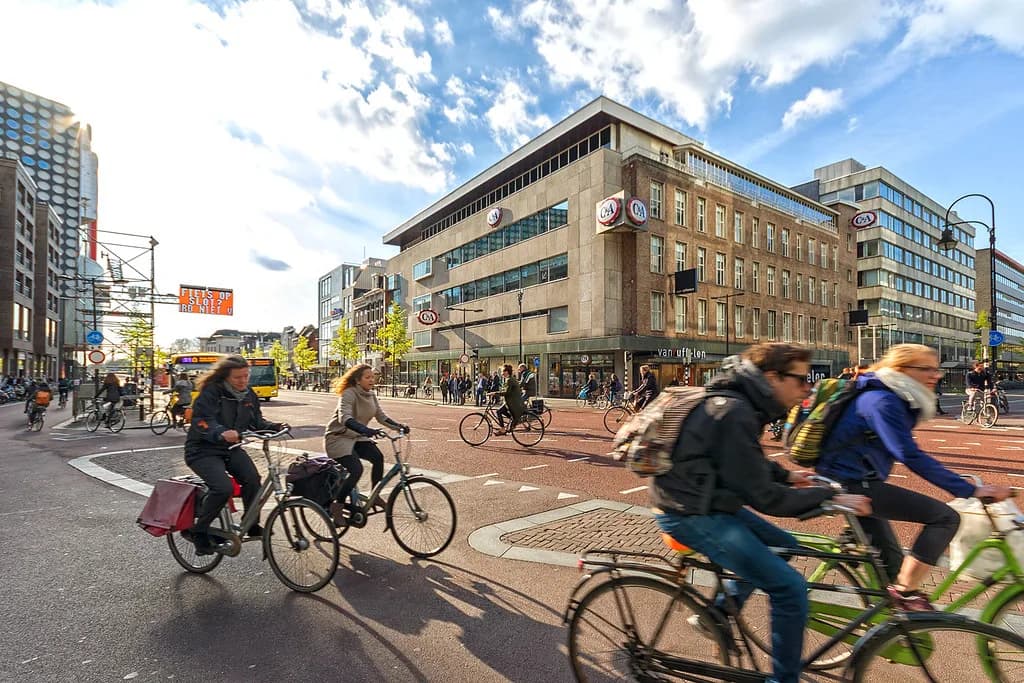
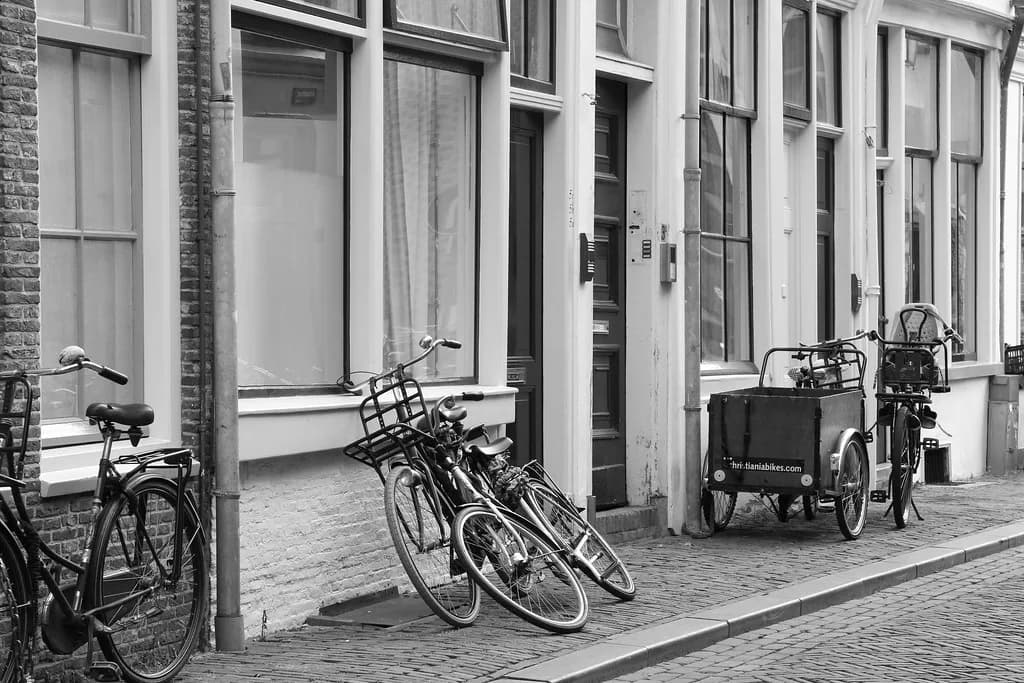
Cycling works better for the ring and the streets around the edge than for the narrowest lanes, where pedestrians and bikes compete for space. Park the bike and walk once you are inside the old town; you will see more.
If you are timing your trip around the seasons, the guides to Utrecht in April and Utrecht in October cover the centre in spring and autumn.
One day or two in the centre: what to cut
With one day, keep the centre loop tight: Domplein, the Domkerk and Pandhof, one stretch of the Oudegracht and a walk down the Nieuwe Gracht. Skip the outside museums entirely unless one is the reason for your trip.
With two days, give the first to the old town on foot and the second to the museums and the modern edge, with the Centraal Museum or Sonnenborgh in the morning and a canal-side walk in the afternoon. That split keeps you from rushing the parts of the centre that are best enjoyed slowly.
If you want to spend nothing beyond your travel, the squares, canals, courtyards and churches are the backbone of the centre, and the guide to free things to do in Utrecht lists the rest.
Is the centre enough for a short break?
For a one- to three-day break, Utrecht's centre carries the trip on its own: the Domplein cluster, the Oudegracht canals, the courtyards and the old lanes fill a day comfortably and a second day with museums. Add the wider city sights only once the centre has had its time.
Base your days on foot, check tower or museum tickets and opening days before you go, and keep the station-area mall as a way through rather than a destination. The old town is small, and the pleasure is in walking it slowly.
Explore more Utrecht guides
Frequently Asked Questions
Is Utrecht good for tourists?
Yes, if you want a compact historic Dutch city rather than a capital. The centre holds the Dom Tower, the Domkerk, the Oudegracht canals and several enclosed gardens within a short walk of each other, and the city is well connected by rail from the station on the centre's edge.
What is the nicest part of Utrecht?
The old town around Domplein and the Oudegracht is the strongest concentration of sights. The Nieuwe Gracht and the courtyards behind the Domkerk give you quieter lanes within a few minutes of the main square.
Is Utrecht a walkable city?
The centre is compact and best covered on foot, with the main squares, canals and churches close together. Cobbles and steps down to the water make comfortable shoes worthwhile, and cycling works better for the ring than for the narrowest lanes.
Sources
Notes for your next Dutch city break
Optional updates to our Netherlands guides.
You might also like
Continue reading
More guides you'll find useful