Best Time to Visit the Netherlands for a City Break
The best time to visit the Netherlands depends on whether you want tulips, quiet canals or warm café terraces. Here is how spring, summer and autumn compare.
On this page
Spring is the best time to visit the Netherlands if you want tulips and long daylight, summer if you want the warmest weather and late evenings, and late September if you want the canals without the crush. This guide compares those seasons for one- to four-day city breaks in Utrecht, The Hague, Haarlem, Leiden, Delft, Maastricht and Groningen, with a plain look at rain, crowds, museum days and how many hours of light you get for walking and cycling.
The Dutch climate is rarely extreme, so the season changes the mood, the queues and the price of a bed more than it changes what you can do. Rain falls in every month, so any city break here needs a wet-weather plan built around indoor sights rather than a hope for blue skies.
How the Dutch climate shapes a city break
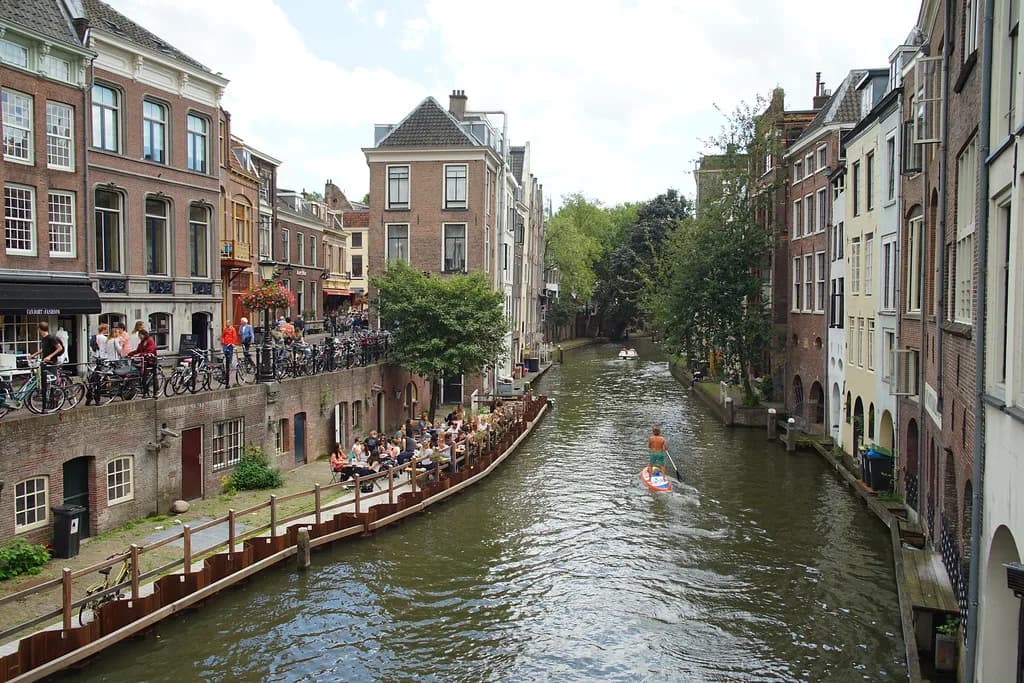
Summers are mild rather than hot and winters are cold and damp, with rain possible at any time of year. That pattern matters for a short break: a July afternoon on the Oudegracht in Utrecht can turn showery in an hour, so pair an outdoor walk with a museum you can duck into.
Spring daytime temperatures sit around 12°C in April, while the warmest summer weeks typically reach roughly 17°C to 20°C. Treat those as typical averages for planning clothing, not as a forecast for your dates, and expect a chill after dark even in the warmest months.
Because the weather is rarely a barrier, the deciding factors for most travellers are crowds, daylight and which museums are open on the days you arrive. Build the trip around those three and the weather becomes a detail you dress for rather than a reason to change plans.
Spring (March to May): tulips, cool days and the busiest bulb weeks
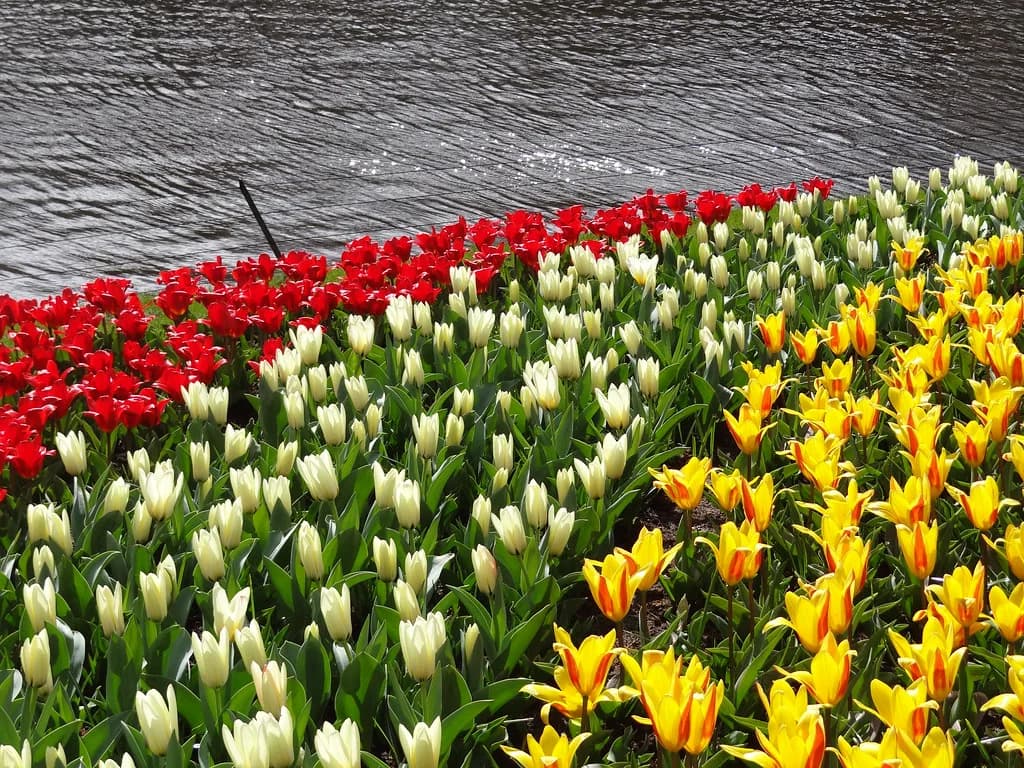
Tulips bloom from mid-March to mid-May, which makes spring the season most people picture when they plan a Dutch city break. Days are changeable, so bring a warm layer and a waterproof jacket rather than a picnic blanket; the reward is longer daylight than in winter and streets that are not yet at summer capacity.
Spring brings the fullest bulb displays, and the bulb fields around Leiden and Haarlem make an easy half-day by bike or bus. Book your bed early for the flower weeks, because flower season is when the region fills fastest.
If you want quiet canals rather than crowds, check the calendar before booking, because spring weekends and public events can tighten accommodation in the big cities. For a month-by-month picture of early summer, from terrace weather to long evenings, read the guide to The Netherlands in June, which covers what changes as spring turns into summer.
For a month-by-month picture of early summer, from terrace weather to long evenings, read the guide to The Netherlands in June, which covers what changes as spring turns into summer.
Summer (June to August): the warmest, busiest and priciest months
Summer is the high season, with the biggest influx of visitors in July and August and the warmest temperatures of the year. Evenings are long and outdoor café terraces come into their own, but the same weather that fills the squares also fills the museums, so book timed slots ahead for the sights you care most about.
Prices rise with demand in these months, and the best-value rooms go first. If your dates are fixed to school holidays, book early rather than hunting for a bargain late, and treat a museum slot as part of the booking rather than something you arrange on the day.
July in Maastricht means the Grote Markt and the Vrijthof at their liveliest, with long evenings for a walk along the Maas. A detailed month guide to The Netherlands in July explains how to pace a summer city break when the obvious sights are at their busiest.
If your break falls in the second half of summer, the guide to the Netherlands in August covers how the month plays out as peak season runs on.
Autumn (September to November): Golden canals and thinner crowds
Autumn is the season that rewards travellers who value space over heat, with falling temperatures and canal streets turning gold. September keeps enough warmth for terraces and cycling, while October and November bring shorter days and a sharper need for indoor sights.
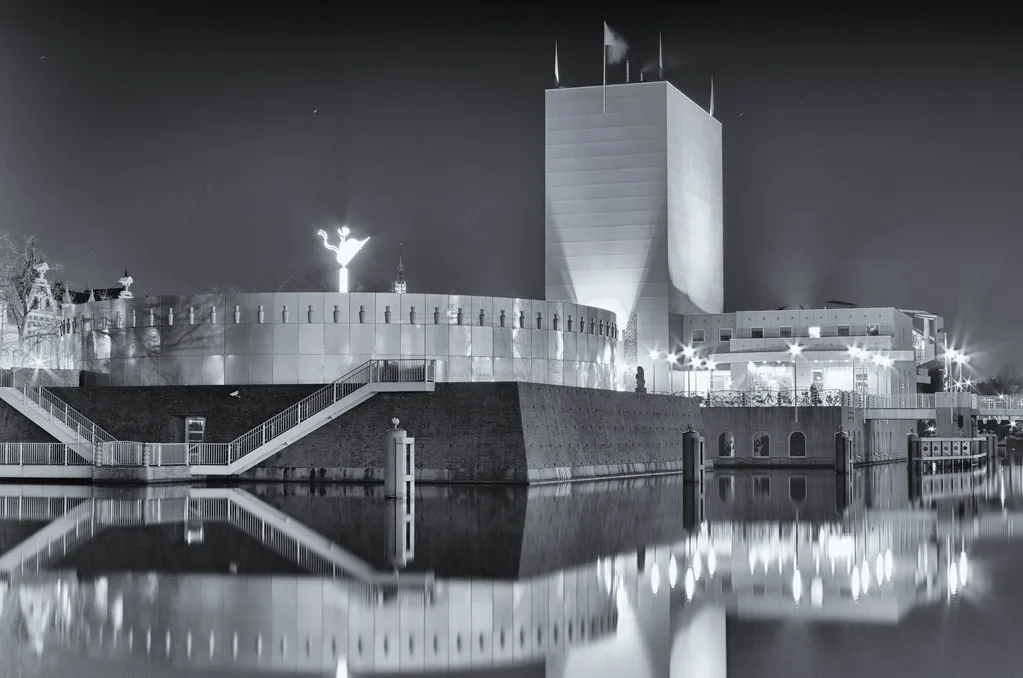
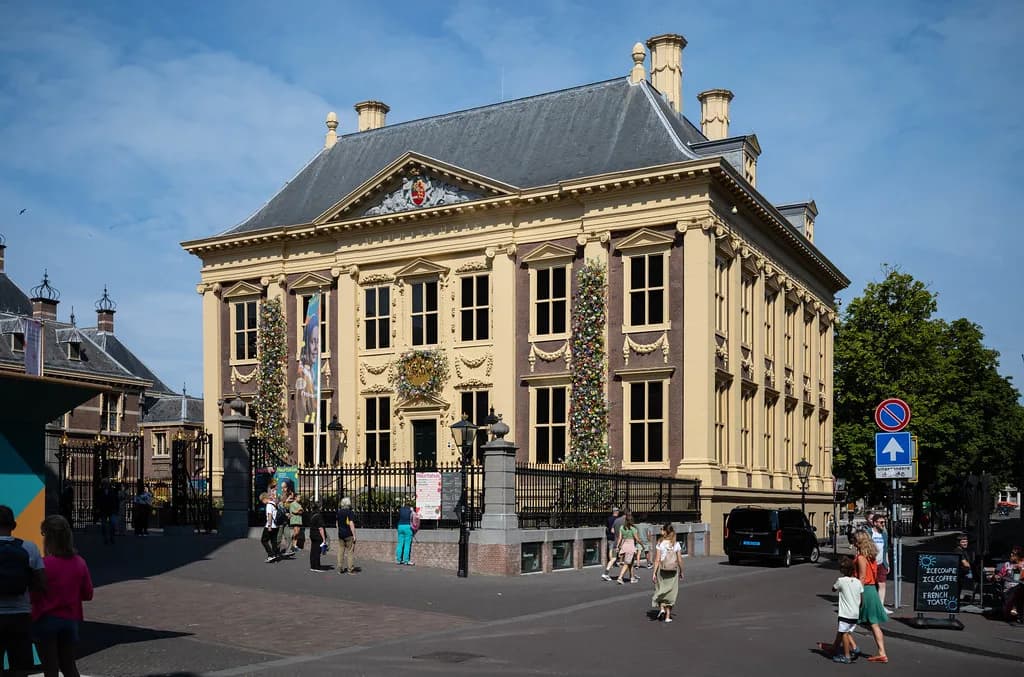
For a city break built on museums, autumn is the strongest choice: with shorter days, the Mauritshuis in The Hague, the Groninger Museum in Groningen and the canal-house collections of Haarlem are all indoor pleasures. Plan walks and bike rides for the morning and leave afternoons for galleries. The guide to the best museums in the Netherlands is a good starting point for choosing which ones justify a slot.
Autumn also brings falling temperatures, and with the season less busy than summer there is more choice of beds outside school holidays and event weekends. The practical guide to The Netherlands in September shows how the first autumn month balances warm afternoons with quieter streets.

Winter in one paragraph
Winter brings the coldest, dampest weather and the shortest days, with temperatures typically in the range of 2°C to 6°C. It is the off-season, so accommodation can be cheaper, but you will want to build the break around indoor highlights and accept that a long cycling day is unlikely.
When Dutch museums are shut: planning around Mondays
Many Dutch museums close on Mondays, and many shops open late on Monday morning, so a Monday arrival can leave you with fewer options than you expect. Before booking travel, decide which museums matter most and check their opening days against your arrival and departure.
Timed tickets are common at the busiest museums, especially in summer and around flower season, so reserve slots once your dates are fixed. The Museumkaart can pay off on a museum-heavy break, but check which collections accept it before you buy, because participation varies by museum.
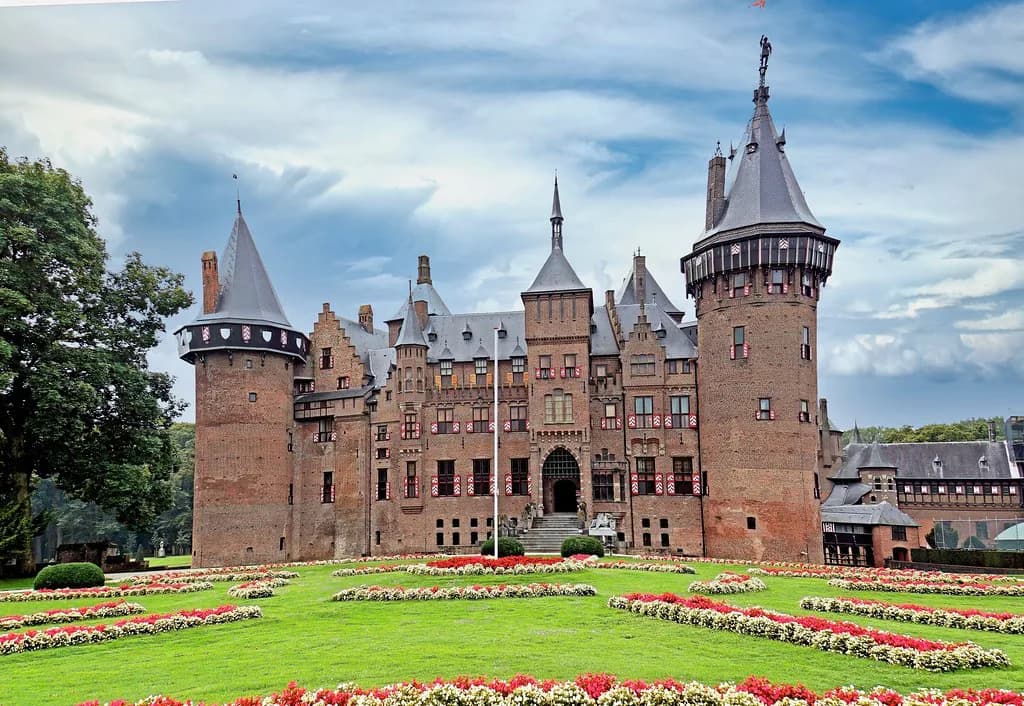
Castles keep their own opening patterns and seasonal hours, so check opening days before you commit to a castle visit. Spending a rainy autumn day indoors at a castle or museum also makes better use of short daylight hours.
Daylight and what it means for walking and cycling
Dutch daylight swings widely across the year, from long summer evenings to short winter afternoons. In practice, spring and summer give you room for a full day of cycling plus an evening walk, while autumn and winter reward a tighter plan with indoor stops.
For a cycling break, aim for May to September, when you can ride the canal ring of Utrecht or the dunes route near Haarlem without racing the light. In the shoulder months, plan your longest ride for the middle of the day and keep the morning and late afternoon free for museums and cafés.
Which city suits which season
Canal cities such as Utrecht and Leiden shine in spring, when the Oudegracht and the grachten are lined with blossom and the light lasts into the evening. Open squares such as the Vrijthof in Maastricht and the Grote Markt in Groningen are at their best in summer, when terraces fill and street life runs late.
Museum cities come into their own in autumn, when the Mauritshuis in The Hague and the museums of Haarlem and Delft are a pleasure to explore without summer queues. Winter suits short breaks built around a single city, with indoor sights and early dinners replacing long walks.
The Domtoren in Utrecht is a good example of a sight that works in any season, because the climb and the view reward clear days year-round. Check the tower's own opening days and booking rules before you build a day around it.
When to pay more and when to pay less
Month, school holidays and flower season all move demand and prices, with July and August the busiest and priciest months and flower weekends filling beds in spring. Midweek breaks in late September, early October and March tend to cost less and leave more room to book the museums you want.
Prices for hotels, museum tickets and transport change, so check the official sites for your dates rather than relying on a guide written months earlier. Booking accommodation and timed museum slots together, as soon as your dates are firm, is the simplest way to keep costs predictable.
Choose your month and book the museums first
Pick spring for tulips and long evenings, summer for warmth and terrace life, and late September or October for calm canals and museum days. Whichever you choose, settle the museum days first, then book travel and a bed around them, because Monday closures and timed tickets shape a short break more than the weather does.
For month-level detail to finish your planning, read the guides to The Netherlands in June, The Netherlands in July, Netherlands in August and The Netherlands in September, and use the best museums in the Netherlands guide to decide which collections deserve your slots.
Explore more Netherlands guides
Sources
Notes for your next Dutch city break
Optional updates to our Netherlands guides.
You might also like
Continue reading
More guides you'll find useful