The Netherlands in August: Weather, Crowds and Where to Go
August in the Netherlands brings typical daytime highs of 20°C to 25°C and long days. See what that means for crowds, cycling and choosing a city.
On this page
August gives you long, warm days: typical daytime temperatures sit between 20°C and 25°C, which is comfortable for walking and cycling rather than beach weather. It is also peak season, so a short break based in Utrecht, The Hague, Den Bosch, Maastricht or Groningen gives you canals, churches and squares with calmer streets than Amsterdam, which you can treat as a transport hub at most.
This guide covers what August weather does to a city break, how to judge the crowds, which cities suit the month, and how to fill one to four days with bike routes, boat trips, terraces and museum time when it rains. It is written for travellers planning a short break, so every section ends in a decision you can act on.
August at a glance: warm days and long evenings
Daytime highs in June to August typically range from 20°C to 25°C, which means most sightseeing happens in shirtsleeves with a light layer for the evening. The long daylight hours are the real gift: you can climb a tower or walk a canal ring after an afternoon museum and still have light for dinner on a square.
Treat those figures as climate averages rather than a forecast and pack for changeable skies, because Dutch summer weather alternates warm spells with cooler, wetter days. Build each day around one anchor sight and one flexible outdoor block so a shower costs you an hour rather than an afternoon.
If your dates are still open, compare the shoulder months before you commit, since June and September trade a little warmth for calmer streets. The best time to visit the Netherlands for a city break depends on whether you value daylight and terraces more than elbow room.
How busy August really is
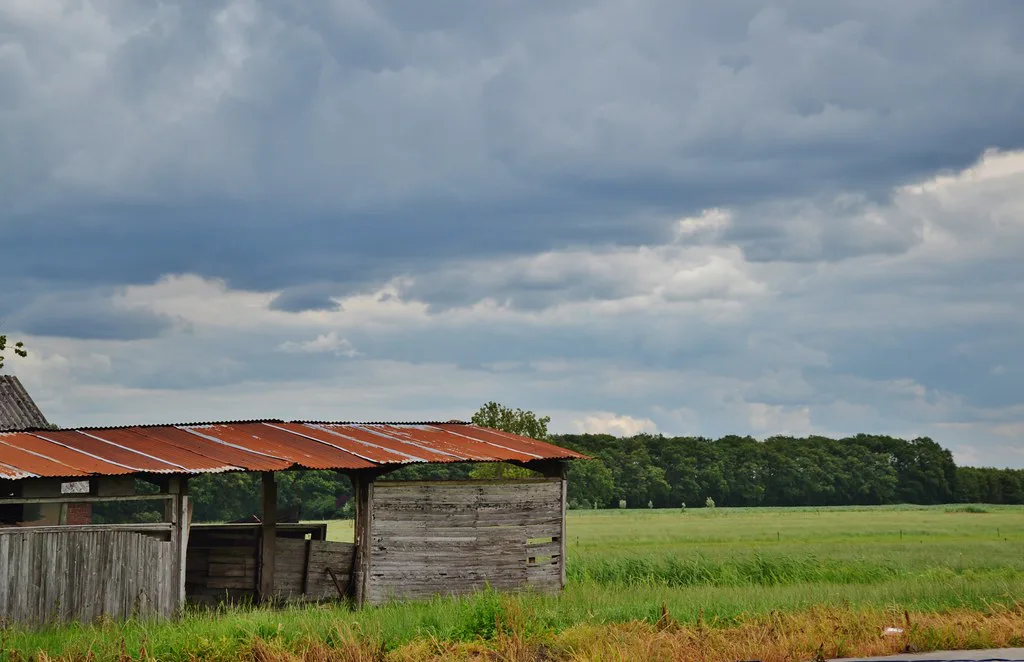
August is peak season, and the long days and lively atmosphere pull crowds towards the obvious honeypots. Amsterdam takes much of the pressure, which is exactly why a short break based in a smaller Dutch city gives you a calmer version of the same canals, churches and squares.
What is the weather like in the Netherlands in August? Typical daytime highs in June to August range from 20°C to 25°C, with long daylight hours and changeable skies. Expect warm spells mixed with cooler, showery days rather than wall-to-wall sunshine, and plan one indoor option each day.
Is Amsterdam a good choice for an August trip? Amsterdam is at its busiest in August, so a short break based in Utrecht, The Hague, Den Bosch, Maastricht or Groningen gives you similar canals and churches with calmer streets. Use Amsterdam as a transport hub rather than your base.
Do I need to book museums in advance in August? Book any timed-entry museum for the day you want, because peak season fills slots. Check opening days first, since many Dutch museums close on Mondays, and place museum visits from Tuesday to Sunday.
Crowds change how you book rather than whether you go. Reserve any timed-entry museum for the day you want, start walking routes before mid-morning, and keep the middle of the afternoon for a terrace, a park or a boat rather than a queue.
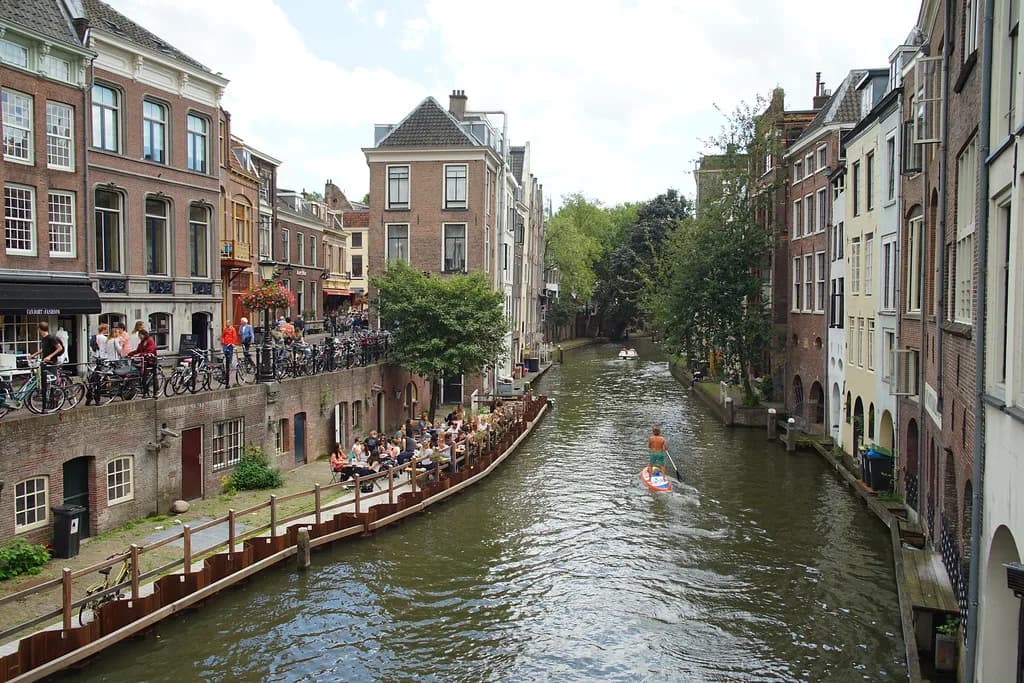
Summer also brings the Dutch outdoors: squares and sidewalks fill with chairs and tables as soon as the sun appears, and boats crowd the canals and lakes. Joining that terrace culture is an easy, low-cost way to enjoy an August afternoon.

What the weather does to a city break
Warm afternoons make towers and open squares hard work, so put the climb up the Domtoren in Utrecht or the Martinitoren in Groningen in the morning or early evening. The light is better for photos then too, and you avoid queuing in the hottest part of the day.
Rain is the other half of a Dutch summer, and it arrives as showers rather than all-day drizzle. Carry a compact rain jacket, plan museum interiors for the wettest window and keep a second indoor option in reserve for each day.
If you are weighing August against July, the Netherlands in July has comparable temperatures and slightly shorter evenings, while August gives you a little more twilight for evening walks along the Oudegracht.
Which Dutch cities suit an August break
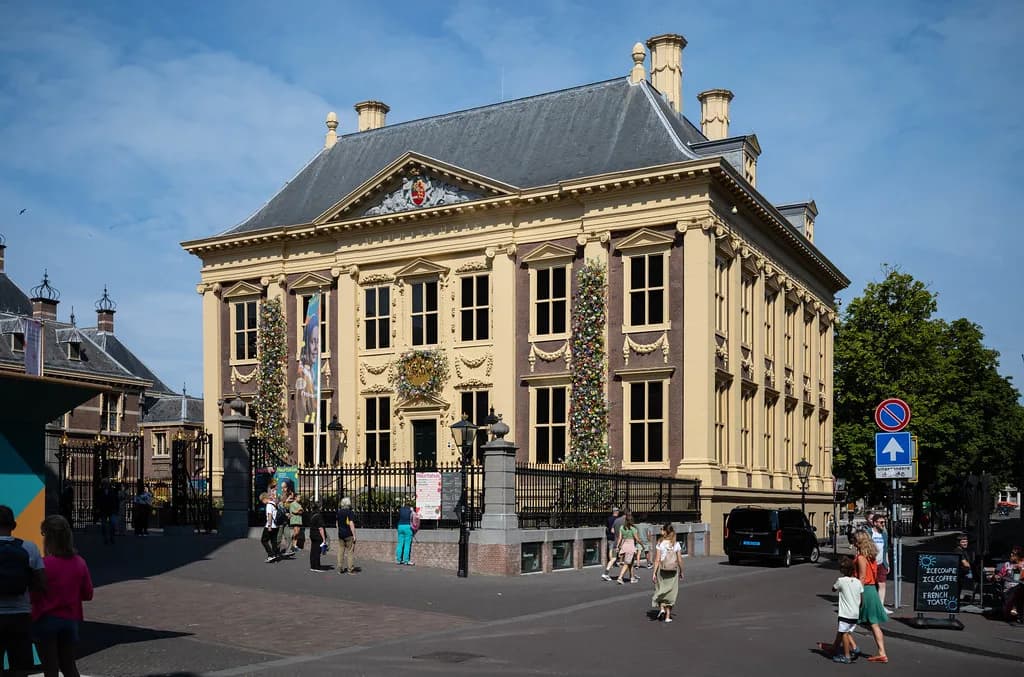
Utrecht is the easiest pick: a compact centre, the Oudegracht with its wharf-level cafés and the Domtoren all sit within a short walk of each other, so a two-day break needs no transport at all. The Hague (Den Haag) pairs the Binnenhof and Mauritshuis with wide streets and a saltier air, and works well when you want museums and a city centre in one day.
Den Bosch ('s-Hertogenbosch) rewards a slower pace, with the Grote Markt and Sint-Janskathedraal as the obvious anchors and a smaller, more local feel in August. Maastricht and Groningen sit at opposite corners of the country and both justify a longer stay rather than a rushed day trip.
Wherever you base yourself, pick one city and stay there: moving between two cities in a three-day break eats half a day in bags and stations. If you are travelling later in the summer instead, the Netherlands in June guide covers a different set of conditions.
Cycling and boat days in August
Cycling is the best use of a warm, dry August day, and you do not need to leave the city: Utrecht, Groningen and The Hague all have straightforward routes out to quieter water and parkland. Rent a bike for the day rather than the hour, carry water and start early so the return leg falls before the afternoon heat.
Water is the other August default. Renting a small boat or joining a canal cruise gives you shade, a breeze and a different view of the same city, and kayaking suits calmer inland waterways better than open water. In the north, the Wadden Islands offer a quieter, nature-led alternative to city streets in high season.
Around Schagen in Noord-Holland, flat cycle country opens up close to the station, with guided bike tours running from there on Saturdays and Sundays through the summer. That makes a good half-day of cycling without committing to an overnight stay.
Terraces and summer eating
Use a warm August afternoon the way the Dutch do: claim a table on a square, order something cold and let the middle of the day pass slowly. Seasonal summer food and long lunches on terraces are part of the season rather than a destination in themselves, so treat them as recovery time between sights.
Choose your terrace by shade and wind rather than by menu: a square with trees on its western side stays pleasant into the early evening, while open water-facing tables catch the breeze. In Maastricht, the Vrijthof is the natural centre for this, and in Den Bosch the Grote Markt fills the same role.
National parks and nature reserves
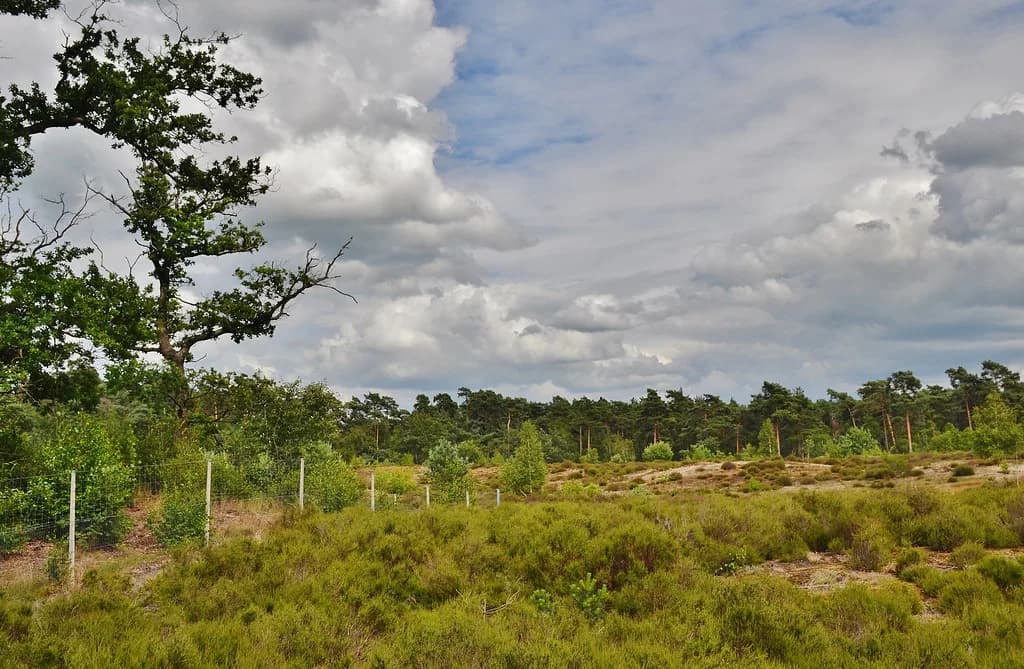
When the city feels too full, a national park or nature reserve is an August solution as well as a scenic one. The bigger ones, including De Hoge Veluwe, where the Kröller-Müller Museum sits, need a full day and work best by bike once you are inside.
Plan a nature day around transport: reach the park entrance by train and bus, then hire a bike on site rather than bringing one. Take food and water, because options inside the parks are limited and spread out, and check the last bus back before you set off.
Rainy-day fallback: the museum day
A wet August day is the cue to give a museum three or four hours instead of ninety minutes. The Mauritshuis in The Hague and the Kröller-Müller both repay a slow visit, and pairing one with a long lunch keeps the day comfortable whatever the sky does.
Check opening days before you fix your itinerary, because many Dutch museums close on Mondays and some need a timed ticket booked in advance. Build your museum day for a Tuesday to Sunday and use Monday for walking, markets or a bike ride instead.
If your trip slips into the next month, the Netherlands in September guide covers the shift towards shorter days and quieter streets.
How many days you need in August
One day gives you a single city centre on foot: a tower or church, one museum and a canal walk, with dinner on a square. Two days add either a bike ride or a boat trip and let you slow down; three days are enough for a museum morning, an outdoor afternoon and one day out to a national park or the Wadden Islands.
A four-day August break is the generous version and suits a base like Utrecht or Groningen, where you can spend one day on water, one on bikes and two on the city itself. Resist adding a second city: a single base keeps transfers out of the hottest part of the day.
If you are booking around a specific date, compare the shoulder months too, because August demand pushes up prices and fills the best-located rooms early.
Who August suits and who should pick another month
August suits travellers who want long evenings, warm cycling and terrace lunches, and who are happy to book museums ahead and start early. It also suits families tied to school holidays, who can use the long days to spread sightseeing out.
If you dislike queues, prefer cooler walking weather or want the cheapest rooms, look at the shoulder months instead. For a first trip that keeps things calmer, June is a good fit, and the Netherlands in June guide explains why.
Which Dutch city should you base yourself in for August?
Pick Utrecht for the easiest two-day break, The Hague for museums and wide streets, or Groningen for a longer stay with bikes and water close by. Book one base, one timed museum ticket and one outdoor day, then let the weather decide the rest.
Before you fix dates, compare August with the shoulder months and check current opening days for any museum you plan to visit.
Frequently Asked Questions
What is the weather like in the Netherlands in August?
Typical daytime highs in June to August range from 20°C to 25°C, with long daylight hours and changeable skies. Expect warm spells mixed with cooler, showery days rather than wall-to-wall sunshine, and plan one indoor option each day.
Is Amsterdam a good choice for an August trip?
Amsterdam is at its busiest in August, so a short break based in Utrecht, The Hague, Den Bosch, Maastricht or Groningen gives you similar canals and churches with calmer streets. Use Amsterdam as a transport hub rather than your base.
Do I need to book museums in advance in August?
Book any timed-entry museum for the day you want, because peak season fills slots. Check opening days first, since many Dutch museums close on Mondays, and place museum visits from Tuesday to Sunday.
Sources
Notes for your next Dutch city break
Optional updates to our Netherlands guides.
You might also like
Continue reading
More guides you'll find useful