Netherlands in July: Weather, Crowds and Where to Go
July in the Netherlands means warm, long days and peak crowds. See typical temperatures, what it means for city breaks, and which Dutch cities suit July.
On this page
July is a good time to visit the Netherlands if long daylight hours and warm outdoor days matter more to you than low prices and quiet museums. It is the middle of summer and the peak tourist season, so expect the fullest hotels and the busiest sights of the year. This guide covers typical July weather, how the season shapes a city break, and which Dutch cities outside Amsterdam give you the best July; for the wider seasonal picture see our guide to the Best Time to Visit the Netherlands.
Treat every temperature here as a climate average, not a forecast: pack for a warm week that can still turn showery and breezy. The planning advice assumes you want named streets, squares and museums rather than a list of general ideas.
Is July a good time to visit the Netherlands?
Yes, with a trade-off. July gives you the warmest, longest days of the Dutch year and the easiest conditions for cycling and wandering between canals, but it is also when accommodation and air fares peak, so book well ahead rather than hoping for a late bargain. If your priority is cheap flights and quiet galleries, June or September usually suits better.
Rain is possible in any Dutch month, so build your days around a mix of indoor and outdoor stops: a museum in the middle of the day, a canal walk or bike ride in the evening when the light lasts. That structure matters more in July than the exact temperature, because a single wet afternoon can otherwise swallow half a city break.
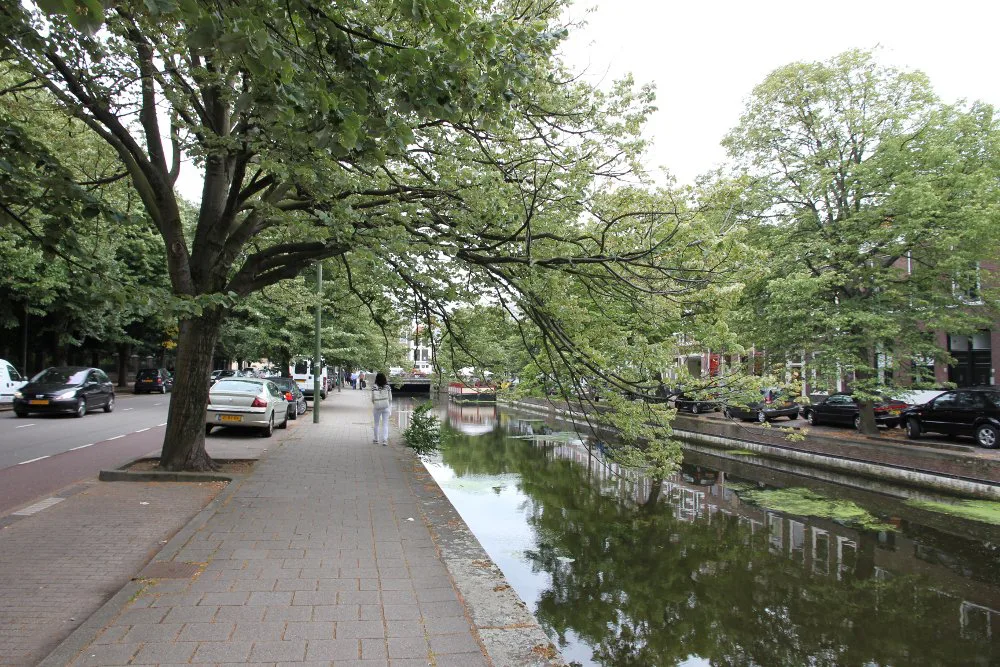
What July weather is typically like
Typical July figures for the Netherlands are an average high of 21°C and an average low of 13°C, with the coast tending to be windier than inland cities. Those are averages across the month, so a given week can run warmer or cooler and you should not read them as a daily promise.
Is Amsterdam very hot in July? No. July in the Netherlands is warm rather than hot, with typical national averages around 21°C at the high end and occasional days reaching roughly 24°C.
Are there still tulips in Amsterdam in July? No. The tulip fields bloom in spring, well before July, so a July trip is for city sightseeing, cycling and long evenings rather than flower fields.
How far ahead should I book a July trip? As early as you can commit. July is peak season and accommodation and air fares are at their highest, so early booking keeps both choice and price in your favour.
Other climate summaries describe the summer as averaging around 19°C and note occasional highs of around 24°C, which tells you the same thing: pleasant rather than hot, and rarely oppressive. For the wider seasonal view, see our guide to the Best Time to Visit the Netherlands.
For a city break the practical takeaway is light layers, a packable rain jacket and no need for serious heat planning. Coastal districts such as Scheveningen in The Hague feel the wind more than sheltered inland streets in Utrecht or Den Bosch, so a windy afternoon is the moment to head for a museum instead of the water.

Long days and what they mean for sightseeing and cycling
July's long days are the real reason to come. You can spread a city over a full day without rushing, take a late-afternoon bike ride and still have daylight for an evening canal walk, which makes a two-day break feel considerably longer than it would in winter. Plan the museum you most want for the morning and keep the flexible hours for outdoor time.
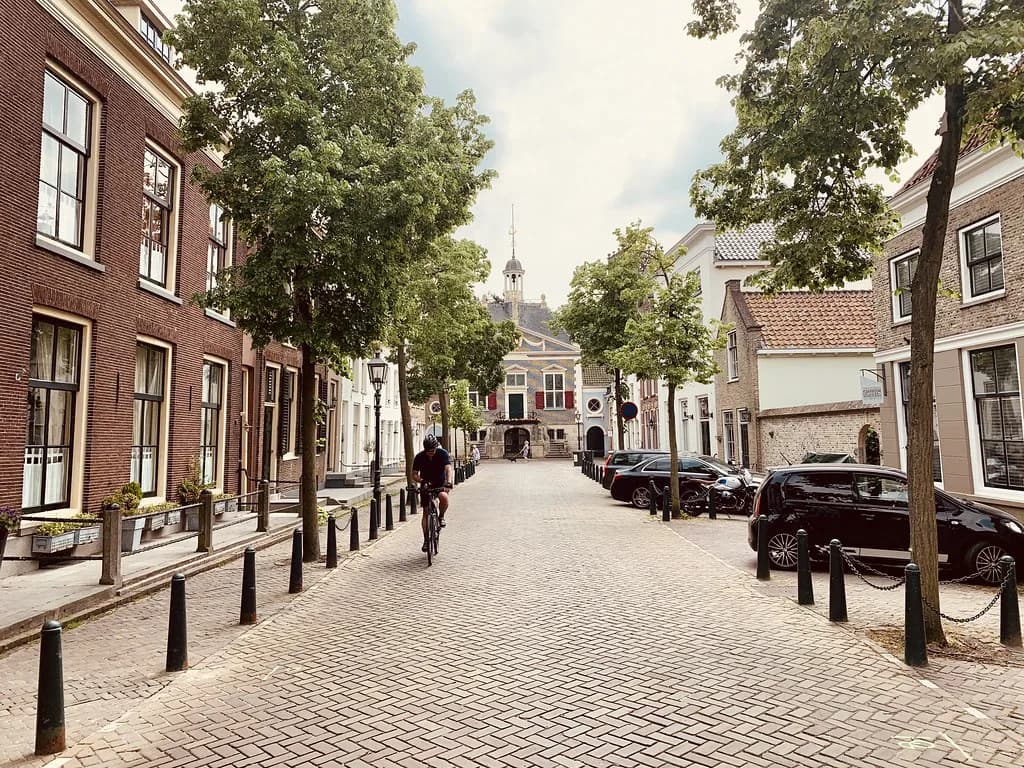
Cycling is at its easiest in July: dry paths, warm air and enough light to extend a route if you are enjoying it. The Bossche Broek nature reserve outside Den Bosch is a straightforward place to ride, and canalside routes in Utrecht work well as an end-of-day loop rather than a full excursion.
Keep cycling practical: Dutch bike hire is usually arranged per day, city centres are easier on foot, and a mix of walking inside the old core and riding between districts gives you the most for the least effort. You do not need a long-distance route to enjoy July on two wheels.
Peak season: prices, crowds and how to plan around them
July is peak season, and hotel and air ticket prices are at their highest, so the earlier you book the more choice you keep. That is the clearest trade-off of a July trip: you pay more for the weather and the light. Booking accommodation and travel together well before the summer is the single most effective saving.
Museums are busier in July, and the most popular ones are easier with a ticket booked ahead; check the ticket page for the museum you want rather than assuming you can walk in. A simple rule for July is one pre-booked museum per day with outdoor sightseeing around it, so a sold-out slot does not derail the whole plan.
Expect major summer events to pull crowds into specific cities. Rotterdam's North Sea Jazz Festival is a July fixture with a three-day programme of local and international names, and if your dates overlap, the city's accommodation and evening venues fill up around it.
Which Dutch cities suit a July city break
Rotterdam, The Hague, Haarlem, Utrecht and Den Bosch all work well in July, and each gives you something different: modern architecture and a covered market hall, a museum city with a coastal district, a compact old town, canal wharves and a cycling reserve. Pick two cities for a short break rather than three, because Dutch rail hops are quick but moving costs you half a day each time.
If your dates are fixed around late July and you want the same warm weather with slightly smaller crowds, August is a reasonable comparison; June is the pick for anyone who wants summer without peak-season pricing.
Rotterdam in July: Markthal and the modern centre
Rotterdam is the July city for anyone who prefers modern architecture to canal-house postcards. The Markthal is the obvious indoor stop, useful when a shower passes, and the surrounding centre is easy to cover on foot in a morning before the heat of the afternoon.
Build the day around one indoor anchor and let the rest happen outside: the Markthal for lunch and browsing, then a walk along the waterfront and through the rebuilt centre.
The Hague in July: Mauritshuis, Binnenhof and Scheveningen
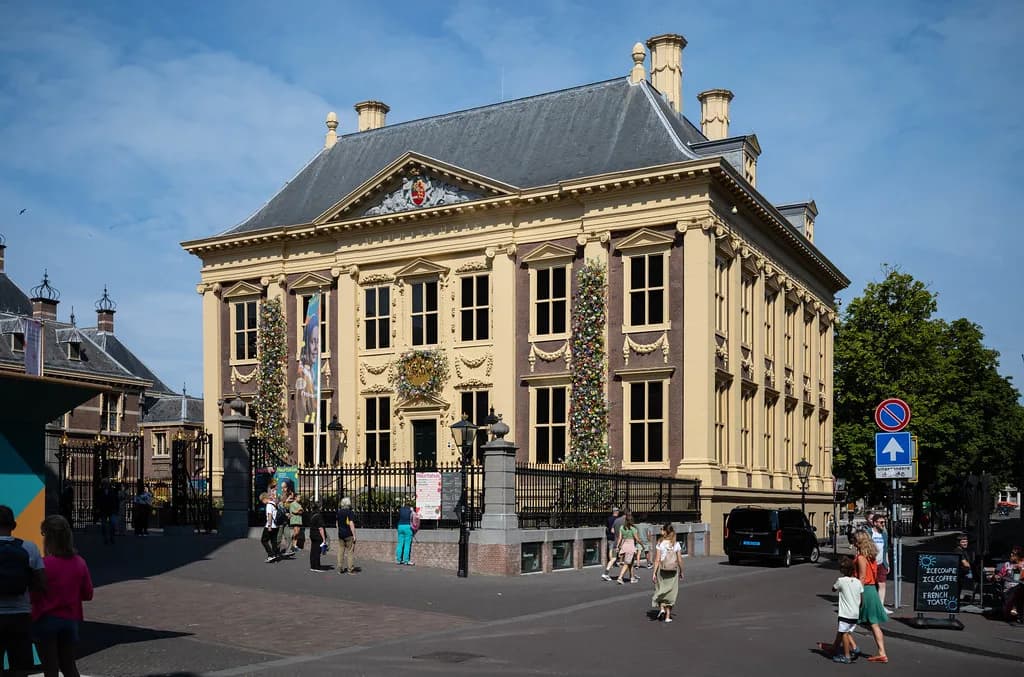
The Hague pairs a serious art collection with a seaside district. The Mauritshuis holds the Golden Age paintings and the Binnenhof is the historic political centre; both are core sights to build a July morning around before the day warms up.
Scheveningen is a district of The Hague and a good use of a long July evening, when the wind off the water is easier to enjoy than at midday. For a city break, treat it as an afternoon-and-evening extension of The Hague rather than a separate destination.
Haarlem in July: Grote Markt, St. Bavo Church and Teylers Museum
Haarlem is compact and rewarding for a day. In the city centre, St. Bavo Church dates to the 14th century, and the Teylers Museum, the Netherlands' oldest museum, holds an art collection. The Grote Markt is the central square to orient yourself around. Plan an unhurried day so you can take in a church, a museum and the surrounding streets on foot.
A July day here is best shaped as square, church, museum, then an evening wander through the surrounding streets, which gives you the outdoor hours in the best light. For the summer without peak-season pricing, compare it with the Netherlands in June, which covers cities outside the capital in the same style.
Utrecht and Den Bosch in July
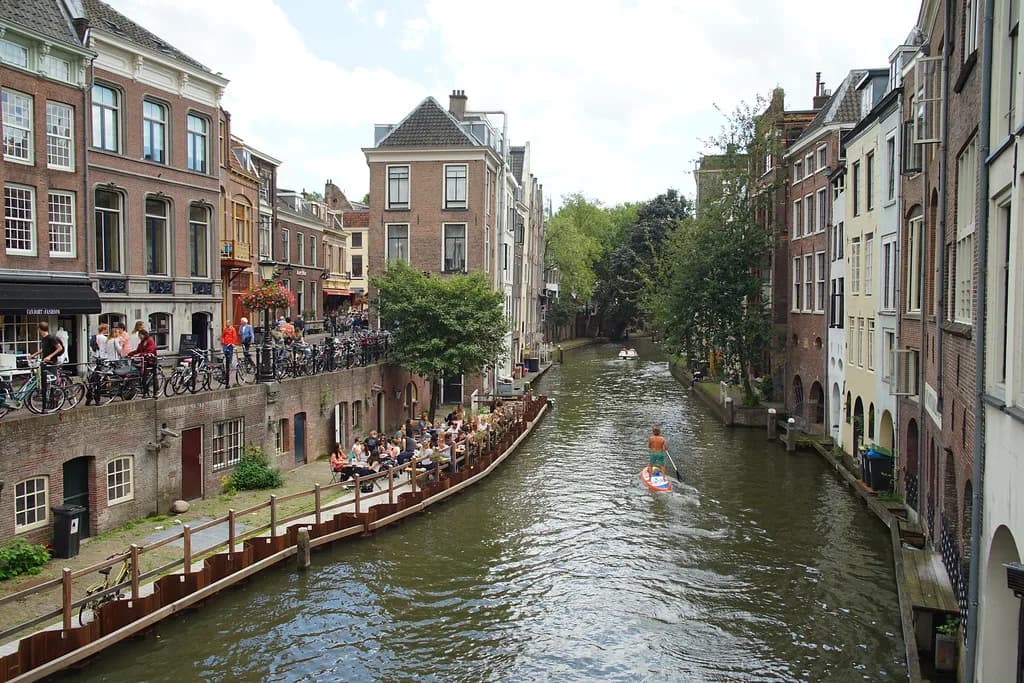
Utrecht and Den Bosch ('s-Hertogenbosch) are the canal cities to pick in July. Utrecht's Domtoren towers over the old centre and the Oudegracht wharf level is made for a slow evening walk; Den Bosch adds the Bossche Broek reserve for a cycling half-day away from the streets.
Both cities suit a single overnight stop: arrive late morning, walk the core, ride or walk in the evening, and move on the next day. In July that pattern keeps you outdoors in the good hours and leaves the middle of the day for a museum or a café when it is warmest.
How many days you need in July
Two days is the minimum for one Dutch city, and three to four days lets you add a second without rushing. With long July evenings, a two-day break can hold a museum morning, an afternoon district walk and a canal or park evening each day, which is more than enough for Rotterdam, Haarlem or The Hague individually.
A sensible one-to-four-day shape: day one in the old core on foot, day two for the main museum and a canal walk, day three for a cycling half-day such as the Bossche Broek or the Utrecht wharves, and day four for a coastal district or a second city.
What July means for tulips and flower fields
July is not the month for flower fields, so if flowers are the point of your trip, use July for city days instead. Anyone hoping for rows of colour in the bulb fields should plan that visit for another time of year rather than a July city break.
If you want the full seasonal picture, the month-by-month guides to June and September are the better starting points before you fix dates.
Should you book July or shift to another month?
Book July if warm evenings, long daylight and outdoor sightseeing matter more to you than the lowest prices. Choose Rotterdam for modern architecture and the Markthal, The Hague for art and the Scheveningen district, Haarlem for a compact museum day, and Utrecht or Den Bosch for canal wharves and a cycling half-day.
If your budget is tighter or you dislike queues, shift to June or check the August comparison before you commit; both give you summer conditions with a different balance of crowds and cost. If you are set on July, book accommodation and your must-see museum slot early, then build the rest of each day around the weather as it comes.
Frequently Asked Questions
Is Amsterdam very hot in July?
No. July in the Netherlands is warm rather than hot, with typical national averages around 21°C at the high end and occasional days reaching roughly 24°C. Amsterdam's weather follows the same pattern, so you need light layers more than heavy heat planning.
Are there still tulips in Amsterdam in July?
No. The tulip fields bloom in spring, well before July, so a July trip is for city sightseeing, cycling and long evenings rather than flower fields. If tulips are your reason for travelling, pick an earlier month.
How far ahead should I book a July trip?
As early as you can commit. July is peak season and accommodation and air fares are at their highest, so early booking keeps both choice and price in your favour. Reserve any must-see museum slot for the same reason before you build the rest of the itinerary.
Sources
Notes for your next Dutch city break
Optional updates to our Netherlands guides.
You might also like
Continue reading
More guides you'll find useful