The Netherlands in June: Weather, Daylight and Where to Go
June in the Netherlands averages highs near 21°C, 71 mm of rain and the longest days of the year. Here is what that means for a city break of one to four days.
On this page
June is one of the most comfortable months for a short Dutch city break: average daytime highs sit near 21°C, nights drop to about 11°C, and daylight stretches to almost 17 hours in mid-June. This guide covers what the climate averages actually mean, how June compares with May and July, and which cities reward the long evenings. All figures are 1991–2020 climate normals rather than a forecast for any given week.
What June is like in the Netherlands
Expect mild, changeable days rather than a settled heatwave. The month averages 16°C across day and night, with an afternoon high near 21°C and a night low around 11°C, so a morning start and a late evening both want an extra layer. Some rain is likely across the month, but the total is modest enough that a wet hour rarely ruins a day.
Sunshine is moderate at roughly 6.9 hours a day, and much of the month is bright without being fierce. The Dutch coast tends to run slightly cooler than inland cities, so The Hague and Rotterdam can feel fresher than Utrecht or Den Bosch on the same afternoon. June sits inside the May-to-October stretch that is most comfortable on temperature and rainfall together.
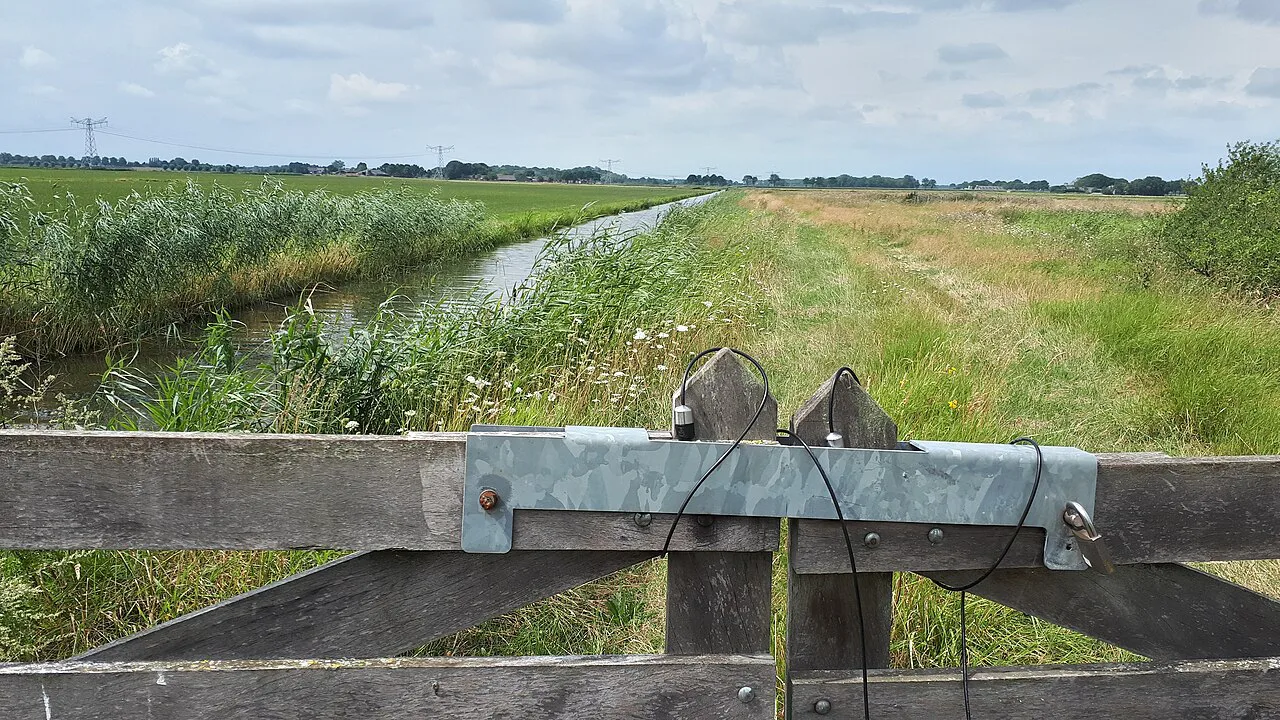
June temperatures and rainfall against May and July
The date trade-off is straightforward. June is 2.6°C warmer than May and 11 mm wetter, so early summer buys warmth at a small cost in showers. Against July, June is 2.2°C cooler and 15 mm drier, which makes it the gentler choice if you would rather walk than shelter.
Is June a good month for a short city break in the Netherlands? Yes. June gives average highs near 21°C, cool nights around 11°C and nearly 17 hours of daylight in mid-June, which leaves room for both an indoor sight and a long evening outside.
How does June compare with May and July? June is 2.6°C warmer and 11 mm wetter than May, and 2.2°C cooler and 15 mm drier than July. Choose May for drier pavement, June for long light evenings with moderate rain, and July for the warmest afternoons alongside more showers and bigger crowds.
Can you still see tulips in the Netherlands in June? The main tulip displays belong to spring: Keukenhof's window runs from mid-March to mid-May and usually peaks in April. By June the gardens have moved on to summer flowers, so plan a spring trip if tulips are the reason for travelling.
Rainfall through June totals about 71 mm, comfortably below July's 85 mm and August's 84 mm. May is the drier month at 59 mm, but it comes with chillier evenings and a shorter window of light. If your priority is dry pavement over warm afternoons, May edges it; for evening terraces and long cycles, June wins. Reading the wider Best Time to Visit the Netherlands comparison helps you place June against spring and autumn before you fix dates.
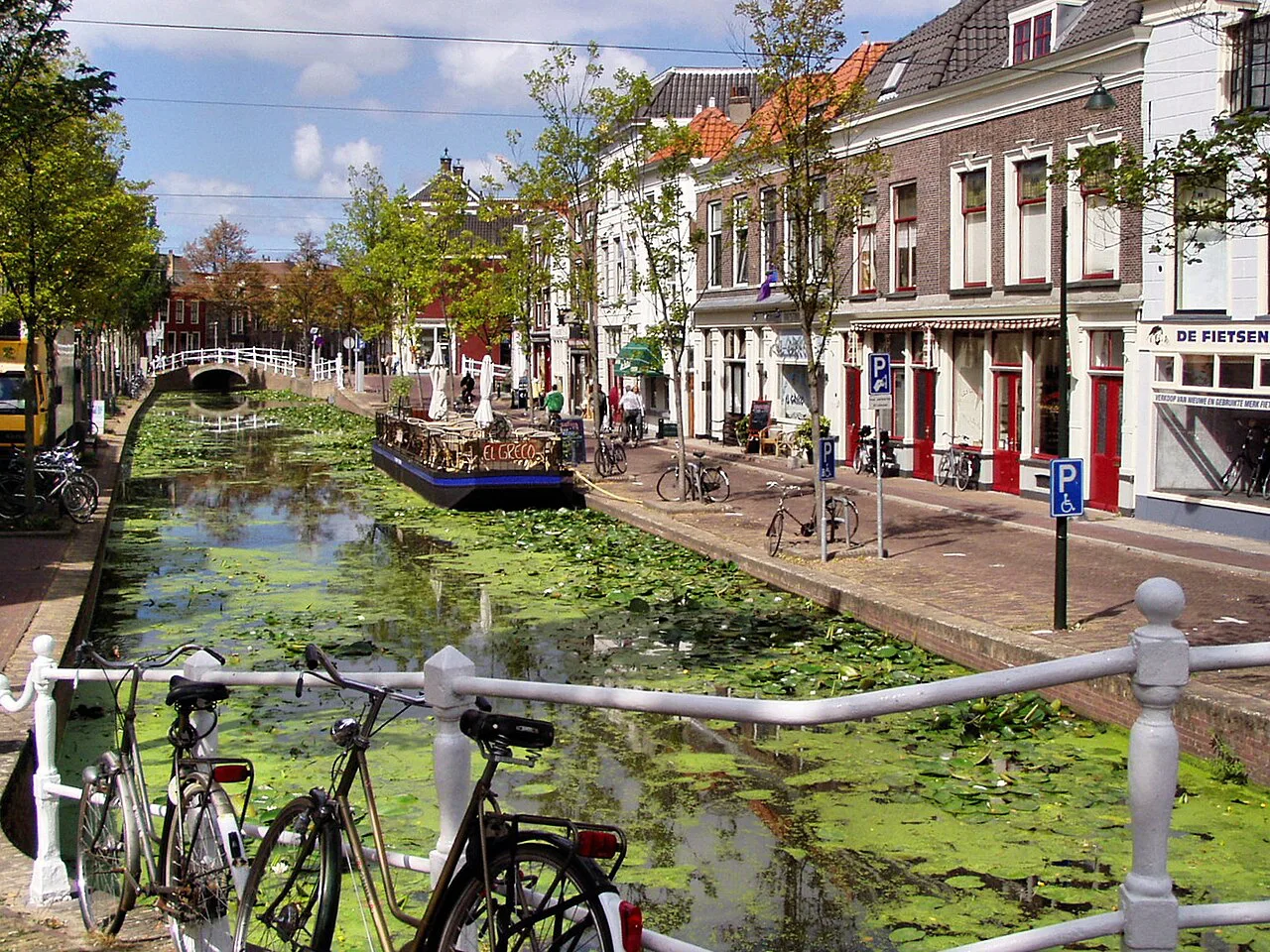
Long daylight hours and what they unlock
Mid-June is the brightest point of the Dutch year, with about 16 hours 44 minutes of daylight: sunrise around 05:17 and sunset around 22:01 local time. The month also lengthens as it goes, ending roughly 14 minutes longer than it starts. In practice that means an early museum slot, a full afternoon of cycling and an evening canal-side walk all fit without rushing.
Use the light deliberately. A 21:00 walk along a canal or across a market square still has colour in the sky, so save the outdoor sight for after dinner and put the indoor one in the middle of the day. Because sunrise is early, a 07:00 bike ride through a park or along a canal gets you quiet streets before the city properly wakes.
Why June suits a one-to-four-day city break
A short break works best when the outdoors does the heavy lifting, and June keeps parks, canal banks and market squares in full use. Two full days cover a compact city on foot; three days add a half-day cycle; four days let you slow down and repeat a favourite quarter. Build the plan around one anchor sight each morning and leave afternoons loose for whatever the sky allows.
Cycling is the natural way to cover ground in this weather, with mild temperatures and long daylight hours. Rental shops cluster near main stations and city centres, and a half-day hire covers most inner-city routes comfortably. Ask at the shop counter about current rates and deposit rules rather than assuming a price.
Which Dutch cities to pick in June
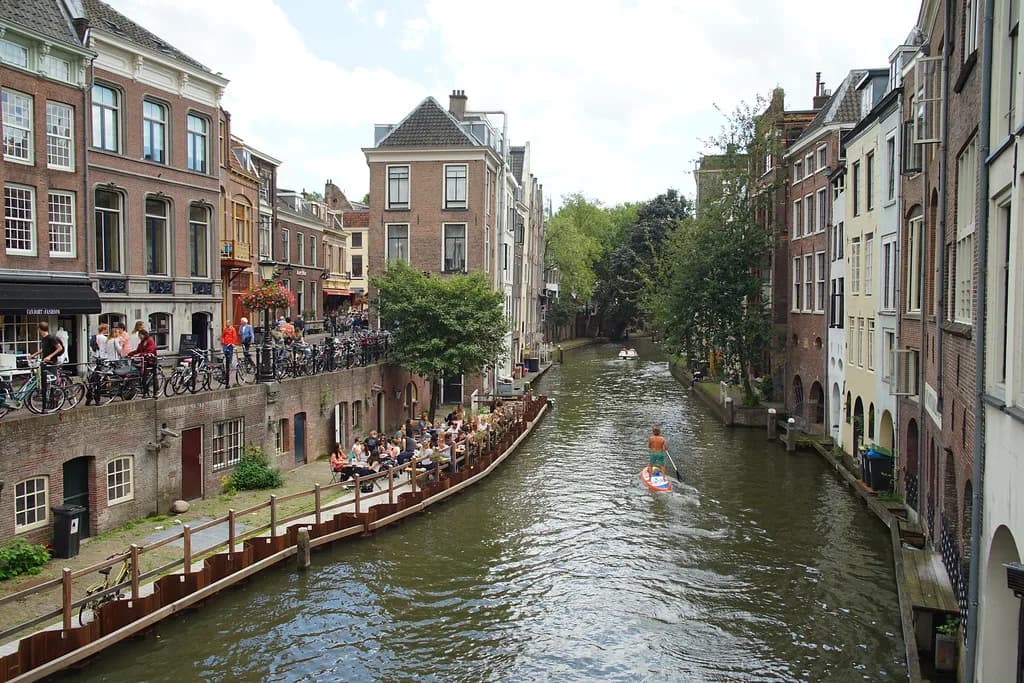
Utrecht is the strongest all-rounder for a two- or three-day June break: the Oudegracht wharf level puts you below street level beside the water, and the Domtoren gives a landmark to steer by. The compact centre means you can walk between the main squares in well under half an hour, leaving the long evening free.
The Hague pairs the Binnenhof and Mauritshuis with broad avenues and the Scheveningen district on the coast, so a cooler coastal afternoon is easy to fold in. Rotterdam's Markthal and modern waterfront suit a design-minded 48 hours, while Delft and Haarlem reward a slower day of canals and church towers. Den Bosch adds the Grote Markt and a lively provincial feel that works well on a longer June break.
June crowds and prices compared with July and August
June is busy but not yet at peak. Across the Netherlands, crowds build through the month but generally stay below the July and August surge, so popular sights are easier to see if you arrive early. Book ahead as the month fills up, especially for weekends.
The upside of arriving before the peak is flexibility: you can often decide a day's plan on the morning rather than pre-booking everything. The trade-off is that the cheapest beds and the best-value slots go first as the month fills. If your dates are fixed to a weekend, book the bed before you book the museum slot.
If your dates are fixed and you are weighing June against high summer, the trade-off is warmth and bustle against lighter crowds and cooler nights. The Netherlands in July comparison sets out the hotter, wetter and busier version of the same trip so you can decide before booking.
Rainy-afternoon stops: museums and churches
A June shower is best met with a short indoor stop rather than a change of plan. Keep one museum or church up your sleeve for each day and slot it into the wettest hour; the shower usually passes while you are inside. That approach beats committing to an all-indoor itinerary and missing the best of the light.
Check museum opening days and any timed-entry requirement the day before rather than turning up, since many Dutch museums close one day a week. Carry a small amount of cash alongside your card for small places and market stalls, where card payment isn't guaranteed.
How to pace a wet day and a dry day
Treat the two weather types as different days rather than variations on one. On a dry day, front-load outdoor time: cycle in the morning, walk the canal ring after lunch, and eat late while the sky is still light. On a wet day, reverse it: museum in the morning, a long lunch while the worst passes, then a short church or covered-market stop in the afternoon.
Leave one afternoon entirely unplanned on a three- or four-day trip. June showers pass quickly, and an empty slot lets you chase the sunshine rather than sit it out. If your trip falls later in the season, the same approach works for the Netherlands in August, when the averages are warmer and wetter.
Should you book June or shift to another month?
Book June if you want long evenings, mild cycling weather and crowds that have not yet peaked. Accept roughly 71 mm of rain across the month and cool nights near 11°C, and plan one indoor option per day. Shift to May for drier pavement, or to July for warmer afternoons and a wetter, busier city.
If your plans are still loose, the Best Time to Visit the Netherlands guide sets June beside spring and autumn so you can compare on daylight, rain and crowds rather than guesswork. Once dates are fixed, pick one city, book the bed early and leave room for the weather to rearrange an afternoon.
Explore more Netherlands guides
Frequently Asked Questions
Is June a good month for a short city break in the Netherlands?
Yes. June gives average highs near 21°C, cool nights around 11°C and nearly 17 hours of daylight in mid-June, which leaves room for both an indoor sight and a long evening outside. Rain comes as showers rather than settled wet days.
How does June compare with May and July?
June is 2.6°C warmer and 11 mm wetter than May, and 2.2°C cooler and 15 mm drier than July. Choose May for drier pavement, June for long light evenings with moderate rain, and July for the warmest afternoons alongside more showers and bigger crowds.
Can you still see tulips in the Netherlands in June?
The main tulip displays belong to spring: Keukenhof's window runs from mid-March to mid-May and usually peaks in April. By June the gardens have moved on to summer flowers, so plan a spring trip if tulips are the reason for travelling.
What should I plan around the long June evenings?
Keep outdoor sights such as canals, squares and parks for after dinner, when sunset is still around 22:00 in mid-June. Put museums and churches in the middle of the day, when a shower is most likely to interrupt and an indoor stop costs you least.
Sources
Notes for your next Dutch city break
Optional updates to our Netherlands guides.
You might also like
Continue reading
More guides you'll find useful