Best Museums in the Netherlands Outside Amsterdam
Our pick of the best museums in the Netherlands outside Amsterdam, from the Mauritshuis in The Hague to the Kröller-Müller, and where each one sits.
On this page
The best museums in the Netherlands sit outside Amsterdam, in cities that reward a deliberate shortlist rather than a scattergun crawl. The Mauritshuis in The Hague holds Vermeer's Girl with a Pearl Earring, the Kröller-Müller pairs Van Gogh with a sculpture garden in the Veluwe woods, and Rotterdam's mirrored Depot puts the storage of a major collection on show. This guide picks the museums worth building a city break around, says what each holds and where it sits, and shows how to stack two or three of them onto one rail line.
What makes a museum worth a city break
A museum earns a place on a short trip when it holds something you cannot see elsewhere: a single famous canvas, a building that is itself the attraction, or a collection shaped by one city's history. Size is a poor guide, because a focused house of thirty rooms can carry a morning better than a sprawling complex that leaves you flagging by lunchtime. Our picks share three things: a distinctive core collection, a walkable setting near a canal or square, and enough of a city around it to fill the rest of the day.
Geography decides more of your plan than you might expect. The Hague, Rotterdam, Haarlem, Utrecht and Zwolle all sit on the same dense rail network, so a two-city break can take in two strong collections without a car. Maastricht and Groningen sit at opposite ends of the country and each is best treated as the anchor of its own trip rather than a stop-off. Decide the shape of the journey first, then let the museums fall into place.
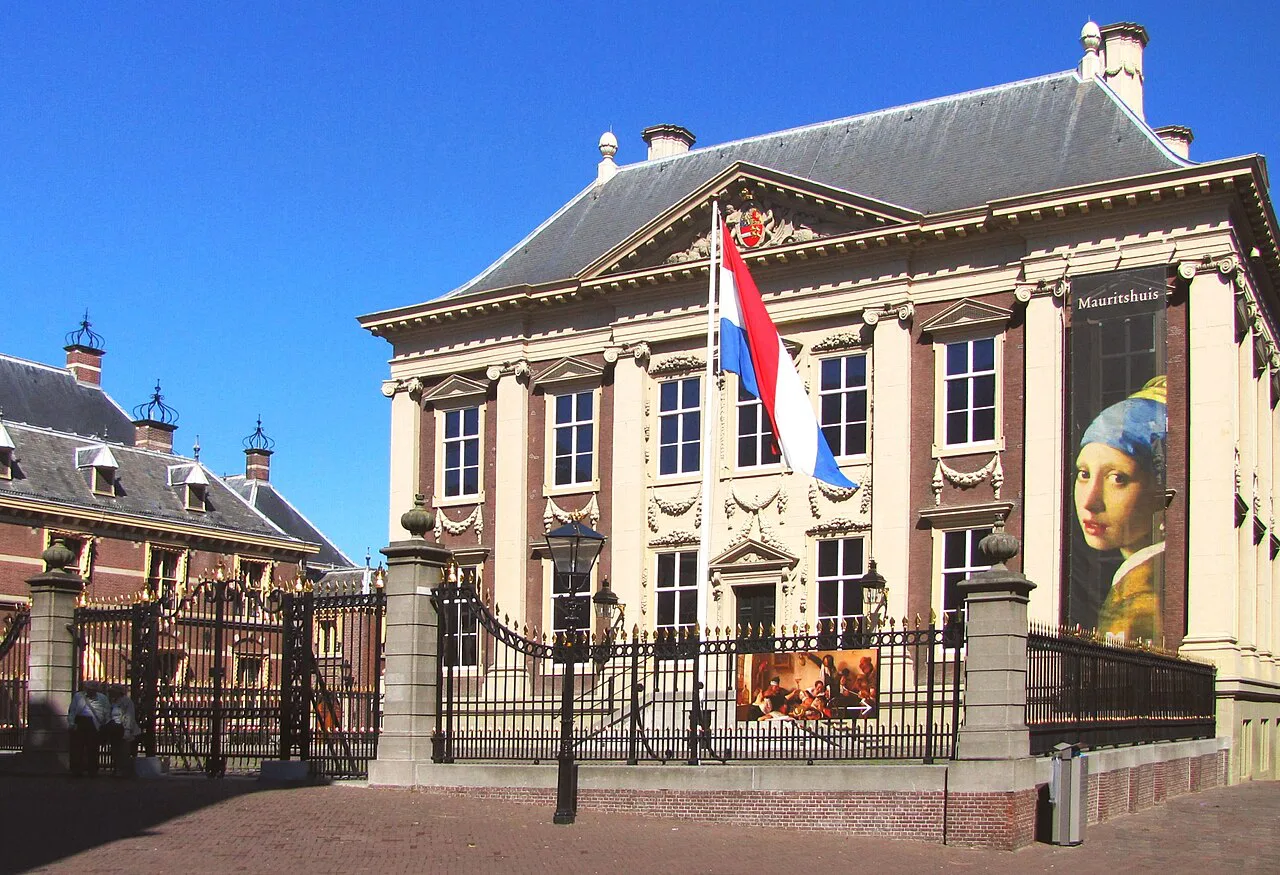
Mauritshuis, The Hague: Vermeer and the Dutch Golden Age on a canal-side square
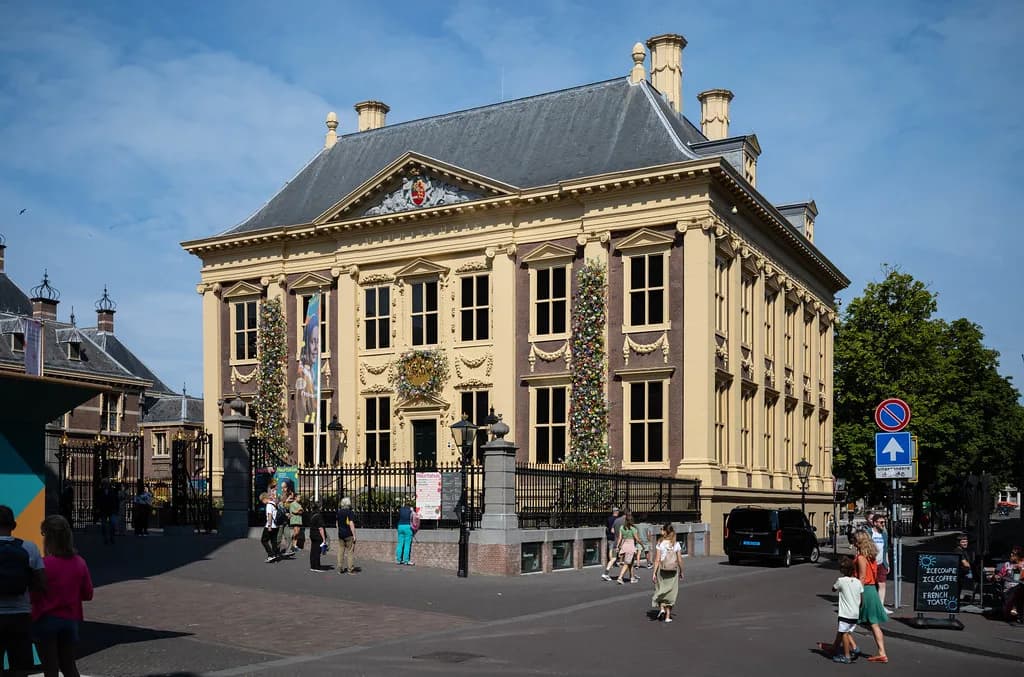
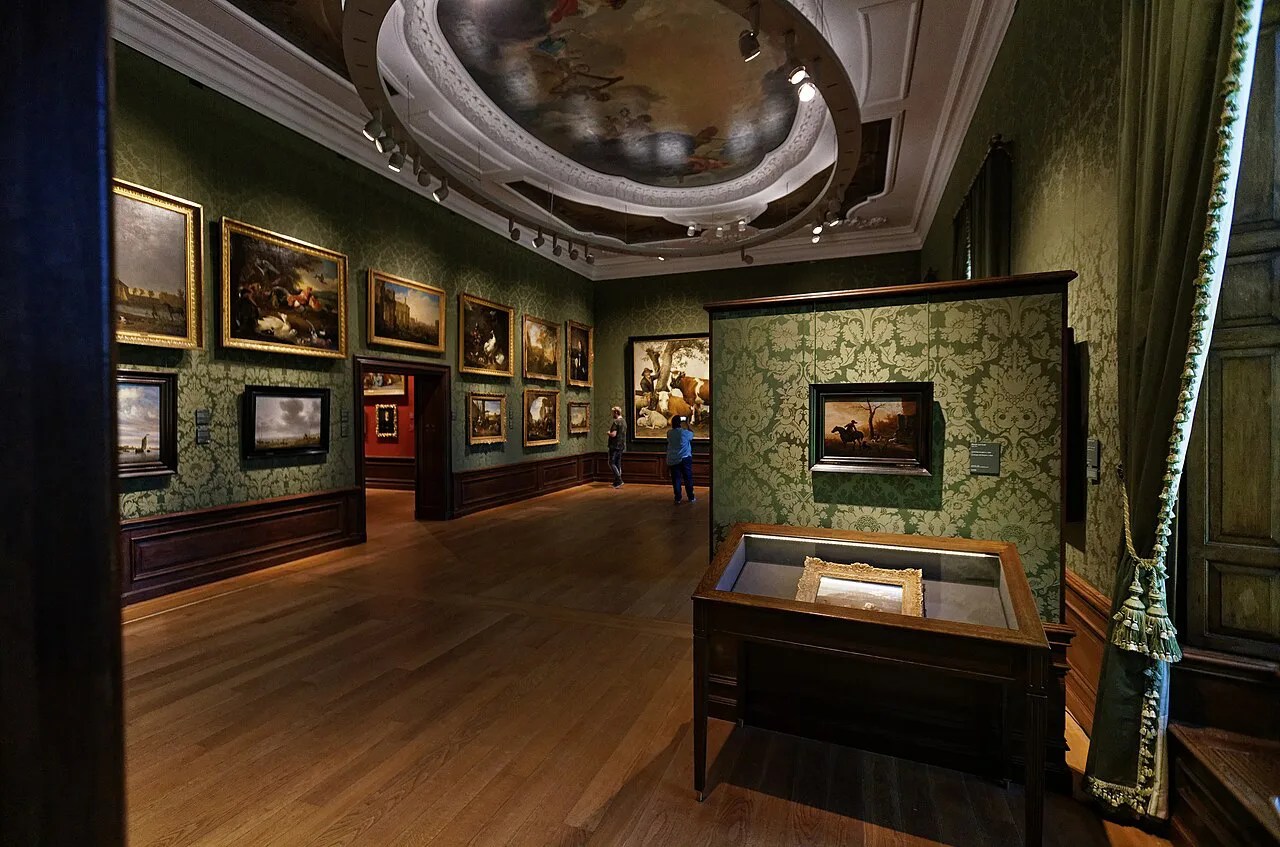
The Mauritshuis is the strongest small collection of Dutch Golden Age painting in the country and the single clearest reason to give The Hague a night. It houses Vermeer's Girl with a Pearl Earring, the painting most visitors come for, in a seventeenth-century townhouse right beside the Binnenhof. The scale is the point: you can see the whole collection in an afternoon without the museum fatigue that sets in at larger institutions, and the rooms themselves, with their painted ceilings and period interiors, carry much of the experience.
It sits on Plein, a short walk from the Binnenhof and the Hofvijver pond, which puts it inside the historic core rather than out in a museum quarter. That makes a natural day: the Mauritshuis in the morning, the Binnenhof and the surrounding streets after lunch. Book ahead if you are travelling in a busy period, because this is one of the most visited museums in the country and a small building fills quickly.
Escher in Het Paleis, The Hague: illusions in a former royal palace
A few minutes' walk from the Mauritshuis, Escher in Het Paleis displays the graphic work of M. C. Escher in a former royal palace on the Lange Voorhout. The building and the art suit each other: the chandeliers, staircases and ornate rooms amplify the visual trickery of the prints, and the top-floor interactive room lets you stand inside the illusions rather than just look at them. It is a compact museum that suits a mixed group, including anyone who would rather not spend a second consecutive morning on old masters.
Pair it with the Mauritshuis on the same day and you get two very different collections within a ten-minute walk of each other, which is the most efficient museum day The Hague offers. Allow roughly two hours inside and keep the Lange Voorhout for a stroll afterwards.
Kröller-Müller Museum, Otterlo: Van Gogh and sculpture in the Veluwe woods
The Kröller-Müller holds one of the largest Van Gogh collections anywhere, built on the Helene Kröller-Müller purchase of the early twentieth century and displayed in a modernist pavilion deep in the Veluwe. Around it spreads a sculpture garden that is a destination in its own right, with works placed across lawns and woodland rather than lined up in a gallery. The combination of paintings inside and sculpture outside is what makes the journey worthwhile.
It is also the least convenient museum on this list. The museum sits inside Hoge Veluwe National Park near Otterlo, reached by bus from Arnhem or Ede, and the park itself charges an entrance on top of the museum. Budget a full day rather than a half, and factor in the walk or bike ride from the park gate to the museum building.
The reward for the effort is a day that mixes art with heathland, pine woods and open sky. If you are choosing between this and a city museum, know what you are trading: you lose the ease of stepping out into a café-lined street, and you gain a landscape that most visitors to the Netherlands never see.
Boijmans Van Beuningen and Depot Boijmans Van Beuningen, Rotterdam
Rotterdam's mirrored Depot Boijmans Van Beuningen is the museum experience that does not exist anywhere else in the country: a bowl-shaped, mirror-clad building that puts the storage of a major collection on public display. You walk through working depots, see how conservation and cataloguing happen, and look out over the city from the roof terrace. It is the opposite of the traditional gallery visit, and that is precisely the appeal.
The mirror exterior also makes it one of the most photographed buildings in Rotterdam, so expect company on the outside even if you skip the interior. The Depot sits in the Museumpark, a short walk from the city centre and close to other cultural venues. Check which parts of the collection are on show before you go, because the Depot is a working building and displays rotate.
Kunstmuseum Den Haag and its Berlage building
Kunstmuseum Den Haag holds the largest Mondrian collection in the world, alongside De Stijl, fashion and decorative arts, in a purpose-built 1930s building by Hendrik Berlage. The building is part of the draw: long white galleries, coloured brickwork and a sense of light that suits the abstract works on the walls. Allow a good half-day, because the collection is broader than its Mondrian reputation suggests.
It sits in the Statenkwartier, a short walk from the centre and close to Scheveningen on the coast, so it works well as an afternoon after a morning in the historic core. The same building also houses the Fotomuseum Den Haag, which makes a single address cover two collections.
Frans Hals Museum, Haarlem: Golden Age portraits in a former almshouse
Haarlem's Frans Hals Museum holds the world's largest collection of the painter's work, displayed across two locations: the seventeenth-century almshouse on the Groot Heiligland and the Hal, the city's former meat market on the Grote Markt. The almshouse rooms, with their courtyards and regent portraits, give you the painter in the context he painted for.
Haarlem is roughly a quarter of an hour from Amsterdam by train and an easy stop on the way to or from The Hague, which makes the museum a plausible addition to a short break rather than a separate trip. Haarlem's compact centre, the Grote Markt and the Teylers Museum nearby mean a full day fills without effort. Give the Frans Hals two hours and use the rest for the streets.
Bonnefanten, Maastricht: old masters and modern art on the Maas
The Bonnefanten in Maastricht combines old masters with modern and contemporary art in a building on the eastern bank of the Maas, a short walk across the Sint Servaasbrug from the city centre. The medieval sculpture and the Limburg art give the museum a regional identity you will not find in the Randstad, and the contemporary wing has a serious reputation for post-war art.
Maastricht is the longest rail journey on this list, at roughly two and a half hours from Amsterdam, so treat it as the anchor of a southern trip rather than a day out from the north. The museum sits comfortably alongside the Vrijthof, the city's main square, and the Onze-Lieve-Vrouwebasiliek. Allow a half-day inside and a full day in the city.
Groninger Museum: the blue-and-gold waterfront building
The Groninger Museum stands on its own island opposite the station, a striking composition of coloured and metallic pavilions that announces itself as you arrive by train. Inside, the collection runs from Groningen art and De Ploeg to international modern and contemporary work, with a strong programme of temporary exhibitions. The building is the kind of architecture that splits opinion, and it is worth seeing either way.
Its position directly across from Groningen station means you can arrive, see the museum and be back on a train without crossing the city, which suits a two-centre trip. The city's Grote Markt and the Martinitoren are a short walk away and fill the rest of the day.
Centraal Museum and Museum de Fundatie: Utrecht and Zwolle
Utrecht's Centraal Museum holds the city's art and design collections, including the world's largest collection of Gerrit Rietveld's furniture and the De Stijl archive, in a former convent a short walk from the Oudegracht. It is a local museum in the best sense: it explains Utrecht through objects and paintings rather than treating the city as a backdrop. Allow two to three hours and combine it with a walk along the Oudegracht's wharf-level cafés.
Zwolle's Museum de Fundatie sits in a walnut-shaped gallery above the Sassenpoort end of the city, with a rooftop viewpoint over the surrounding streets. Its collection mixes visual art from the Middle Ages onward with temporary shows, and the building is worth the climb on its own. Zwolle is around an hour from Utrecht by train, so the two fit a two-city itinerary.
Which museums close on Mondays, and which use timed tickets
Many Dutch museums close on Mondays, and many shops open late on Monday morning, so a Monday plan built around browsing is usually a wasted one. Do not assume any single museum follows the pattern: check the museum's own website for the week you are travelling, because seasonal schedules vary. Where a museum does use timed entry, book the slot before you leave home rather than turning up and hoping.
Museum.nl lists museums across the country and is the practical starting point for confirming which are open on which days before you fix a route. Use it to build the skeleton of the trip, then go to individual museum sites for the detail that matters most on the day.
The Museumkaart: when it pays for a multi-city trip
The Museumkaart is a national museum pass that gives entry to a long list of participating museums, and it is sold through Museum.nl. Whether it saves money depends entirely on how many participating museums you plan to visit on a single trip: two or three in a week rarely justifies it, while a longer trip with several collections a day might.
Check which of your shortlisted museums accept the card before buying, because participation is per museum rather than universal. If a museum you care about sits outside the scheme, the pass may not deliver what you expect. The maths is simple: list the admission prices of each museum you intend to visit, add them, and compare.
Choosing two or three museums that fit one trip
For a four-day break, choose one city as a base and pick museums that sit within a short walk or a single train hop of each other. The Hague gives you the Mauritshuis, Escher in Het Paleis and the Kunstmuseum within one city; Rotterdam adds the Depot an easy train ride away. Haarlem slots in on the same line, and Utrecht is close enough to combine with either.
For a longer trip, add Maastricht or Groningen as a second base rather than treating either as a day trip. Both reward two nights, and the rail journey between them is long enough that a there-and-back day would leave little time in the museum. Build the trip around the collections you most want to see, then let the cities fill in around them.
Which three museums would we book first?
If you have one long weekend, book the Mauritshuis in The Hague, the Depot in Rotterdam and the Frans Hals in Haarlem: three distinct collections on one rail corridor, each reachable without a car. If you have longer, add the Kröller-Müller as a full day and the Kunstmuseum Den Haag for its Mondrian rooms.
The order matters less than the checks: confirm opening days before you lock the route, book timed slots where they exist, and decide on the Museumkaart only after you have counted the museums that accept it. Everything else is a matter of leaving enough time to sit down between collections.
Explore more Netherlands guides
Sources
Notes for your next Dutch city break
Optional updates to our Netherlands guides.
You might also like
Continue reading
More guides you'll find useful