Best Time to Visit Rotterdam: Season by Season
Rotterdam's best months for warm, sunny days are June to September, while November, January and February suit budget travellers. Compare all four seasons here.
On this page
The best time to visit Rotterdam for warm, sunny weather is June to September, when average daytime highs reach 17 to 21°C and the city spends the most hours in sunshine. November, January and February are the months for budget travellers, with the shortest days and the lowest prices of the year. This guide compares the seasons with typical monthly climate averages, then matches them to different kinds of trip.
Rotterdam is a modern port city of bold architecture and wide waterways rather than a canal-ring city like Utrecht or Amsterdam, and short breaks here run on daylight and dry hours. The averages below matter most on a one- to four-day visit, when one washed-out day takes a bigger share of your trip.
The short answer on when to go
Aim for June, July, August or September if you want the best odds of warm, sunny weather, since these months offer the highest chance of pleasant, bright days. July is the warmest month on average, with a typical maximum of 21°C, and it also has the most sunshine hours, at around 195 a month. September stays mild at roughly 17°C and still logs about 130 sunshine hours, which makes it a strong shoulder-month choice.
Some travellers prefer spring, around April and May, or autumn, around September and October, to sidestep the summer rush and heat. Across the year Rotterdam is rarely hot, so the summer trade-off is mostly about crowds at the waterfront and on the Maas.
For lower prices, think November, January and February: these are the months best suited to budget travellers, with the lowest prices of the year. The cost is daylight, which falls to about 40 sunshine hours in both January and December.
Rotterdam's climate in numbers
Rotterdam's monthly averages show a narrow temperature range and a big swing in sunshine. Average maximums run from 5°C in January and December to 21°C in July, with average minimums between 1°C in winter and 15°C in July. Rain is spread fairly evenly, with average monthly falls of about 4.5cm in April rising to 7cm in October.
Sunshine is the number that decides a short break. Rotterdam averages about 40 hours of sun in January, climbs steeply through spring to 195 hours in July, then falls back to 40 hours by December. That is a roughly fivefold difference between midsummer and midwinter, and it changes how much of the city you can walk or cycle each day.
Spring warming is quick: March averages 9°C, April 12°C and May 16°C at the daily maximum. Autumn cools at a similar pace, from 17°C in September to 13°C in October and 8°C in November. Treat all of these as typical averages, not a forecast, and plan one indoor backup for every outdoor day.
Spring (March to May): mild days and room to move
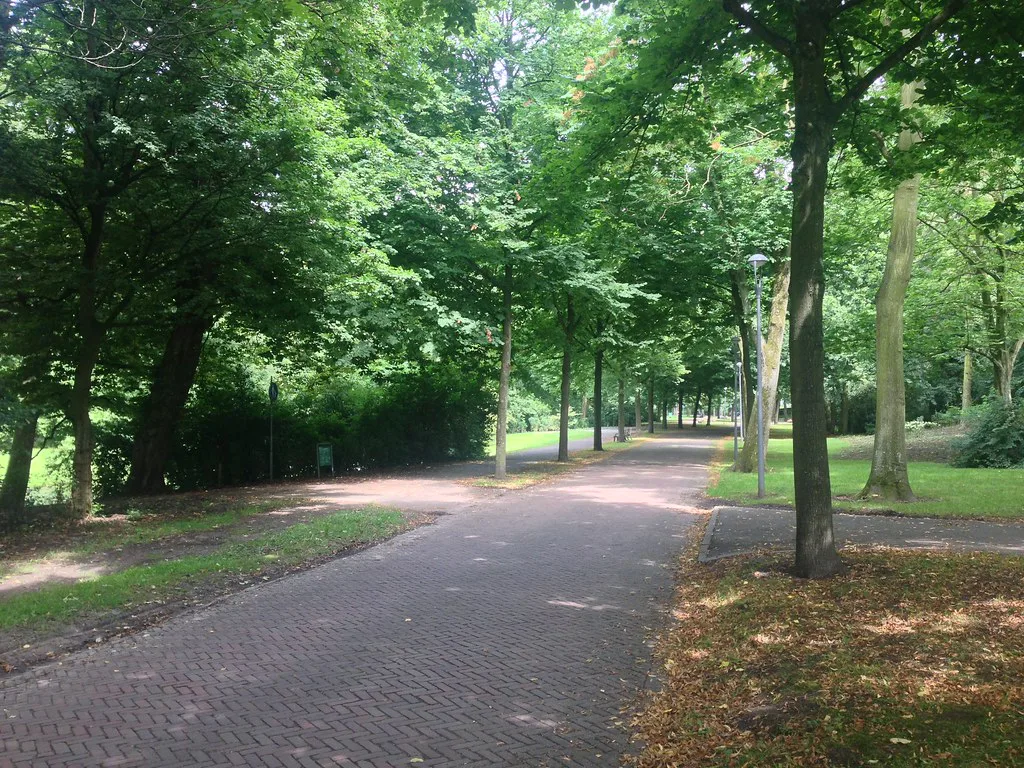
Spring brings blooming parks and mild weather, with average temperatures climbing from about 9°C in March to 16°C in May. Het Park near Euromast and Museumpark fill with flowers by April, and café terraces start spilling onto the riverside.
This is also the season for day trips out to the bulb fields around Lisse, so a spring break can pair the city with the tulips. If you are planning around the tulip window or want the full spring picture, read our guide to Rotterdam in April for park walks and what to do when showers interrupt.
Spring is the sensible middle: you lose the peak-summer weather but gain breathing room at the major sights and shorter queues than in July or August. Daylight is already generous by May, at around 180 sunshine hours, which is enough for a full walking day plus an evening on the water.
Summer (June to August): the warmest, busiest months
Summer is the liveliest stretch, with average highs of 19°C in June, 21°C in July and 20°C in August. The city's events calendar fills up too, with the North Sea Jazz Festival in July, Rotterdam Unlimited in late July and open-air cinema at Pleinbioscoop in August. For the practical details, see the Rotterdam events.
Expect the waterfront and major sights to be at their busiest in July and August. Climbing the Euromast, joining a boat ride on the Maas or simply cycling out to the Kralingse Bos all make more sense on a long, warm day.
The trade-off is straightforward. You get the best weather of the year, but you share it with everyone else, and the waterfront and popular sights are at their busiest in July and August.
Autumn (September to November): softer temperatures, fewer crowds
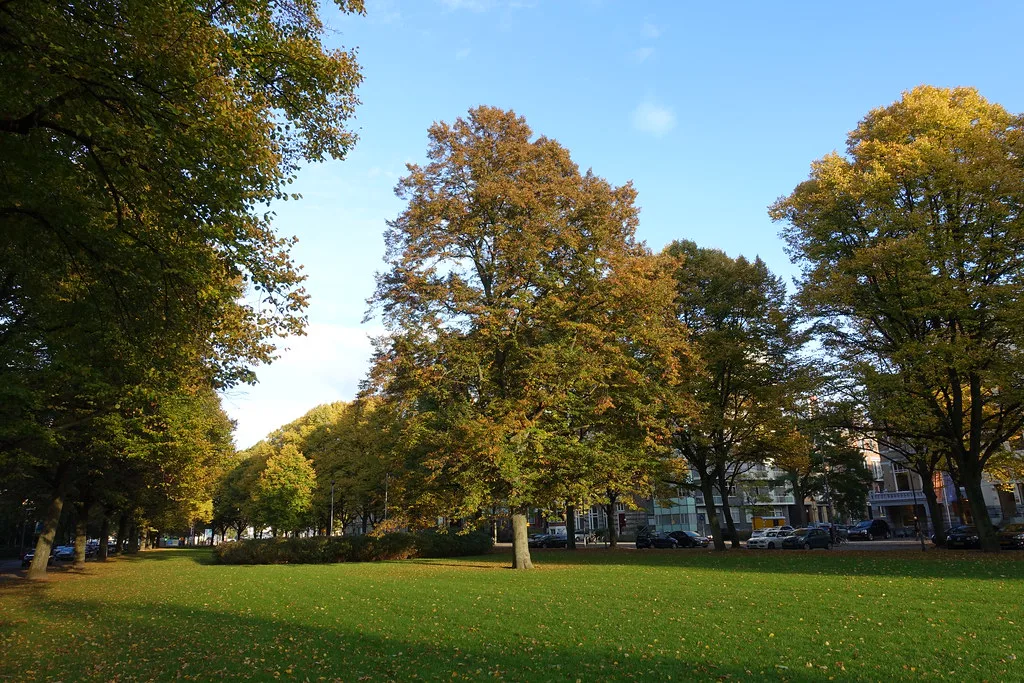
Autumn starts warm: September averages 17°C, October 13°C and November 8°C, so early autumn still works for long walks and bike rides. Leaves turn gold across the parks and light rain showers become more frequent as the season advances.
This is also when indoor culture takes over. The Kunsthal and Het Nieuwe Instituut are good bets for damp days, the Rotterdam Philharmonic season resumes and Wereldhavendagen, the World Port Days festival, takes place in early September.
Crowds thin after the peak season, and September and October are a good compromise between softer weather and quieter streets. Rotterdam in October covers how the city feels once the Golden light arrives.
Winter (December to February): short days, low prices
Winter in Rotterdam is cold and often grey rather than snowy, with average highs of just 5 to 6°C and around 40 to 55 sunshine hours a month. Snowfall is rare, so plan for damp cold instead of postcard winter scenes.
The short days are the real constraint on a one- to four-day city break: 40 sunshine hours in January works out at little more than an hour of sun a day on average, so outdoor time has to be planned around daylight. Museums and indoor attractions become the backbone of the day rather than the filler.
In return, November, January and February are the budget season, with lower prices than midsummer. Even so, the short days mean you will want to cluster your sights by neighbourhood so you spend less time crossing the city between them.
Best months for a short break versus a slower visit
For a one- to four-day break, June to September is the safest bet: daylight is long, the weather is at its warmest and most of the city's outdoor life is running. Late May and September are close runners-up, with decent temperatures and lighter crowds than midsummer.
If your priority is cost or quiet, go in November, January or February and accept shorter days, or pick April or October for a middle path. Those shoulder months suit travellers who would rather have space at the sights than guaranteed sunshine.
If you are comparing Dutch cities, the same broad trade-offs — long summer daylight against short, cheap winters — apply across the Netherlands, so the season you pick matters wherever you base yourself.
What the weather means for walking and cycling
Rotterdam's grid of wide streets, bridges and waterfront paths rewards dry weather, and the difference between a 195-hour July and a 40-hour January is the difference between a full cycling day and a short afternoon loop.
Spring and autumn are the sweet spot for walking tours and bike tours, with mild temperatures and reasonable daylight. Build in a dry-day and a wet-day version of your itinerary so rain never costs you a whole day.
In summer, long daylight hours give you more time outdoors each day. In winter, keep distances short and cluster sights by neighbourhood so you can duck into a museum or café when a shower passes.
When to go for fewer crowds or lower prices
If you would rather avoid crowds than chase sunshine, September and October give you softer weather and fewer visitors than July and August, and November, January and February are the quietest and cheapest months of all.
Spring is another crowd-avoiding window: mild weather, blooming parks and room to move at the city's main sights, with far more daylight than winter. Budget travellers and quiet seekers should target November, January or February rather than trying to force it into the summer months.
Which month should you book for?
Book June to September if you want warm, sunny days and the full outdoor life of the city. If budget or quiet matters more than sunshine, book November, January or February and plan your days around the shorter hours of light. If you want a compromise, choose late May, September or October.
All the monthly figures here are typical averages from climate records, so check the forecast for your dates shortly before travelling and keep one indoor option ready for each day.
Explore more Rotterdam guides
Sources
Notes for your next Dutch city break
Optional updates to our Netherlands guides.
You might also like
Continue reading
More guides you'll find useful