Kinderdijk from Rotterdam: How to Get There and What to See
How to reach the Kinderdijk windmills from Rotterdam, what the site ticket covers and how long to allow among the 19 mills on a Rotterdam city break.
On this page
Kinderdijk is the windmill landscape to pick from Rotterdam: 19 historic mills plus pumping stations, dykes and reservoirs in a working village about 15 km east of the city, inscribed as a UNESCO World Heritage Site in 1997. It suits a half day if you walk the paths, or most of a day if you add the visitor centre and the boat. This guide covers how to get there from Rotterdam, what is free and what needs a ticket, and how to fit it into a one- to four-day break. For the practical details, see the Kinderdijk.
What Kinderdijk is and why you would go
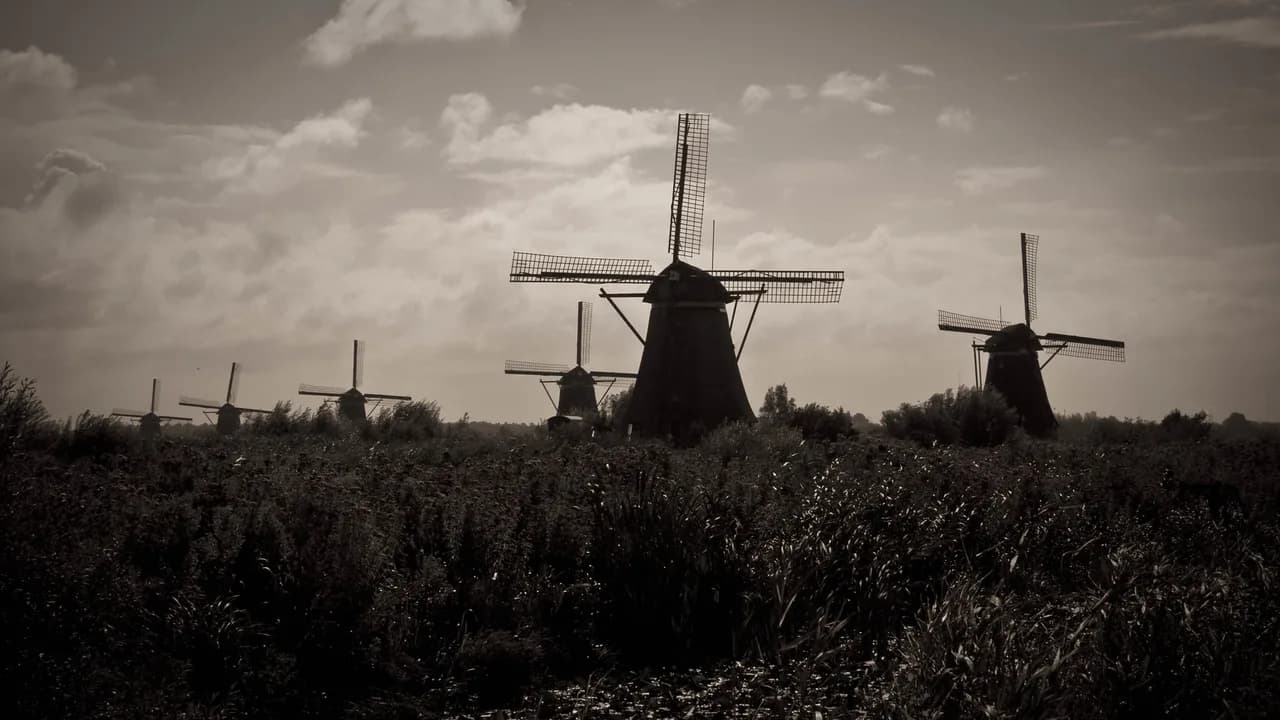
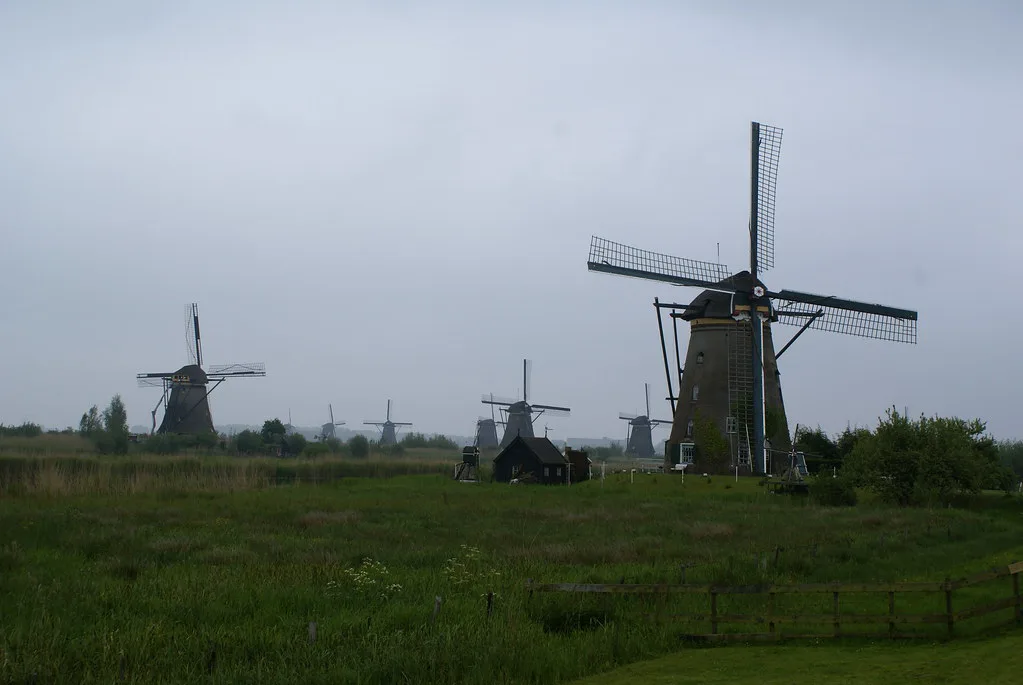
Kinderdijk is a village and water-management landscape in South Holland, roughly 15 km east of Rotterdam, where 19 windmills still stand as part of the system that drained low-lying land. The site also includes pumping stations, dykes, reservoirs and administrative buildings, so it reads as a working heritage landscape rather than a row of isolated mills. It has been a UNESCO World Heritage Site since 1997.
People still live in most of the mills, and the village has a population of about 800, which changes the feel of a visit: you are walking through a neighbourhood, not a theme park. The landscape and the mills are the reason to come, and the flat paths make it an easy place to spend a few hours on foot or by bike.
How to get to Kinderdijk from Rotterdam
The Waterbus is one of the ways to reach Kinderdijk from Rotterdam, and a Waterbus ticket bundled with a city audio tour is listed among the tours sold for the site, which is worth comparing when planning. Check the crossing before you build your day around it, because timetables depend on the season and the operator.
Are the Kinderdijk windmills still in use? The 19 mills are technically operational and were part of the water-management system, and most are lived in by millers. The site as a whole is a heritage landscape of mills, pumping stations, dykes and reservoirs, so the mills sit within a working water system rather than standing alone.
Can you walk around Kinderdijk without a ticket? Yes. The village is public land and the walking trails and cycle paths are free to use, so you can see the mills from the water's edge.
How long does the journey from Rotterdam to Kinderdijk take? The journey is short enough to treat as a half-day outing from Rotterdam, and Kinderdijk sits about 15 km east of the city. Because the exact crossing and transfer times depend on the season and the operator, check them before you set out on the day.
Tours are the third way in, and the listings for Kinderdijk run from a simple transfer to a private windmill tour from Rotterdam, so compare what is included before you book. A guided tour removes the planning but fixes your timing to the operator's schedule.
However you arrive, the last stretch is on foot or by bike through the polder, and the flat paths make the site easy to cover without a car. Allow for the walk from the stop to the mills when you plan your return.
What you will see at Kinderdijk
For the wider picture of Dutch mill sites, including other windmills in South and North Holland, see Windmills in the Netherlands and the history of Dutch windmills. The advantage of a Rotterdam base is simple: Kinderdijk is roughly 15 km from the city, so it is the nearer windmill landscape for a short break.
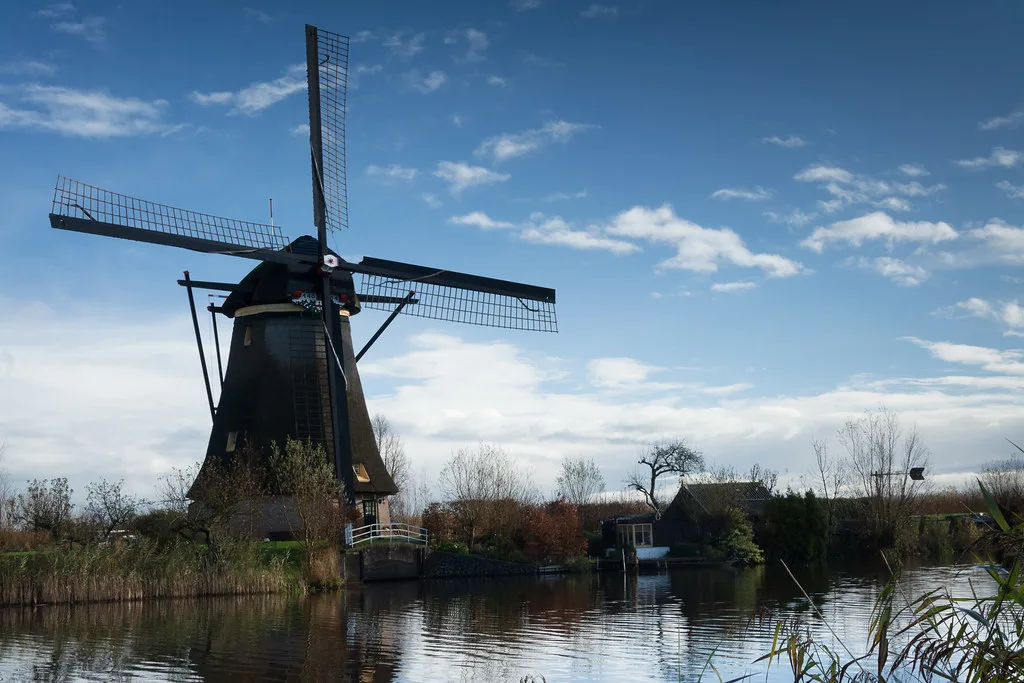
Kinderdijk is one of the country's finest windmill landscapes, and that reputation rests on the combination of mills, water and open sky rather than any single building. If you want to understand the Dutch approach to water, walk the paths first and then use the visitor centre to fill in the story.
Entry: what the ticket covers
This is the point that catches people out: the village and its paths are public land and free to walk, but the buildings form a single ticketed attraction, so you pay once to go inside the mills and visitor facilities. Decide before you go whether you want the full site or just the landscape, because the free walk and the paid visit are two different days out. If you are not joining a tour, it is worth buying your entry ticket in advance.
How long to allow
Budget half a day for the paths and the views: that is enough to walk the landscape, photograph the mills and get a sense of the water system. Add the visitor centre and the boat tour and you are into most of a day, which is the version to choose if this is your main windmill stop. The trade-off is simple: the shorter visit leaves time for Rotterdam, the longer one gives you the full site.
When to go
Spring and summer give you the longest days and the best chance of dry weather for walking and cycling, while the mills and water look their best in clear light. The site is exposed and flat, so wind and rain are felt more than in the city. Opening times and seasonal arrangements vary, so confirm them with the site before you travel.
Kinderdijk and other Dutch mill sites
Kinderdijk is a spread-out, agricultural landscape: 19 mills across a polder with water all around, and a visit that is mostly about walking and looking. The mills, pumping stations, dykes and reservoirs together tell the story of how the Dutch drained low-lying land, which is why the site is on the World Heritage list. Coming from Rotterdam, the short distance makes it the obvious mill landscape to pick.
If you are based in Rotterdam, Kinderdijk is the obvious choice because the journey is short and the landscape is the point. For the wider picture of Dutch windmills, including other mill sites in South and North Holland, see Windmills in the Netherlands and the history of Dutch windmills.
Fitting Kinderdijk into a Rotterdam city break
On a one-day Rotterdam visit, Kinderdijk competes directly with the city's own sights, and the honest answer is that it works only if windmills are your priority. On a two- or three-day break it fits comfortably as a half-day or full-day outing, leaving the rest of your time for the centre and the waterfront. On a four-day trip you can add it without dropping anything important.
The thing you give up is city time, so decide early whether the trip out is worth it for you. If you want a shorter mill fix, the Schiedam windmills are closer to Rotterdam and fit an afternoon more easily than a full Kinderdijk day.
Is the trip out to Kinderdijk worth it?
Yes, if you want to see a World Heritage water landscape rather than a single mill, and if you can give it at least half a day. The free paths alone justify the journey for many travellers, and the ticket adds the buildings and visitor centre for those who want the full story. If your Rotterdam break is short, weigh it against the city's own sights and consider the closer Schiedam mills instead.
Explore more Netherlands guides
Frequently Asked Questions
Are the Kinderdijk windmills still in use?
The 19 mills are technically operational and were part of the water-management system, and most are lived in by millers. The site as a whole is a heritage landscape of mills, pumping stations, dykes and reservoirs, so the mills sit within a working water system rather than standing alone.
Can you walk around Kinderdijk without a ticket?
Yes. The village is public land and the walking trails and cycle paths are free to use, so you can see the mills from the water's edge. The buildings themselves are a single ticketed attraction, so going inside the mills and visitor facilities needs a ticket.
How long does the journey from Rotterdam to Kinderdijk take?
The journey is short enough to treat as a half-day outing from Rotterdam, and Kinderdijk sits about 15 km east of the city. Because the exact crossing and transfer times depend on the season and the operator, check them before you set out on the day.
Sources
Notes for your next Dutch city break
Optional updates to our Netherlands guides.
You might also like
Continue reading
More guides you'll find useful