Rotterdam Parks: The Green Spaces Worth Your Time
Rotterdam's parks range from the 21-hectare het Park beside the Euromast to the plant-lit Park of Tomorrow. Here is what each offers and how to combine them.
On this page
If you only have time for one park in Rotterdam, make it Het Park: 21 hectares on the Maas beside the Euromast, and the largest green national monument in the city. It sits close enough to the centre to bolt onto a museum morning. This guide covers the Rotterdam parks worth planning around, what each one actually gives you and how to fit them into a one- to four-day break.
The logic here is time cost. Het Park is central and quick, Arboretum Trompenburg needs a decision about whether a garden trip is worth it, and the Park of Tomorrow in Reyeroord is a purpose-built technology visit rather than a stroll. For the wider picture, work through our Things to Do in Rotterdam, Area by Area guide and come back to this page when you want a green hour.
Why Rotterdam's parks fit a city break
Rotterdam's parks are spread from the centre to the edges of the city, so each one works best as a planned stop rather than a detour you happen upon. A park visit usually pairs naturally with a nearby attraction or a riverside walk. An hour outdoors between museum blocks makes an afternoon of galleries far easier.
The city's green spaces vary sharply in character. Het Park is a romantic landscape laid out by the Zocher father-and-son team from 1852, with winding paths rather than grid lines. Arboretum Trompenburg is a botanical collection east of the centre, and the Park of Tomorrow is an experiment in generating light from plants. Pick by mood and by how far you are willing to travel, not by size.
het Park: the central, easy pick
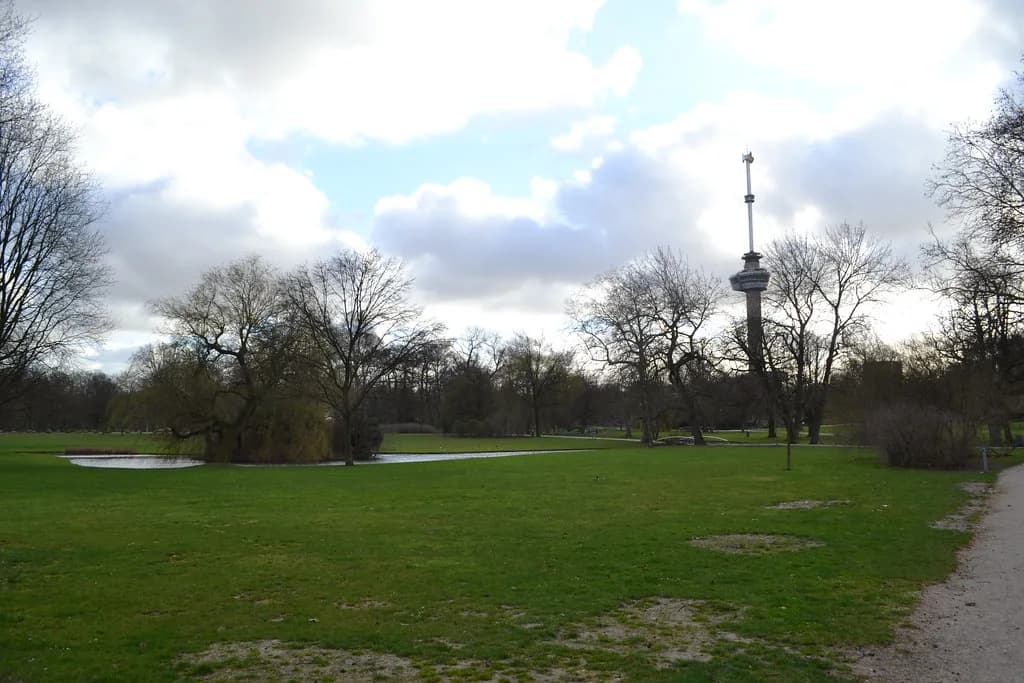
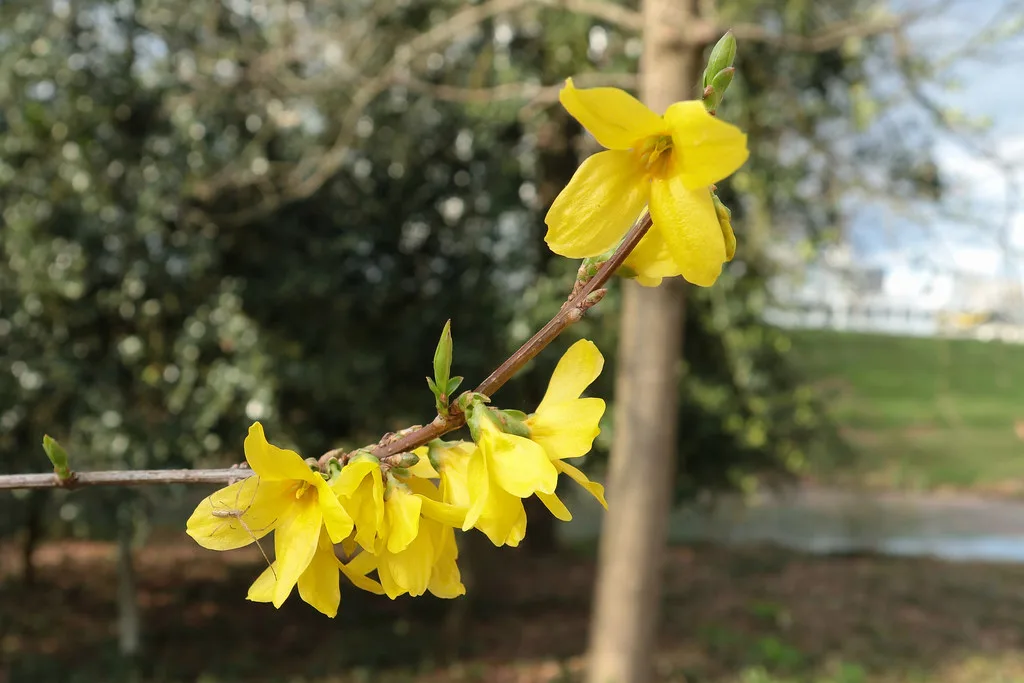
Het Park covers 21 hectares on the river Maas, directly next to the Euromast, and is described as the city's largest green national monument. Landscape architects father and son Zocher designed it from 1852 as a romantic walking place, with curving paths rather than formal straight lines. That design history gives the walk its character.
The park is a working public space, not a preserved exhibit. Stichting het Park manages it in a unique public-private partnership with the City of Rotterdam, and a large renovation has been under way since 2019, based on the original Zocher plans and adapted for how people use the park today.
How to use Het Park
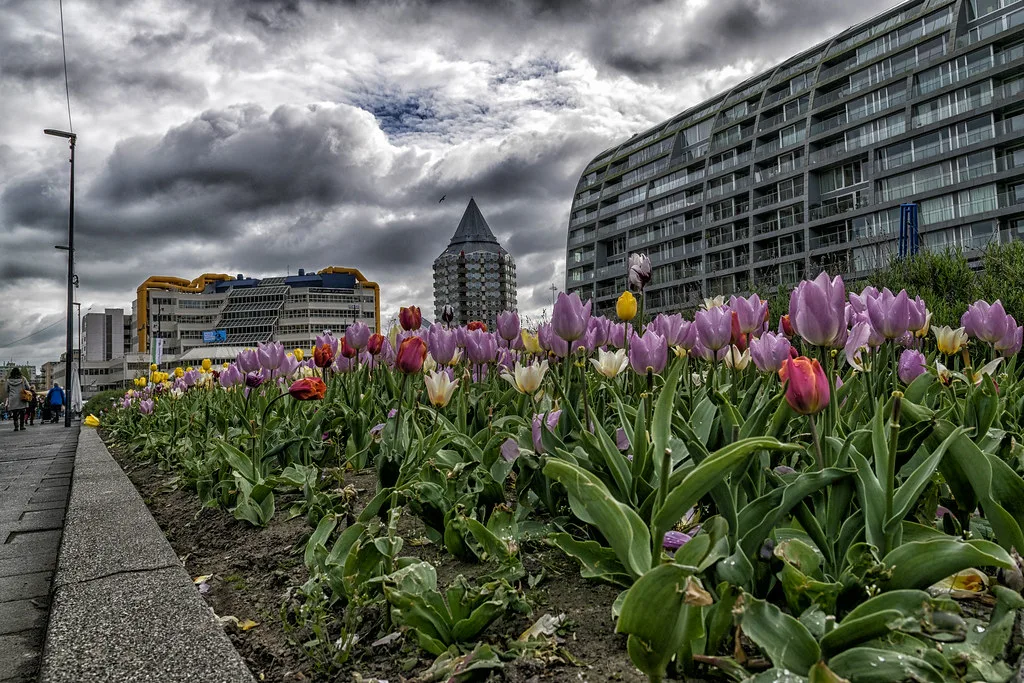
Walk the Zocher paths first, then drift toward the Euromast, which stands right beside the park. The tower is the obvious pairing, and together the two make a comfortable half-day without any transport. If heights are not your thing, the riverside edge and the mature trees justify the visit on their own.
The Park Pavilion is the park's indoor hub, hosting chamber concerts, children's workshops and seasonal events. A July 2026 news item recorded that the pavilion was closed for renovation until 18 July and would reopen every day from 10.00 to 18.00 from 19 July; treat those hours as history and check the current agenda before you go. Events such as the Wednesday afternoon litter walks and the Sunday morning Heerenhuyskamerconcerten are listed there.
The park publishes rules covering barbecuing, dogs and cycling, and describes a designated BBQ field with special bins for your charcoal. Read those before you arrive with a disposable barbecue; the municipality sets the park rules.
Arboretum Trompenburg: a botanical collection east of the centre
Arboretum Trompenburg is a botanical garden with trees, shrubs, perennials and bulbs plus greenhouses of rarer plants, the plant-focused option among Rotterdam's green spaces rather than a lawn with benches. That makes it a deliberate trip rather than a passing detour from a central sightseeing loop.
Treat Trompenburg as the anchor of a half-day rather than an add-on. Plan the garden first and let the rest of the itinerary follow from there, keeping the afternoon loose so the journey earns its keep.
Pairing Trompenburg with the eastern city
On a one-day trip, Trompenburg is the first thing to cut. The travel eats into museum time and the payoff is horticultural rather than iconic. On a two-day trip it becomes tempting if you have already covered the centre and want something quieter and greener than the riverside.
If you go, build the morning around the garden and keep the afternoon loose. The east side of Rotterdam rewards slow movement rather than a checklist, and a garden visit holds up well when the centre feels busy. Treat the east as a separate, softer half-day from the centre.
Park of Tomorrow: lit by plants in Reyeroord
The Park of Tomorrow in the Reyeroord district of IJsselmonde is lit by energy generated by plants, and the municipality describes it as the first park in the world to work this way. A boardwalk route twinkles after sunset, powered by charged particles released through plant roots and captured by a biological battery. The lights come on only as someone walks the boardwalk, which cuts light pollution.
The technology began as a pilot in 2019, and the lessons from that period fed into a new 2.0 version developed for testing in practice. It is as much a demonstration of sustainable lighting as a park, developed by a bio-design studio with lighting and biotechnology partners alongside the municipality. Go for the idea, and walk it after dark rather than at midday.
When the Park of Tomorrow's lights may not work
The lights depend on living plants, so nature can pause them. During frost or a stretch of drought the system may stand still and the boardwalk stays dark, though the greenery recovers on its own and the lights return. That is an honest limitation, not a fault: plan the visit as a walk with a possible bonus rather than a guaranteed light show.
Reyeroord sits south of the Maas, away from the main visitor cluster, so it suits travellers on a longer stay or anyone already exploring IJsselmonde. It is a poor use of a one-day itinerary. Think of it as an evening add-on after a day in the centre, when the walk costs you little and the lighting is the point.
Trade-offs: central, eastern or engineered
het Park wins on convenience: it is next to the Euromast and easy to fold into a morning. Trompenburg wins on plant interest but costs you a trip east. The Park of Tomorrow wins on novelty and needs a journey south, ideally after dark when the plant-powered lighting is the point. None of them is the wrong choice; they answer different questions.
If your days are packed with museums, take het Park and skip the other two. If you have already seen the headline sights and want a slower half-day, Trompenburg is the better reward. If you are curious about green technology and staying more than two nights, the Park of Tomorrow offers a plant-lit park the municipality calls the first of its kind in the world.
Fitting a park into one, two, three or four days
On one day, use het Park as a bridge between the Euromast and the riverside, keeping the stop to an hour or so. On two days, add Trompenburg as a half-day on the eastern side and let the centre take the rest. Three days opens up the Park of Tomorrow as an evening outing south of the Maas. Four days lets you repeat whichever park you liked most.
Use the parks to carry the outdoor hours so the money goes on paid attractions such as the Euromast or a boat tour. Weave a park in between the paid stops to keep the budget tight.
Cyclists can link het Park with Rotterdam Old Town in a short ride along the Maas, which makes it the most practical park to combine with other sights. Arboretum Trompenburg and the Park of Tomorrow in IJsselmonde south of the Maas are both easier by bike or public transport than on foot from the centre.
What a park stop costs
The Euromast stands right beside Het Park as a separate attraction, so if you plan to go up, book and budget for the tower rather than any park gate. Any paid events at the Park Pavilion are priced individually on the park's agenda.
Where a park publishes a programme, the ticket price sits with the event rather than the gate. The Park Pavilion's chamber concerts and workshops are listed individually on the park's agenda, so check the listing for the date you want instead of assuming a standard fee.
Which Rotterdam park should you pick?
Pick het Park unless you have a specific reason not to. It is central, next to the Euromast and large enough to feel like a proper escape from the streets. For most one- and two-day visitors it is the only park that fits without displacing something better.
Choose Arboretum Trompenburg if plants are the point and you have a spare half-day in the east, and choose the Park of Tomorrow if you are staying longer and want an evening walk with a technological twist. Both reward a deliberate trip; neither belongs on a rushed itinerary.
Explore more Rotterdam guides
Sources
Notes for your next Dutch city break
Optional updates to our Netherlands guides.
You might also like
Continue reading
More guides you'll find useful