One Day in Rotterdam: A Realistic Walking Itinerary
Plan one day in Rotterdam with a west-to-east walking route, Euromast views, the Cube Houses and Markthal, plus honest trade-offs on timing and legs.
On this page
One day in Rotterdam is enough for a good overview of the main sights, not the whole city. It suits travellers who want modern architecture, waterfront views and a harbour with history rather than a hunt for a medieval old town, because the Second World War bombing wiped out almost the entire centre.
The route below runs from Delfshaven in the west to Rotterdam Centraal in the east, so you never double back across the city. It builds in the Euromast choice, a Markthal lunch stop and two optional legs for tired feet, and it assumes you are walking most of it on flat ground.
How Rotterdam is laid out, and why the route runs west to east
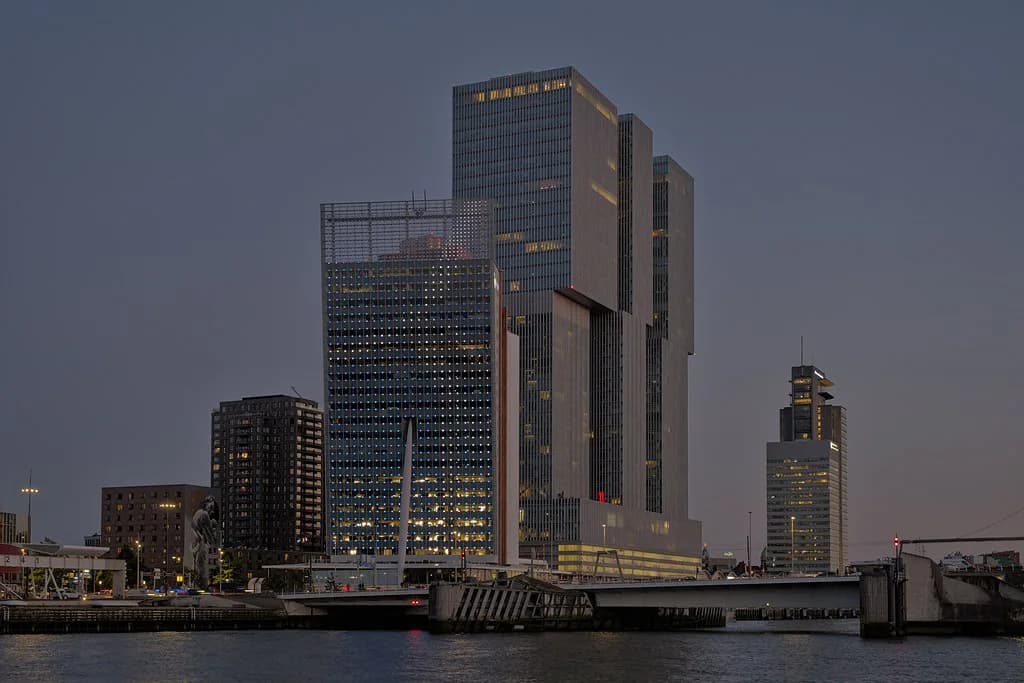
Rotterdam sits in South Holland on the river delta, and its port is the largest in Europe. The centre was rebuilt after the war, so you get skyscrapers, bold modern architecture and waterfront squares instead of a traditional Dutch old town.
The Euromast and Het Park sit west of the centre near the river, the Erasmusbrug and Oude Haven follow towards the Markthal and Kubuswoningen, and Rotterdam Centraal lies to the north-east. Delfshaven is the historic harbour quarter further west again, so start there and work east and north to finish near the station without doubling back.
The city is flat and easy to walk, but a full day on foot adds up. The metro is a quick way to cut one leg rather than the whole route, so plan a single hop on the way in or out rather than criss-crossing the city.
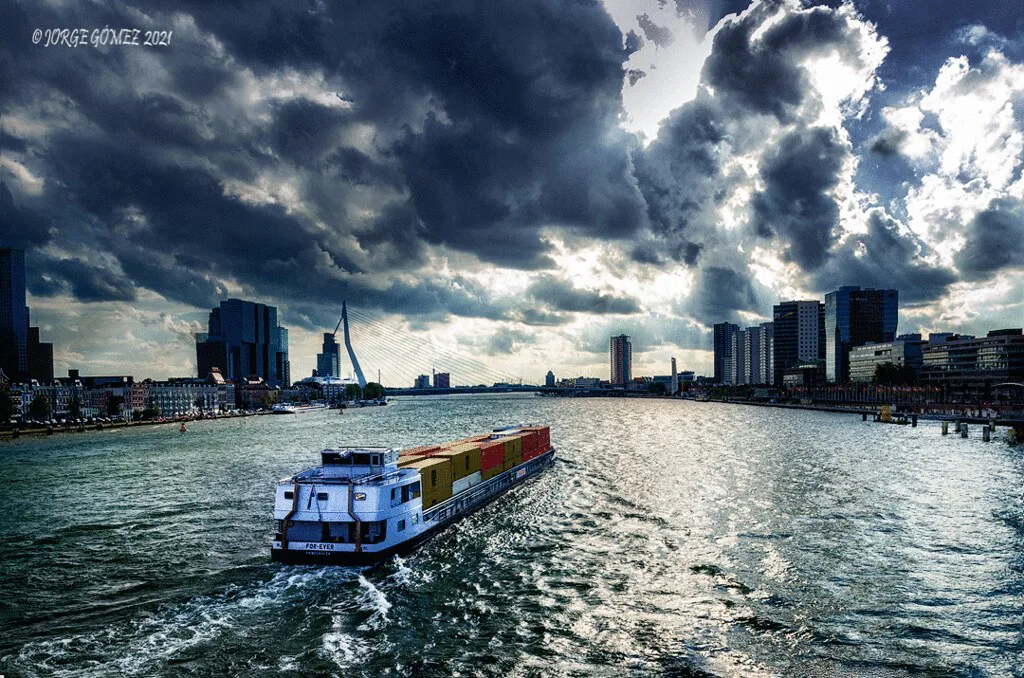
Morning: Delfshaven's historic harbour and the walk into the centre
Start in Delfshaven, the historic harbour quarter west of the centre that gives Rotterdam a counterweight to its modern core. Wandering the quays and narrow streets here sets up the contrast with the modern centre you reach later.
From Delfshaven, head east towards the Euromast and Het Park, near the river. The ground is flat the whole way, and having Delfshaven first means the tower and the river become the natural next step rather than a detour. This is the route in our Rotterdam itinerary if you want the timed version.
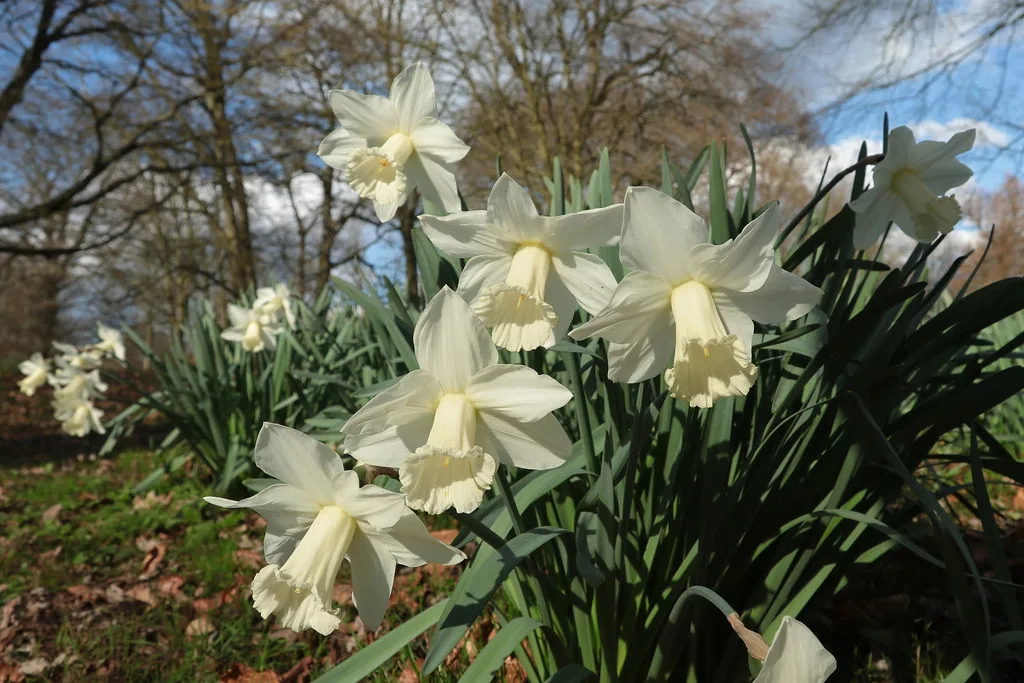
Euromast and Het Park: tower views versus park time, and the ticket choice
The Euromast has given Rotterdam an observation tower since 1960, and it is the city's best-known viewpoint. Two ticket options exist: a standard ticket for the middle observation deck at 112 metres, or a higher-priced Euroscoop ticket that takes you to the very top in a rotating glass pod.
The trade-off is plain. The standard deck gives striking views for less, while the Euroscoop adds the rotating pod and transparent floor tiles for an extra cost, reached by an open spiral staircase or a small lift. Decide before you queue so you are not paying twice.
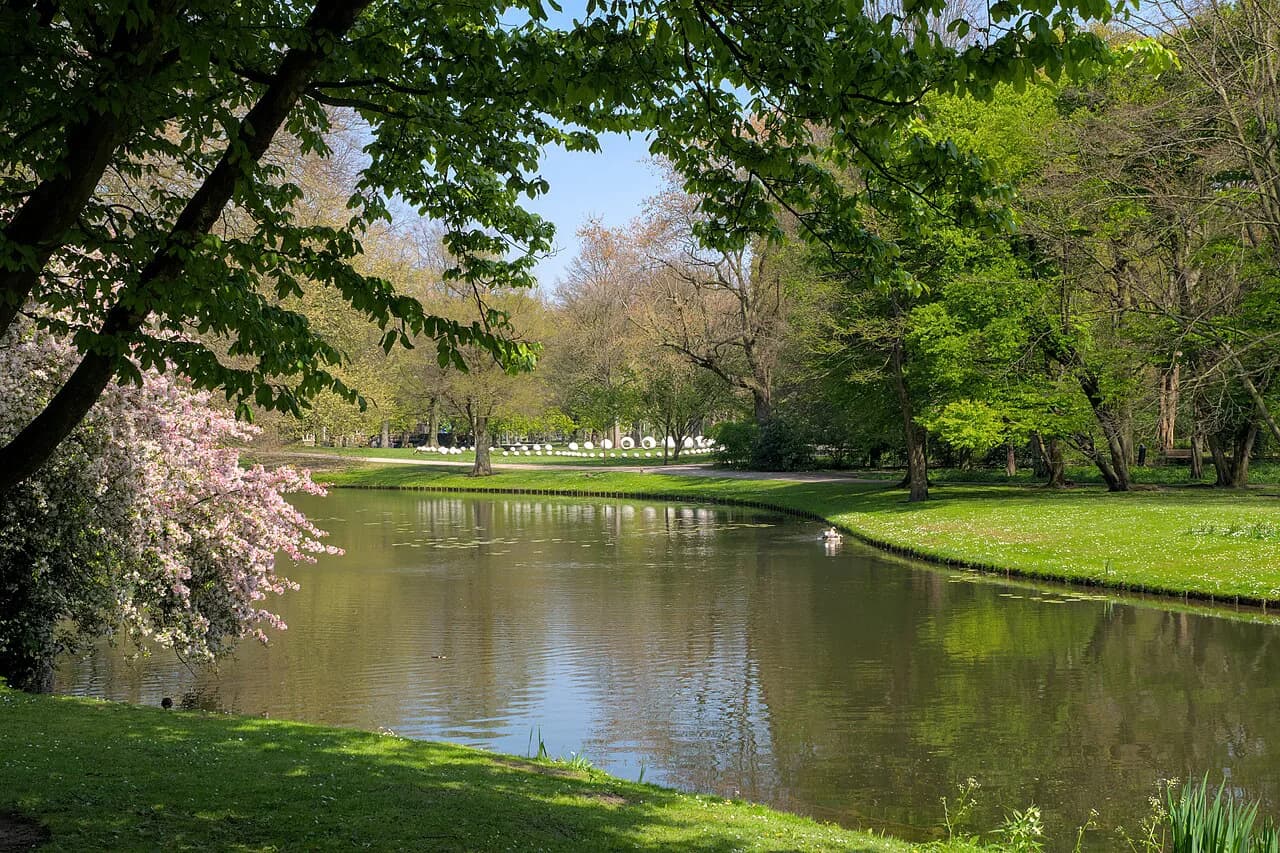
Het Park sits right at the base of the Euromast, laid out as an English-style landscape of winding paths, bridges, small lakes and century-old trees. If the weather is kind, an hour in the park is a better use of time than a second tower visit; if it is grey, the tower wins.
Crossing the Erasmusbrug and the Oude Haven waterfront
The Erasmusbrug crosses the Maas and links the southern bank with the centre, with the river and skyline opening up as you go. The Oude Haven waterfront nearby is where the Witte Huis, one of the city's surviving older buildings, sits among the modern waterfront architecture.
This stretch along the river is a highlight of the day, so linger here rather than rushing to the Markthal. It also lets you judge how much time you have left before lunch and whether to trim the afternoon.
Lunch stop: the Markthal and what it is like at peak time
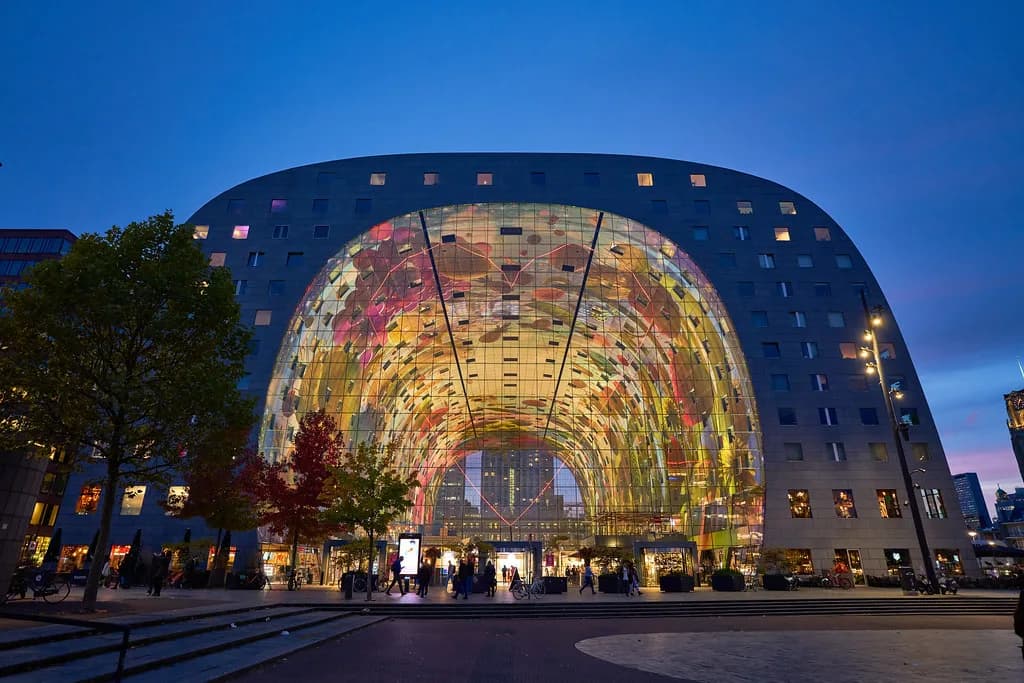
The Markthal is the covered market hall for a lunch stop, with stalls inside under the arched ceiling. Peak lunch hours are the busiest, so arriving earlier or later gives you space to find something to eat without queuing.
Treat the Markthal as a fuelling stop rather than a long lunch, because the afternoon sights are close and you want daylight for them. Traders' hours vary, so the practical rule is to eat when you are hungry and the hall is open, not to build the day around a specific stall.
Afternoon: the Kubuswoningen (Cube Houses) and the Grote of Sint-Laurenskerk
The Kubuswoningen, or yellow cube houses, tilt above their supports a short walk from the Markthal and are the city's most photographed modern landmark. Bright yellow was chosen for its association with optimism, a nod to the city rebuilt after the bombing.
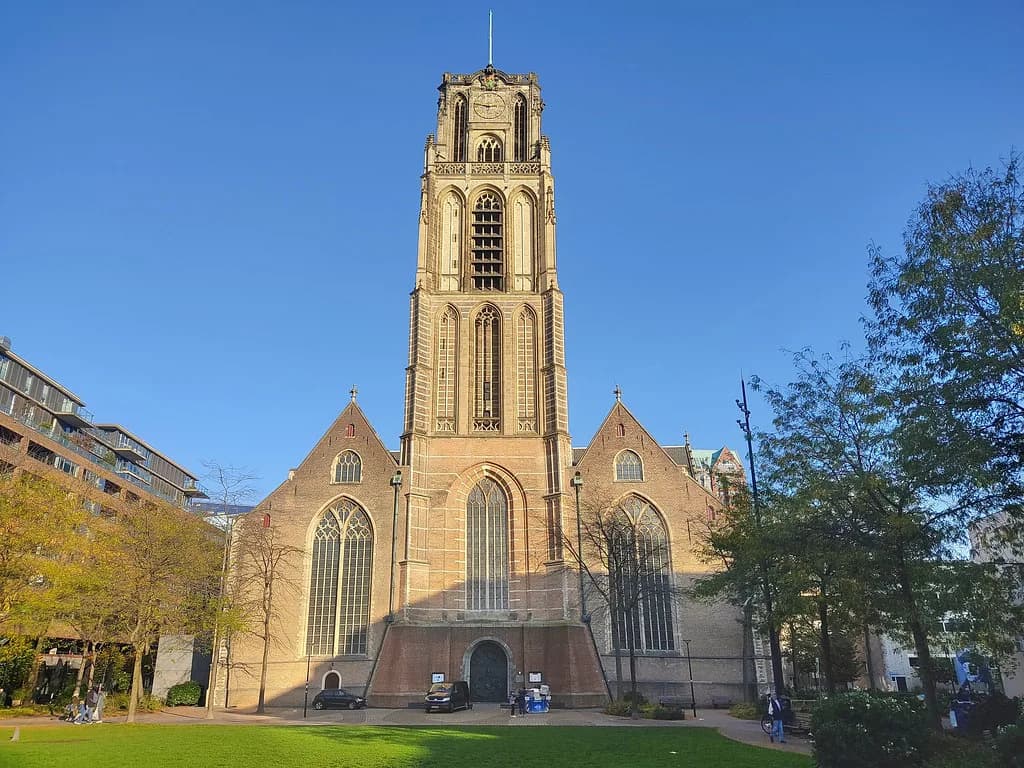
The Grote of Sint-Laurenskerk stands nearby and is one of the surviving sights that anchors the rebuilt centre, a useful counterpoint to the cubes. Walk past it on the way east and you get the old and the new within a few minutes of each other.
Street art and modern architecture: the Luchtsingel and Witte de Withstraat
The Luchtsingel is a pedestrian bridge that has become part of the city's architecture on foot, and it links neatly towards the Witte de Withstraat. The street is where the city's street art and gallery atmosphere are concentrated, so it is a good late-afternoon wander.
Use this stretch to slow down. If you have spent the morning on the tower and the river, the bridge and street art give the day a different texture without a ticket or fixed slot.
Evening: ending at Rotterdam Centraal or back on the water
Rotterdam Centraal is the natural finish, with its distinctive modern station hall, and it links onwards to Amsterdam in under half an hour by train. The station area is also where the metro and train connections let you end the day without a long walk back. If you would rather stretch the visit over two days, see our Rotterdam Weekend Break.
If you would rather end on the water, head back towards the Oude Haven for the dusk light. The harbour area is one of the day's best finishes, and it keeps you near the centre rather than heading out to the port.
Walking times, and where to use the metro to save your legs
The highlights are close enough to walk between, and the ground is flat throughout. The stretch from Het Park back into the centre over the Erasmusbrug is the longest single walk of the day, so it is the one to trim if you are flagging.
Use the metro to skip the western leg between Delfshaven and the centre rather than the whole route, saving time on the way in. Walk the rest so you still see the waterfront.
One day versus two: what a second day adds
One day gives you the overview, not the whole city, and it is meant to leave you wanting a return. A second day lets you add the museums and neighbourhoods that this route skips, and it takes the pressure off the Euromast decision.
If you are weighing up the time to allow, this guide's own answer on how many days in Rotterdam you need sets out what a longer stay adds. The short version: one day covers the highlights, two days lets you slow down.
If you arrive by cruise ship or on a day trip from Amsterdam
Cruise ships dock at Rotterdam, and the centre is walkable from the waterfront, so you can follow this route from the Oude Haven end. A direct train from Amsterdam Schiphol to Rotterdam Centraal takes just under half an hour, with tickets starting from around 14.50 EUR, so check current fares before booking.
From London, the Eurostar reaches Rotterdam in under three and a half hours, and Rotterdam The Hague Airport links to the centre by bus and metro. Either way, arriving early gives you the full route rather than a rushed afternoon.
Should you give Rotterdam one day or two?
One day in Rotterdam works as an introduction: the Euromast, the waterfront, the Markthal and the cube houses in a single west-to-east sweep. It is the right choice for a first visit or a stop between Amsterdam and the coast.
If you want museum time and a slower pace, plan a Rotterdam weekend break instead, and treat this route as the first day. Either way, the walking is flat and the sights are close, so the city rewards a plan rather than a rush.
Explore more Rotterdam guides
Frequently Asked Questions
Is Rotterdam worth visiting for a day?
Yes, if you want modern architecture, river views and a working harbour rather than a medieval old town. One day covers the main highlights on foot and gives you a clear sense of whether you want to come back for longer.
Is Rotterdam walkable from the cruise port?
Cruise ships dock at Rotterdam, and the Oude Haven end of this route is the natural start if you arrive on the water. The city is flat throughout, though how far the terminal is from the centre depends on your berth.
How much choice is there on a Euromast ticket?
Two options are sold: a standard ticket for the middle observation deck at 112 metres, and a higher-priced Euroscoop ticket that takes you to the very top in a rotating glass pod with floor tiles that turn transparent. The Euromast dates from 1960. Decide which you want before you join the queue so you are not paying twice.
Is Rotterdam good in the rain?
The Markthal is covered, and the city centre is compact enough to move between stops. Rotterdam has a mild climate without a particular rainy season, so a wet day is a matter of adjusting the order rather than cancelling.
Should you take the standard or Euroscoop Euromast ticket?
The standard ticket covers the middle observation deck at 112 metres. The Euroscoop ticket costs more but adds the rotating glass pod at the top with floor tiles that turn transparent, reached by an open spiral staircase or a small lift. The tower opened in 1960.
Does the route work for a day trip from Amsterdam?
Yes. A direct train from Amsterdam Schiphol to Rotterdam Centraal takes just under half an hour, and the Eurostar gets you from London to Rotterdam in less than three and a half hours, so an early arrival lets you cover the full west-to-east route.
Sources
Notes for your next Dutch city break
Optional updates to our Netherlands guides.
You might also like
Continue reading
More guides you'll find useful