Is Rotterdam Expensive? Short Break Costs in Euros
Rotterdam prices are higher than in smaller Dutch cities, but a short break stays manageable. See typical euro costs and practical ways to spend less.
On this page
Yes, Rotterdam is expensive by Dutch standards, but not ruinously so for a short break. Indicative cost-comparison figures put a single person's monthly living costs in Rotterdam around 26% above Breda, with accommodation driving most of the gap. This guide breaks down the costs a one to four day visitor actually meets, from coffee and meals to groceries, bikes and transport, and shows where the money goes.
Student cost-of-living figures are not trip budgets, so treat them only as a sense of local price levels. Erasmus University Rotterdam estimates that students there spend roughly €1,000 to €1,800 a month on housing, groceries, insurance and study materials, excluding tuition and one-off costs. That tells you Rotterdam is not a cheap city to live in; a visitor's outgoings depend far more on the room rate and how often you eat out.
What a day in Rotterdam costs: the main categories
For a visitor, four things dominate the budget: somewhere to sleep, food and drink, getting around, and admissions. Accommodation is the single biggest swing factor, and it is also where Rotterdam's gap with smaller Dutch cities is widest. Food is next, and it is the category you can control most easily without spoiling the trip.
Indicative Rotterdam prices give a realistic anchor. A budget-restaurant meal is around €18.60, a cappuccino about €3.89 and a 0.33-litre bottle of water roughly €3.12. A 0.5-litre draught beer sits at about €6.45. Two people eating a three-course mid-range dinner should expect to spend in the region of €74. Public transport is modest per journey: a single ticket is about €3.92, and a monthly pass around €98.60, which is irrelevant for a short stay. A cinema ticket at roughly €13.69 is a useful benchmark for a wet afternoon. Museum and attraction admission prices vary by venue, so check each one's own site before you commit.
Eating out: a cheap meal versus a mid-range dinner
The gap between casual and sit-down eating is wide. A fast-food meal costs about €11.74, while the budget-restaurant meal at roughly €18.60 is the more typical lunch stop in the centre. If you eat one proper restaurant meal a day and keep the other meals simple, food stays predictable. Dinner is where budgets slip. A three-course mid-range meal for two at around €74 works out at roughly €37 a head before drinks, and the €6.45 draught beer adds up over an evening. Booking one good dinner and eating lighter the rest of the day is the simplest way to keep a two or three day break in proportion. Breakfast is the easiest saving. A supermarket loaf at about €2.05 and a litre of milk at roughly €1.31 cover a hotel-room breakfast for two days at a fraction of a café bill. If your hotel includes breakfast, take it; if not, shop the evening before and skip the morning queue.

Coffee, drinks and snacks in euros
Small purchases are where a city break quietly overspends. A cappuccino at about €3.89 twice a day for two people over three days comes to roughly €47, which is a museum ticket you did not buy. Snacks, bottled water at around €3.12 for a small bottle and soft drinks at about €3.46 all add up the same way. Carry a refillable bottle and buy drinks from a supermarket instead of a kiosk. A 1.5-litre bottle of water costs about €1.14 at retail, far less per litre than the small €3.12 bottle sold at kiosks. Shop-bought soft drinks at around €3.46 for 0.33 litres are likewise cheaper than café prices, and eating out less is the single biggest lever on a Rotterdam food bill.
Groceries and markets as a budget option
Rotterdam is well set up for self-catering. Erasmus University Rotterdam points students to discount supermarkets Lidl, Dirk and Aldi as cheaper than chains such as Albert Heijn, and HousingAnywhere names Lidl, Aldi and Dirk as the cheapest options, with Jumbo and Plus sitting below Albert Heijn on price. For a visitor, that means a picnic lunch and a hotel-room breakfast are realistic, not austere.
The Blaak market is a good-value fresh food stop, held on Tuesdays and Saturdays; Tuesdays are usually quieter. Buy bread, cheese and fruit there in the morning and you have lunch for a fraction of a café bill. The trade-off is real: shopping and assembling a meal costs time and needs somewhere to sit, so it suits a relaxed itinerary better than a packed one.
Food-saving apps such as Too Good To Go are another cheap route to a hot meal, though the contents are unpredictable. Pair that with a supermarket picnic and you can eat well for a day on what one mid-range dinner for two costs. Put the savings towards the paid attractions that make the trip memorable.
Getting around: bikes and public transport
Cycling is the cheapest way to move around the city. A second-hand bike costs about €150 through the university's student estimate, while HousingAnywhere puts a used bike at €80 to €120; that is a purchase, not a rental, so a short-break visitor usually wants a hire shop instead. Expect to pay per day rather than per month, and compare day rates before you commit.
Public transport is easy but per-journey costs mount up: four trips a day for two people over three days adds up to more than most people expect. Walking the centre and hiring a bike for one full day often beats a travel pass on a short visit.
Admission prices: what pushes a city break budget up
Admissions are the least predictable line in a Rotterdam budget. The city's headline paid draws vary in what they charge and when they open, and those details change. Check each venue's own website before booking, and treat a timed ticket as sensible for the most popular sights. The Rotterdam itinerary maps a sensible order so you are not paying for transport between scattered stops.
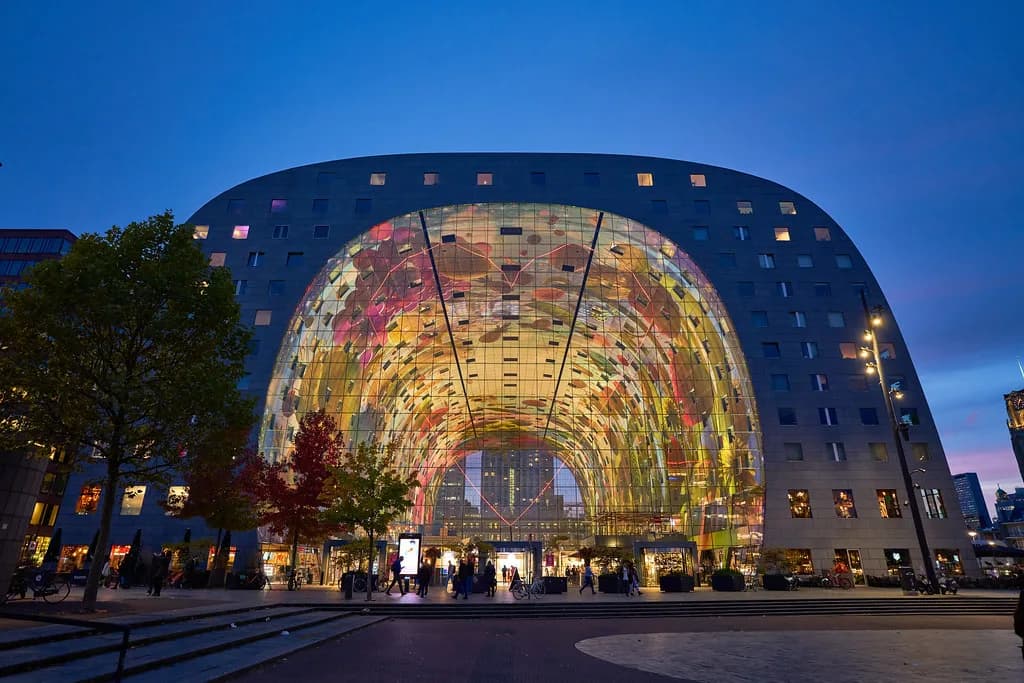
A workable rule is to pick one paid attraction per day and fill the rest with free material: the Markthal, the old harbour areas, the Maas bridges and the architecture walk. Two paid sights over a weekend is a comfortable pace and keeps the admissions line from swallowing the food budget.
Where to spend less without cutting the trip short
The biggest saving is accommodation, and Rotterdam's city-centre rents are steep compared with smaller Dutch cities. A one-bedroom flat in the centre rents for more than one in Breda, which reflects the pressure on central lodging. Staying a short tram or bike ride out, or in a simpler room, cuts the largest bill without changing what you see.
Then attack the small stuff. Supermarket breakfast, a Blaak market picnic and one restaurant dinner a day can halve food spending; a refillable bottle and shop-bought drinks do the same for drink costs. None of these changes the shape of the trip, which is the point. Plan a Rotterdam Weekend Break around two paid sights and free wandering and the total stays sane.
If your dates are flexible, compare prices across the week before booking, and a Tuesday gives you the quieter Blaak market. Compare Rotterdam with Amsterdam only after pricing your actual dates: Rotterdam can work out cheaper for many visitors, but it depends on the room and the season. A one day visit is feasible, but the transport and admission costs go further over two.
Is Rotterdam worth the money?
Rotterdam costs more than Breda or smaller Dutch cities, mostly because of accommodation, but a one to four day break is comfortably affordable with a plan. Budget one paid attraction a day, eat one proper meal out, and let supermarkets, the Blaak market and a bike do the rest. Do that and the city's higher prices stop being the story of the trip.
Check admission prices and opening days on each venue's own site before you book, since those are the figures that move most. If you are still weighing it up, the honest answer on whether Rotterdam is worth visiting comes down to whether modern architecture and a working port city appeal more than a canal-ring postcard.
Explore more Rotterdam guides
Frequently Asked Questions
Is Rotterdam more expensive than Amsterdam?
It depends on your dates and where you stay. The euro figures in this guide cover Rotterdam living costs; Amsterdam prices are not set out here. Price your actual dates for both cities before deciding, rather than assuming one is always cheaper.
How much should I budget per day in Rotterdam?
There is no fixed figure, because accommodation and admissions move so much. A workable approach is to fix your room rate first, then allow for one restaurant meal, a supermarket breakfast and picnic, local transport and one paid attraction per day. The individual euro prices here give you the building blocks to total it yourself.
Can I visit Rotterdam cheaply?
Yes, with realistic choices: stay slightly outside the centre, shop at Lidl, Aldi or Dirk, buy fresh food at the Blaak market on Tuesdays or Saturdays, and cycle rather than take public transport for every trip. The trade-off is time, because shopping and cooking cut costs but eat into sightseeing, so keep the itinerary loose.
Sources
Notes for your next Dutch city break
Optional updates to our Netherlands guides.
You might also like
Continue reading
More guides you'll find useful