Rotterdam Weekend Break: A Two-Day Plan for the City
Plan a Rotterdam weekend break in two days: the rebuilt centre, the Maas waterfront and one museum, with realistic walking times and a Sunday and Monday plan.
On this page
Two days is the right length for a Rotterdam weekend break: enough for the rebuilt centre around the Lijnbaan and Coolsingel, the Maas waterfront and Erasmusbrug, and one or two museums, without the rushed feel of a single night. Add a third day only if you want both Delfshaven and Kralingen as well. This plan covers how the city fits together, which day suits the museums, and what to cut if you have less time.
What a Rotterdam weekend break adds up to
Rotterdam splits into two halves that feel genuinely different. The centre was rebuilt after the Second World War, so you get wide shopping streets, bold modern towers and the Markthal, while the old harbours and Delfshaven keep pre-war brick, canals and shipyard scale. A good weekend takes in both rather than spending all of it among the new towers, and that contrast is what a dedicated Rotterdam itinerary should build on.
The centre is compact enough to cross on foot, but the sights visitors want are spread across four zones: Centraal and the Lijnbaan, the Museumpark, the Maas with Kop van Zuid, and the historic harbours to the west. Cycling flattens those distances, though the bridges and river wind make a bike less appealing in bad weather. Plan one zone per half-day and the weekend stays relaxed.
How Rotterdam is laid out
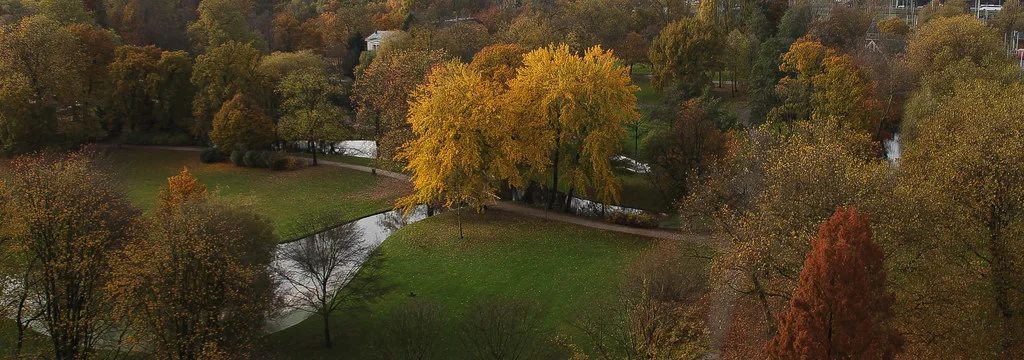
Start with a mental line from Rotterdam Centraal south to the Maas. The Lijnbaan pedestrian shopping street and Coolsingel run through the commercial core; the Markthal, Kubuswoningen and Oude Haven sit just east of it near Blaak station. The Museumpark is a short walk west of Coolsingel, and Erasmusbrug links the centre to Kop van Zuid on the south bank.
Beyond that core, Delfshaven lies west along the river and Kralingen sits east around its own lakes and parkland, so neither is a stroll from the Markthal. The Euromast stands on the edge of Het Park, west of the Museumpark, which makes it an easy add-on to a museum morning rather than a separate trip. For a single-day version of this route, see the One Day in Rotterdam guide, and getting this geography right on day one saves a lot of backtracking on day two.
When to go
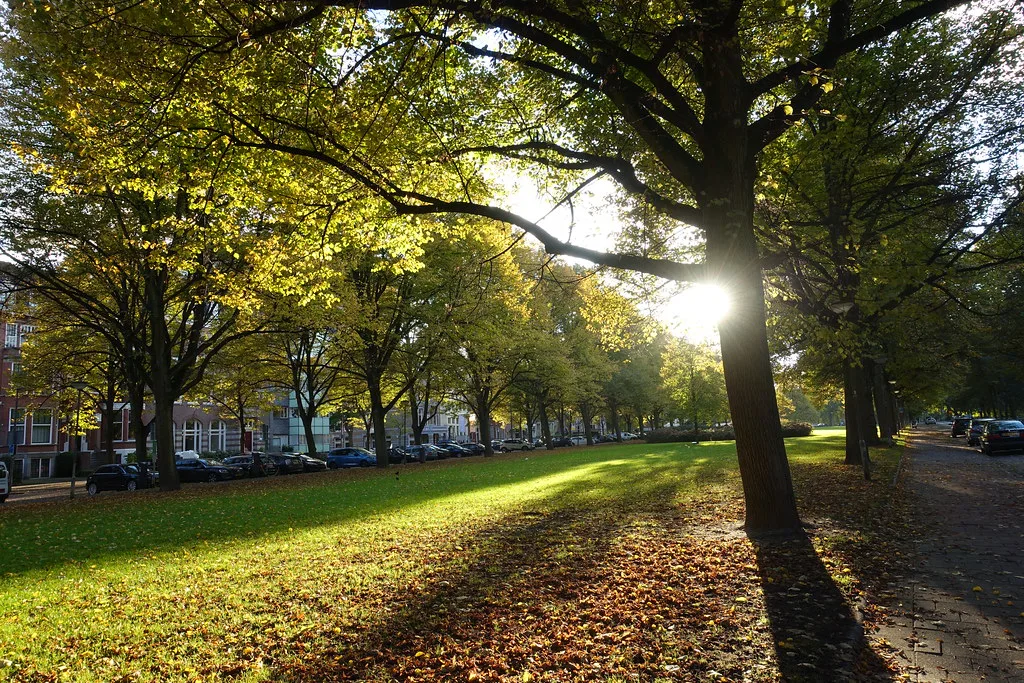
Spring and autumn suit a walking and cycling weekend, when the streets are comfortable and the parks are still worth the detour. Summer brings the longest evenings, which matters in a city where the waterfront is the best place to end the day. Typical climate averages give August highs of about 25°C and January lows near -1°C, with March the driest month and about six days of rain.
Rain is part of any Rotterdam weekend, so build in one indoor anchor each day: a museum, the Markthal or a long lunch rather than a tight outdoor schedule. July is the busiest travel month, while November is the quietest, which is worth weighing if you dislike queues more than you dislike grey skies.
Day one morning: Markthal, the cube houses and the Oude Haven
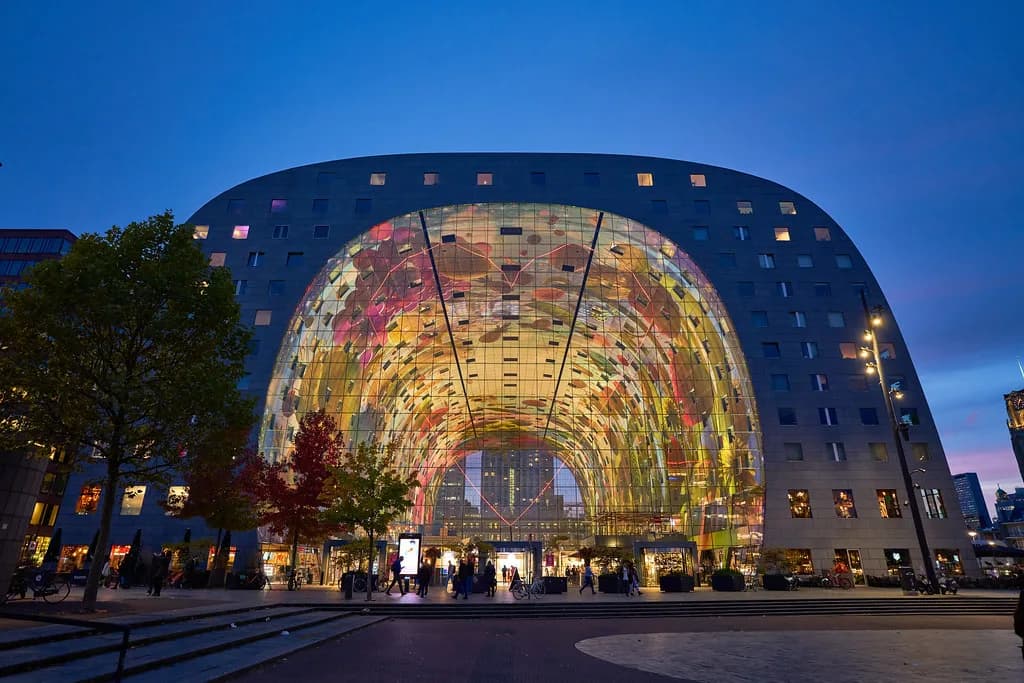
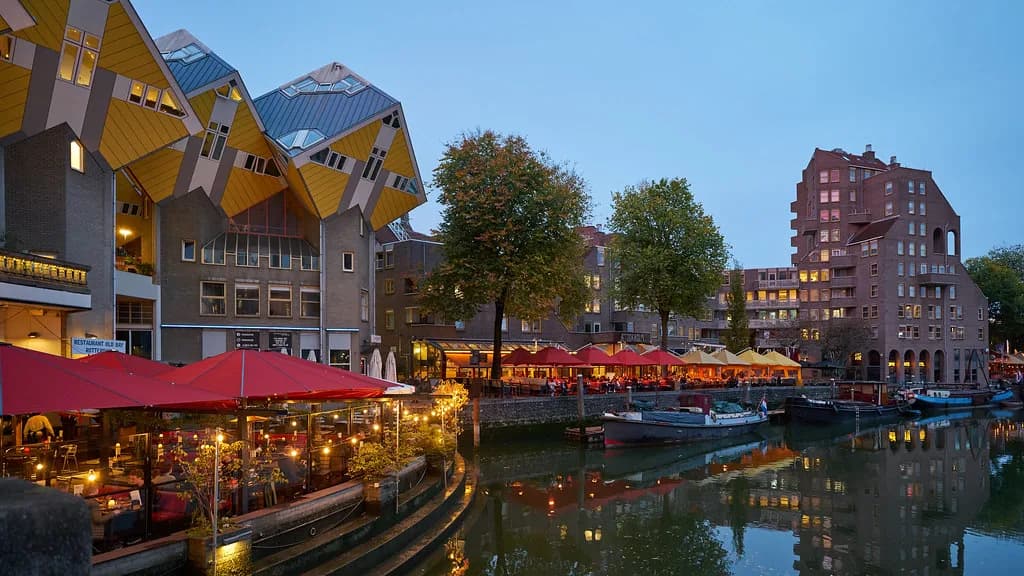
Begin at Blaak. The Markthal is the obvious first stop, an arched hall of food stalls and shops under a printed ceiling, and it works as breakfast and orientation in one. From there the Kubuswoningen, the tilted cube houses perched over the walkway, are a two-minute walk and take perhaps twenty minutes to circle and photograph.
Drop down to the Oude Haven, the old harbour lined with moored barges and cafés, and you have done the morning's core in a couple of hours. If you want a guided structure for the rest of the day, the Rotterdam itinerary for the whole city sets the running order; for a one-day version, see the One Day in Rotterdam guide. Otherwise walk west along the Coolsingel towards the shops. Keep the afternoon free for the river.
Day one afternoon: Erasmusbrug, Kop van Zuid and the Hotel New York waterfront
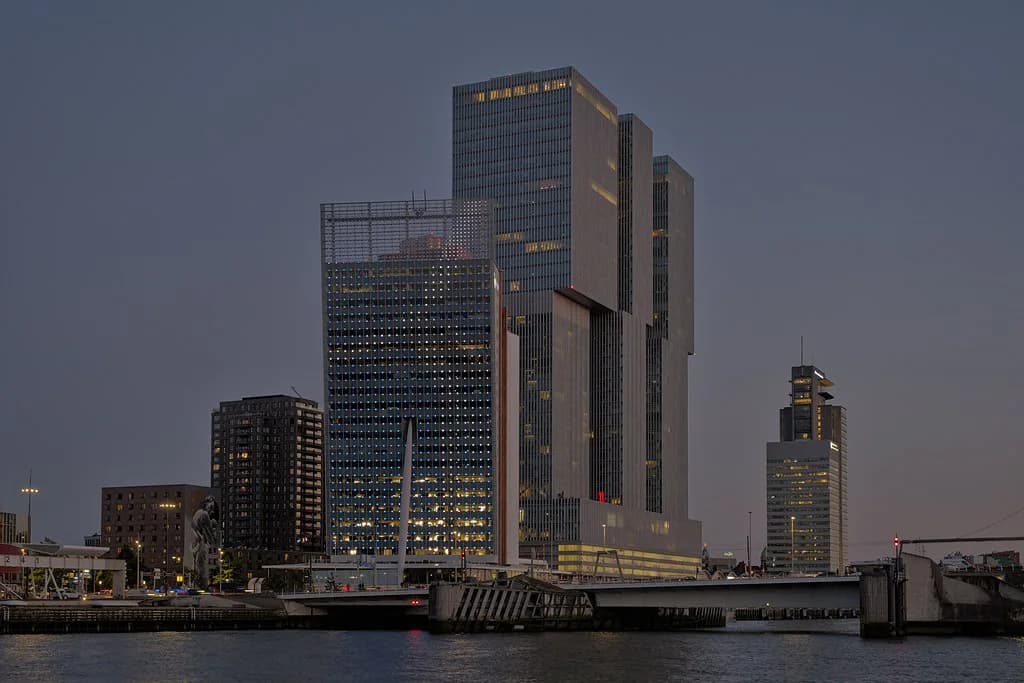
Walk south from the centre to Erasmusbrug, the white cable-stayed bridge that has become the city's signature. Crossing it on foot takes about ten minutes and delivers you to Kop van Zuid, the former docklands turned modern quarter on the south bank. The walk along the water to Hotel New York, the old Holland America headquarters building, gives you the city's best view back at the skyline.
This is where the two-day plan earns its keep. Being on the south bank at the end of the afternoon means you see the centre at Golden hour rather than fighting back across the bridge in a crowd. Take the metro back from Wilhelminaplein to the centre, or walk back over Erasmusbrug if the weather holds.
Day one evening: a central base for the rest of the weekend
Staying near Centraal or the Lijnbaan keeps you within walking distance of the Markthal, the shops and the Museumpark, and puts the metro to the south bank within easy reach. Staying on Kop van Zuid or near Wilhelminaplein gives you the waterfront at night and quieter streets, but adds a river crossing to every centre-based plan.
For a two-day break, the centre is the more practical base: you lose less time moving between the day's zones and can eat near where you sleep. That said, the south bank suits a couple who want the views and don't mind the metro. Either way, book with free cancellation where you can, so a change of dates doesn't cost you.
Day two morning: the Museumpark museums
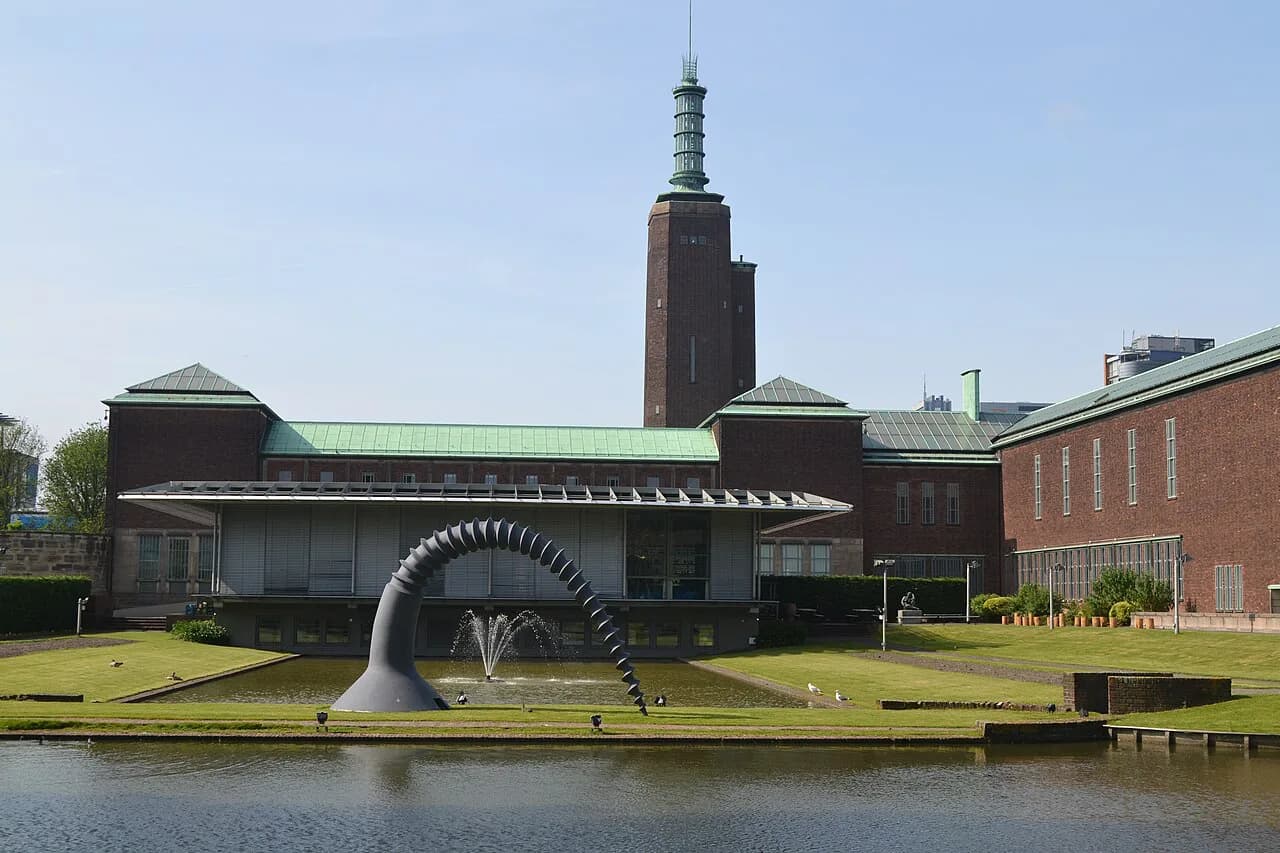
The Museumpark is where Rotterdam's museum day happens, with several institutions clustered within a few minutes of each other. Pick one major museum rather than trying to do three: two days is short, and a single collection absorbs a morning properly. Check what is showing before you commit, since exhibition programmes change with the season.
Check opening days before you commit, because museum opening days in Rotterdam vary and a few open later on Monday mornings. If your second day is a Monday, consider swapping the plan and putting the museums on day one, leaving the harbour walk for Monday. Some museums also use timed entry, so book the slot you want rather than arriving and hoping.
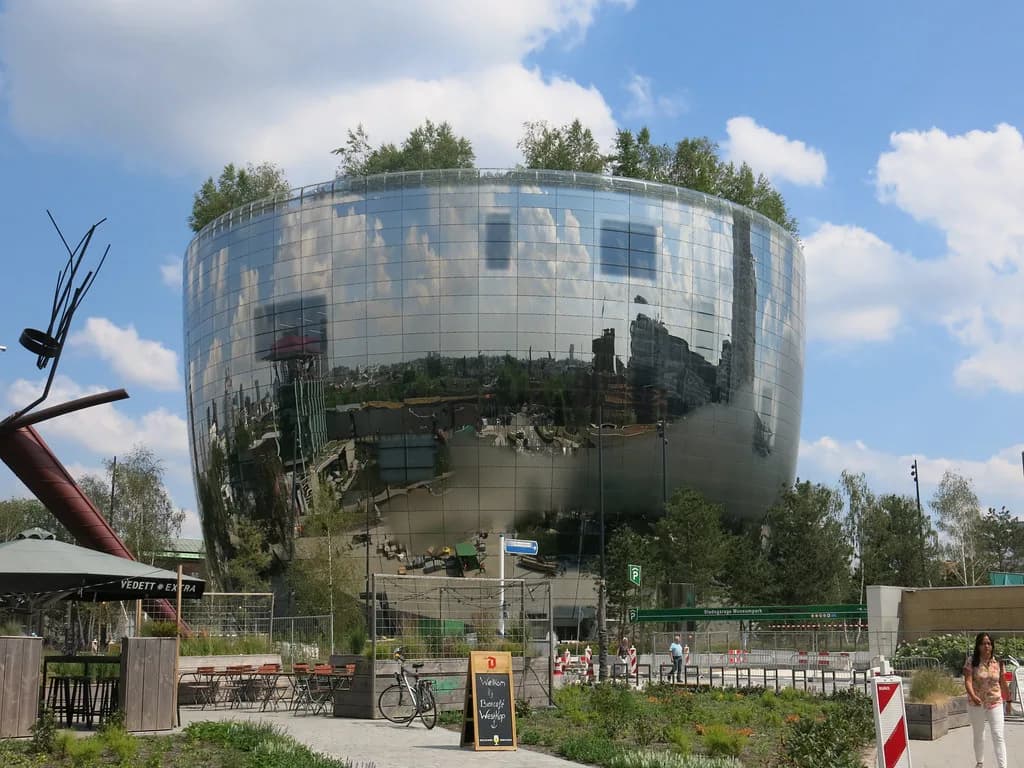
Depot Boijmans Van Beuningen, the mirrored storage building beside the park, is the other big draw if you have already seen the main collections elsewhere. Whatever you choose, leave the afternoon flexible: the park itself, with Het Park beyond it, is a pleasant place to slow down.
Day two afternoon: Delfshaven or Kralingen
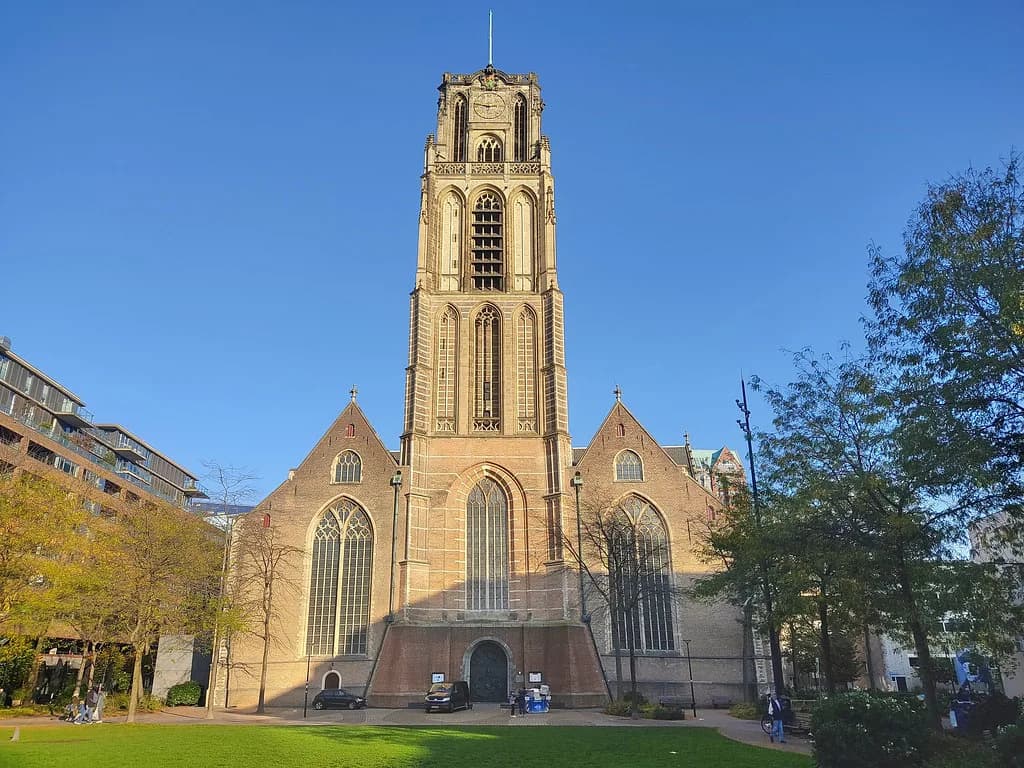
Choose one of the two outlying districts rather than both. Delfshaven, to the west, is the old harbour quarter with a canal, a historic church and its small-scale streets, all best on foot. Kralingen, to the east, gives you the Kralingse Plas lake, wooded paths and a very different side of the city, which suits a bike.
Both are a tram or metro ride plus a walk from the centre, so budget half a day including travel. If you're already at the Museumpark, Delfshaven continues the day naturally westwards. If you want greenery after a museum morning, head east to Kralingen instead.
Day two alternative: the Euromast and the Maas
If tower views matter more to you than a second museum, swap the Museumpark morning for the Euromast on the edge of Het Park. The tower gives you the city's scale in one look, from the rebuilt centre to the port stretching west, which is a useful way to finish a weekend. Pair it with a wander through Het Park and a riverside walk back towards the centre.
The trade-off is real: the Euromast takes an hour or so, whereas a museum can fill a morning. Choose based on whether you want to understand the port or a collection. On a wet day, the museum wins.
What closes on Sunday and Monday
The single most useful planning rule for a Rotterdam weekend is to check every museum's opening days before you fix the order, because museum opening days vary and many close on Mondays. A Friday-to-Sunday trip therefore has more freedom than a Saturday-to-Monday one. Build the weekend so the museum day falls on a day the museums you want are open.
If your second day is a Monday, put the Museumpark on day one and use Monday for the Markthal, the Oude Haven and the Erasmusbrug walk, or for Delfshaven and Kralingen. If you want the wider question answered first, see how many days in Rotterdam you need before booking. Beyond that, confirm specific opening times directly with each museum, as these change with the season.
Getting around on foot, by bike, by tram and by metro
Walking is the default in the centre: Centraal to the Markthal is a walkable fifteen minutes or so, and the Markthal to Erasmusbrug another quarter of an hour. The Museumpark is roughly ten minutes west of Coolsingel, and the Oude Haven is five minutes from the Markthal. In practice most of day one is on foot.
Use the metro for river crossings and longer hops: Wilhelminaplein serves Kop van Zuid, and Blaak puts you beside the Markthal. Trams cover the west and east for Delfshaven and Kralingen. Cycling is the fastest way to link the centre and the outer districts, but only if you're comfortable in traffic and wind.
What two days in Rotterdam costs in euros
Rotterdam is a mid-priced Dutch city break, not a budget one. The largest line items are accommodation and museum tickets; food and drink are easy to keep modest by eating at the Markthal and lunch spots rather than at the waterfront. Set a daily budget before you book and decide what you're willing to spend on one museum versus two.
Hotel prices in Rotterdam move with the season, and midweek and quieter months usually come cheaper than July, according to booking data for the city. Treat any figure you see as an estimate for your dates, not a fixed rate, and use it as a starting point for the budget.
Check ticket prices and timetables directly with each museum and transport operator before you travel, as these vary by season and period. If you're coming from the UK, compare the London to Rotterdam route before fixing your dates.
Honest trade-offs: what to skip with limited time
With one day, you get the centre, the Markthal and the Erasmusbrug, and that's a good day. The Museumpark, Delfshaven, Kralingen and the Euromast each eat half a day you don't have. If you're undecided on the trip at all, start with an honest answer to whether Rotterdam is worth visiting.
With two days, the modern centre and one old neighbourhood is the right split, so the weekend doesn't feel like the same buildings twice. The trade-off is that you skip one of Delfshaven and Kralingen. Keep the plan flexible and let the weather decide.
Which day suits your weekend?
A Rotterdam weekend break is a two-day proposition: one day for the rebuilt centre, the Maas and the waterfront, one for the Museumpark and a single old district. Place the museum day on whichever of your days the museums are open, and keep the rest flexible for weather.
If you're weighing a long weekend, look at how many days in Rotterdam you need, and if you're still deciding, check whether Rotterdam suits you before booking. The city repays a little planning with a lot of contrast.
Explore more Rotterdam guides
Frequently Asked Questions
Is Rotterdam a rainy city?
Rain is common, so plan one indoor anchor each day and keep the museum for the wettest forecast. Typical climate averages put March as the driest month, at about six days of rain, and January as the wettest, at around nine.
How long do you need to visit Rotterdam?
Two days covers the centre, the waterfront and one museum; add a third day only if you want both Delfshaven and Kralingen.
What is happening in Rotterdam this weekend?
Check official Rotterdam visitor and venue pages for current events during your stay, as programmes change and are listed there rather than fixed in advance for the guide.
Sources
Notes for your next Dutch city break
Optional updates to our Netherlands guides.
You might also like
Continue reading
More guides you'll find useful