Rotterdam vs Amsterdam: Which Dutch City Fits Your City Break?
Rotterdam rebuilt itself in glass and bold architecture; Amsterdam keeps its 17th-century canal ring. Compare the feel, the sights and who each city suits.
On this page
Pick Rotterdam if you want modern architecture, room to move and a skyline rebuilt from scratch after 1940; pick Amsterdam if you want canals, narrow Golden Age houses and the historic streetscape people picture when they think of the Netherlands. The two are close enough to combine, but they reward different trips. This guide compares how each city feels, what you actually see, how many days each needs and who each one suits.
The short answer: architecture versus canals
Rotterdam and Amsterdam are not competing for the same visit. Rotterdam is an architectural city, rebuilt after the bombing of May 1940 and filled with experiments that would have been hard to propose where old fabric had to be preserved, while Amsterdam is a preserved 17th-century canal city where the charm comes from what survived. If your short break is about seeing bold contemporary buildings, choose Rotterdam. If it is about walking historic waterways and leaning townhouses, choose Amsterdam.
Lokafy's comparison frames the pair as roughly 40 minutes apart by train, with services running every ten minutes and a fare of around €8 to €9 each way, which makes the choice less final than it sounds. You can treat one city as the base and reach the other without much planning.

What Rotterdam feels like: a city rebuilt after 1940
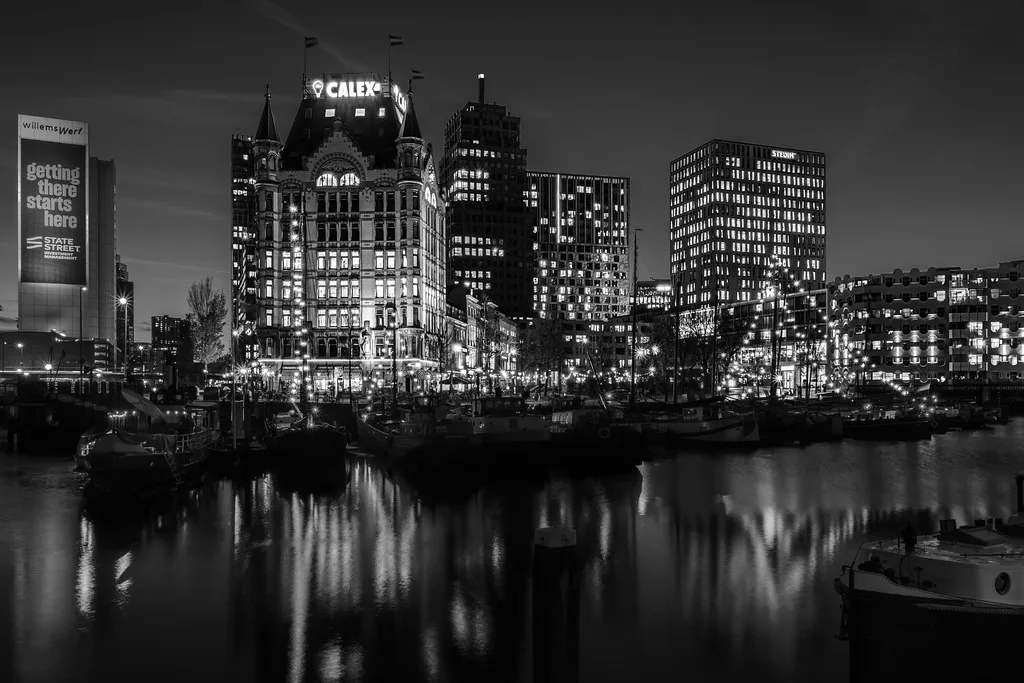
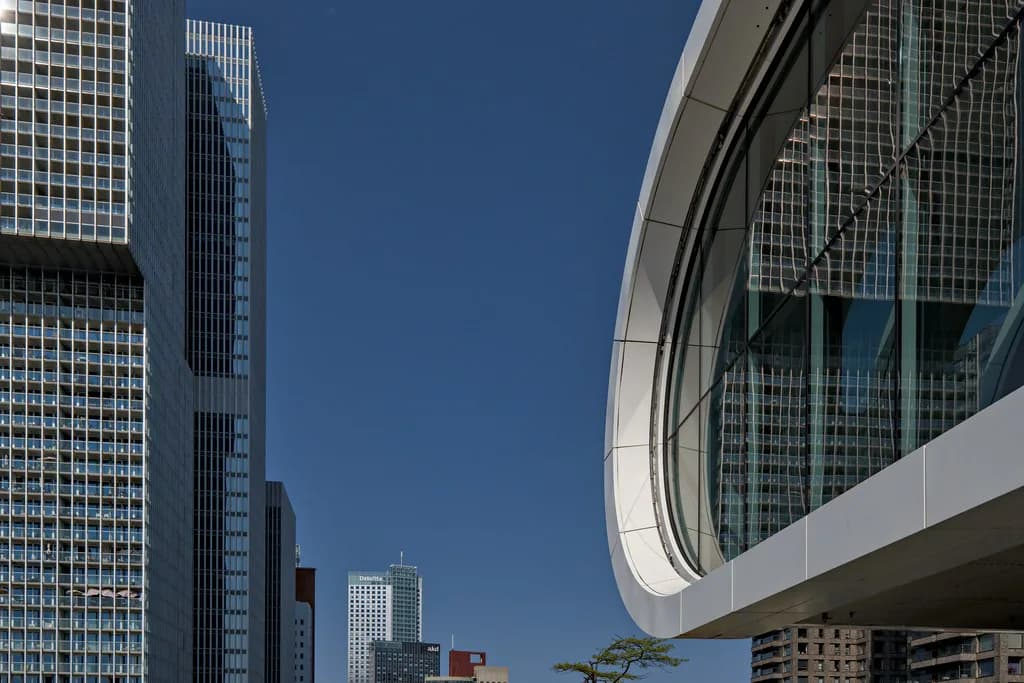
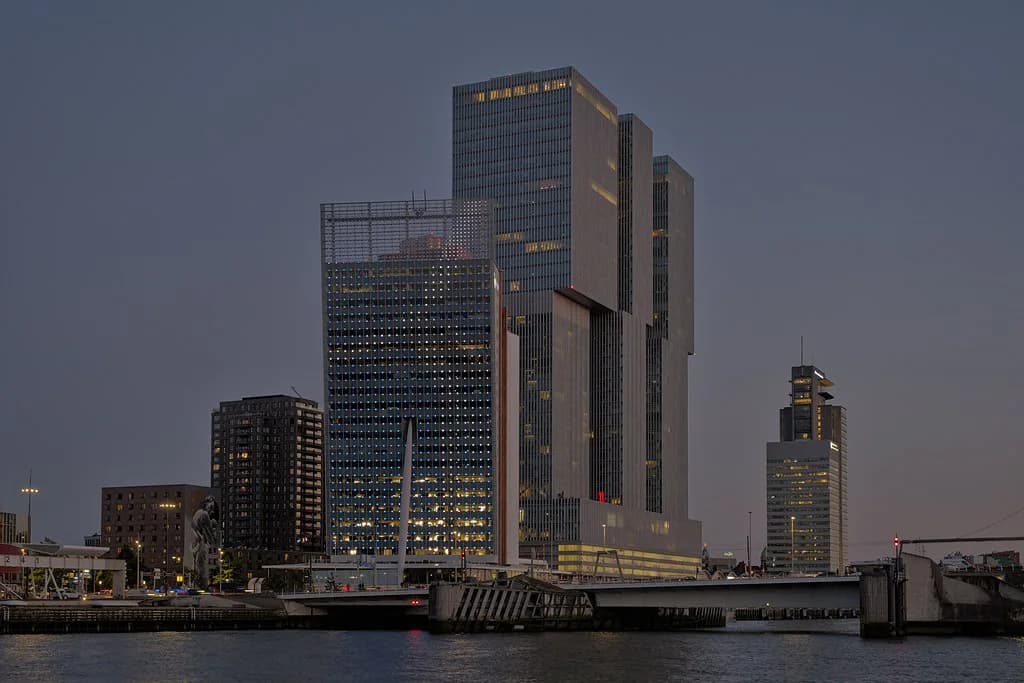
Rotterdam lost almost its entire centre in the German bombing raids of May 1940, and what replaced it was an open experiment rather than a reconstruction. Architects from around the world built here over the following decades, producing one of Europe's most interesting urban environments. It is not beautiful in the way Amsterdam is beautiful; it is exciting, spacious and still becoming itself.
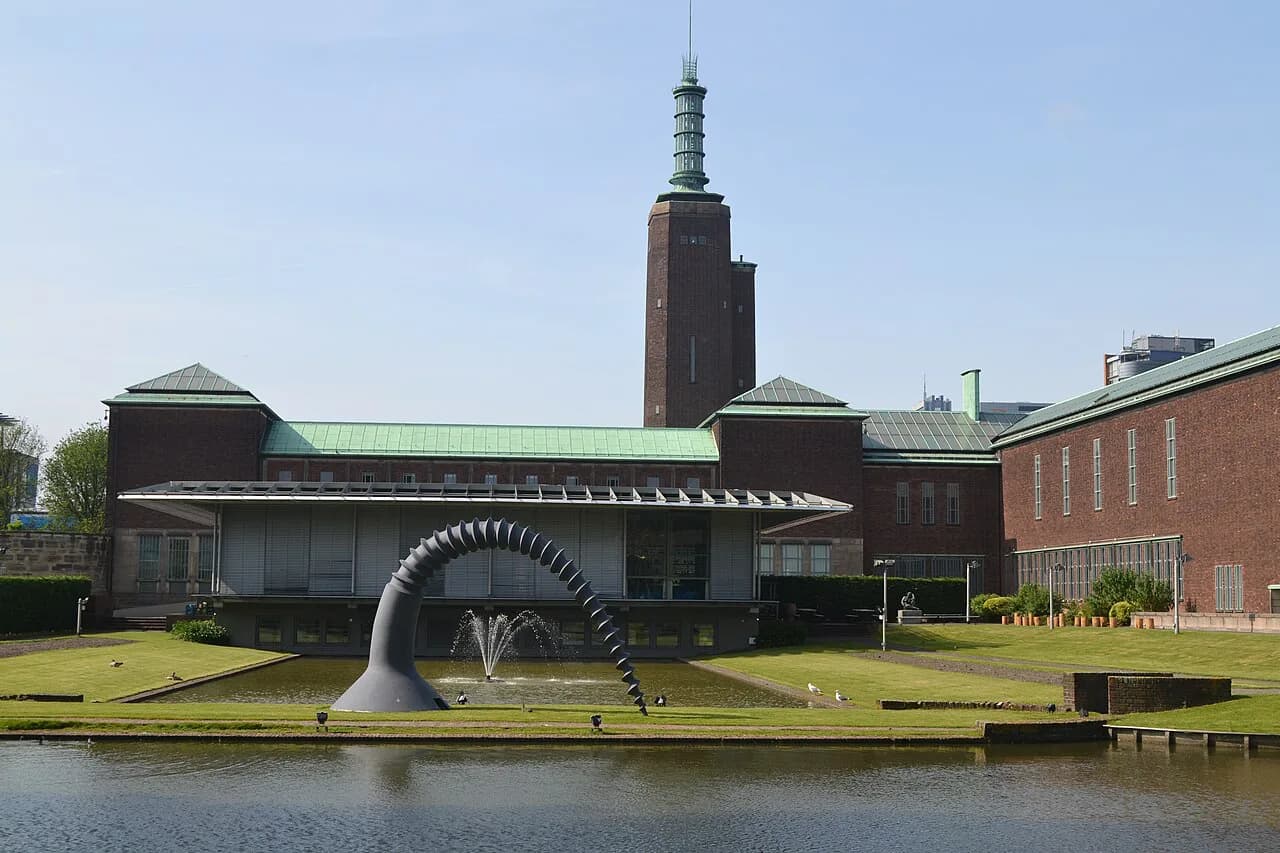
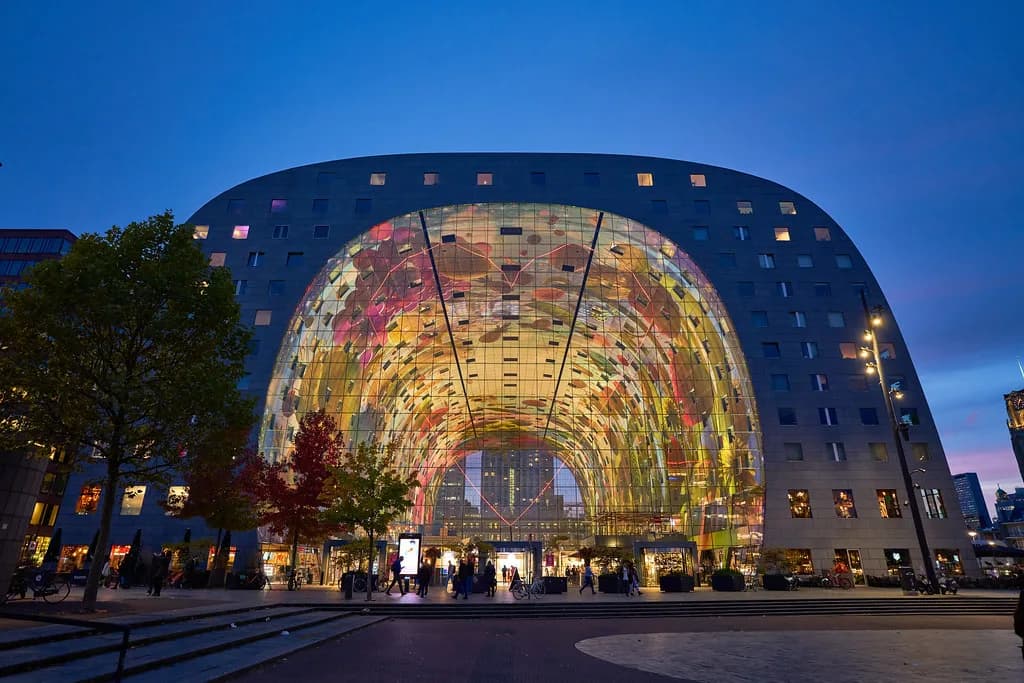
Three buildings anchor a first visit. The Cube Houses are Piet Blom's tilted, rotated homes from the 1970s; the Markthal is a horseshoe-shaped market hall with apartments arched over it and a large interior artwork on Dutch food culture; and Depot Boijmans Van Beuningen is a mirrored, bowl-shaped building holding the world's first publicly accessible art storage, where you can wander the rooms where the masterpieces live when they are off display. Each is a piece of architecture worth building a morning around rather than a monument to glance at.
That concentration of modern landmarks is why Rotterdam suits a tightly planned short break so well. For a day-by-day structure that fits these three into a workable route, our Rotterdam itinerary sets out the order and the walking between them.
What Amsterdam feels like: the canal ring and the Jordaan
Amsterdam's canal ring is genuinely extraordinary, and the Jordaan neighbourhood on a quiet spring morning, with light coming off the water and narrow 17th-century houses leaning slightly toward each other, earns the word beautiful without qualification. The Golden Age wealth that built the city is still visible in the brickwork, and the scale is intimate and walkable despite the global reputation.
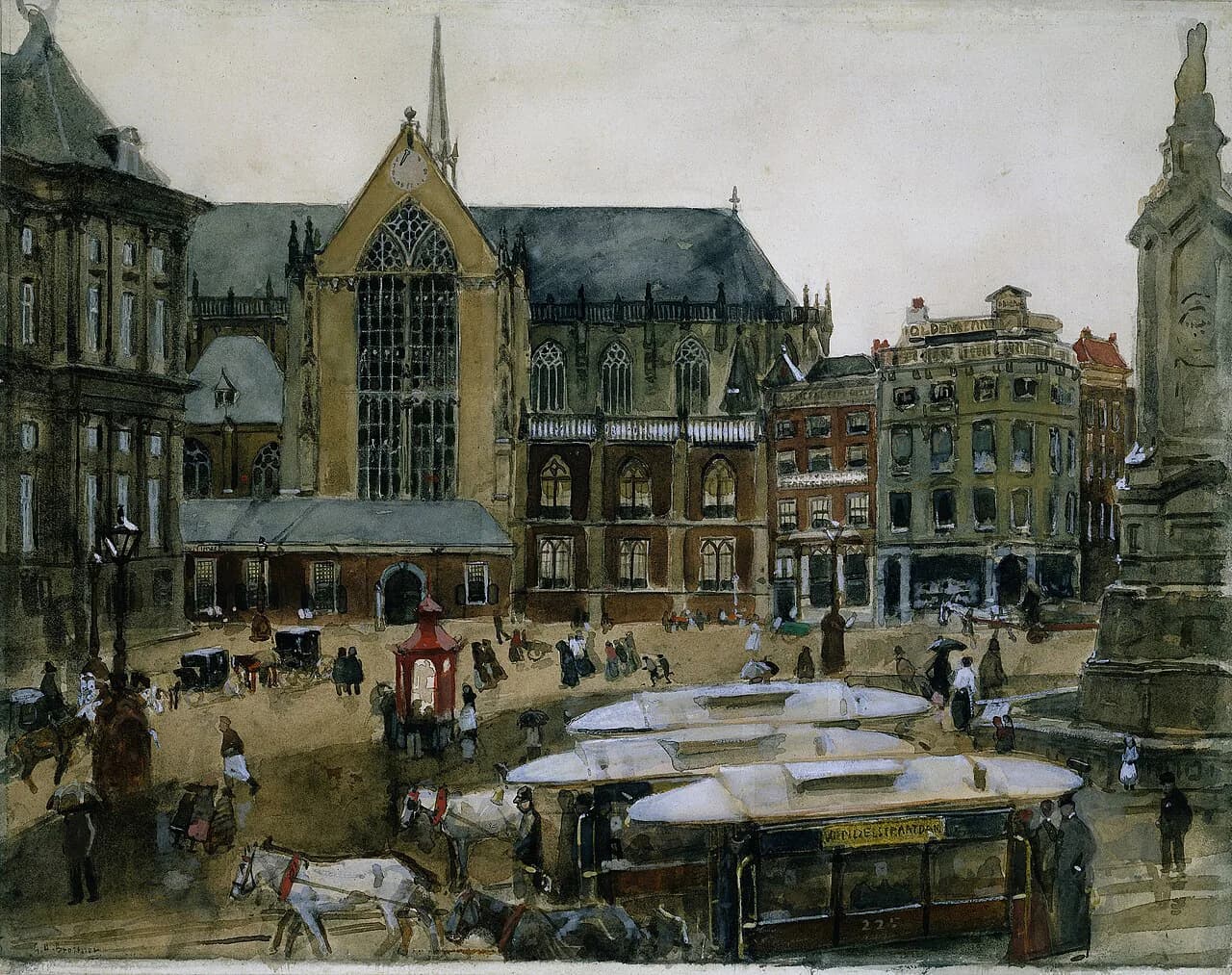
The trade-off is crowds. Between June and August the busiest areas fill with cruise passengers, tour groups and party weekends, and the Amsterdam you meet in those months in the most photographed spots is not always the city worth travelling for. The fix is route planning: Museumplein, Rembrandtplein, the Jewish Quarter, the floating houses and Dam Square all work far better when you move through them deliberately rather than camping at one viewpoint.
How close they are, and whether to combine them
The train link is the deciding factor for many travellers. With a journey of roughly 40 minutes and departures every ten minutes, having breakfast in one city and lunch in the other is realistic rather than ambitious, and people do commute between them. The practical question is not distance but how much of each city you want to see.
Combining works best when one city clearly leads. Give the majority of a three- or four-day break to your main pick and take a single day in the other, rather than splitting the stay evenly and spending both halves in transit. If Rotterdam is the lead, build the trip around a Rotterdam Weekend Break and slot Amsterdam in as the contrast.
Architecture as the main trade-off
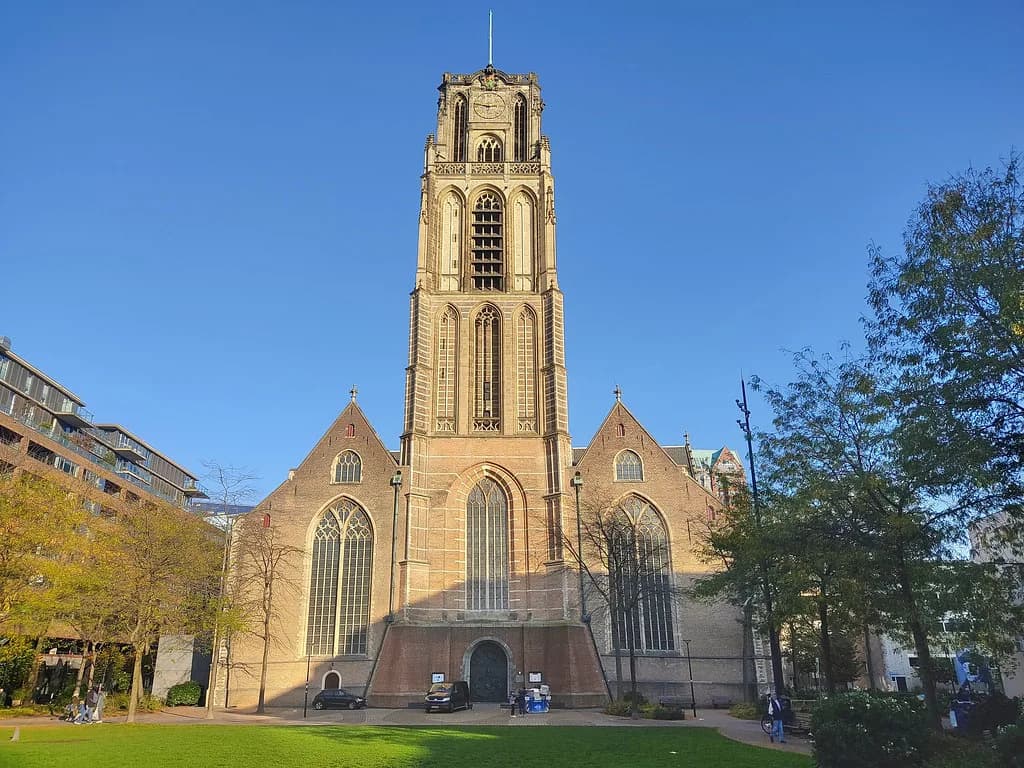
This is the honest trade-off. Amsterdam offers accumulated historic fabric: canal walls, gable stones, church towers and streets that have looked much the same for centuries. Rotterdam offers invention, from Blom's Cube Houses to the mirrored Depot, and a centre that reads as a series of deliberate design choices.
If you have seen a lot of historic European centres, Rotterdam will feel like the more distinctive choice. If this is a first trip to the Netherlands and the canal image is the point, Amsterdam delivers what you came for, and Rotterdam becomes the second visit. Neither city can supply what the other does, which is why the decision should follow your interests rather than a beauty contest.
How many days each city needs
Rotterdam's headline sights cluster tightly enough that you can see the main ones in a focused day, and a second day lets you slow down and take in more of the architecture. Our guide to how many days in Rotterdam sets out the options so you can match the length of stay to what you want to cover.
Amsterdam rewards more time because the interest is spread across the canal ring, the museum quarter and the Jordaan, so a first visit benefits from more than a single rushed day. On a one-to-four-day break, whichever city you choose as the lead should get the larger share of your days.
Cost: how the two compare
Lokafy describes the cost difference between the two cities as real, without setting out figures, so treat this as a directional point rather than a budget. If low cost is a priority, weigh your own accommodation and attraction choices rather than assuming one city is automatically cheaper.
For actual euro figures, check current ticket prices on each attraction's own website and compare them before booking, and compare accommodation quotes for your exact dates.
When to go, and how busy Amsterdam gets
Peak summer is Amsterdam's weakest season for atmosphere: June to August brings the heaviest crowds to the busiest districts. Spring and autumn give you the same streets with more room, and Rotterdam's open centre handles a busy day better because the space is there.
If your dates are fixed to summer, weight the trip towards Rotterdam and use Amsterdam for an early-morning wander before the groups arrive. If you can move your dates, shoulder season is the better answer for either city.
Cultural highlights to weigh up
Amsterdam's cultural weight sits in its museums and its historic streetscape, with Museumplein as the anchor for a museum-heavy day. Rotterdam's equivalent is architectural and industrial: the Markthal, the Cube Houses and Depot Boijmans Van Beuningen give you a compact set of things to see that are distinctive in their own right.
Choose by what you want to talk about afterwards. If it is paintings and canal views, Amsterdam. If it is buildings and how a city remade itself, Rotterdam. Our overview of Rotterdam attractions groups the main sights so you can judge the second option properly.
Who should pick Rotterdam, and who should pick Amsterdam
Pick Rotterdam if you have done the classic European canal city before, if modern architecture interests you, or if a spacious rebuilt centre appeals. It suits travellers who are happy to plan around specific buildings rather than wander a historic core. If you are weighing it up, our case for whether Rotterdam is worth visiting sets out exactly what you get.
Pick Amsterdam if this is your first Dutch city break, if canals and Golden Age streets are the reason you are coming, or if you want a museum-led few days. It rewards early starts and a route that avoids the busiest circuit.
Doing both cities in one trip
The case for both is the train: 40 minutes and frequent departures make a two-city break easy to arrange. The case against is time: every hour on a platform is an hour not spent in either place, and a short break loses more than it gains if you split it evenly.
A workable pattern is two nights in your main city and a single day in the other, travelling light and leaving bags at your base. Decide which city leads before you book, then let the other be the contrast rather than a second equal half.
Getting between them by train
Trains between Rotterdam and Amsterdam run roughly every ten minutes and take about 40 minutes, with a fare of around €8 to €9 each way according to Lokafy's comparison. Buy on the day at the station or through the operator's own app, and treat those figures as a guide rather than a timetable.
Build the transfer into the middle of the day rather than at either end, so you keep a full morning and a full evening in whichever city you are staying.
Which city should you book?
Book Rotterdam if you want architecture, space and a city that looks like nowhere else in the Netherlands, and give it two or three days. Book Amsterdam if canals and Golden Age streets are the point of the trip, and go outside peak summer if you possibly can. If you want both, let one lead and use the 40-minute train for a single contrasting day.
Explore more Rotterdam guides
Frequently Asked Questions
Which is cheaper for a city break, Rotterdam or Amsterdam?
Comparative guides describe the cost gap between the two as real but do not set out figures, so treat it as directional rather than a budget. Check current attraction ticket prices on each venue's own site and compare accommodation quotes for your exact dates before deciding.
Is it worth going to Rotterdam instead of Amsterdam?
Yes, if modern architecture and a spacious rebuilt centre appeal more than historic canals. Rotterdam's Cube Houses, Markthal and Depot Boijmans Van Beuningen give a short break a clear focus, and the centre handles a busy day well because there is more open space.
What is the prettiest city in the Netherlands?
For canals and 17th-century streets, Amsterdam is the obvious answer, and the Jordaan on a quiet spring morning is the image most travellers have in mind. Rotterdam's appeal is different: it is striking and inventive rather than conventionally pretty.
Sources
Notes for your next Dutch city break
Optional updates to our Netherlands guides.
You might also like

Continue reading
More guides you'll find useful