
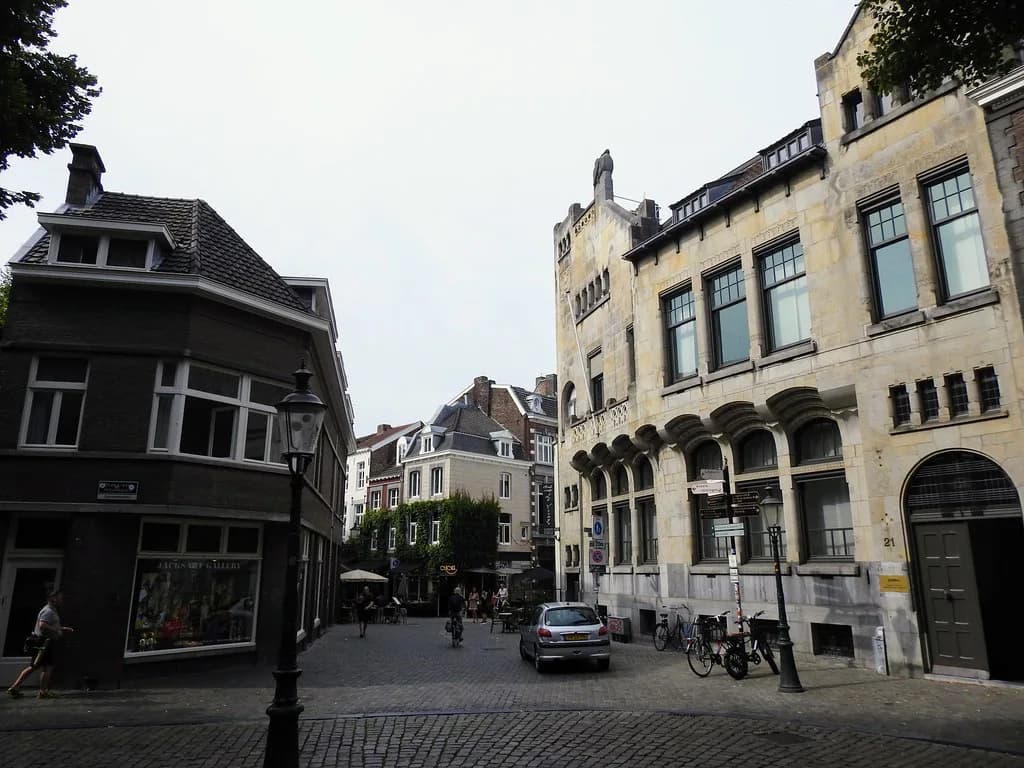
Onze-Lieve-Vrouweplein, Maastricht: A Visitor's Guide to the Square
Onze-Lieve-Vrouweplein is worth twenty minutes of your day: a compact square in Maastricht's oldest quarter, shaded by old trees, lined with terraces and anchored by the Onze-Lieve-Vrouwebasiliek. It is not a headline sight like the Vrijthof, but it is the place that best explains how the city began. This guide covers where the square sits, what to see above and below it, how to reach it on foot and how to fit it into a wider walk through the old town.
What Onze-Lieve-Vrouweplein actually is
The square is a historic Plein in the Stokstraatkwartier, the chic quarter of listed buildings, fashion shops and restaurants that locals treat as the most polished corner of the old city. Its defining features are the centuries-old trees, the café terraces and the Onze-Lieve-Vrouwebasiliek, which gives the square its name. Its address is Onze Lieve Vrouweplein, 6211 HD Maastricht if you are navigating by postcode or app.
The square is free to enter because it is a public space, not a ticketed attraction. What costs money are the cafés, anything charged for going inside the basilica, and the archaeological cellar beneath the neighbouring hotel. Plan it as a pause rather than a destination, and you will enjoy it far more.
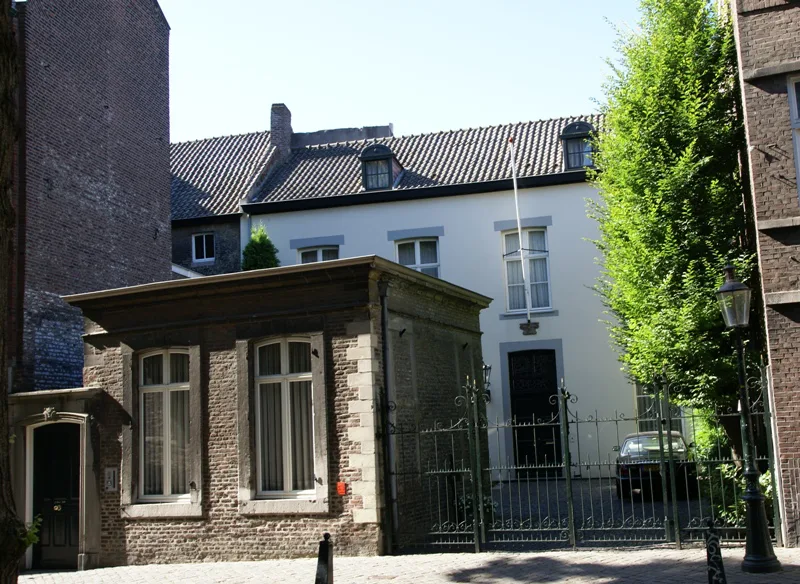

Where the square is and how the old town fits around it
Onze-Lieve-Vrouweplein lies in the oldest part of Maastricht, around the walls of the late-Roman castellum that defined the original settlement, in an area that was an important centre of the Roman-era town. The current square was once the churchyard of the basilica. That layered history helps explain why the streets around it feel so enclosed and why the square is smaller than it looks on a map.
Position matters here. The square sits in the southern, oldest quarter of the old town and close to the river, which means it works as a natural stop at the end of a walk through the centre rather than a detour. If you are building a walking route, treat the old town as a loop: Markt in the north, Onze-Lieve-Vrouweplein in the south, and the river path connecting them, all covered in our Maastricht Attractions: 12 Visitor Guides collection.
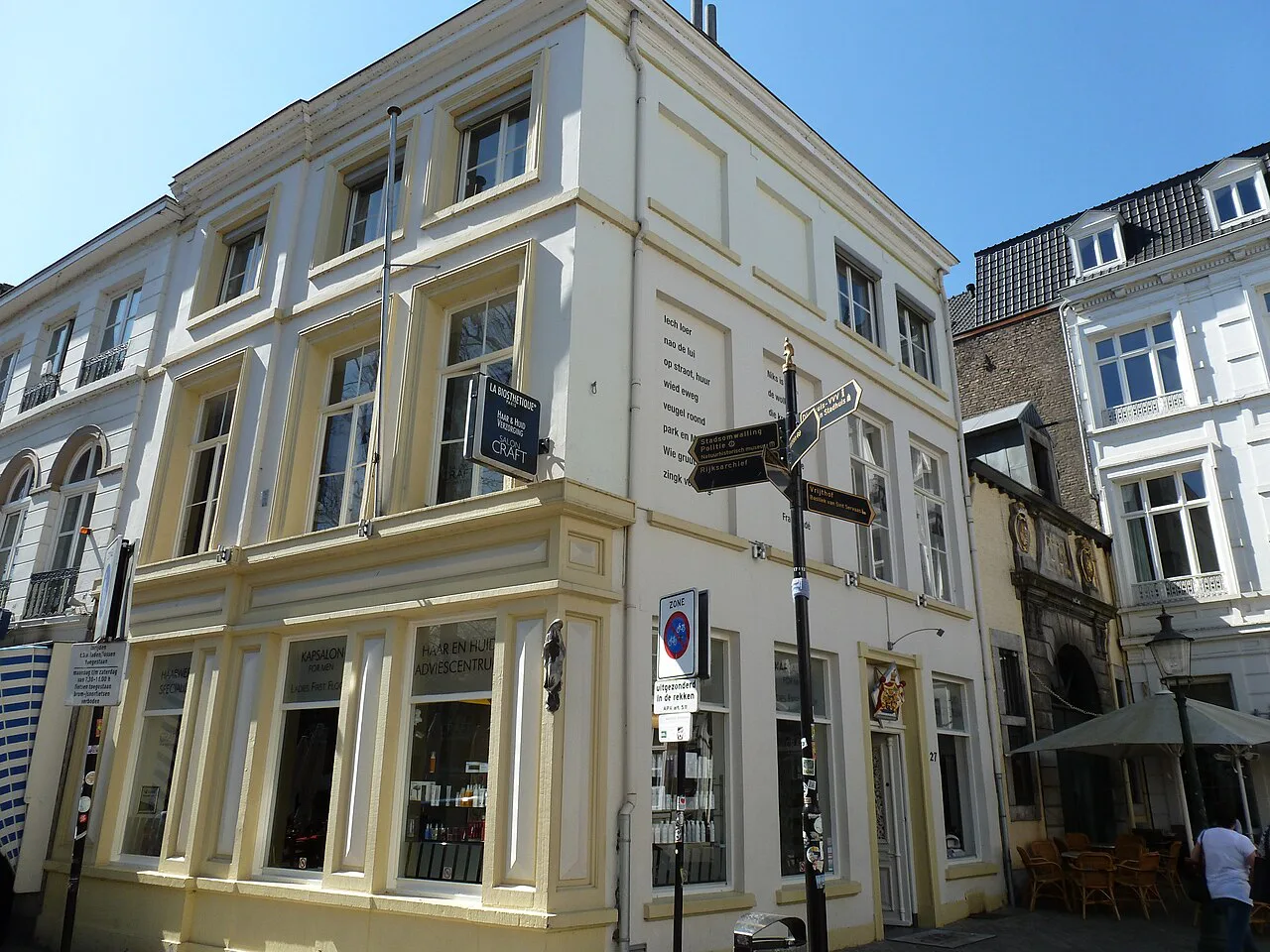

Getting there on foot from the station and the Vrijthof
From Maastricht's central station area, the walk into the old town is straightforward and largely flat, following the main shopping streets south. Allow around twenty to twenty-five minutes at an easy pace, more if you stop in the Markt. From the Vrijthof, Maastricht, the walk is shorter, roughly ten minutes south through the pedestrianised lanes into the Stokstraatkwartier.
Cyclists can reach the square too, but the final approach is through narrow, pedestrian-heavy streets where walking the last stretch is easier than riding it. If you are combining the square with a longer ride, head first to the river and the Sint Servaasbrug, then double back through the old town on foot; details for both are in our guide to things to do in Maastricht.
The Onze-Lieve-Vrouwebasiliek: the church that defines the square
The basilica is the reason the square exists and the reason it is named as it is. The square was once the churchyard of the Onze-Lieve-Vrouwebasiliek, whose Romanesque mass rises beside the Plein and gives the space a quiet, enclosed feel that the busier Vrijthof lacks. Even if you do not go inside, the exterior and the surrounding trees are worth the stop.
Opening hours, service times and any tower access change with the liturgical calendar, so the safest approach is to read the notice board at the church door on the day. If you want a second major church in Maastricht, the Basilica of Saint Servatius on the Vrijthof is the natural pairing and a ten-minute walk away.
Roman Maastricht below the pavement
Beneath the Derlon Hotel Maastricht, at the edge of the square, parts of a Roman sanctuary and a section of the old Roman road have been preserved. The Museumkelder Derlon is the visitor entrance to those remains, and it gives a direct look at the city nearly two thousand years ago. This is the detail that separates Onze-Lieve-Vrouweplein from every other café square in the Netherlands.
The discovery is recent history: the Roman remains were only found in 1983 during a renovation, and the building plans were altered so the archaeology could stay in place. Access is via the Museumkelder Derlon; check any admission arrangements when you arrive rather than assuming a standard museum set-up. Allow thirty to forty-five minutes if you go down.
The square's older life: churchyard ground and a lost church
The ground you walk on was once the cemetery of the basilica, and a second church, the Sint-Nicolaaskerk, stood beside it until it disappeared in the nineteenth century. That explains why the square has the feel of a close rather than a planned urban space. It grew out of religious use, not civic design.
Around the basilica, a separate ecclesiastical district developed with its own administration, which held influence in Maastricht for centuries. That history is worth holding in mind as you look at the façades around the square: this was a governed religious enclave before it was a café terrace.
How long to allow on Onze-Lieve-Vrouweplein
Give the square twenty minutes if you are passing through, and an hour to ninety minutes if you want the basilica, the Museumkelder Derlon and a coffee. It is a small space, so the time goes on the interiors and the sitting, not on covering ground. This is not a place to rush; it rewards a slower pace than the Vrijthof.
The practical trade-off is that the terraces are the main draw on a sunny afternoon, so the square is busiest exactly when it is most pleasant. Come earlier in the day for quiet photographs of the basilica, or accept the crowd and treat the terrace as the point of the visit. Either way, pair it with the surrounding streets rather than making it a standalone stop.
The Stokstraatkwartier around the corner
The square sits inside the Stokstraatkwartier, a quarter of historic buildings, national monuments, exclusive fashion shops and restaurants that locals describe as chic and warm. Walking the streets immediately around the Plein is part of the experience: the façades and the scale of the lanes explain why this is the most expensive-looking corner of Maastricht. Set aside another thirty minutes to wander.
For a wider context on how this quarter fits into the city, the Maastricht Attractions: 12 Visitor Guides collection sets the square alongside the city's other named sights. It is a useful way to see what is close enough to combine on the same walk. Read it before you fix your route.
What else is within a short walk
The Vrijthof, Maastricht is the obvious next stop, ten minutes north, with its own cafés and the Basilica of Saint Servatius. The river and the Sint Servaasbrug are a few minutes west, giving you a bridge crossing and a view back to the old town. Both make a natural continuation of the same afternoon.
If you want to go underground again, the Maastricht caves at Grotten Noord are a short trip from the centre and a very different experience from the Roman cellar under the square. South of the city, Sint-Pietersberg Maastricht offers the open-air version: a hill, a network of paths and the Fort Sint Pieter, Maastricht on its slope. Choose one, not both, for a one-day visit.
Is Onze-Lieve-Vrouweplein worth the detour?
Yes, if you are already in the old town. It is a free, compact square that gives you the basilica, a Roman cellar and the Stokstraatkwartier in one stop, and it fits naturally between the Markt and the river. It is not worth a special journey across the city on its own, but it is worth an hour of any Maastricht day.
Build your route around the walk rather than the square: Vrijthof first, then Onze-Lieve-Vrouweplein, then the river. That order keeps the basilica and the Roman remains as the climax rather than the overture. The Maastricht page linked above sets the full list of attractions if you want to extend it.
Explore more Maastricht guides
Frequently Asked Questions
Is Onze-Lieve-Vrouweplein free to visit?
Onze-Lieve-Vrouweplein is a public square, so there is no charge to walk through it or to see the basilica from outside. Arrangements for going inside the basilica, and for the Roman cellar beneath the Derlon Hotel, are separate and are best checked on arrival or at the church door.
Can you see the Roman remains under Onze-Lieve-Vrouweplein without a ticket?
The Roman sanctuary and road remains are preserved beneath the Derlon Hotel and are visited through the Museumkelder Derlon, an enclosed archaeological space rather than something visible from the street. Access is via the Museumkelder, so check any admission arrangements when you arrive.
Is Onze-Lieve-Vrouweplein the same as the Onze-Lieve-Vrouwebasiliek?
No. The Plein is the square; the basiliek is the church beside it. The square takes its name from the church, and the two are adjacent, so the basilica is in view as soon as you arrive, but they are separate places with separate access.