
Best areas in Maastricht: plan where to wander and stay
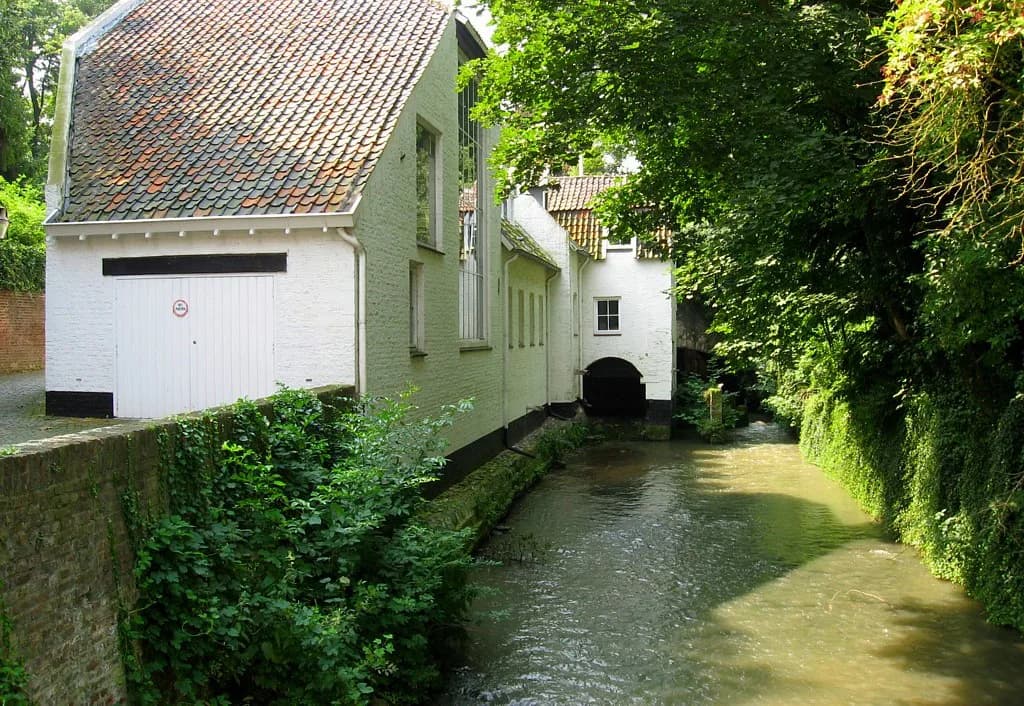
Maastricht splits neatly either side of the Meuse: modern Céramique on one bank, the old core with the Jekerkwartier and Kommelkwartier on the other, and Wyck wrapped around the station on the east. Crossings shape your days — the Hoge Brug links you to Céramique, the Sint Servaas Bridge ties Wyck to the centre, so pick a base and expect to walk over water more than once.
Céramique delivers architecture and museums in a compact three to four hours, with the Bonnefanten, Maastricht Museum and the free Centre Céramique close together. Centre Céramique closes on Mondays, and the advertised tower climb runs only until 27 December, so time that half-day accordingly.
In the Jekerkwartier the Jeker slips under old houses past a medieval gate and city walls; an hour or two of slow wandering takes in small boutiques, studios and city parks, though the cobbles are uneven underfoot. Kommelkwartier, next door, fills a quiet hour with former monasteries, a gasthuis complex and a lone medieval tower, with street sculpture along the lanes and nothing ticketed to queue for.
Wyck suits train arrivals and shopping: shops, coffee and a meal near the platform, with the big sights a bridge-crossing away.
| Area | Best for | Where |
|---|---|---|
| Jekerkwartier, Maastricht | culture lovers, slow wanderers | Jekerkwartier, Maastricht historic core |
| Céramique Maastricht | architecture and museum lovers | Céramique district, around Plein 1992 |
| Wyck, Maastricht | train arrivals and shopping | Wyck, east bank of the Maas |
| Kommelkwartier, Maastricht | quiet hour between headline sights | historic centre, next to Jekerkwartier |
Maastricht neighbourhood guides
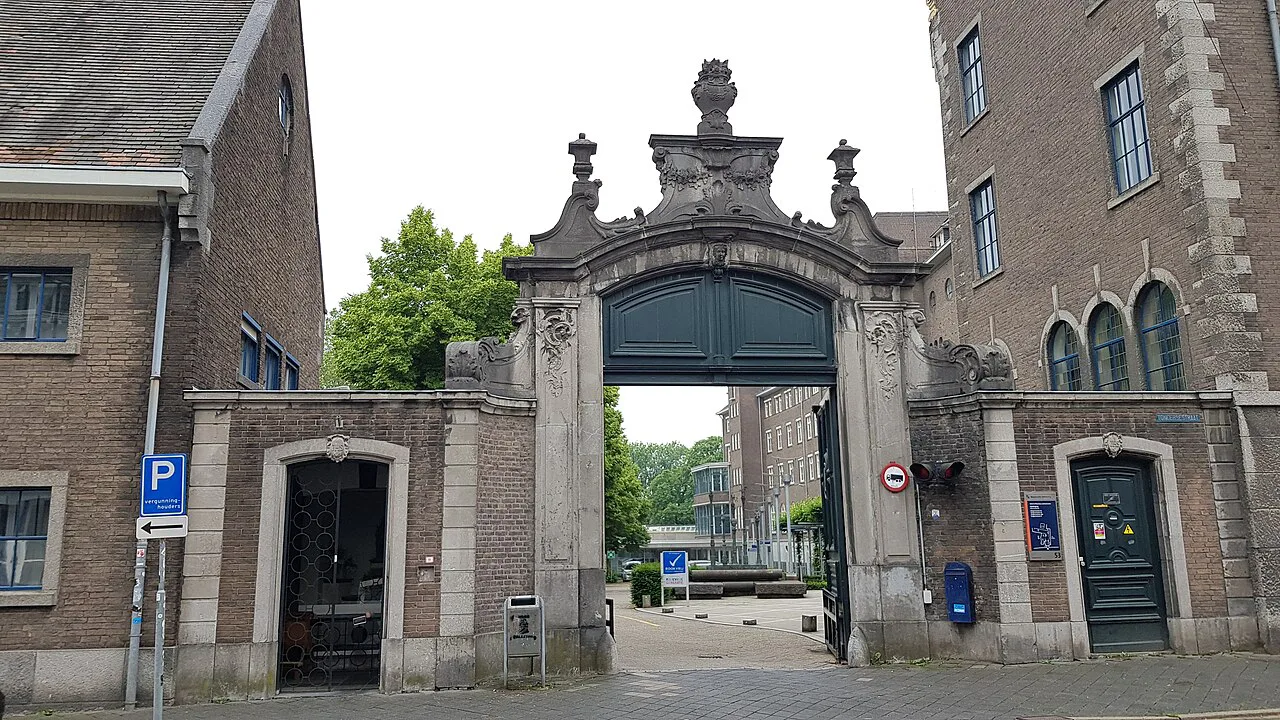
Jekerkwartier, Maastricht: What to See in the Jeker Quarter
A quarter to wander for an hour or two, where the Jeker runs under old houses past a medieval gate and city walls, with small boutiques, studios and city parks along the way. The cobbles are uneven underfoot.
1-2 hours · Best for culture lovers, slow wanderers
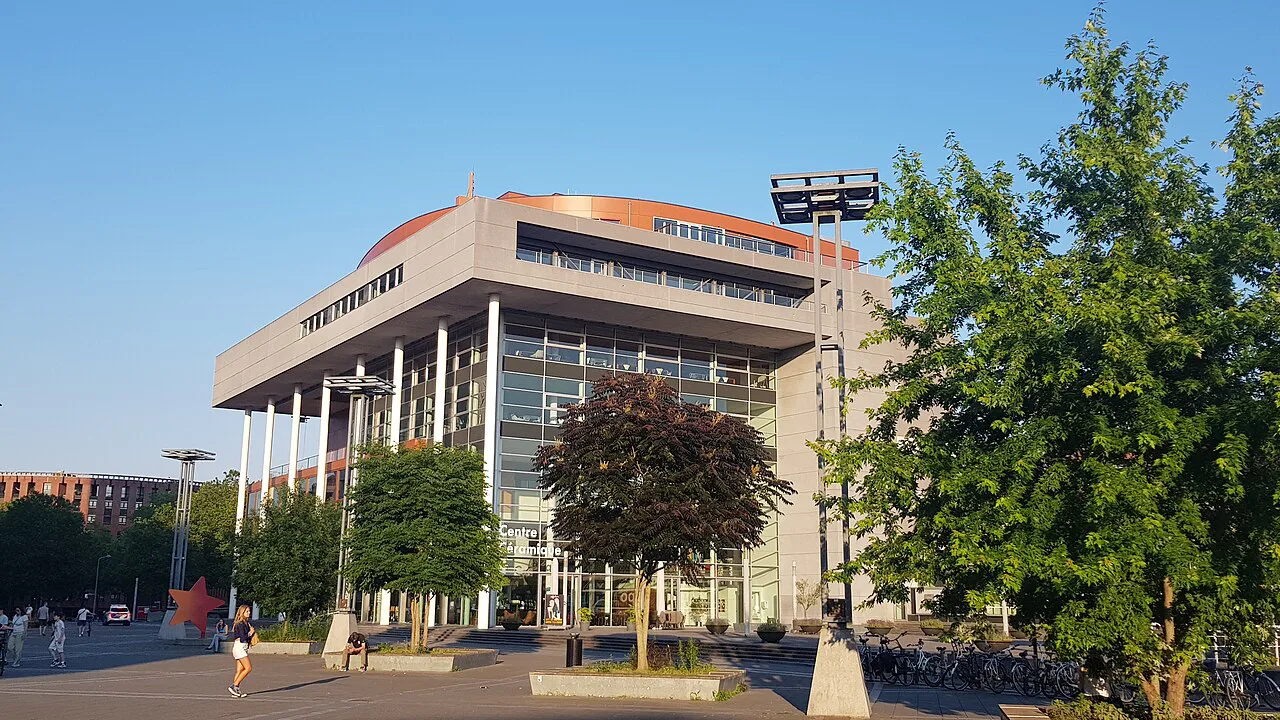
Céramique Maastricht: Modern District Guide for a City Break
A modern district across the Meuse, reached on foot over the Hoge Brug. The Bonnefanten, the free Centre Céramique and the Maastricht Museum pack into a compact half-day, but Centre Céramique shuts on Mondays.
three to four hours · Best for architecture and museum lovers
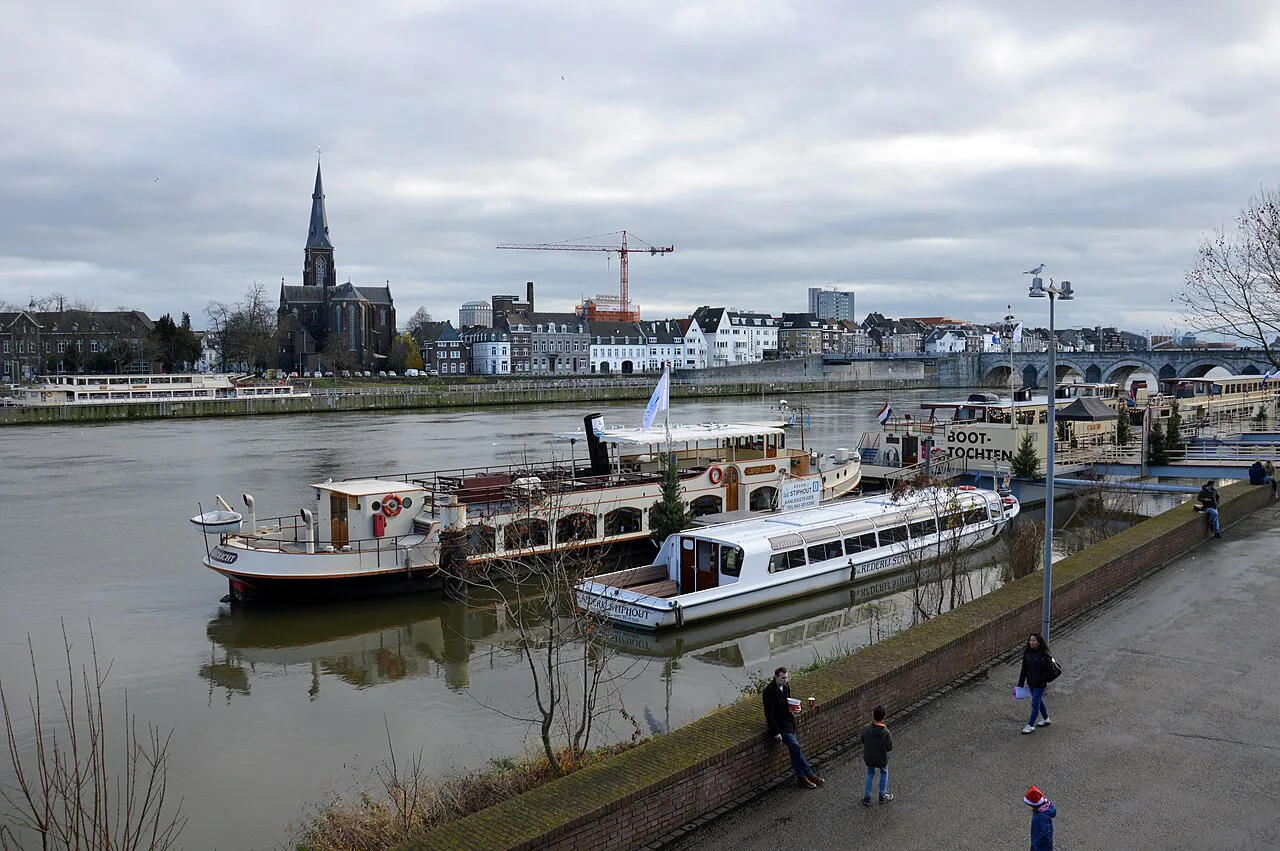
Wyck, Maastricht: What to See and Do in the Station District
The station district on the east bank of the Maas, handy if you arrive by train or want shops, coffee and a meal near the platform. The big sights lie across the Sint Servaas Bridge, so expect to cross often.
half a day · Best for train arrivals and shopping
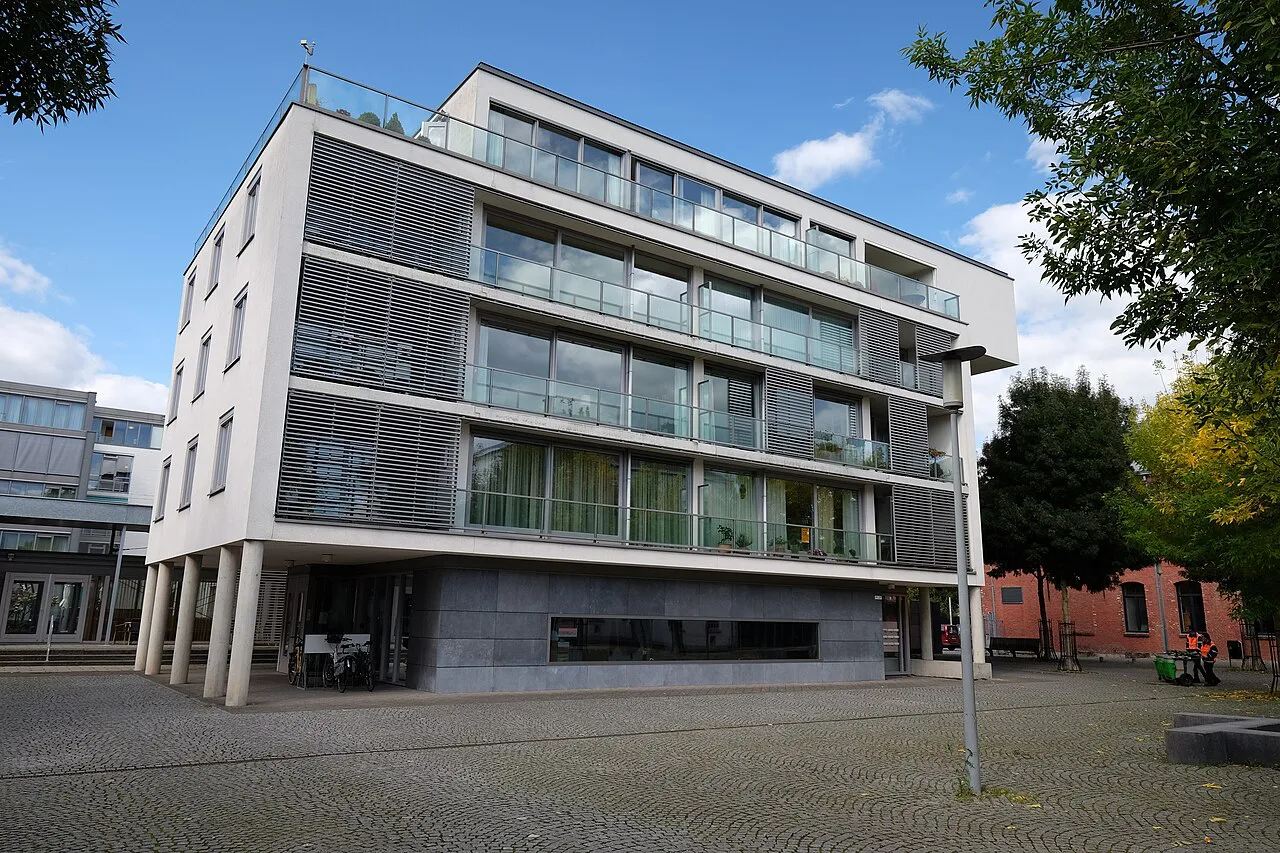
Kommelkwartier, Maastricht: a guide to the district
A quiet quarter of former monasteries, a gasthuis complex and a lone medieval tower, plus street sculpture scattered along its lanes. Give it an hour on foot as an add-on to a centre walk; there is nothing ticketed to queue for.
about an hour · Best for quiet hour between headline sights
Which Maastricht quarter fits your plans
Choose Céramique for a museum half-day and modern buildings; the Bonnefanten and Maastricht Museum sit close to the free Centre Céramique. The Jekerkwartier rewards slow culture lovers who want the Jeker, walls and boutiques over an hour or two. Kommelkwartier is the quiet add-on between headline sights: monasteries, a gasthuis complex and a medieval tower, all on foot. Wyck works best if you arrive by train or want shopping and food near the station, accepting that the main sights mean crossing the Sint Servaas Bridge.