
Céramique, Maastricht: a guide to the city's modern district

Céramique deserves half a day of a Maastricht city break, but not a whole one. It is the modern district across the Meuse from the historic centre, reached on foot or by bike over the Hoge Brug, and it delivers the Bonnefanten, the free Centre Céramique, the Maastricht Museum and a stretch of striking contemporary architecture that no old-street wander can match. This guide covers what is there, how long it takes and who should skip it.
Set aside three to four hours: enough for the Bonnefanten, Centre Céramique, a look at Plein 1992 and a walk back over the bridge into the old town. Pick your day around the Monday closure at Centre Céramique, since it is the free anchor of the district.
What Céramique is and where it sits
Céramique was once part of Wyck, but its character is so different that it now counts as a district in its own right. The name comes from the Société Céramique earthenware factory, which stood on the site from 1863, and traces of that industrial past still sit alongside the newest buildings in the city.
Geographically it lies across the Meuse from the historic centre. The Hoge Brug, a modern cycle and pedestrian bridge, has linked the two banks since 2003, so Céramique is a walk-on from the old town rather than a separate excursion.
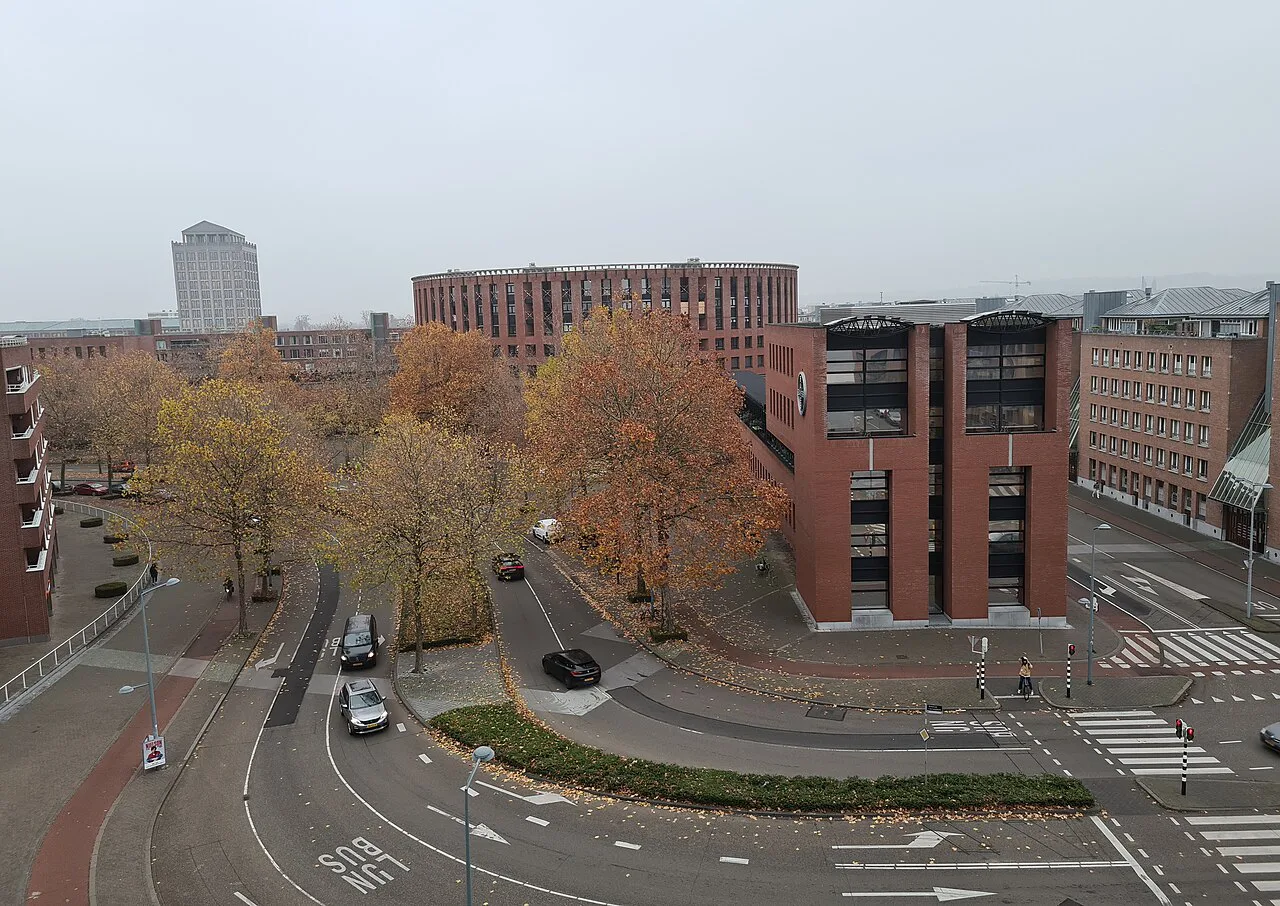
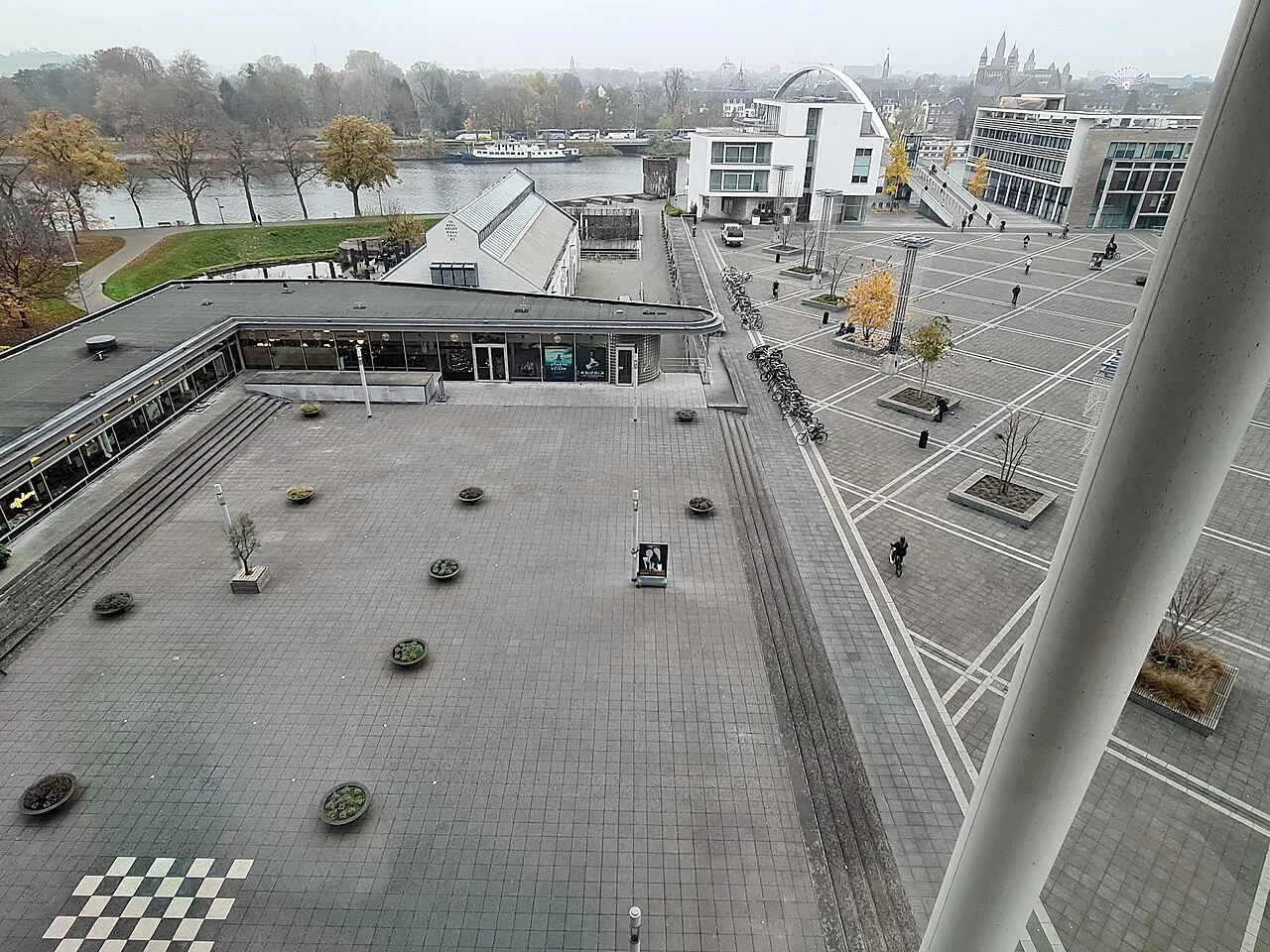
Everything clusters around Plein 1992, the square named for the year the Maastricht Treaty was signed. That compact layout is why the district works on foot: the Bonnefanten, Centre Céramique, the Maastricht Museum and the provincial government building all sit within a short stroll.

Who it suits and who it does not
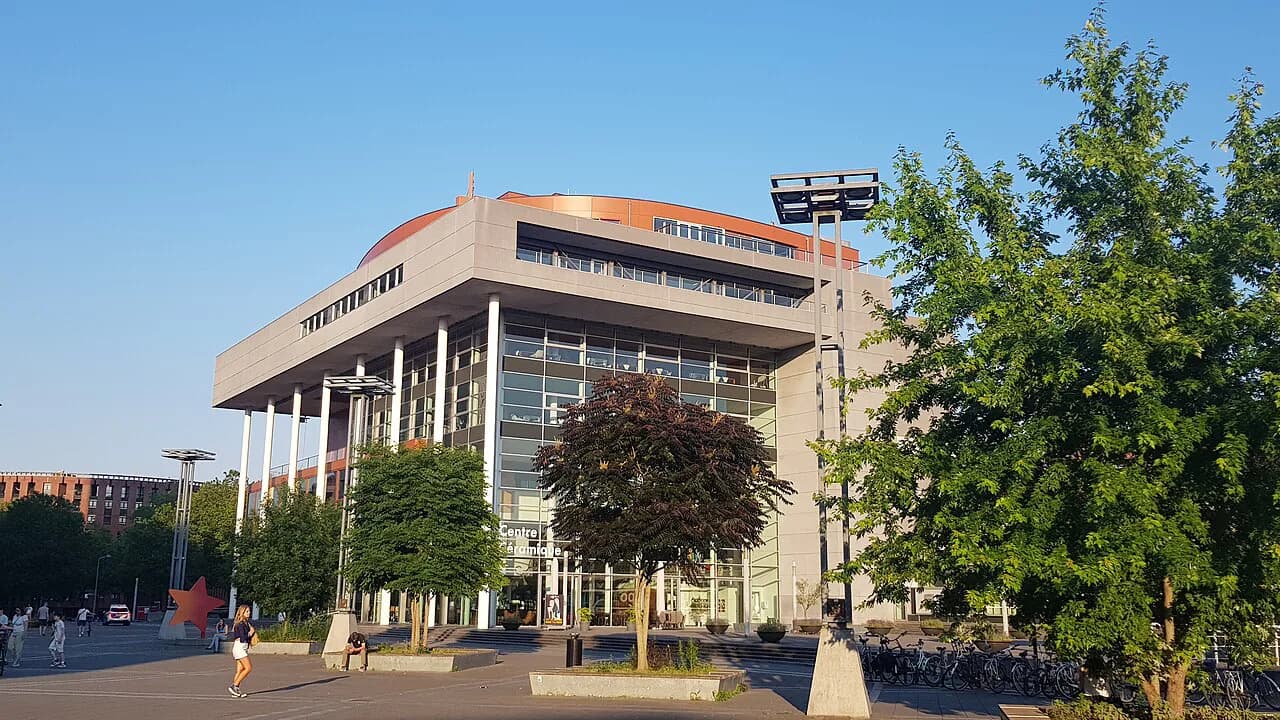
Céramique suits anyone who wants architecture and museums mixed into a city break. Aldo Rossi's Bonnefanten building alone justifies the crossing for design-minded travellers, and Jo Coenen's Centre Céramique, at Avenue Céramique 50, adds a second landmark.
It does not suit travellers who came purely for narrow medieval streets and café-lined squares. If your ideal Maastricht day is the Jekerkwartier or the Markt, treat Céramique as an optional extra and give the time to the old town instead; the Maastricht Neighborhoods: 4 Area Guides sets out the alternatives.
Céramique is the easiest Maastricht neighbourhood to pair with the old centre, since the Hoge Brug puts you straight from the historic streets into the district. Treat it as part of the same walk rather than a separate outing.

Must-sees in Céramique
The Bonnefanten is the headline act: old masters shown alongside modern and contemporary art in Aldo Rossi's riverside building. In fine weather you can climb the rocket-shaped tower for free, which gives you a skyline view over the Meuse without buying anything.
The Maastricht Museum, on the first floor of Centre Céramique, tells the city's story through art, heritage and special objects across the centuries. It is the place to make sense of what you have been walking past, and it pairs naturally with a Bonnefanten visit on the same afternoon.
Two outdoor pieces anchor the public space. Stars of Europe commemorates the Maastricht Treaty and European cooperation, while the Provincial Government of Limburg building on the river is noted for its architecture, its art collection and its role in the treaty's signing.
Culture continues beyond the museums: the Bordenhal is the home theatre of Toneelgroep Maastricht, so the district has an evening life as well as a daytime one.
Centre Céramique: free entry, closed Mondays
Centre Céramique is the district's civic hub and its most-visited cultural stage, welcoming some 560,000 visitors a year, with a library and the Maastricht Museum under one roof. Entry to the building is free, which makes it the obvious anchor for a low-cost half-day.
Opening hours run Tuesday 09:00 to 20:00, Wednesday to Friday 09:00 to 17:00, and Saturday and Sunday 10:00 to 17:00, with Mondays closed. Hours can shift on public holidays, so a quick look at the Centre Céramique site before a bank-holiday visit is worthwhile.
The late Tuesday closing is the useful detail for planners: it is the one weekday evening when you can fit the library in after a day in the old centre. Saturday and Sunday keep the same 10:00 start, so a weekend morning works equally well.
The building is an attraction in itself, designed by Jo Coenen and sitting at Avenue Céramique 50 on Plein 1992. Reading the programme before you go pays off, because the activity calendar changes regularly and includes talks, exhibitions and Dutch language cafés alongside the permanent museum.
The Bonnefanten visit
Expect a genuine mix at the Bonnefanten: old masters, modern pieces and contemporary work in one collection, housed in Aldo Rossi's riverside building that is itself the reason many visitors come. The setting and the design shape the visit as much as the pictures do.
The free tower climb is the best value in the district when the weather holds. It is advertised as running until 27 December rather than being a year-round fixture, so treat it as a bonus rather than the plan.
Exhibitions rotate, and the programme has included shows on Rossi's architecture and on Maastricht's craft history, each with its own end date. Check what is on before you travel, since the line-up changes through the year.
How long to give Céramique
A half-day on foot is the right allocation: the Bonnefanten, Centre Céramique with the Maastricht Museum, and a circuit of Plein 1992 and the riverside. Add time for the tower climb if it is open and the sky is clear.
The best combination is Céramique followed by a walk back over the Hoge Brug into Wyck, which puts you among the older streets and the station side of town without retracing your steps. That route turns two neighbourhoods into one comfortable afternoon; Wyck, Maastricht covers the other side of the bridge.
If you only have one full day in the city, keep Céramique to a couple of hours and spend the rest in the historic centre. The district rewards attention but it does not carry a whole day on its own.
Getting there and around
Walk or cycle over the Hoge Brug; it is the direct link between the old centre and Céramique for pedestrians and bikes. Once across, the district is flat and compact, with Plein 1992 as the natural orientation point.
Coming from the station side of town, the district sits on a sensible walking route through Wyck, so you can cross and be among the museums without needing public transport. Cycling is equally straightforward, with the Hoge Brug carrying cyclists as well as walkers.
The layout keeps everything within a few minutes of each other: Centre Céramique at Plein 1992, the Bonnefanten and the Provincial Government of Limburg along the Meuse. You will not need a map for long.
Eating and staying in the district
Céramique is primarily a cultural and residential district rather than a dining quarter, so plan your meals around the old centre and Wyck. For a fuller picture of how the neighbourhoods fit together, the wider Maastricht Neighborhoods: 4 Area Guides sets out the alternatives.
If you want to stay near the museums, use Wyck and the centre as your base and treat Céramique as a half-day outing. Basing yourself in the old town keeps the medieval streets on your doorstep while leaving the Bonnefanten one bridge away.
The trade-offs
Céramique trades atmosphere for architecture. You get bold modern buildings and a calm riverside setting, but you lose the canal-side huddle of the old centre; that is exactly why it works as a contrast rather than a substitute.
The Monday closure at Centre Céramique is the single most important planning detail, since it removes the free anchor of the district on that day. Tuesday's 09:00 to 20:00 hours are the mirror benefit if your trip includes a weekday evening.
Use the area guides to judge how Céramique fits with the rest of your route, and confirm museum opening days with each venue before you commit a day to it.
Should Céramique be on your Maastricht itinerary?
Yes, for a half-day, and yes on a day other than Monday. The Bonnefanten, the free Centre Céramique and the Maastricht Museum give the district real substance, and the Hoge Brug makes it an easy walk from Wyck and the old centre.
Skip it if your trip is short and entirely about medieval streets; in that case the Jekerkwartier and the centre will use your time better. Otherwise cross the bridge, climb the tower if it is open and walk back through Wyck.