
Jekerkwartier, Maastricht: A Guide to the Jeker Quarter

The Jekerkwartier is worth your time if you like small-scale streets more than headline sights: a river threading under old houses, a medieval gate and surviving walls, and a creative, university-fed character. It rewards a wander of an hour or two rather than a half-day itinerary. This guide covers where the quarter sits, what to look for, who it suits and how to walk it.
The district grew out of the old fortress city into today's university city, and that shift explains most of what you see: historic defences on one side, students, academies and studios on the other. The Jeker itself is the spine of the walk, with the old city gate and walls as the historical anchors.
What the Jekerkwartier is and why it's worth your time
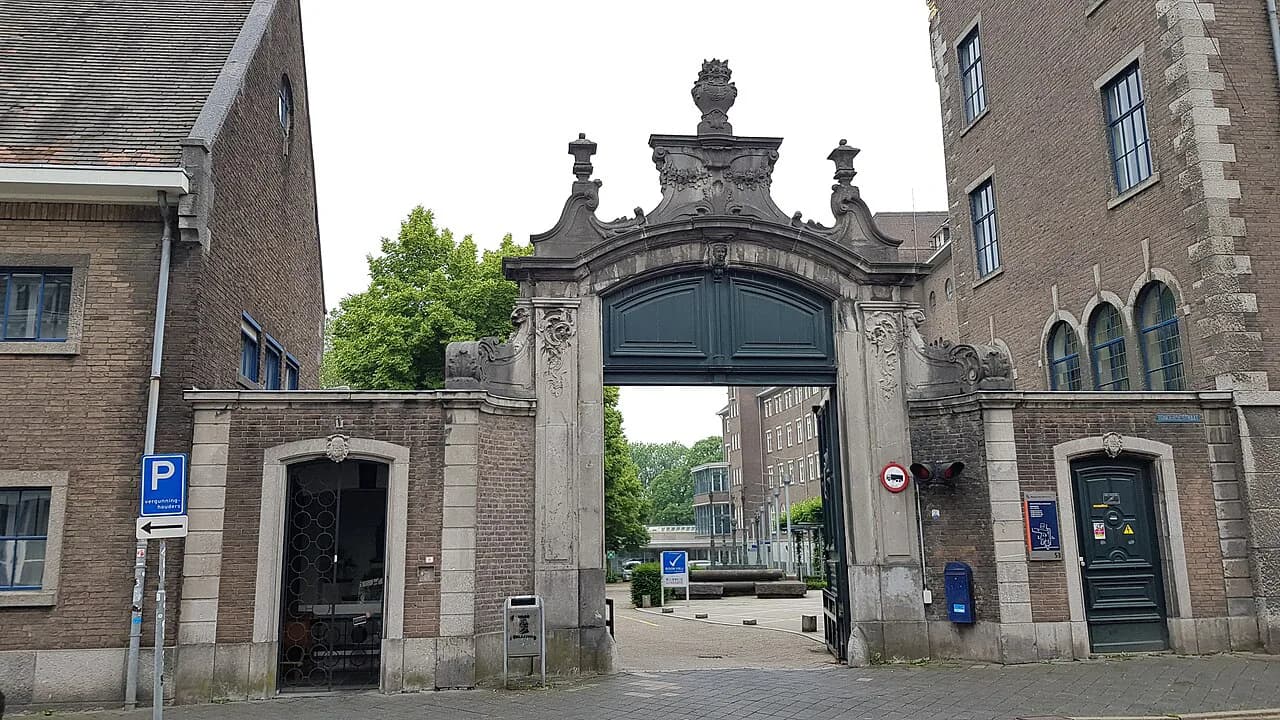
This is the part of Maastricht where the picturesque river Jeker winds under centuries-old houses and along charming streets, with an old city gate and historical city walls recalling the fortified past. The draw is the combination rather than any single sight: water, stone, small shops and the sound of the conservatory drifting over the rooftops. Treat it as a district to explore on foot, not a checklist to tick off.
Because the appeal is spread across streets rather than concentrated in one building, the quarter rewards aimless strolling. Pick a couple of anchor points, then allow yourself to loop back along the water.
Where the district sits in Maastricht and how to reach it on foot
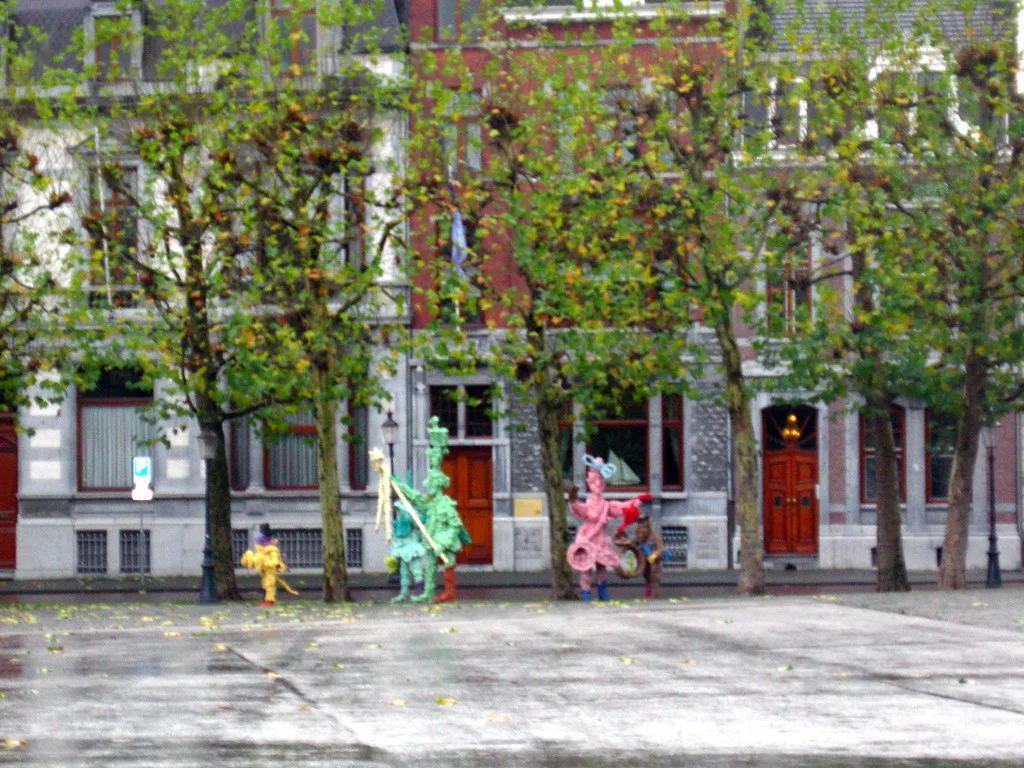
The Jekerkwartier sits inside Maastricht's historic core, close enough to the centre that you reach it on foot rather than by planning a separate trip. Guided walks in the quarter use central meeting points including the Vrijthof, the Kleine Staat and the Maasboulevard, all of which are a short walk from the district itself.
If you arrive by train, walk in from the station side of the river and cross into the old town; the station quarter is covered separately in the guide to Wyck, Maastricht. From there the Jekerkwartier is a natural continuation of a central Maastricht walk rather than a detour. This guide sits alongside the other Maastricht Neighborhoods: 4 Area Guides.
The Jeker river, the old city gate and the city walls
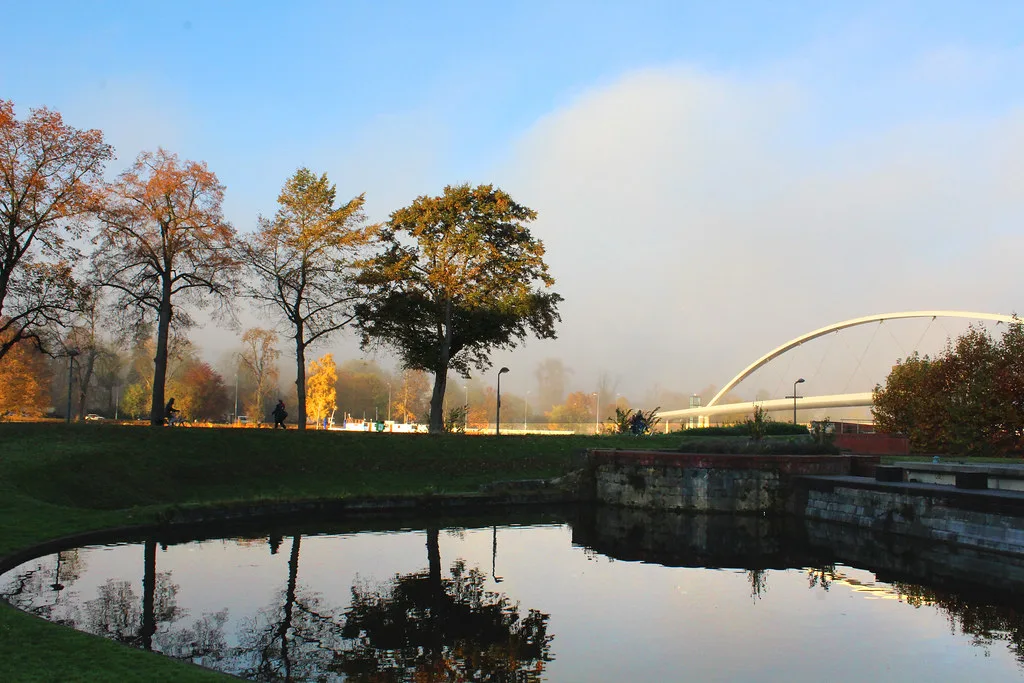
The Jeker is the reason to slow down: it slips under old houses and alongside streets that feel older than the rest of the centre. The old city gate and the stretches of city wall give the walk its historical frame, and they are best seen on foot at close range.
Expect to look down as well as up. In the Jeker and Stokstraat quarters you walk almost everywhere on traditional kinderkoepkes, the small cobbles that define the street surface here, with the Stokstraatkwartier bordering the Jeker quarter.
The neighbouring Stokstraatkwartier shares the same cobbled texture and historic feel, and the two quarters are usually walked together. If the Jeker side is busy, crossing into those streets keeps the walk going without changing its character.
The character of the area: boutiques, ateliers and eateries
This is a neighbourhood of small-scale boutiques, ateliers and cosy eateries, which is exactly why residents and visitors like it. The scale stays intimate: you are browsing streets rather than working through a shopping district, and the pleasure is in the looking.
Plan the quarter as a browsing stop rather than a shopping mission. Because the shops are small and independent in feel, a wander that follows whatever street looks interesting works better than a fixed list, and it pairs naturally with a coffee or a meal at one of the eateries along the way.
The university and arts institutions that shape the neighbourhood
Music from the conservatory is part of the soundscape, and that creative presence is what gives the district its particular atmosphere. Classical university study sits alongside it, so the streets carry a student rhythm through the working week.
The Jan van Eyck Academie and the Toneelacademie are also based here, each housed in buildings with their own architectural character. Look out for the buildings as you walk: the institutions are part of the streetscape, not separate attractions with queues.
The city parks within the district
The Jekerkwartier holds fine city parks, which give the walk a place to sit down and break up the cobbles. Pair a stretch along the Jeker with a pause in the greenery rather than treating the parks as a separate outing.
For culture and nature together, this is the most rewarding corner of central Maastricht. A natural history museum sits within the district alongside the studios and university buildings, so the area works for mixed groups who want more than one kind of stop.
Who the Jekerkwartier suits, and who it doesn't
The quarter suits culture lovers, nature lovers and anyone happy to wander small streets without a fixed agenda. It also suits travellers who have already seen the headline sights and want the texture of the city rather than another museum.
It suits people less well if you want blockbuster attractions, need smooth, even paving underfoot, or are pushing a buggy or wheelchair. The traditional small cobbles are the trade-off, and the guided version of the walk is explicitly not suitable for people with limited mobility.
Walking it: surfaces, accessibility and practical limits
The walking surface is the main practical consideration: small cobbles underfoot almost everywhere in the Jeker and Stokstraat quarters. Wear shoes you can walk in for an hour or two, and take the pace slowly if you are unsteady on uneven ground.
The guided version of this walk runs about two hours, is not suitable for people with limited mobility, is not wheelchair-accessible and has no toilet available, though the start points are reachable by public transport. Those limits matter if you are walking with older family members or small children.
Going it alone removes the group constraints but not the cobbles. A self-guided loop of the Jeker, the gate and the walls lets you stop for a park bench or a shop whenever you like.
A guided walk versus going it alone
A private guided tour of the Jekerkwartier lasts about two hours. It is booked online in advance, with a minimum payment for 11 people and an online rate shown as €15.50 per person; check the operator's page for current prices, dates and availability. Departure points include the Vrijthof, the Kleine Staat and the Maasboulevard.
A guide adds the story of how the fortress city became today's university city, which is hard to read from the streets alone. Going alone costs nothing and gives you freedom, but you give up that context and the fixed start points.
If the group minimum is a problem, the official Maastricht guides also run other walks, and the wider city is covered in the things to do in Maastricht guide. Compare a private tour against a simple self-guided loop before committing, especially if you are a couple or travelling alone.
Should you book the guide or just walk it?
Walk the Jekerkwartier on your own if you want a free, flexible hour among small streets and the Jeker, and book the private tour if you want the history explained and can meet the group minimum. Either way, start from the centre of Maastricht and treat the quarter as a slow wander rather than a sightseeing checklist.
Nearby districts extend the day: Céramique Maastricht on the river's east bank and the Kommelkwartier on the city's other flank are easy to add. Check the operator's booking page for current tour prices, dates and available start points before you commit.
Explore more Maastricht guides
Frequently Asked Questions
How long does it take to walk around the Jekerkwartier?
Allow an hour or two for a relaxed loop of the river, the old gate and the walls, plus time in the parks and shops. The guided version takes about two hours.
Are there shops and cafés in the Jekerkwartier?
Yes. The district has small-scale boutiques, ateliers and cosy eateries, which is part of what makes it popular with residents and visitors.
Is the Jekerkwartier easy to reach on foot?
It sits inside Maastricht's historic core, so you can walk in from central points such as the Vrijthof and the Kleine Staat. Arriving by train means crossing from the station side into the old town.
Is the guided Jekerkwartier walk suitable for wheelchair users?
No. The operator states the private tour is not wheelchair-accessible and not suitable for people with limited mobility, and the traditional small cobbles make the surface uneven.