
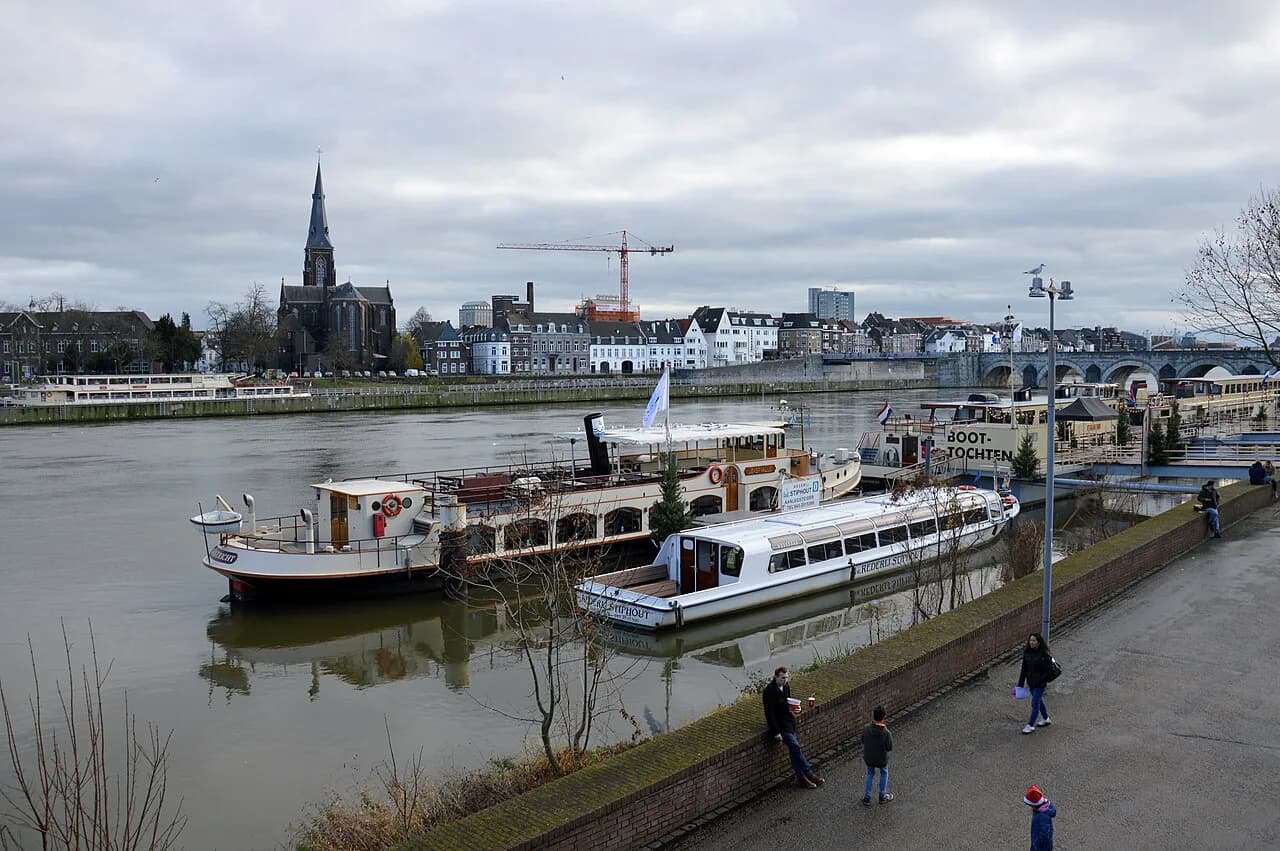
Wyck, Maastricht: A Visitor's Guide to the Station District

Wyck suits anyone arriving in Maastricht by train and wanting to sleep within a few minutes of the platform, and it works well for shopping and for the walk to the river. It does not hold the headline sights: those sit across the Sint Servaas Bridge in the historic centre. This guide covers the district's layout, a walking route, eating and shopping, and the modern Céramique quarter that continues seamlessly beyond it.
What Wyck is and who it suits
Wyck lies on the east bank of the Maas, opposite the old town, and runs inland from Maastricht station. Streets such as the Wycker Brugstraat and Rechtstraat give it a lived-in, commercial feel, with nineteenth-century houses and shopfronts rather than museum-scale monuments. It is a district for errands, coffee and an evening meal as much as for sightseeing.
The trade-off is simple. Wyck is the most convenient base in the city if you arrive by train, but the district's own sights are modest and you will cross the bridge regularly to reach the old centre's sights, squares and museums. For a one-night stop or a short break built around shopping and station access it is hard to beat. Readers planning to spend their days on the west bank can compare the Jekerkwartier, Maastricht and the wider Maastricht Neighborhoods: 4 Area Guides page before booking.
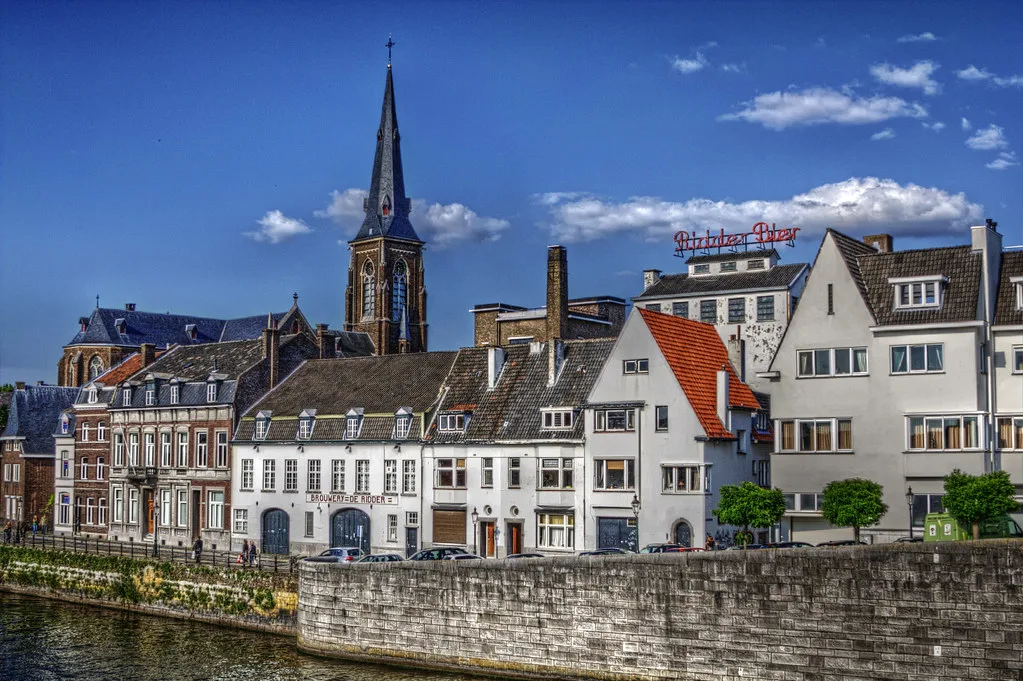
How Wyck is laid out, from Maastricht station to the Sint Servaas Bridge
Orientation is easy. The station faces down the Stationsstraat, which leads to the Wilhelminasingel, and beyond it the Wycker Brugstraat runs towards the river and the bridge. The Rechtstraat, described as the main street of Wyck, runs through the district, lined with eighteenth- and nineteenth-century buildings and decorated gable stones.
Two fixed points anchor the district. Maastricht station dates from 1916 and has served for more than a century as the city's monumental front door, while the Sint Servaas Bridge is the oldest surviving stone bridge in the Netherlands, connecting centre and Wyck since 1280. Between them, the Maria monument on the Wilhelminasingel carries statues of four well-known bishops of Maastricht around its pedestal, a good spot to pause and take stock.
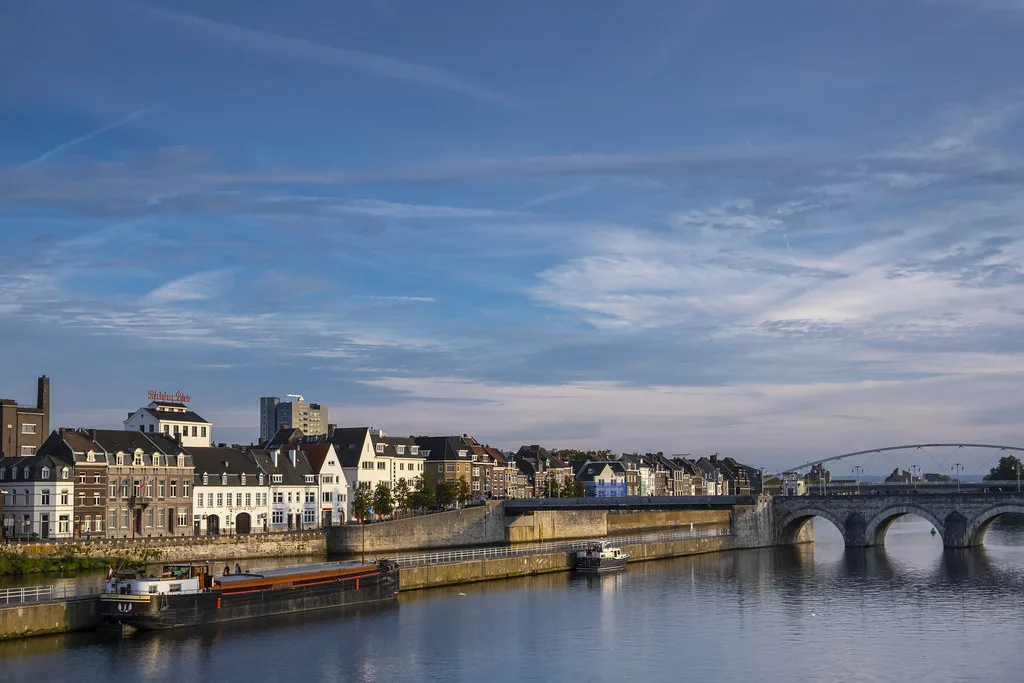
A walking route through Wyck: Stationsstraat, Wycker Brugstraat, Rechtstraat and Sint-Martinuskerk
A suggested walk through Wyck and Céramique covers 2.9 km and is given as about 35 minutes at a steady pace, without stops. It begins at the station on the Stationsstraat, passes the Maria monument and continues into the Wycker Brugstraat; the route turns off the Rechtstraat to reach the Sint-Martinuskerk, the neo-Gothic church in the district. Allow far more than 35 minutes if you intend to shop, eat or look inside churches.
On the way you pass the old De Ridder brewery, where Wieckse Witte was brewed until 2002, and the Stadsbrouwerij Maastricht, a brewery where you can drink craft or local beer, eat, and join a brewery visit. The neo-Gothic Sint-Martinuskerk stands on a site with a long religious history and is the strongest single sight on the Wyck side of the river.
Crossing into Céramique: Plein 1992, the Bonnefanten and the old pottery works
Beyond Wyck, across the Plein 1992 area, lies Céramique, a separate modern quarter with striking architecture that continues the walk from the district. Its centrepiece is Plein 1992, named for the treaty signed in Maastricht that year and which laid the groundwork for the euro. Until around 1980 the site held the Société Céramique pottery factory; the Bordenhal, one of the surviving factory buildings, now houses Toneelgroep Maastricht, the city's theatre company.
Nearby, the Wiebenga hall was the pottery's second factory building, and street names across the quarter still refer to that industrial past. The Bonnefanten mixes old masters with modern and contemporary art in Aldo Rossi's landmark building, and the Centre Céramique holds the city library and the Maastricht Museum. Walks along the Maas here pass remnants of the old fortifications, a quieter counterpoint to the historic centre. The same ground is covered in more depth on the separate Céramique, Maastricht page.
Eating and drinking in Wyck: Van Wijck on the Wycker Brugstraat
Van Wijck runs two locations in Maastricht, one at Wycker Brugstraat 28 in Wyck and the other on the Luikerweg near Sint Pieter, and opens daily from 8 to 18 for all-day breakfast, coffee, something sweet, lunch, ice cream and takeaway. It does not take reservations, which makes it a useful no-planning stop near the station and shopping streets.
Wyck's own eating scene is modest, running along the Wycker Brugstraat within easy walking distance of the station and the bridge. Van Wijck, on the Wycker Brugstraat, is the simplest no-planning option for daytime food and drink, and the rest of the district's restaurants sit a short walk away near the same street.
Shopping on Wycker Brugstraat and Rechtstraat
Shopping is Wyck's other draw. The Wycker Brugstraat is the browsing street, with shops and plenty of restaurants along it, while the Rechtstraat, described as the district's main street, combines beautiful eighteenth- and nineteenth-century buildings with gable stones and a steady run of smaller shops. The two streets are a short walk apart and pair naturally with the station.
Shop hours vary from one shop to the next, so check individual shops if a particular purchase matters. Wyck's shopping works best as a warm-up before crossing to the old centre rather than as a destination in itself.
Wyck's character and how it compares with other districts
Wyck is a working, mixed district with the station at its heart, so everyday shops and services sit alongside the places visitors use. That makes it easy to combine an arrival or departure with a walk through the streets and across the bridge. For the city's headline sights and museums, start with the attractions guide.
For a quieter, more residential feel, compare the Kommelkwartier, Maastricht and the Jekerkwartier, Maastricht. Wyck remains the one district where the station, the shops and the bridge all sit within a few minutes of each other.
How to reach Wyck and get around on foot
Maastricht station sits in Wyck, so trains deliver you straight into the district. From the platforms, the Stationsstraat, the Wilhelminasingel and the Wycker Brugstraat lead in a line towards the Maas, and the historic centre lies a short walk beyond the Sint Servaas Bridge.
Everything in Wyck and Céramique is walkable, and the suggested 2.9 km route from the station towards the bridge is flat and easy.
Should Wyck be your base in Maastricht?
Choose Wyck if convenience beats atmosphere: a train arrival, an early departure or a short break built around shopping and easy meals makes it the obvious district. The big museums and squares sit across the Sint Servaas Bridge in the old centre rather than on Wyck's doorstep. For a fuller picture, start with Maastricht Attractions: 12 Visitor Guides and compare districts on the Maastricht Neighborhoods: 4 Area Guides page.
Explore more Maastricht guides
Frequently Asked Questions
How long does the Wyck walking route take?
The Visit Maastricht route through Wyck and Céramique covers 2.9 km and takes about 35 minutes to walk without stopping. Add time for shopping, churches, coffee or the Bonnefanten, which easily turns it into half a day.
Is Wyck a good area to stay in Maastricht?
It is the most practical base for train arrivals, with the station in the district and the historic centre a short walk across the Sint Servaas Bridge. It is a working, mixed district rather than a picture-postcard old quarter.