
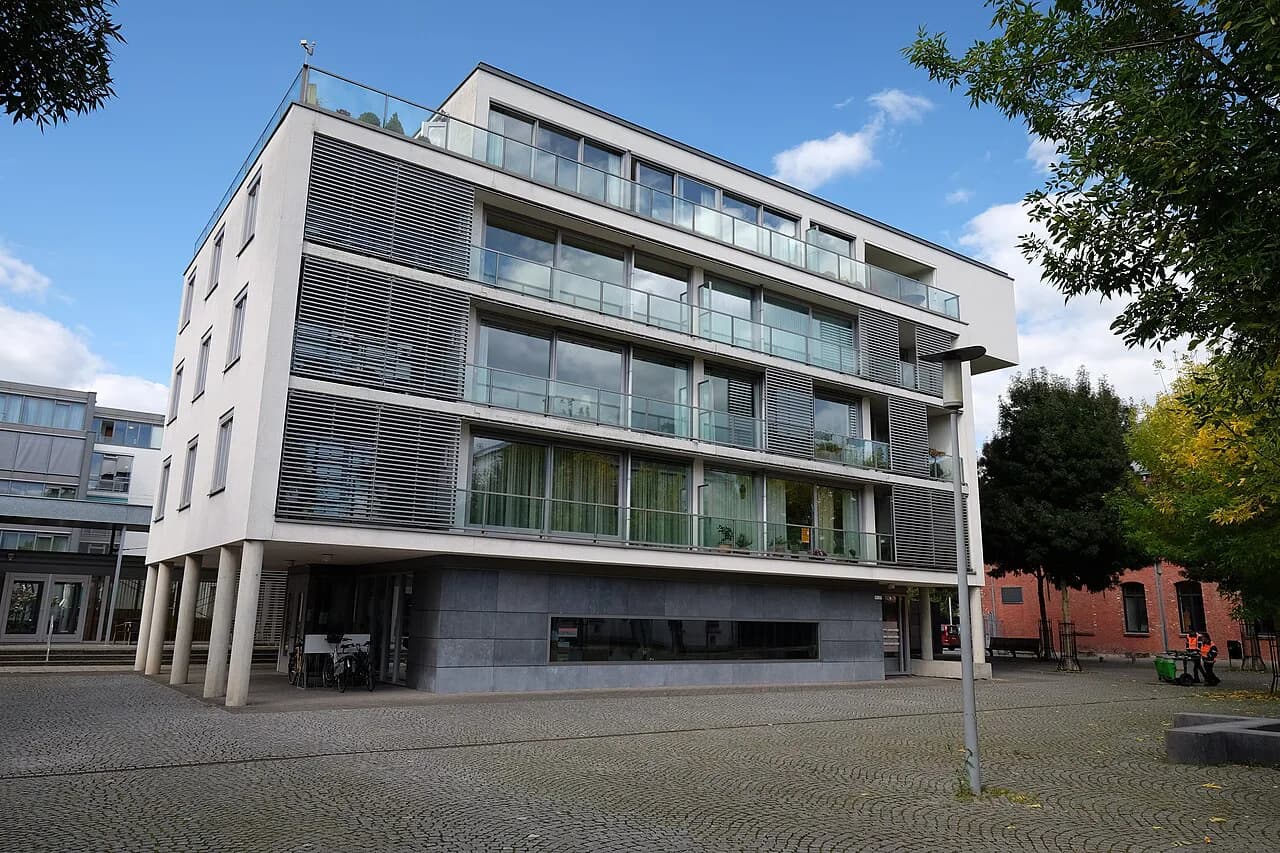
Kommelkwartier, Maastricht: what to see and where it sits

Kommelkwartier is worth an hour of your Maastricht trip if you like quiet streets, old monastic buildings and a bit of public sculpture, but it is not a district you build a day around. It slots easily into a walk through the historic centre, next to the Jekerkwartier. This guide covers which buildings and artworks to look for, who it suits and how to reach it on foot, and it sits alongside the other area guides in Maastricht Neighborhoods: 4 Area Guides.
Where Kommelkwartier sits in Maastricht
Kommelkwartier is a compact part of the historic centre, with the street pattern and landmarks short enough to walk on foot. Treat it as an add-on to a centre walk rather than a separate excursion.
Its public spaces are grouped tightly: the Kommel itself, Kruisherengang, Minderbroedersberg, Calvariestraat, Hertogsingel and Polvertorenplein. Walking between them takes minutes rather than hours, so a loose loop works better than a fixed itinerary. If you are already heading for the Jekerkwartier, the two quarters join naturally on foot.
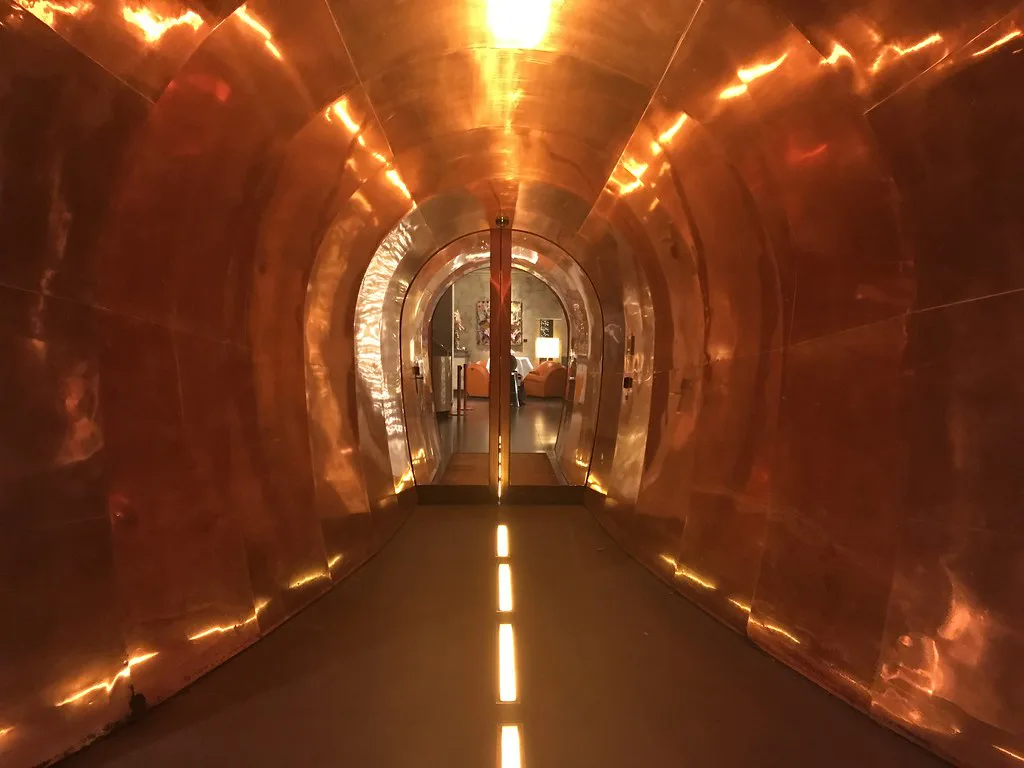
The Kruisherenhotel as your landmark
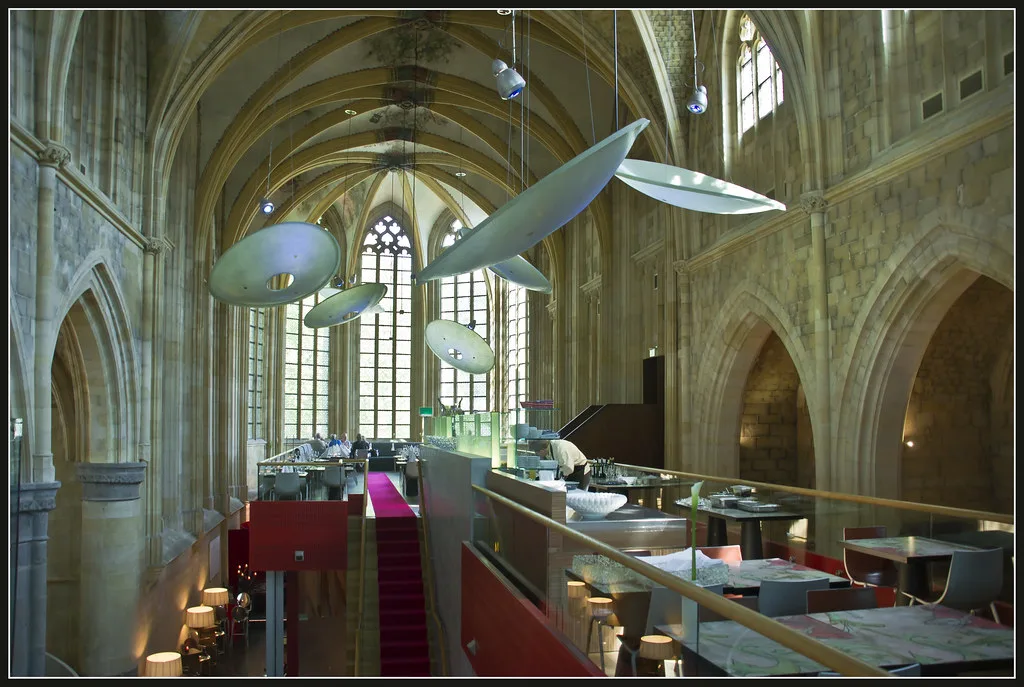
The building that gives the district its shape is the former Kruisherenklooster, now the Kruisherenhotel Maastricht, a Design Hotels member set in a Gothic monastery with a mezzanine-level restaurant in the central church hall. The monastery shell is still the defining feature of the building. Use it as your fixed point when you arrive from the centre; the streets around it make more sense once you have found it.
Treat the monastery as a landmark to look at from the street rather than a sight to enter. Admire the exterior, take in the scale of the former monastic complex, and carry on. The district's appeal is the ensemble of monastic and institutional buildings, not a single interior to queue for.
Other buildings worth a look
The district's historic fabric includes the Tweede Minderbroedersklooster, the Calvariënberg gasthuis complex and the Polvertoren, a surviving tower that gives Polvertorenplein and Polvertorenstraat their names. These are streetscape sights, seen from the outside as you walk past, rather than staffed museums with tickets and opening times. Build your loop around Calvariestraat, Minderbroedersberg and Polvertorenplein so you catch them in a sensible order.
Because most of the sights are best appreciated from the street, the district works as well on days when museums are shut as on days when they are open, and it works in the evening when you are simply walking back towards the centre. Read the street names on the corners as you go and the layout becomes clear quickly.
Art in the streets
Kommelkwartier holds a small collection of public artworks, among them a sculpture titled Verbondenheid, listed as one of the district's works. Others in the quarter include works honouring Victor de Stuers, Julius Solway, Ruys de Beerenbrouck and d'Artagnan, plus works titled Thanatos, Monnik and Mariabeeld. They are scattered along the streets rather than gathered in one place, so spotting them is a matter of walking slowly and looking up.
Treat the sculptures as texture rather than destinations. If public art is a real interest, give the district a little longer and walk its streets twice, once for the buildings and once for the pieces. Otherwise, notice what you pass and keep moving towards the centre.
Who the district suits and who it does not
Kommelkwartier suits travellers who have already seen the headline sights and want a quieter hour among old institutional buildings, and it suits anyone walking between the Vrijthof area and the Jekerkwartier. It is a residential and monastic quarter rather than a shopping district, so it will disappoint anyone hunting for a cluster of sights with tickets, queues and cafes on every corner. If your trip is one packed day, this is the part you can drop.
The district also suits travellers who prefer to move on foot without a map app, since the street pattern is legible and the landmarks are tall enough to orient by. Families and slower walkers will find it manageable because the distances are short. It is a walk-through quarter rather than a place to linger indoors.
Where to stay in and around Kommelkwartier
The Kruisherenhotel Maastricht occupies the former Kruisherenklooster, a Gothic monastery with a mezzanine-level restaurant in the central church hall, and is the building most visitors use to orient themselves in the quarter.
Kommelkwartier is a residential and monastic quarter with the monastery as its one obvious landmark, so most beds within easy walking distance sit in the adjoining centre quarters rather than in the district itself. Wyck, Maastricht puts you on the station side of the city, which helps on arrival and departure days.
Getting there and walking the quarter
There is no need for transport inside Kommelkwartier. Walk into the centre's monastery-and-tower streets and you are in the district within minutes, with the monastery as your marker. A simple loop taking in Kommel, Kruisherengang, Minderbroedersberg, Calvariestraat and Polvertorenplein covers the essential streets without doubling back.
Pair the district with the Jekerkwartier to the south-east, where the Jeker river, the Helpoort and the Bisschopsmolen give you a fuller half-day on foot. A route that starts at the Vrijthof, dips into Kommelkwartier, then follows the Jeker south-east makes a coherent walk without any transport at all; Jekerkwartier, Maastricht covers that quarter in full.
How long to give it
Allow about an hour for Kommelkwartier on foot, including a stop to look at the monastery exterior and a slow pass along Calvariestraat. Add the Jekerkwartier and you have a comfortable half-day that leaves the rest of the centre for museums on another morning. On a one-day trip, treat the district as a through-route between the Vrijthof and the Jeker rather than a stop in its own right.
The quarter also works as an evening wander, when the streets are quieter and the public art and facades are easier to look at without crowds.
Should Kommelkwartier be on your Maastricht route?
Yes, if you are already walking the centre and have an hour to spare, but not as a standalone destination. The monastery, the gasthuis complex, the Polvertoren and the street sculptures make a quiet, legible quarter that pairs neatly with the Jekerkwartier. Skip it if your time in Maastricht is tight and you have not yet seen the Vrijthof or the riverfront.
Explore more Maastricht guides
Frequently Asked Questions
Is Kommelkwartier worth visiting in Maastricht?
It is worth an hour if you enjoy quiet streets, old monastic buildings and public sculpture, and it fits naturally into a walk through the historic centre. It has no ticketed attraction cluster, so travellers with only one packed day should prioritise the centre's headline sights instead.
How far is Kommelkwartier from the Vrijthof?
It sits within the historic centre, a short walk from the Vrijthof and the surrounding centre streets, with no transport needed.
Which hotel is in Kommelkwartier?
The Kruisherenhotel Maastricht, in the former Kruisherenklooster, occupies the district's Gothic monastery. A booking page tagged to the district also lists properties in neighbouring and cross-border places such as Riemst, Rekem, Eijsden and Bassenge, so check each address on a map before booking.