Maastricht Itinerary: A 2–3 Day Plan by Area and Opening Days
A practical Maastricht itinerary for two or three days, grouped by district, with the Vrijthof, Wyck, Céramique and Jekerkwartier, plus opening-day timing.
On this page
Two days are enough for Maastricht's medieval centre and Wyck, and a third day earns its place with Céramique, the Sphinx Quarter and the Jekerkwartier. Plan each day around one part of the city rather than criss-crossing the bridges, and check museum opening days before you fix the order.
Maastricht spreads across eight districts — City centre, Wyck, Stokstraat Quarter, Jekerkwartier, Sphinx Quarter, Céramique, Statenkwartier and St Peter's — and the compact core is walkable from the station, with bicycles convenient and free to park. That layout is the spine of the plan below: sights, a museum stop, meal breaks and evening ideas, grouped so you spend your time looking rather than walking back.
How many days Maastricht needs
Give the centre and Wyck two full days. The Vrijthof, the basilicas, the Stokstraat Quarter and the riverfront sit within a short walk of each other, and rushing them into one day leaves no room for a museum. A third day is what lets you cross to Céramique and the Sphinx Quarter and walk the Jekerkwartier and city walls without watching the clock. The Weekend in Maastricht guide covers the same ground for a shorter stay.
If you only have 24 hours, pick the Vrijthof cluster and Wyck and accept that Céramique waits for next time; the One Day in Maastricht plan does exactly that trade. With a weekend, run Day 1 and Day 2 below and keep Day 3 as a flexible extra for whichever half of the city you liked best.
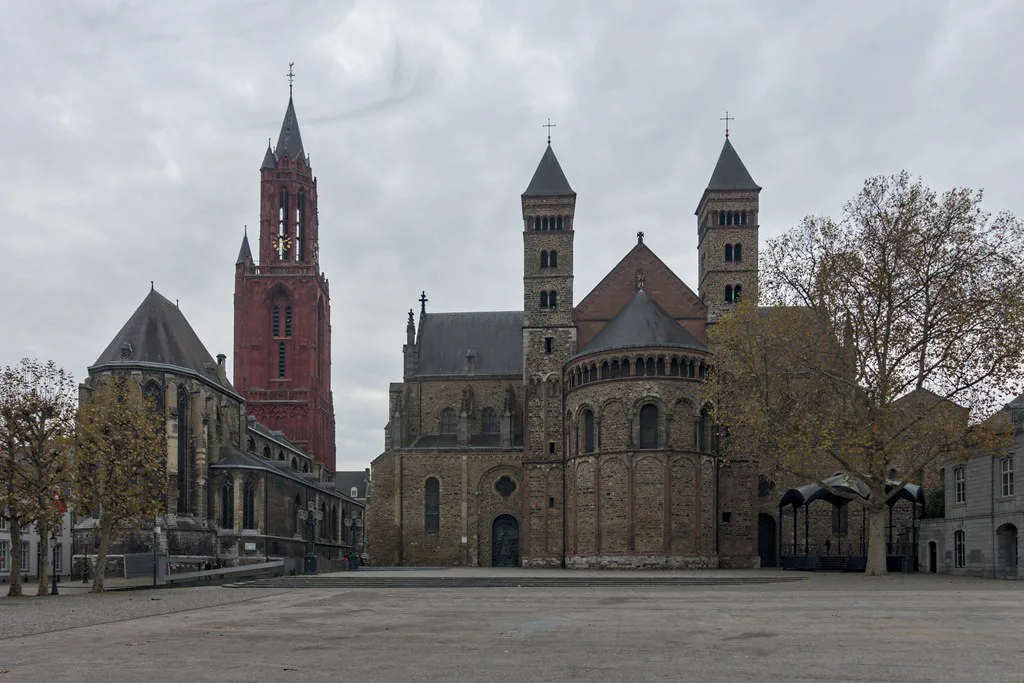
How Maastricht is laid out
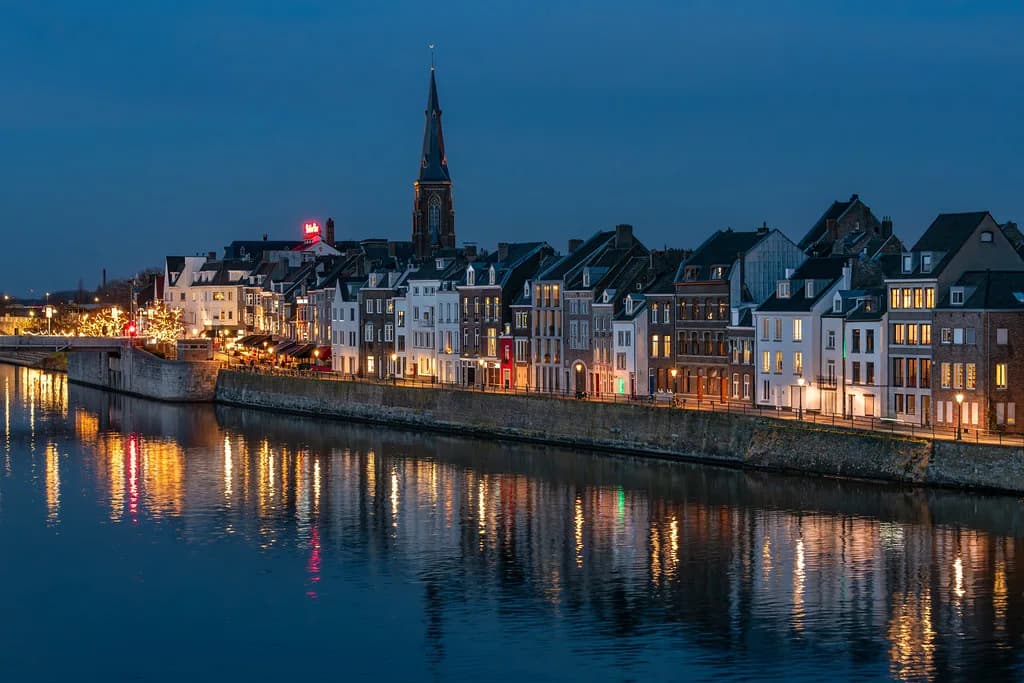
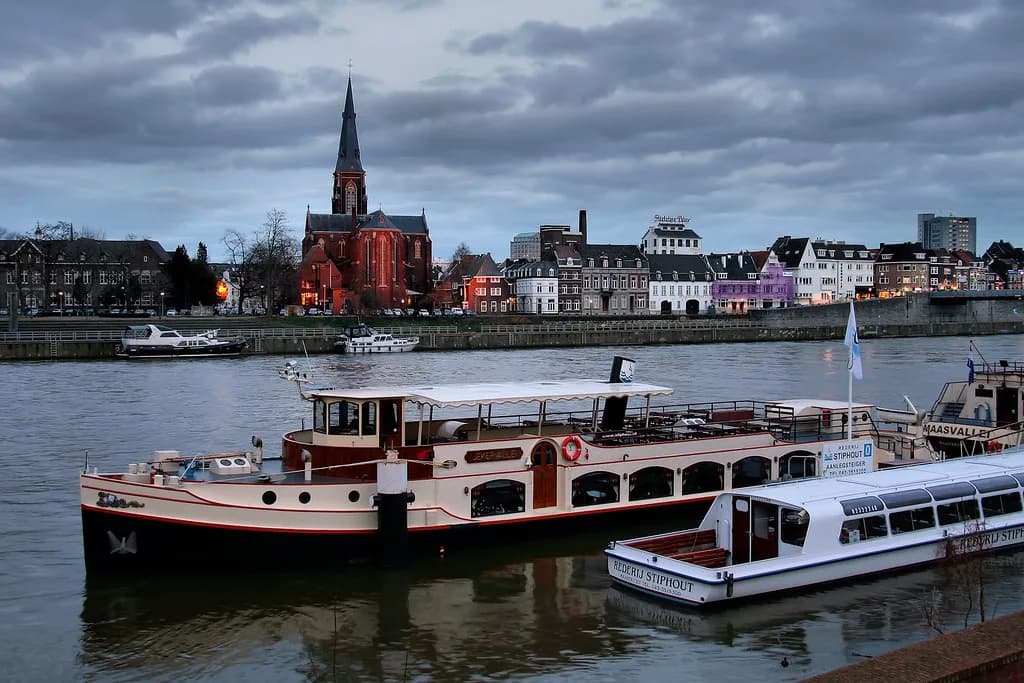
The Maas splits Maastricht in two, and the Sint Servaasbrug carries you between the historic centre and Wyck. The City centre, Stokstraat Quarter and Jekerkwartier cluster around the Vrijthof on the west bank; Wyck, Céramique, the Sphinx Quarter and Statenkwartier lie east of the river. Wyck is closest to the centre, with Céramique and the Sphinx Quarter as the modern quarters beside it on the station side.
Treat the river as a boundary, not an obstacle: group a morning and an afternoon on the same bank, then cross once in the evening. The station sits on the Wyck side, so arrival day naturally starts east and ends west if you walk into the centre over the bridge.
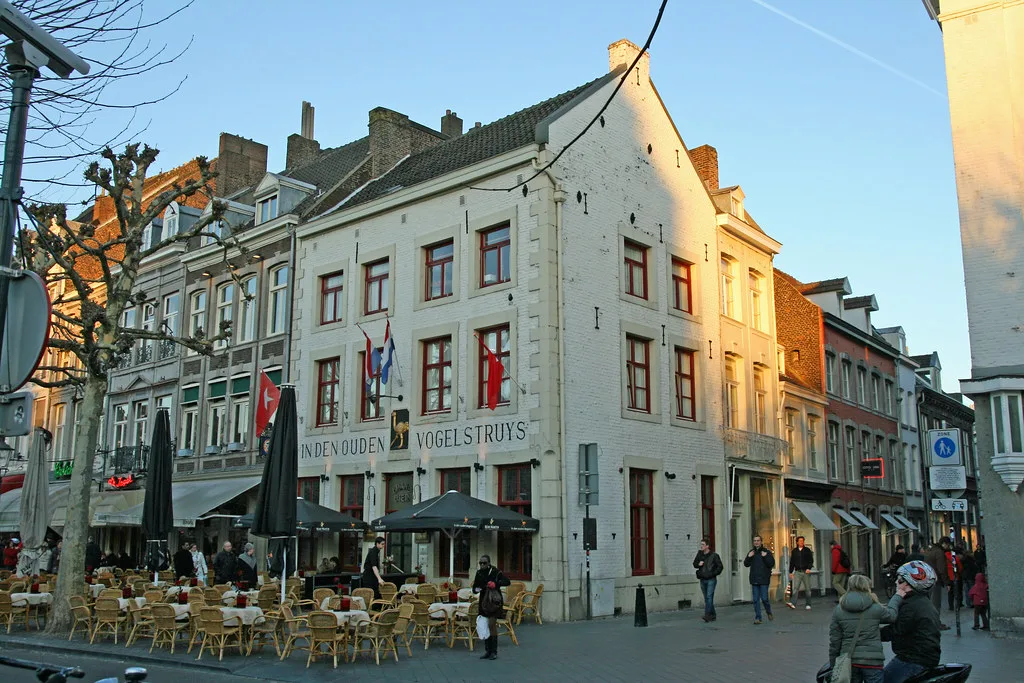
Day 1 morning: Vrijthof and Sint Servaasbasiliek
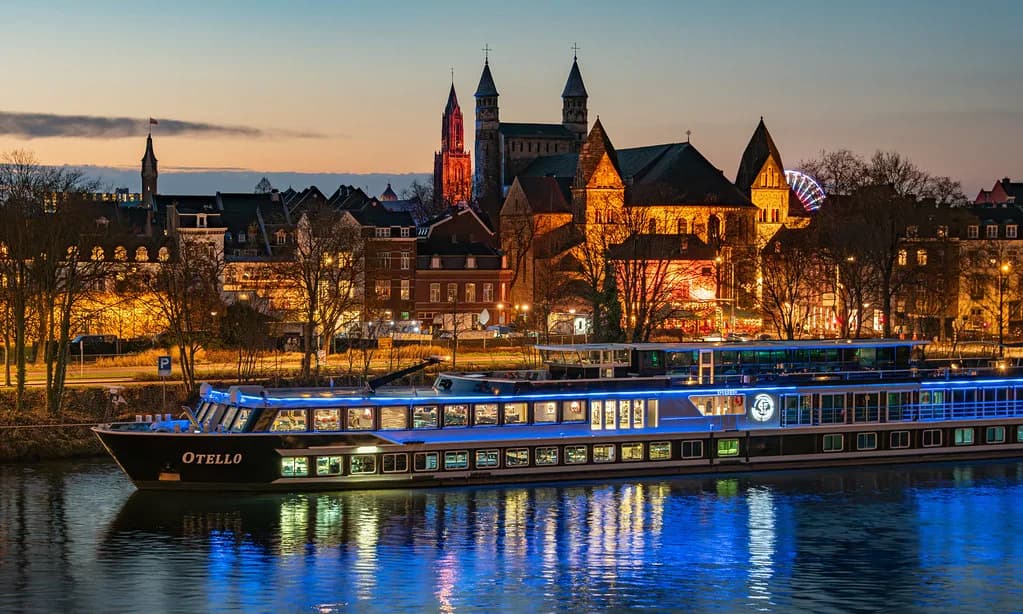
Start on the Vrijthof, the city's main square, with the Sint Servaasbasiliek on its edge and the Fotomuseum aan het Vrijthof also on the square. The Fotomuseum's Eve Arnold exhibition, All about Eve, runs until 31 January 2027, so it is a realistic morning stop for anyone visiting in the coming months. Confirm the museum's current opening days and ticket prices before you build the morning around it.
Allow the square itself time: cafe terraces face the basilica, and the Vrijthof is where the city's events calendar concentrates. If the museum needs a timed slot, book it for late morning and use the earlier slot for the square and the church exterior.
Day 1 afternoon: Stokstraat Quarter and the Bisschopsmolen
Walk south from the Vrijthof into the Stokstraat Quarter, one of the city's eight districts and its smartest shopping streets, then continue on to the Bisschopsmolen, the old watermill bakery on Stenenbrug. The Bisschopsmolen is the place to try vlaai, the Limburg flan, and it is also a working mill worth a look inside.
Small businesses vary, and the Bisschopsmolen is a bakery with its own hours, so check its current opening days and times before planning around it, and route a Monday elsewhere if it is on your list. Pair the quarter with the Jekerkwartier's small streets if you still have energy in the afternoon; both are compact and sit inside the same loop.
Day 1 evening: Vrijthof or the Wyck side
Eat on the Vrijthof if you want the square's terraces and the basilica lit up, or cross the Sint Servaasbrug into Wyck for a quieter side of the river and a short walk back along the Maas. Either way the evening is a ten-minute walk from the other, which is the argument for keeping Day 1 on the centre side and crossing once, late.
Finishing with a riverside walk toward the bridge gives you a classic Maastricht view without needing transport. It also positions you to start Day 2 on the Wyck side without recrossing the river in the morning.
Day 2: Wyck, the Dinghuis and the shopping streets
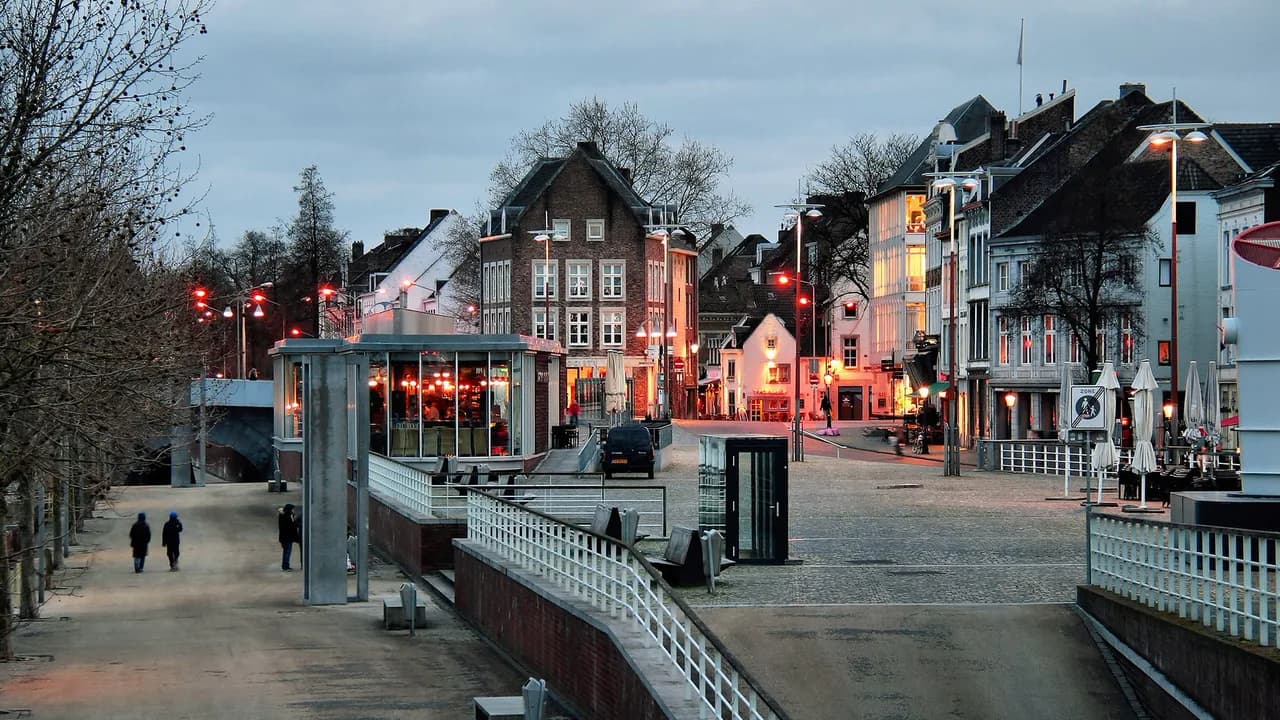
Begin in Wyck, the station-side district, and walk its streets toward the river. The Maastricht Store in the Dinghuis (Kleine Staat 1) is the visitor point for walking and cycling routes, local souvenirs and tips, and its position on the City centre side of the bridge makes it a natural pivot between the two districts.
Spend the middle of the day on the shopping streets the city promotes as among the most elegant in the Netherlands, then take a late lunch before the museum slot. Keep the route loose: Wyck to Dinghuis is a short walk over the bridge, and the shopping streets flow back toward the Vrijthof.
Day 2 museum slot: temporary shows and opening days
Use the afternoon for a temporary exhibition rather than a second big museum, checking each venue's own opening days before you commit, since Maastricht's museums set their own schedules. The Cold War exhibition, subtitled We thought it was over, uses stories of shelters, military service and protest to show how the conflict shaped daily life in Maastricht; it is listed for dated slots in October, so treat such shows as date-bound and check the calendar before you travel. Build the day so the museum sits in the afternoon and a walkable district fills the morning, so a closure costs you a swap rather than the day.
Check each venue's own opening days when you shortlist, and book any timed slot for the day you want rather than assuming a walk-up entry. A museum closure or a sold-out show then costs you a swap rather than the whole day.
Day 2 evening: terraces and the river walk
End the day with a terrace on the Vrijthof, then walk the Maas path to the Sint Servaasbrug as the light goes. It is the simplest good evening in the city, and it keeps you close to both banks if you want a change of scene after dinner.
In autumn the city's own events calendar fills with concerts, guided walks and exhibitions, so check it before you settle on an evening. Some of these need booking, and a timed concert can reshape the whole day's order.
Day 3 option A: Céramique and the Sphinx Quarter
Cross to the east bank for Céramique, the modern quarter with contemporary architecture and wide public space, and the Sphinx Quarter beside it. This is the Maastricht that one-day plans skip: a very different scale from the medieval centre, all reachable on foot from Wyck.
Give the morning to Céramique, take lunch in Wyck, and use the afternoon for whatever you missed on the west bank. If contemporary architecture is not your priority, swap this day for option B and walk the Jekerkwartier instead.
Day 3 option B: Jekerkwartier and the city walls
The Jekerkwartier is the small-scale quarter along the Jeker, with the city walls and the old fortifications within easy walking distance. Walk it slowly in the morning, then follow the wall line out of the centre for a view back over the rooftops.
If you would rather cycle, the Maastricht Store keeps walking and cycling routes, and the city notes that bicycles are convenient and free to park. Ask there for a route that matches your remaining time rather than committing to a long ride before you know the distances.
Rain plan and Monday plan
On a wet day, move the museum to the morning and keep the afternoon short: the Fotomuseum aan het Vrijthof and any temporary shows give you a dry two-hour block in the centre. A planning app can help you reorder a day on the move; mapNGo lists the Vrijthof, Bisschopsmolen and Basilica of Saint Servatius among its Maastricht activities and lets you shuffle the order. The Visit Maastricht events calendar is the place to check what is on in your window.
Monday is the day to plan around rather than improvise. Small businesses can close for the day — check the Bisschopsmolen's own hours before relying on it — so put museums and walking first and leave the shopping streets for later in the week.
Walking versus cycling
Maastricht's centre is compact and everything is within walking distance from the station, so a bike is a convenience rather than a necessity for Days 1 and 2. Walking also suits the Vrijthof, Stokstraat Quarter and Jekerkwartier, where the pleasure is in the small streets and alleys.
For a third day or a longer stay, cycling opens up the districts beyond the centre and the countryside at the edge of the city. Bicycles are free to park, which makes them easy to combine with a walking morning; plan the bike for the afternoon rather than the whole day.
When to go
Spring and early autumn suit a walking city break, with mild days on foot. High summer brings the fullest events calendar and the busiest squares, while late autumn and winter shift the city indoors toward concerts, exhibitions and guided walks.
If your trip depends on a particular exhibition or concert, let the date choose the season rather than the other way round. The city's events calendar is the reliable place to check what falls inside your window.
Tickets, timed entry and payment
Prices vary by venue and by exhibition, so budget from the individual museum's own ticket page rather than a single city figure. Where a show is popular, expect timed entry and book a slot for the day you want; the museum's booking page confirms whether advance tickets are required.
The Maastricht Store in the Dinghuis is the practical stop for routes and local information, and it also sells souvenirs and gifts. Confirm cash and card acceptance with each venue before you rely on one method.
Where a fourth day goes
With a fourth day, use Maastricht as a base and take one day outside the city, keeping the other three for the districts above. That structure gives you the medieval centre, Wyck and Céramique without compressing anything.
If you are comparing Dutch city breaks, a Den Bosch itinerary gives you a compact historic centre to set against Maastricht's river setting, and a Groningen itinerary offers a northern contrast. Both are worth a look if you are weighing up where to go next.
Getting in and getting around
Maastricht's station is on the Wyck side, which makes the first walk into the city a crossing of the river toward the centre. From there, the Vrijthof, the shopping streets and the Sint Servaasbrug are all on foot, so you can leave the car at a P&R and forget it.
Plan arrival for the late morning and use the first afternoon for Wyck rather than doubling back later. That single decision saves you a river crossing and sets up the rest of the itinerary.
Which Maastricht plan suits your dates
Choose two days if you want the Vrijthof, the Sint Servaasbasiliek, the Stokstraat Quarter and Wyck at an unhurried pace. Add the third day for Céramique and the Sphinx Quarter or the Jekerkwartier and walls depending on whether modern architecture or small streets appeal more, and keep Monday light on plans.
Before you lock the order, check the Fotomuseum aan het Vrijthof and any temporary exhibition for current dates, and confirm the Bisschopsmolen's hours if the mill is on your list. Everything else in this plan works on foot, which is the best way to see Maastricht anyway.
Explore more Maastricht guides
Frequently Asked Questions
Can you do Maastricht in one day?
Yes, but you will see the Vrijthof, the basilicas and Wyck and skip Céramique and the Jekerkwartier. Group the day on the centre side and cross to Wyck once in the late afternoon; the One Day in Maastricht plan makes the same trade.
Is Maastricht walkable?
Yes. The compact centre is within walking distance from the station, and the Vrijthof, Stokstraat Quarter and riverfront sit close together. Use a bike only for the outer districts or a longer ride.
What should I do in Maastricht on a Monday?
Keep the plan flexible and confirm hours with each venue. Some bakeries and small shops have their own closing days, so put museums and walking first and leave shopping for later in the week.
Sources
Notes for your next Dutch city break
Optional updates to our Netherlands guides.
You might also like
Continue reading
More guides you'll find useful