A Weekend in Maastricht: Two-Day Plan for a City Break
A two-day Maastricht plan built around the Vrijthof, the Meuse quays and the cobbled centre, with walking times and honest advice on what to skip in 48 hours.
On this page
Two days is the right length for a first weekend in Maastricht. The historic centre is compact and walkable, so a Saturday and a Sunday take in the Markt, the Vrijthof, the Sint Servaasbrug and the Meuse quays without rushing. This plan sets out a walking route for each day, then covers the Sunday and Monday question, the guided walk versus the caves, and the train times that turn your first and last day into half-days. The Maastricht Itinerary guide gives the wider multi-day picture if you are still deciding how long to stay.
What two days in Maastricht covers, and what it does not
A weekend gets you the medieval core: the Markt with City Hall, the Dinghuis, the Sint Servaasbrug over the Meuse, the Basilica of Our Lady, the Bisschopsmolen and the Vrijthof. Add the walk out to Fort Sint Pieter and you have used both days well. What it does not comfortably fit is a long museum morning plus a cave tour plus the city walls, so decide early which of those you care about most.
Maastricht rewards slow walking rather than box-ticking. The centre is a knot of cobbled streets and small squares, and the pleasure is in moving between them on foot. Plan two or three anchor sights per half-day and let the streets between them do the rest. If you are wondering whether the city justifies the journey at all, ask yourself whether is Maastricht worth visiting for a historic centre that feels closer to Belgium than to the Randstad; that is the honest case for going.
How Maastricht is laid out
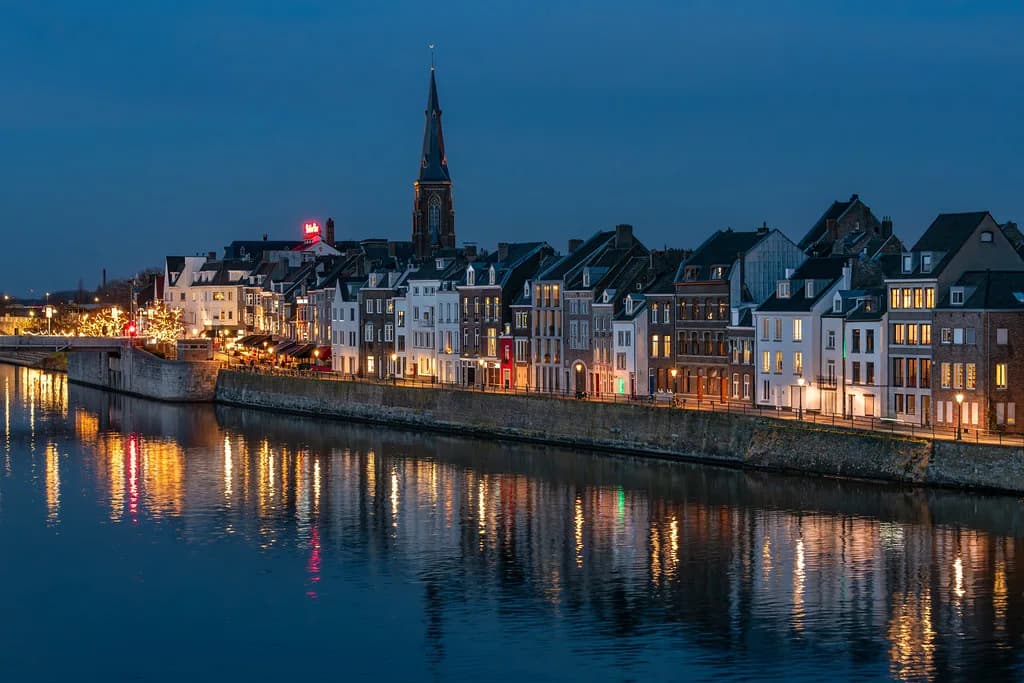
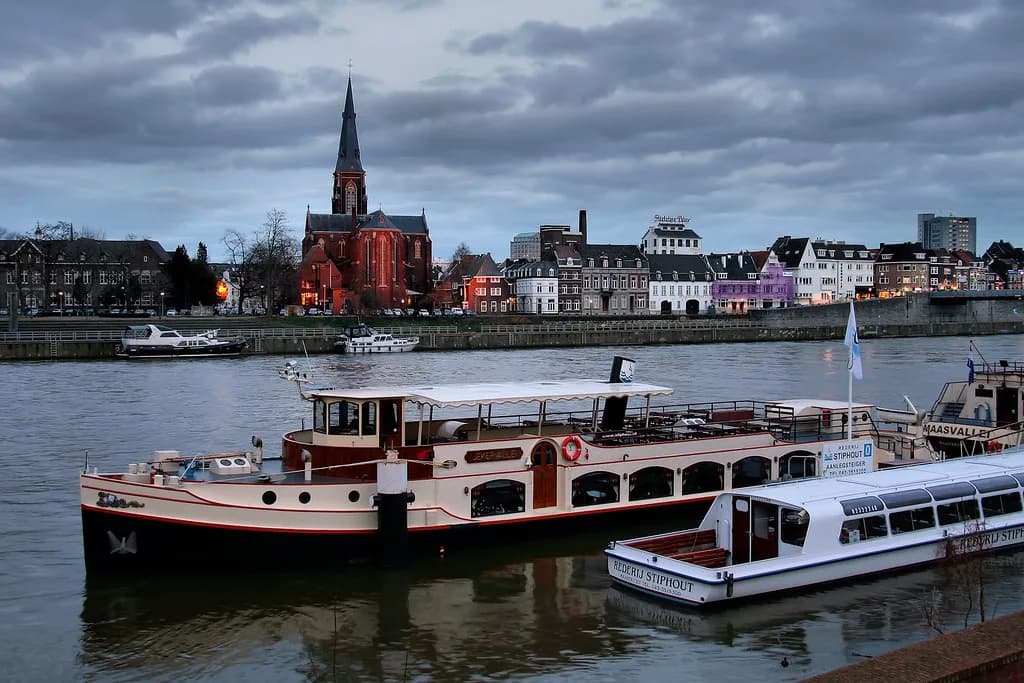
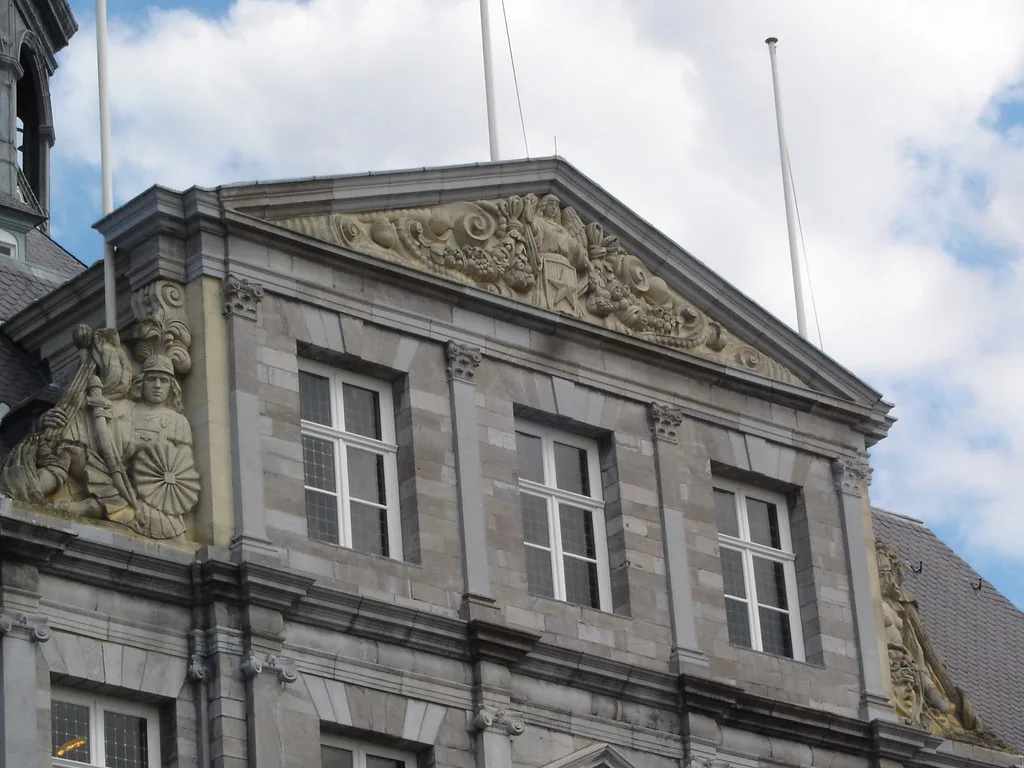
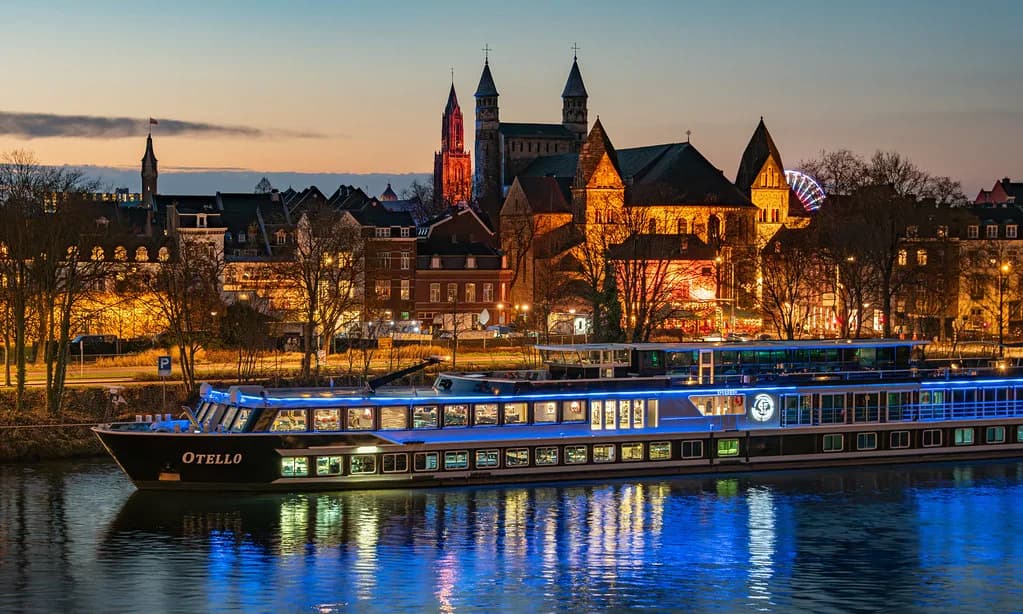
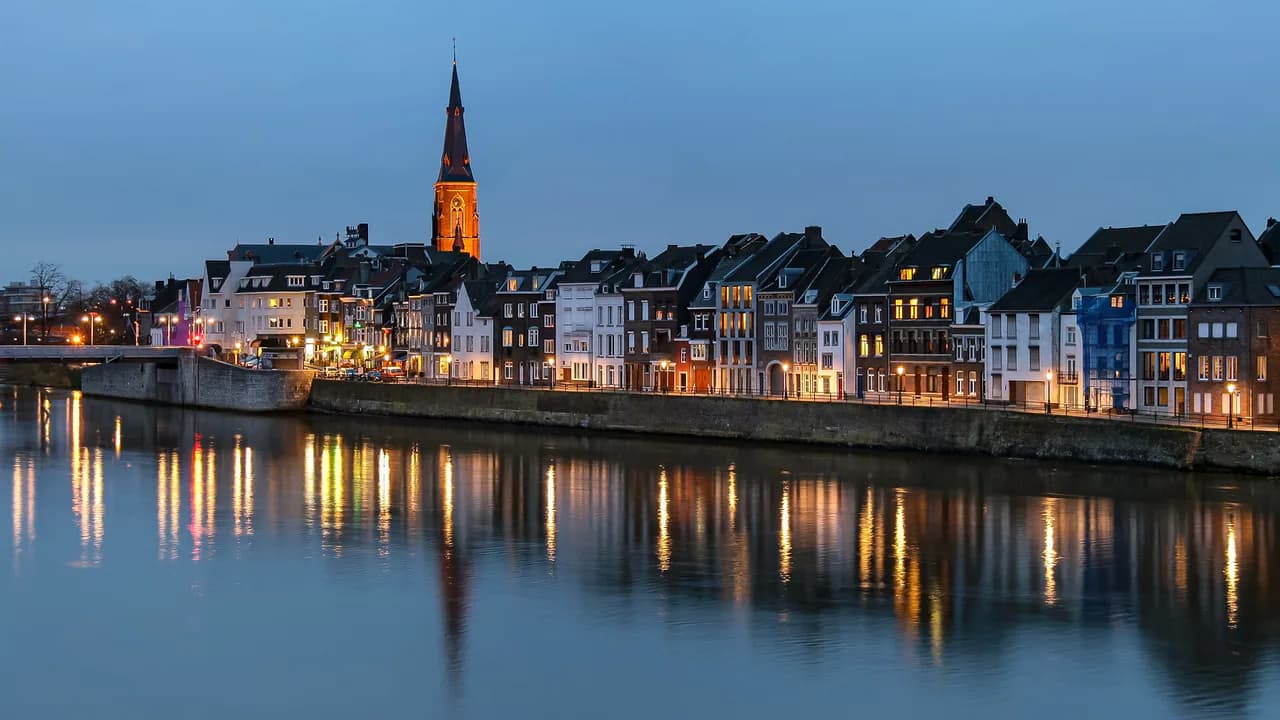
The river Meuse runs along the east side of the centre, crossed by the Sint Servaasbrug, the stone bridge that gives the best view back over the quays. West of the bridge, the streets climb gently to the Markt, where City Hall (Stadhuis) faces the square, and on to the Vrijthof, the large square that anchors the southern half of the centre. Everything in this plan sits within a walkable radius of those two squares, which is why two days works.
The Dinghuis, the Gothic building with the tall clock tower, sits a few minutes from City Hall and now houses the city's visitor centre, which makes it a sensible first stop for a map. From the Dinghuis it is a short walk down to the Sint Servaasbrug and the river. Use the bridge as your orientation point: cross it for the quay view, then come back and work south towards the Vrijthof.
Day one morning: City Hall, the Dinghuis and the bridge
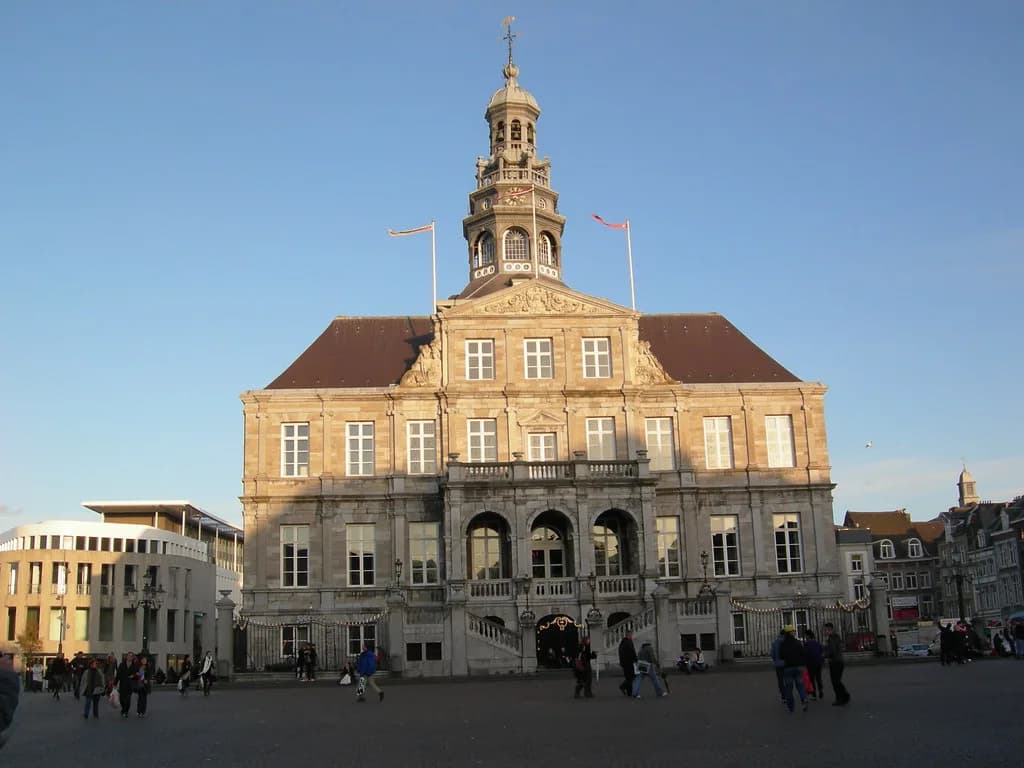
Start on the Markt at City Hall, designed by Pieter Post, the architect behind the Royal Palace of Amsterdam. The building is impressive from the square, and it can be seen from the inside on a tour. From there, walk three minutes to the Dinghuis, the late fifteenth-century building with the grand clock whose tower once served as a lookout.
Then head for the Sint Servaasbrug and cross it for the view of the quays. The round trip on foot is short enough to fold into a morning. If you only have a single day to spare, this morning route is the core of any One Day in Maastricht plan, and the rest of the centre can wait.
Day one afternoon: the basilica, the Bisschopsmolen and a vlaai
Walk back into the centre to the Basilica of Our Lady, the eleventh-century Roman Catholic church also called the Star of the Sea, which holds a treasure room of religious objects and statues. One minute away is the Bisschopsmolen, a water mill in use since the eleventh century that still mills flour for bread. This is where you stop for a slice of Limburgse vlaai, the regional tart with a crunchy top and a sweet filling, in apple, cherry or pudding flavours.
Treat the mill as a stop on the route rather than a separate excursion, and you keep the afternoon intact. The Basilica of Saint Servatius, the other great church of the centre, sits near the Vrijthof and slots naturally into the end of this walk; the churches in Maastricht guide covers it if you want to linger.
Day two morning: Fort Sint Pieter and the city wall
Give the second morning to the south of the city, where Fort Sint Pieter and the old city wall sit above the river. It is a walk out from the centre rather than an inner-city sight, so leave yourself time and treat the wall path as the point of the morning as much as the fort itself. The views back over the city are the reward for the climb.
Day two afternoon: a park picnic or the centre shops
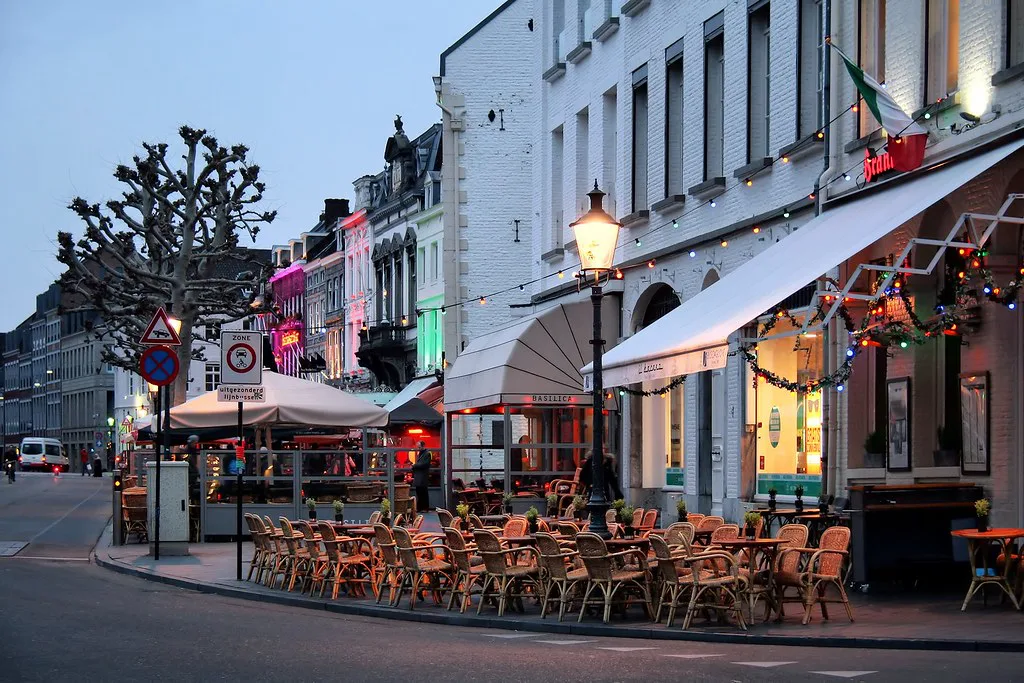
The shape of your second afternoon depends on the day of the week you are in Maastricht. On a quieter day, a picnic in a city park is one way to break up the walking. Otherwise, browse the streets around the Markt and the cobbled centre, which is where the city's shops are concentrated.
If you would rather shop than rummage through a market, browse the streets around the Markt and the cobbled centre, which is where the city's shops are concentrated. It makes a gentle way to round off the second day before your train home.
Sunday and Monday in Maastricht
The weekend shapes which day gets the museums, and the two are not interchangeable. Build your Sunday around sights that exist outdoors at any hour, such as the bridge, the quays, the squares and the wall walk. A guided city highlights tour, for instance, runs to a set two-hour duration as a bookable experience rather than depending on a building's opening hours. For a Sunday option that is not a museum, a weekend vintage market has been described on Bochstraat, running from 10:00 to 17:00 on Saturdays and Sundays; treat those days and hours as historical and confirm them before you build the afternoon around it. It is a treasure-hunt sort of market rather than a curated one, so allow a proper hour there if you like rummaging.
Guided walks are a booking-friendly option, since they run to a set slot rather than a building's opening hours. Museums and churches keep their own days and times, so check the venue's own page before you commit a morning to one.
Guided walk or caves: pick one
Two bookable experiences compete for the same afternoon slot. A two-hour highlights tour with a local guide covers the centre on foot and gives you the history behind the streets you have already walked. The Zonneberg Caves guided tour runs for one hour and ten minutes underground, which is a different kind of morning entirely.
The trade-off is straightforward. A walking tour layers context onto the centre you are already exploring, so it fits neatly into a two-day trip. The caves take you out of the city and under the ground, which is memorable but eats the time you would otherwise spend on the Markt and the Vrijthof. Bookable tours such as the highlights walk and the Zonneberg Caves are priced per adult, so confirm the current cost when you book.
Getting there by train, and what it does to your days
From Amsterdam Centraal, the train to Maastricht takes about two and a half hours, which makes your first day a half-day at best. From Brussels it is roughly two hours, and from Antwerp about three. Plan on arriving in the early afternoon, dropping your bags and doing the Markt and bridge route on day one rather than attempting the full programme.
The same logic applies on the way home. Book an evening train back and you keep a full second day; take a morning one and you lose the Fort Sint Pieter walk. Arriving from the UK, the flight and rail options deserve their own planning, so sort your transport before you fix the days around it.
What to skip when you only have 48 hours
Skip the idea of doing everything bookable. Two days cannot absorb a long museum morning, a cave tour and a guided walk without turning the weekend into a schedule. Pick the caves or the guide, not both, and let the rest of the time go on walking the centre. If you want to know what a third day would add, the guide to how many days in Maastricht is the place to start.
Also skip any attempt to see the region beyond the city. Valkenburg and the surrounding Limburg countryside are a separate trip, and squeezing them in costs you the centre. Budget is the other common worry: check ticket prices and the cost of train travel before deciding where to spend and where to walk instead, and see the guide to whether Maastricht is expensive for the wider cost picture.
Caves or guided walk?
If you take the caves, slot them into whichever half-day suits your booking, and keep your other day for the bridge, the quays and the centre. If you would rather stay above ground, take the two-hour highlights walk instead and spend the saved time on the Vrijthof and the Bisschopsmolen. Either way, the plan holds: one day in the centre, one day partly out at the fort and the wall, and a train booked late enough to let the last morning count.
Explore more Maastricht guides
Frequently Asked Questions
Is two days enough for Maastricht?
Yes. The historic centre is compact, and two days covers the Markt, the Dinghuis, the Sint Servaasbrug, the Meuse quays, the Basilica of Our Lady, the Bisschopsmolen and the Vrijthof, plus a morning out at Fort Sint Pieter. What you will not fit is a long museum visit, a guided walk and a cave tour all in the same weekend.
What is open on a Sunday in Maastricht?
The outdoor sights — the squares, the bridge, the quays and the city wall — need no ticket and no opening time. For individual markets, museums and churches, check the venue's own page for Sunday hours before you build the day around one.
How do I get to Maastricht from Amsterdam or Brussels?
By train. Amsterdam Centraal to Maastricht takes about two and a half hours, Brussels about two hours, and Antwerp around three. That makes arrival day a half-day, so plan the Markt and bridge route for the afternoon rather than a full programme.
Sources
Notes for your next Dutch city break
Optional updates to our Netherlands guides.
You might also like
Continue reading
More guides you'll find useful