How Many Days in Maastricht? 1, 2 or 3 Days Compared
One day covers the Markt, Vrijthof and Sint Servaasbrug; two days add Wyck. Here is what one, two and three days in Maastricht actually cover on foot.
On this page
Two days is enough for most visitors to Maastricht. That gives you a full day around the Markt, Vrijthof and the Sint Servaasbrug, plus a second morning and afternoon in the station-side Wyck quarter and the streets in between, without rushing. One day works as a taster, and three days only pays off if you want to slow right down rather than tick off more sights.
This guide sets out what each day covers, how the two main squares and the river crossing shape the plan, and when staying longer is worth the extra night. It sticks to the compact centre, because that is where nearly all of the sightseeing sits.
How many days in Maastricht is enough: the short answer for one, two and three days
Pick two days. The centre is small enough that a single day gets you across the river, through the Markt and onto Vrijthof, but you will be moving briskly and skipping the side streets that make the city pleasant. A second day lets you spread the same ground over a gentler pace and adds the Wyck quarter, which most one-day visitors miss entirely.
One day suits a stop on a longer Dutch trip or a day trip from elsewhere in Limburg. Three days suits travellers who want long lunches, an unhurried look at the churches and squares, and time to sit by the Maas rather than photograph it and move on. If you are weighing up a two-night stay, our guide to a weekend in Maastricht maps the same ground across a Saturday and Sunday.
The honest trade-off is that Maastricht rewards wandering more than it rewards a checklist. Adding a third day does not unlock a new district of major sights, so if your holiday time is short, spend the extra day in another Dutch city instead and give Maastricht a solid two.
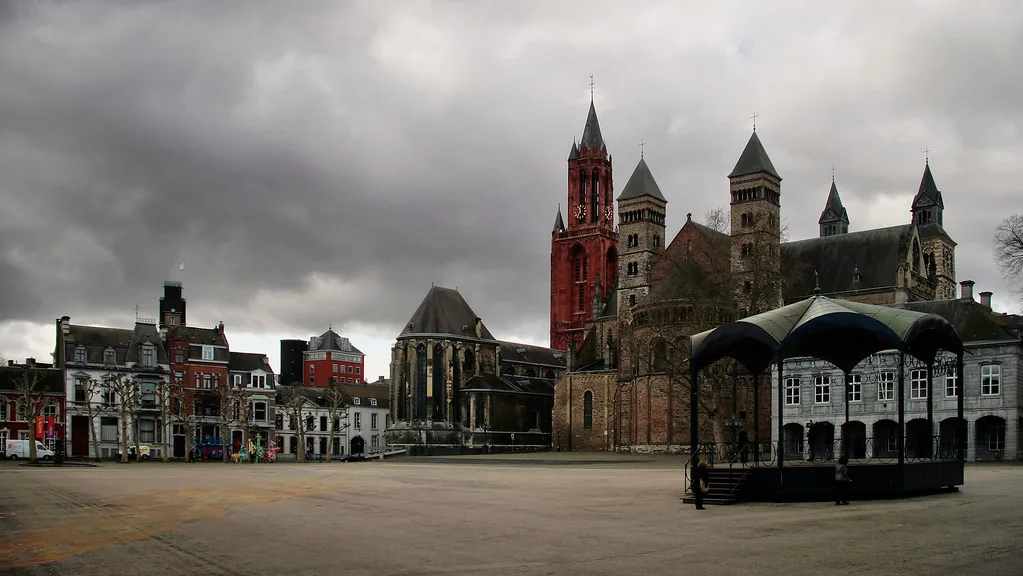
What one day in Maastricht covers: the Markt, Vrijthof and the Sint Servaasbrug
Start at the station and walk down Stationstraat; within about ten minutes you reach the Sint Servaasbrug, the 13th-century pedestrian bridge over the Maas and the oldest of its kind in the Netherlands. Cross it for the sweeping river views, then carry on into the centre, where the shops, bakeries and cafés begin almost immediately.
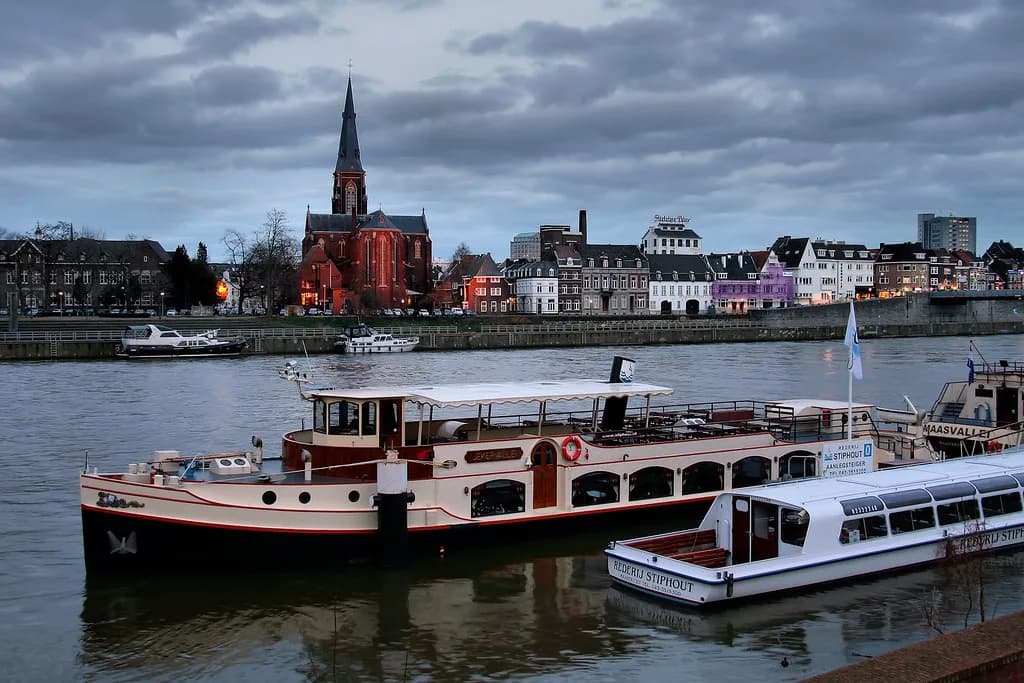
The Markt is the first of the two great squares, dominated by the 17th-century Stadhuis van Maastricht, the dark stone town hall at its centre. From there it is a short walk to Vrijthof, the second square and the city's social heart, framed by the Basilica of Saint Servatius and the red tower of Sint Janskerk. A full day of this, plus a wander through the lanes between the two squares, is a satisfying introduction.
If you only have a single day, our one day in Maastricht plan sequences these stops so you are not zig-zagging. The Stokstraat quarter, a short detour off the Markt, is the prettiest stretch of shopping street in the centre and easy to fold into the same loop.
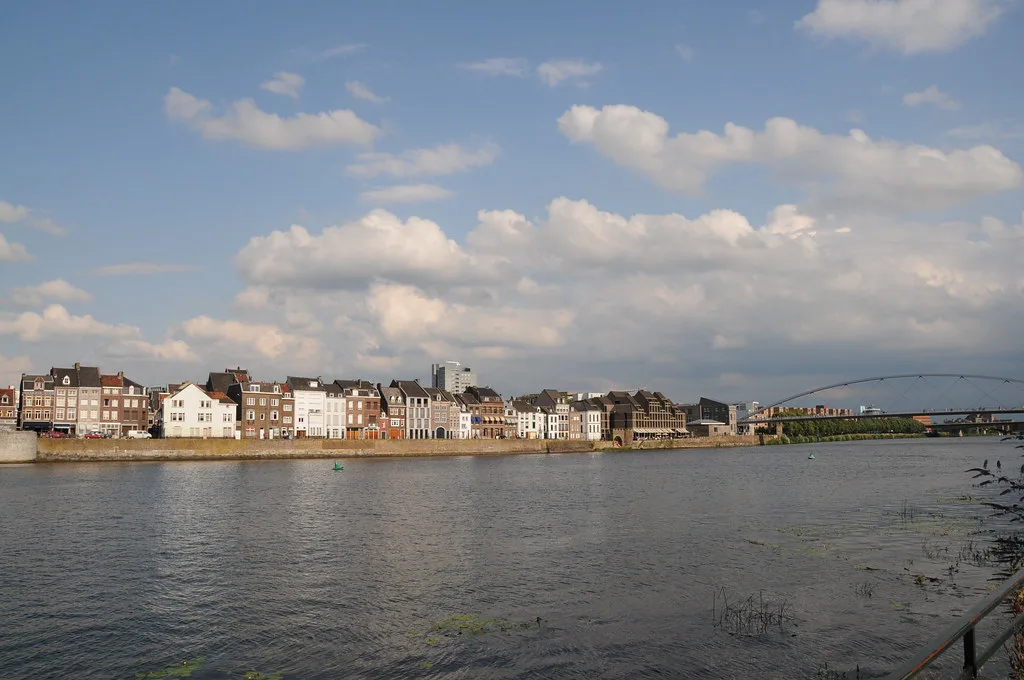
Two days in Maastricht: what the extra day adds, including Wyck and the Dominicanen bookshop
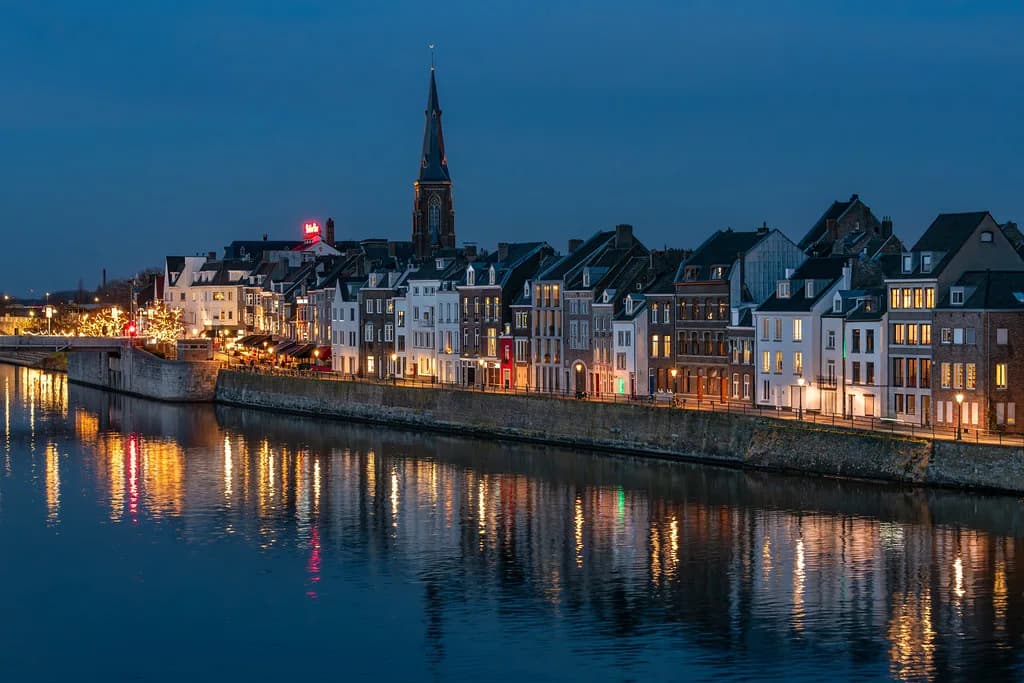
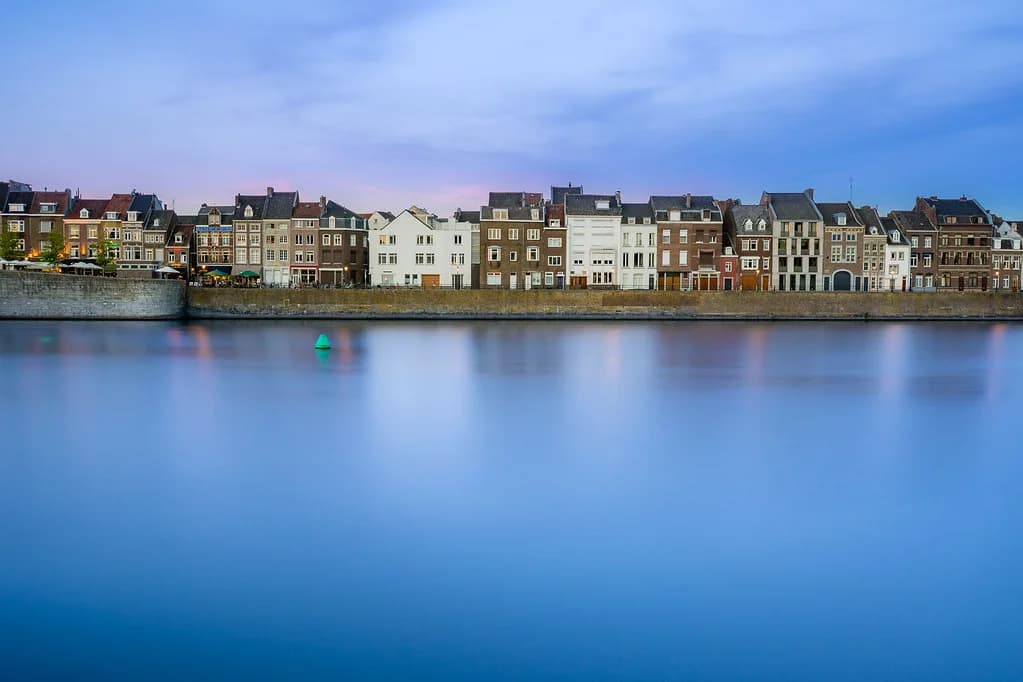
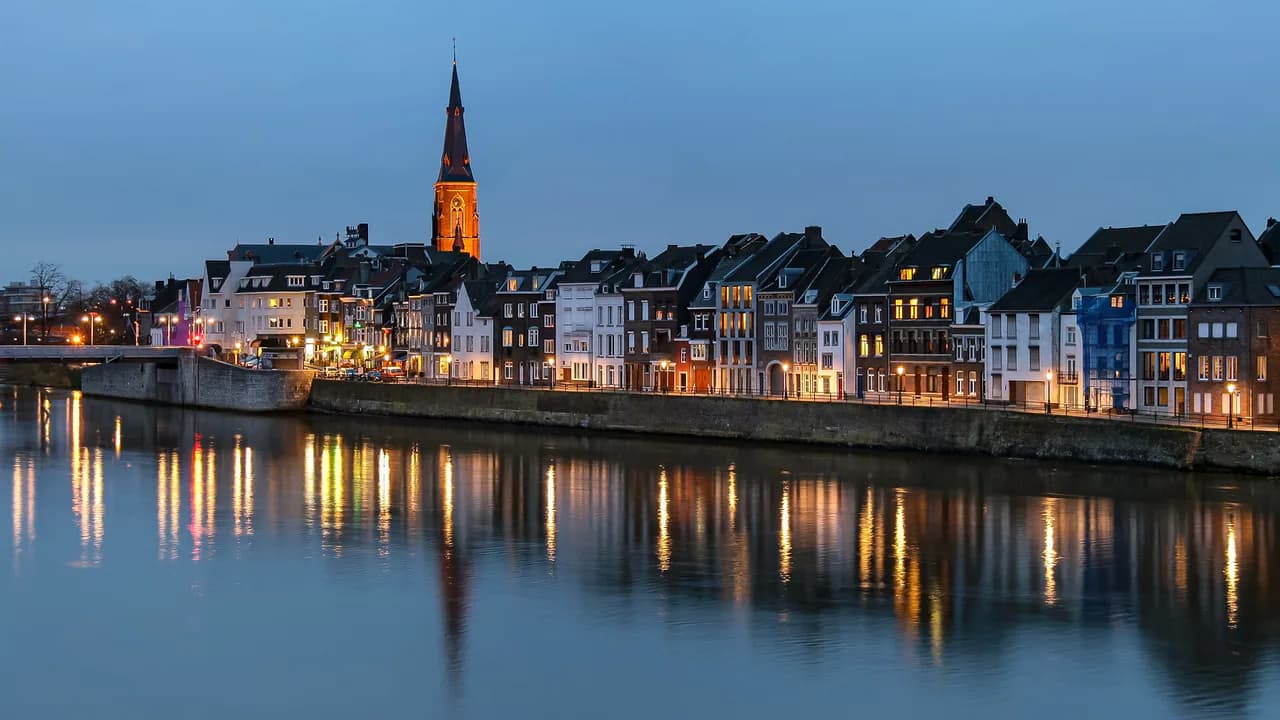
The second day belongs to Wyck, the quarter on the station side of the Sint Servaasbrug. It is where you arrive and, too often, where people stop looking, yet it has its own streets, cafés and the everyday rhythm of a working neighbourhood rather than a sightseeing circuit. Crossing back over the bridge in the evening, with the Maas in front of you, is one of the city's better free pleasures.
The Dominicanen bookshop, a bookstore inside a former Dominican church, sits in the centre and is the sort of stop that takes longer than you expect. Pair it with the Markt and Vrijthof on day one or save it for a slower second morning. The Maastricht itinerary lays out a two-day route with the walking in a sensible order.
A second day also gives you room to eat properly, sit on a terrace and look at the Basilica of Saint Servatius without a queue of stops behind you. That pace is the real argument for two days over one, more than any single additional sight.
Three days in Maastricht: when a longer stay earns its keep and when it does not
A third day is worth it if you want to slow down, not if you want to see more. Maastricht's headline sights fit comfortably into two days; the third is for revisiting Vrijthof at a different hour, taking a longer walk along the Maas, and treating the city as somewhere to be rather than somewhere to cover.
It also suits travellers who want to compare Maastricht against another Dutch city on the same trip. If you are deciding between the two, our Maastricht vs Utrecht comparison weighs the size, the architecture and the pace of each. For most people on a one-to-four-day break, though, two nights is the sweet spot and the third is optional.
How walkable Maastricht is, and how much of the city you cover on foot in a day
The centre is compact and easy to cover on foot, with the main attractions clustered within the old town around the Markt and Vrijthof. The walk from the station, across the Sint Servaasbrug and into that cluster takes around ten minutes before you have even started sightseeing.
In practice, a focused day on foot covers the bridge, both squares and the lanes between them with time left for a long lunch. The distances are short, which is exactly why a second day is about depth rather than geography: you are not walking further, you are stopping more.
That compactness is also the case for visiting at all. If you are still deciding whether the trip is worth it, our answer to is Maastricht worth visiting sets out what the city does well and where it is quieter than you might expect.
When to go: the trade-off between a busy summer Vrijthof and a quieter shoulder season
Summer fills Vrijthof and the terraces around the Markt, which is lively but means slower service and more competition for the best outdoor tables. Spring and autumn give you the same squares and the same walk across the Sint Servaasbrug with fewer people, at the cost of weather that can turn.
The city's position in the far south of Limburg, close to the Belgian and German borders, gives it a slightly different feel from the northern Dutch cities, with hilly country on the approach by train and architecture that borrows from both neighbours. That border position is also why Maastricht works well as a base for a short break rather than only a day trip.
How the compact centre shapes a short break
The historic centre around the Markt and Vrijthof is compact, and Wyck sits on the station side of the Sint Servaasbrug, so you can reach the main sights on foot from either side of the river within minutes. That layout is what keeps a two-day trip to short walks rather than a series of journeys.
Because the sightseeing is concentrated in that small area, the number of days you need is really about pace rather than distance: a central two-day plan covers the ground without long transfers, and the extra day is for slowing down.
How to fit Maastricht into a one-to-four-day Dutch city break, including the train from Utrecht and Amsterdam
Maastricht is easily reached by train and works as both a day trip and a short stay. Coming from Amsterdam Centraal takes just under three hours, and the journey from Utrecht, which runs through more hilly country on the approach, is straightforward.
Within a longer Dutch itinerary, give Maastricht two of your days rather than one and treat it as the southern anchor of the trip. Arriving by train into Wyck means you step off into a quarter worth exploring anyway, so the travel time is not dead time.
If you are comparing costs before committing, our guide to whether Maastricht is expensive sets out typical prices for a city break. For a first look at what there is to see, the Maastricht Attractions: 12 Visitor Guides hub collects the individual sights in one place.
How many days should you book?
Book two days unless you specifically want to slow down. That is enough for the Sint Servaasbrug, the Markt, Vrijthof and Wyck at a comfortable pace, and it leaves the third day free for another city if your break is short.
Three days earns its keep only if you would rather sit on a terrace than add another stop. Either way, the walking is short and the centre is compact, so the number of days you need is really a question of pace rather than distance.
Frequently Asked Questions
Is Maastricht a walkable city?
Yes. The old centre around the Markt and Vrijthof is compact, and the walk from the station across the Sint Servaasbrug takes around ten minutes. You can cover the main squares and the lanes between them on foot in a day without needing transport.
Is Maastricht worth visiting for a weekend?
Two days is the right length for a weekend. One day covers the river crossing and both main squares, and the second adds the Wyck quarter and a slower pace, which is where the city is at its best.
What makes Maastricht famous?
Its position at the southern tip of Limburg, close to the Belgian and German borders, gives it a distinct look and a hillier setting than the northern Dutch cities. The Sint Servaasbrug, the Markt with the Stadhuis and Vrijthof are the centrepieces for most visitors.
Sources
Notes for your next Dutch city break
Optional updates to our Netherlands guides.
You might also like
Continue reading
More guides you'll find useful