Is Maastricht Expensive? Typical Prices for a City Break
Maastricht sits at a moderate Dutch price level for meals, coffee and local transport. Here are typical euro figures and where a short break adds up.
On this page
Maastricht is not an expensive city for a short break. Expect a modest Dutch price level: around €18 for an inexpensive restaurant meal, roughly €3.90 for a coffee and about €2.50 to €4 for a single bus ticket, with the compact centre letting you walk most of it. This guide sets out typical visitor costs in euros and shows which line items actually move a one to four day budget.
Monthly cost-of-living totals for residents tell you very little about a city break, so they are left out here. What matters is what you pay for lunch, a mid-range dinner, a drink, a bus ride and a paid sight. Once those are on the page, you can size a daily spend and see where the trade-offs sit.
Is Maastricht expensive? The short answer
For a visitor, Maastricht sits in the moderate band. Nothing about a short break here is cheap in the budget-airline sense, and nothing is punishing either. The figures below come from cost surveys for Maastricht and are typical rather than fixed, so treat them as ranges to plan with, not as quoted prices.
The pattern that matters is where the money goes. Accommodation dominates any stay, food and drink come second, and transport barely registers if you walk and cycle. A three-day trip planned around the compact centre will spend far more on meals than on getting from one sight to the next.
That shapes a sensible Maastricht itinerary: cluster the sights you want to see, eat one proper meal a day and keep the rest casual. If you are weighing up whether the city justifies the spend at all, the answer depends on how much you value the historic core and the Limburg setting rather than on price.
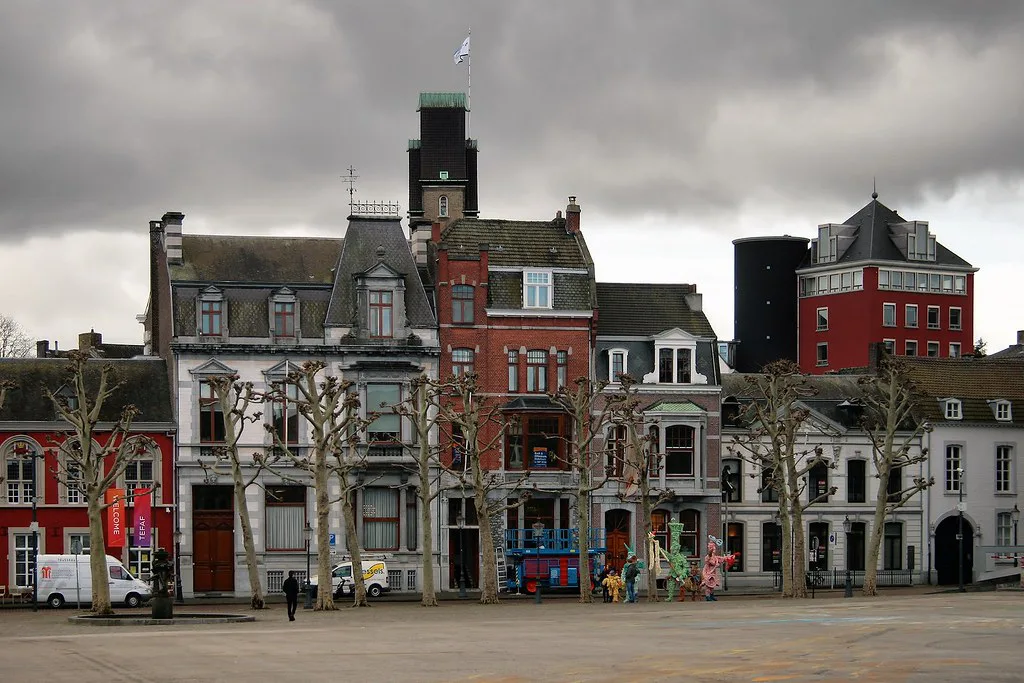
What a meal out costs: lunch, dinner and a mid-range meal for two
Restaurant prices are the single biggest variable after your room. The published ranges put an inexpensive restaurant meal at around €18, a fast-food equivalent at about €11 and a three-course mid-range dinner for two without drinks at roughly €80. Treat the €80 figure as the top end of a normal evening, not a baseline.
For a couple, the practical split is a café lunch somewhere between the inexpensive and fast-food figures and one sit-down dinner where the bill lands nearer the mid-range mark. Two of those dinners across a weekend and a couple of café lunches is a realistic food budget for a two-day visit.
The trade-off is straightforward. Spending your main meal at lunch and keeping the evening light cuts the daily food bill noticeably without missing anything the city does well. If you are here for a single day, put the money into one good meal and eat on the move otherwise.
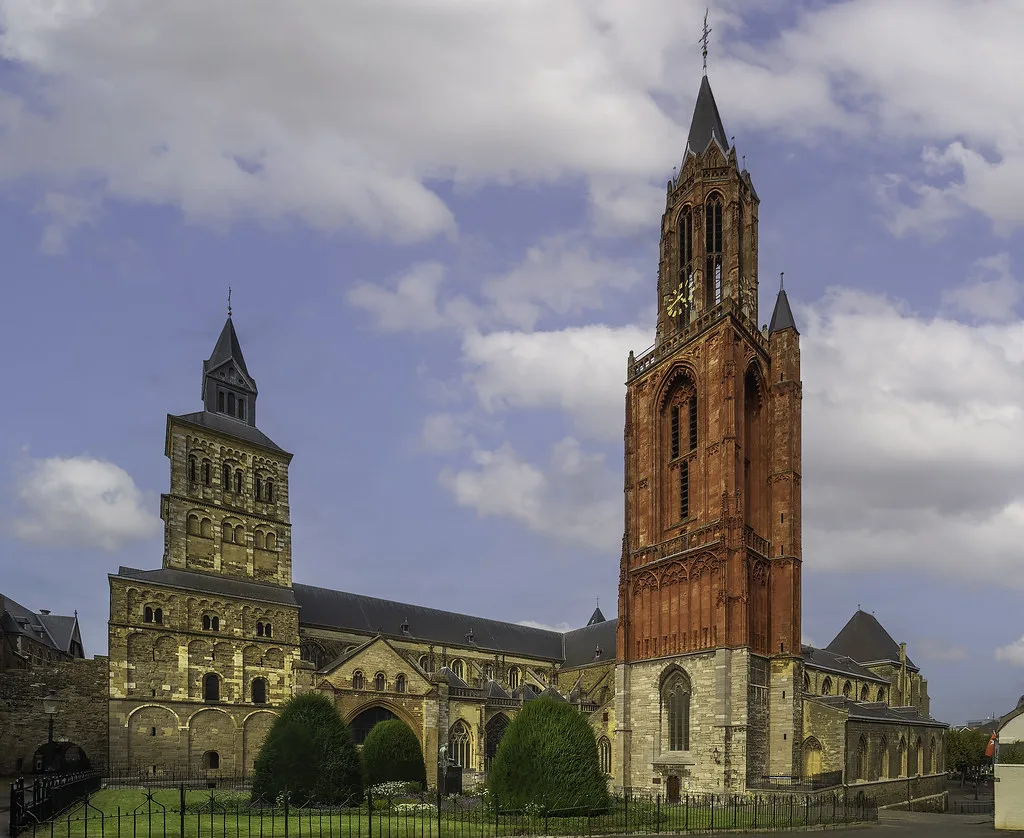
Coffee, beer and soft drinks: everyday prices in cafés
Café prices are the easiest part of a Maastricht budget to predict. A regular cappuccino comes in at around €3.90, while a pint of beer sits in the €5 to €7 band and a soft drink around €3.40. A local bottled beer bought from a shop is far cheaper again, at roughly €1.34 for half a litre.
These are small numbers individually and significant over a trip. Two coffees and a couple of drinks a day per person adds a meaningful slice to the daily total, and it is the category most people underestimate when they plan.
The obvious economy is buying drinks and picnic supplies from a supermarket or market stall and sitting in a square rather than at a table. That trade-off costs you the terrace view but keeps the day's incidental spend low.
Getting around: single bus tickets, bike hire and what a taxi starts at
Maastricht is a walking city, and that is where the savings are. For the times you do ride, a single local bus ticket is available, and shared bikes are available for the first half hour with Arriva, or an OV public transport bike is available for up to 24 hours.
Taxis are the exception. A standard tariff starts around €10 before you have gone anywhere, and the per-kilometre rate adds up quickly, so a taxi is a poor fit for a short break in a compact centre. Buses and bikes cover the same ground for a fraction of the cost.
If you are arriving by air, think about how you reach the centre before you book anything else. The choices on that leg usually matter more to the total than anything you spend once you are in the city.
Museums, churches and towers: what paid sights add to the budget
Paid sights are a discretionary line, and the big historic draws are free to look at from outside. The riverfront and the old squares cost nothing, and a great deal of the pleasure of Maastricht is walking the streets rather than buying tickets.
Where you do pay, treat it as a choice rather than an obligation. Ticket prices for individual museums, churches and towers are set by the venues themselves and change, so check the official page for the place you plan to visit before you commit a chunk of the day to it.
The saving that matters is time rather than money. Pick one or two paid interiors that genuinely interest you and spend the rest of the day on the streets and squares around the Basilica of Saint Servatius, which anchors the old centre.
Markets versus supermarkets: where a self-catering day saves money
Groceries are cheap relative to eating out. A litre of milk, a 500 g loaf and a kilo of apples are inexpensive, so a picnic lunch for two costs less than a single café main. Shopping at weekly markets can bring a month's grocery bill below the supermarket average, and the same logic works for a day's food.
One self-catering day per trip is the easiest single saving available. Buy bread, cheese and fruit in the morning, eat in a square or by the river, and put the saved money towards one better dinner instead.
It also frees up how you spend the afternoon. With lunch handled, you can wander the Stokstraat quarter and the riverfront without watching the clock or the bill.
A rough daily spend for a short break, and the trade-offs that change it
Add the pieces up and a moderate day for one person covers food, drinks and local transport, before your room and any paid sights. A lean day of picnic food, coffee and walking sits near the bottom; a day with a mid-range dinner and a taxi pushes past it.
The three levers that swing the total are meals, drinks and taxis, in that order. Cutting one restaurant meal a day and skipping taxis does more than any other change, and neither costs you a sight.
Length of stay changes the arithmetic too. A single day concentrates spending into a few hours, while two or three days spread the fixed costs and let a self-catering lunch do more work; the Maastricht Itinerary sets out how to fill one, two or three days without adding cost.
Is the spend worth it for your trip?
Maastricht is a moderate-value city break, not a cheap one and not a costly one. The money goes on food and your room; the city itself, its squares and its riverfront cost nothing to enjoy, and a compact centre means transport stays close to zero.
If you want a short trip where the budget is easy to control, plan around one paid interior a day, a picnic lunch and dinner in the evening. If you want the full answer on whether the city earns the trip at all, weigh that against what you would spend elsewhere.
Explore more Maastricht guides
Frequently Asked Questions
Is Maastricht cheaper than Amsterdam?
Eating out, coffee and local transport in Maastricht sit at moderate Dutch levels. Compare the specific figures above with current Amsterdam prices rather than assuming a fixed gap.
How much should I budget per day in Maastricht?
The daily total depends on how many meals you eat out and whether you take taxis; a picnic lunch and a day on foot sit at the low end, while a mid-range dinner pushes you up. Work from the individual meal, drink and transport figures above rather than a single round sum.
Sources
Notes for your next Dutch city break
Optional updates to our Netherlands guides.
You might also like
Continue reading
More guides you'll find useful