Churches in Maastricht: Which Ones to Visit and What's Inside
Which churches in Maastricht are worth your time, what you will see inside them, and how they fit into a one- to four-day city break.
On this page
For most visitors, two churches in Maastricht are worth planning around: the Basilica of Saint Servatius and the Basiliek Onze Lieve Vrouwe Sterre der Zee. Both are Roman Catholic basilicas in a city with a historically strong Catholic tradition. This guide covers what the basilica of Saint Servatius offers, why the Sterre der Zee is the natural second stop, and how church visits fit into one to four days.
What churches can I visit in Maastricht?
Start with the Basilica of Saint Servatius, the one with the most on offer for a visitor. It runs its own treasury, exhibitions, concerts and guided tours, so it works as a sight in its own right rather than a five-minute look-in. The second is the Basiliek Onze Lieve Vrouwe Sterre der Zee, the other Catholic basilica listed among the region's Roman Catholic churches.
Both basilicas are working Catholic churches with a place in the city's religious life, so a visit is a matter of joining that life rather than touring a museum. The pair sits naturally among the streets and squares of the centre you would walk anyway, which makes a church visit easy to fold into a morning.
Other churches in the region appear in the same round-up of Catholic and Protestant communities, but they are largely parish or congregation venues rather than visitor attractions. If the building is your interest rather than the congregation, the two basilicas are the best use of a short break, with everything else an addition when you have time to spare.
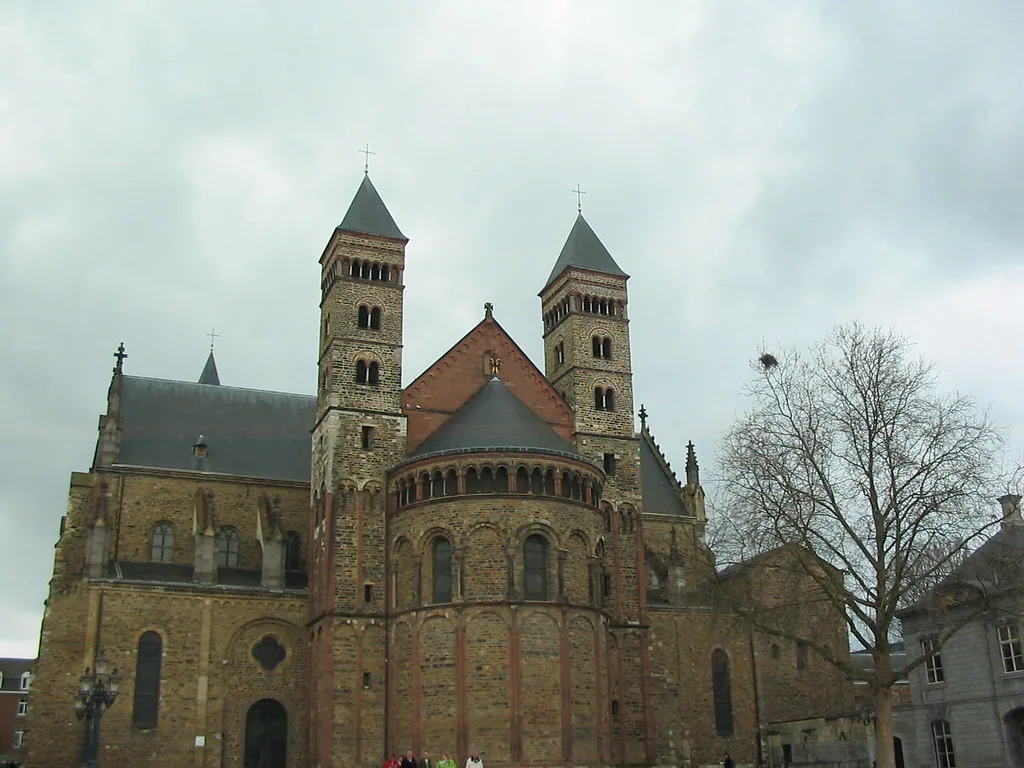
Basilica of Saint Servatius: start here
If you visit one church, make it Sint-Servaas. It is a working parish church and pilgrimage site as well as a monument, and its own site sets out history, highlights, services and visitor information together, so you can decide whether you are coming for the architecture, the treasury or a service.
The treasury is the reason a church visit here is more than a quick look. The basilica presents its treasury and reliquaries among its highlights, with exhibitions and events listed alongside. Plan around the treasury as the core and the nave as the context.
Guided tours are another way in, and the basilica lists them among its visitor offerings. A guided visit ties you to a set time rather than letting you drift through, so decide whether a tour or a self-guided look suits your morning.
Budget more time than for a parish church you simply step into for a look. A treasury plus a walk through the church is the largest single church commitment on a Maastricht break, and the one that most rewards the time. On a one-day visit, the trade-off is against other sights on your list, not other churches.
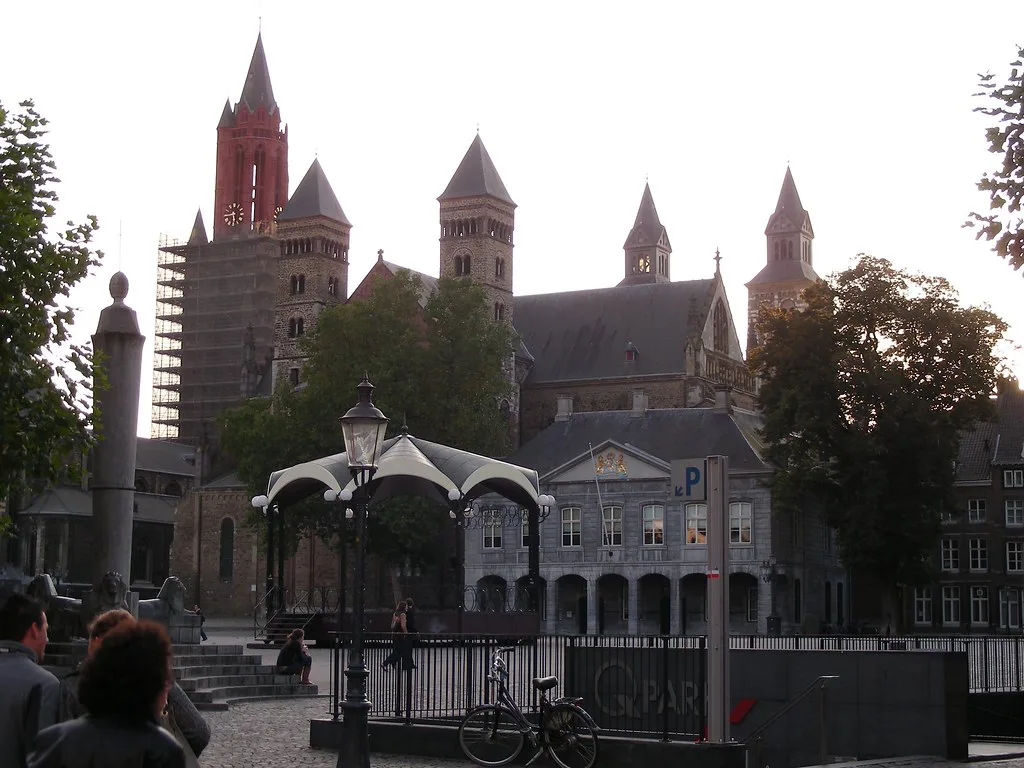
Treasury and concerts at Sint-Servaas
The basilica does more than keep its doors open. Its programme bundles the treasury, highlights, exhibitions and events into a single visitor offer, with concert listings sitting alongside the church's musical life. A visit can be timed to a performance if you plan ahead, so check what is on before booking a trip around it.
Concerts and music are part of how the building is used, not a side project. If you want to hear the space as well as see it, shape your day around what is on. An evening concert can take up the whole of a short evening, so decide which matters more before you commit.
Basiliek Onze Lieve Vrouwe Sterre der Zee
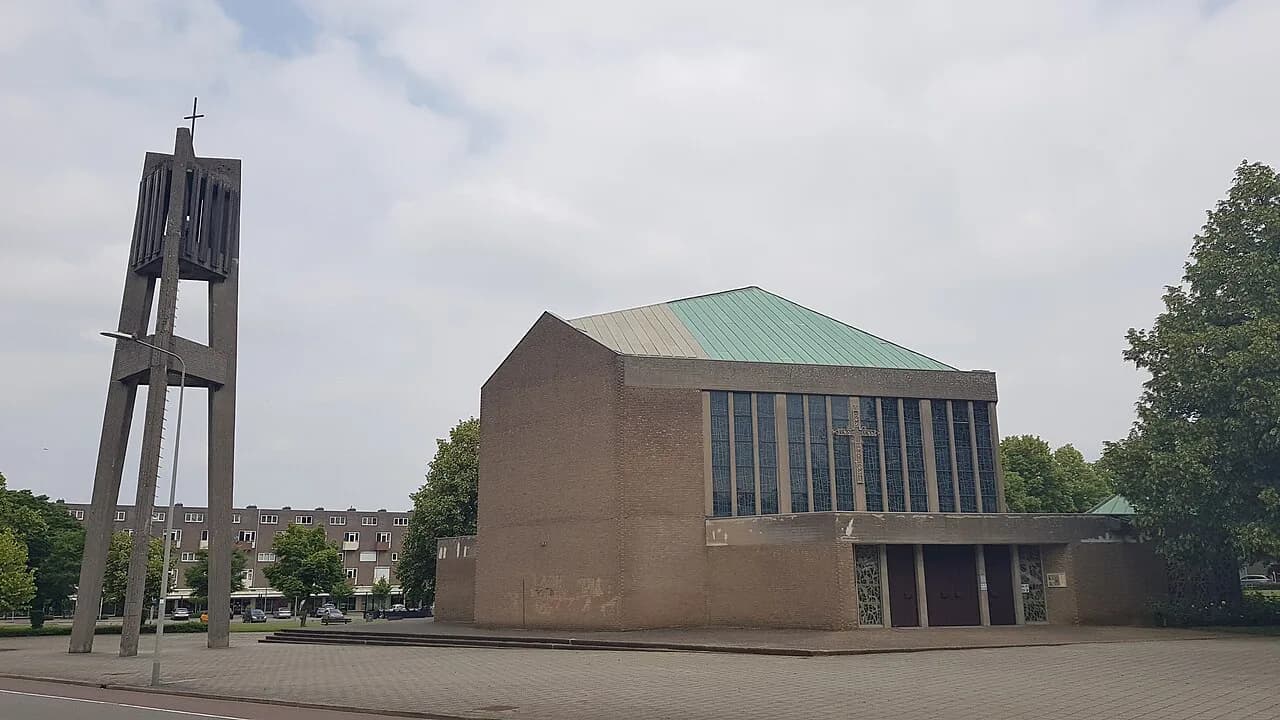
The Sterre der Zee is the other basilica listed for Maastricht. The Expat Centre Maastricht Region names it among the region's Roman Catholic churches, a role it shares with Sint-Servaas, and it is a significant presence in the city's Catholic life. Compared with Sint-Servaas's large visitor programme, this is the church that matters for its place in the religious fabric of Maastricht.
Treat it as a companion rather than a rival. Set the Sterre der Zee beside a morning at Sint-Servaas as part of a church-focused half-day, without expecting a second treasury-scale visit.
Where the churches sit and how to walk between them
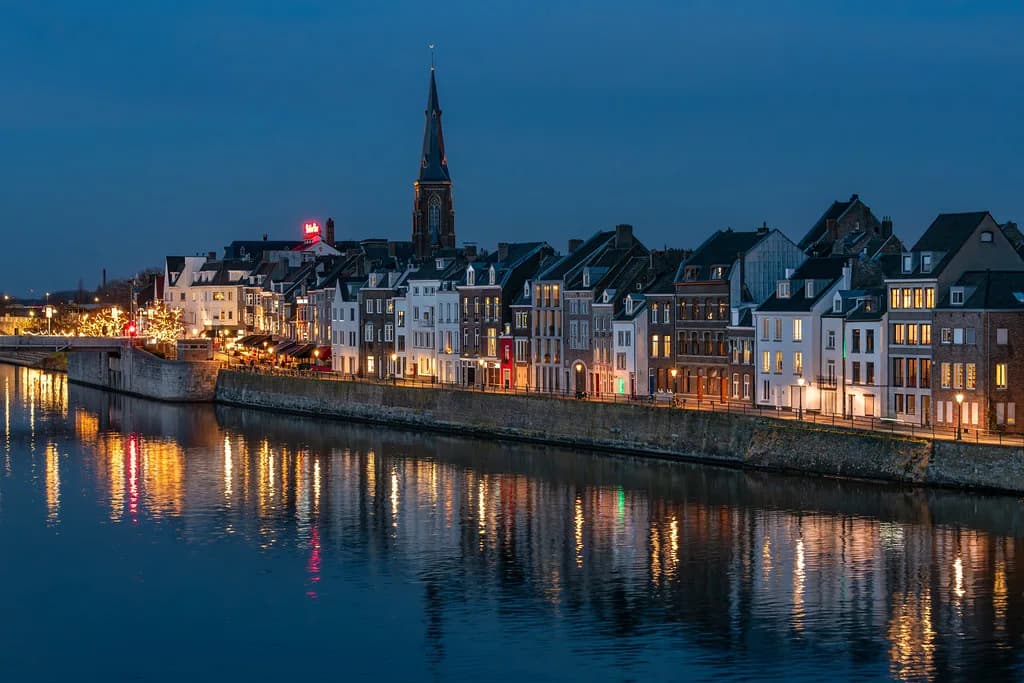
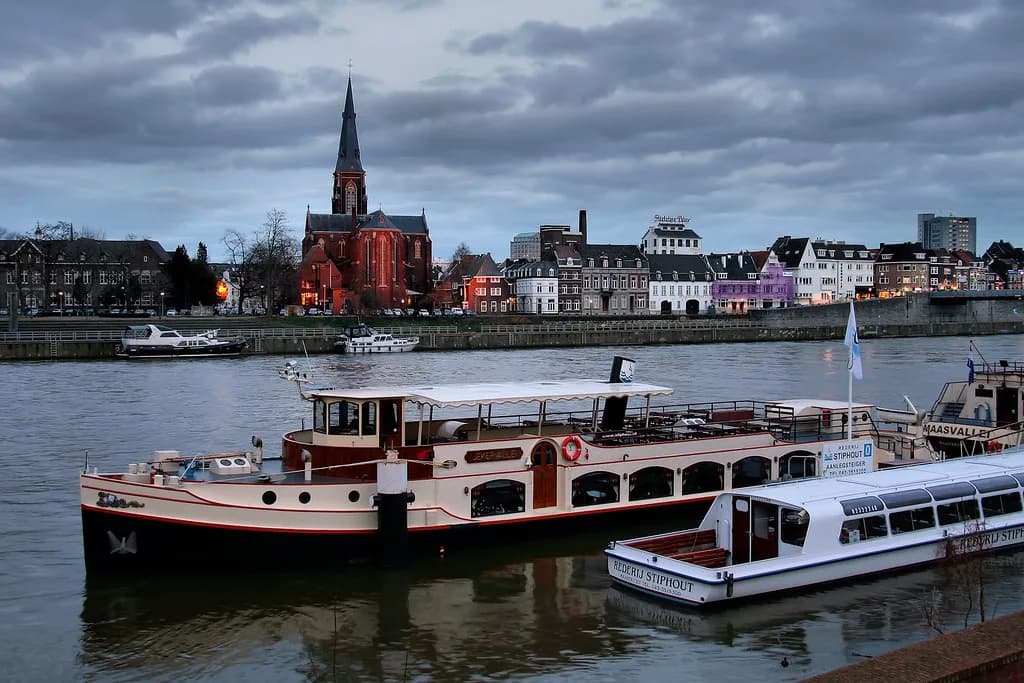
Plan a simple route between the two and let the squares and streets in between act as the rest of the walk; that is a far better use of an hour than covering every church listed for the region. A walking route also lets you pause and go back when you want to, rather than being moved on by a group.
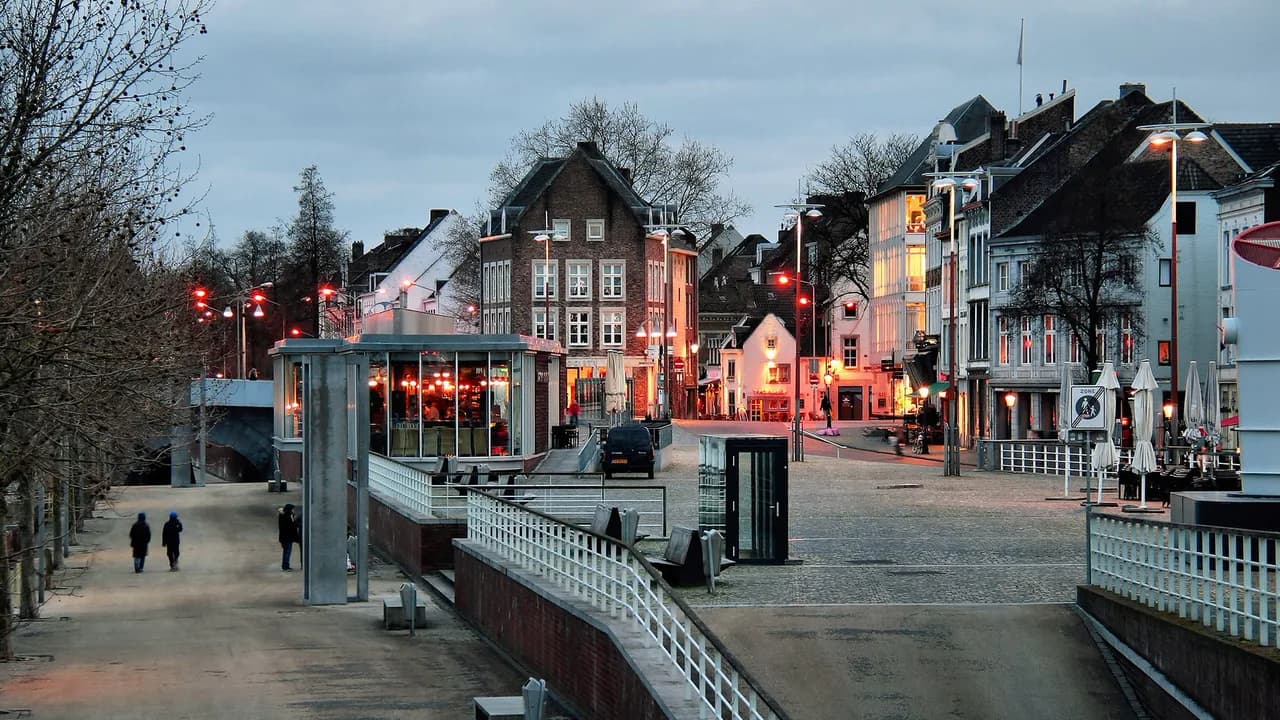
The buildings around the basilicas are part of the point, and the streets between the two reward a slower pace. Allow some time for the streets rather than heading straight from one door to the other, and treat the walk itself as part of the visit; Maastricht Architecture covers what to look for on the way.
Catholic Maastricht in context
Maastricht's church landscape looks different from much of the Netherlands because the Maastricht Region was traditionally strongly Roman Catholic. Attendance has fallen sharply and only a small share of those who call themselves Catholic go to Mass regularly, yet the traditions remain visible in the culture, Carnaval being the obvious example. That explains why the city has two Catholic basilicas to visit.
The Protestant picture in the region is small and plural, with a Protestant Church in the Netherlands shaped by a 2004 merger, Dutch-language services usually the stricter kind, and English-language Anglican and other international congregations among the options. When you step into Sint-Servaas or the Sterre der Zee, you are looking at the visible centre of a faith culture that shaped the city.
Religious plurality also means the church you visit is one among several active communities, with Christian churches of other traditions, a synagogue and several mosques listed for the region. Keep that in mind if living religion interests you as much as historic buildings; the basilicas are the most obvious starting point for it.
Worship rather than sightseeing
Both basilicas are working churches, not museum pieces. Sint-Servaas holds services and Holy Mass, and the two Maastricht basilicas appear under Catholic services for the region. If you want to attend rather than simply look, check the parish's own service information before you turn up.
Treat a service as a service: arrive early, sit towards the back if you are a visitor, and follow the parish's expectations on phones and photography. Sightseeing and worship can overlap, so let the church set the terms for the part of the day you attend.
Fitting a church visit into one to four days
On a one-day visit, give Sint-Servaas a single slot, ideally with the treasury, and add the Sterre der Zee only if time is left after the old centre loop. Two days lets you pair the churches with a museum morning and still keep an afternoon free. Three or four days means treating church visits as part of a slower rhythm rather than a checklist item.
The main trade-off is against museums and the riverfront, which eat the same hours. If you are choosing between a second museum and a church, decide which side of Maastricht you want to understand better, and do not squeeze both into a tight morning. A single well-paced basilica visit stays with you longer than a rushed lap of three; our pick of Museums in Maastricht worth your time covers the alternative.
Which church should you put first?
Put Sint-Servaas first. Its treasury, guided tours and event programme give the fullest church experience in Maastricht, and it has enough to fill a morning. The Sterre der Zee is the natural second stop and works as a quieter companion rather than a separate day plan.
If time is tight, pick the treasury and a look round the basilica rather than every church in the region. With a whole morning, pair the two basilicas on a walk through the old centre and leave the afternoon for the rest of the city.
Explore more Maastricht guides
Frequently Asked Questions
Do I need to book guided tours in Maastricht's basilicas in advance?
Guided tours are listed as part of what the Basilica of Saint Servatius offers. Its own site sets out guided tours and other visitor information, so check how tours are arranged before you build a day around one.
Are the Dutch more Protestant or Catholic?
Roman Catholicism is the single largest religion in the Netherlands as a whole, even though only a small share of those who identify as Catholic attend Mass regularly. In the Maastricht Region the Catholic tradition has historically been especially strong.
Sources
Notes for your next Dutch city break
Optional updates to our Netherlands guides.
You might also like
Continue reading
More guides you'll find useful