Free Things to Do in Maastricht: Sights, Squares and Walks
Free things to do in Maastricht: the Vrijthof, old city walls, Hell's Gate, Fort Sint Pieter and Hoge Fronten, with walking notes and honest trade-offs.
On this page
Most of Maastricht's best sightseeing is outdoors: the Vrijthof, the old city walls and Hell's Gate, the Hoge Fronten area and the blossom around Koningin Emmaplein can be strung into a day on foot. Paid experiences such as the North Caves and the Sint Janskerk tower are worth knowing about, but they sit apart from the open-air core rather than inside it. Fort Sint Pieter stands by the Sint Pietersberg edge south of the centre. This guide orders the outdoor stops into a walkable day and flags where the cobbles, the weather and the seasons change the plan.
Expect a mix of walking and time on your feet if you link the Vrijthof, the parkland and the riverside. Wear flat shoes with grip: the centre's cobbles and kerbs are hard on heels and turn slippery after rain.
What you can see in Maastricht without paying
The outdoor layer of Maastricht is largely squares, gates, parkland, fortifications and riverside paths. Planning around the open-air stops is a sensible backbone for a short break when you would rather spend money on one or two big sights. For the wider pick of what the city offers, see Things to Do in Maastricht.
The stops are spread out. The Vrijthof sits in the old town, and the Sint Pietersberg ridge lies to the south, away from the centre. Plan the order before you set out, because doubling back over cobbles eats time.
Treat the outdoor stops as the frame and the paid ones as optional inserts. A guided cave tour or a tower climb slots into the middle of the day rather than replacing the walk, and you book only what you actually want, checking each venue's own booking page before you go.
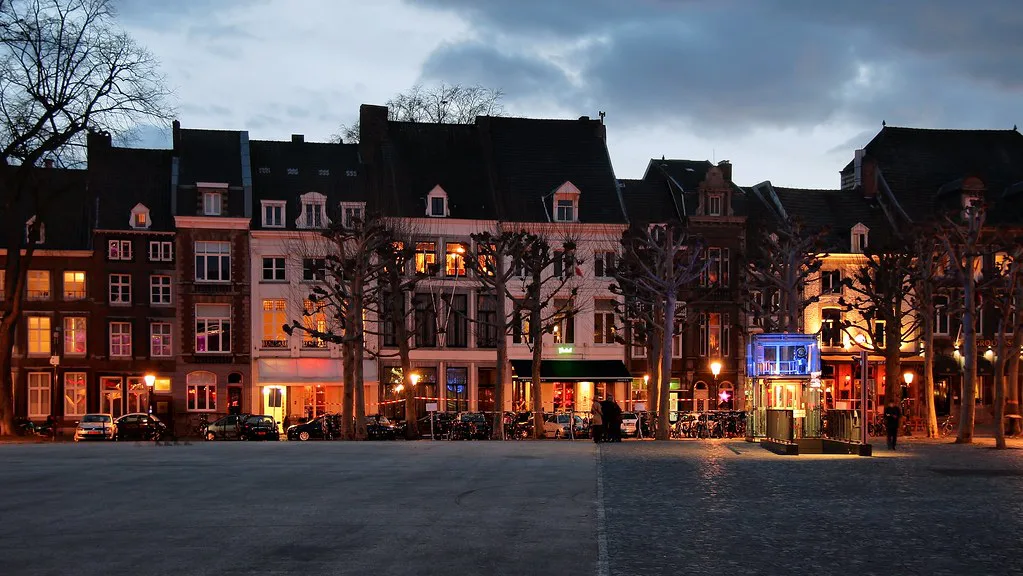
The Vrijthof: the square to start on
Begin on the Vrijthof, the broad square that anchors the old town. It is the natural orientation point before you head south through the streets.
The square is the obvious place to take stock before a longer walk. Sitting down is where the spending starts, so decide early whether this is a coffee stop or just a look.
If you want the old town explained rather than guessed at, fold the square into a longer walking route and use it as the anchor for the day.
The old city walls and Hell's Gate
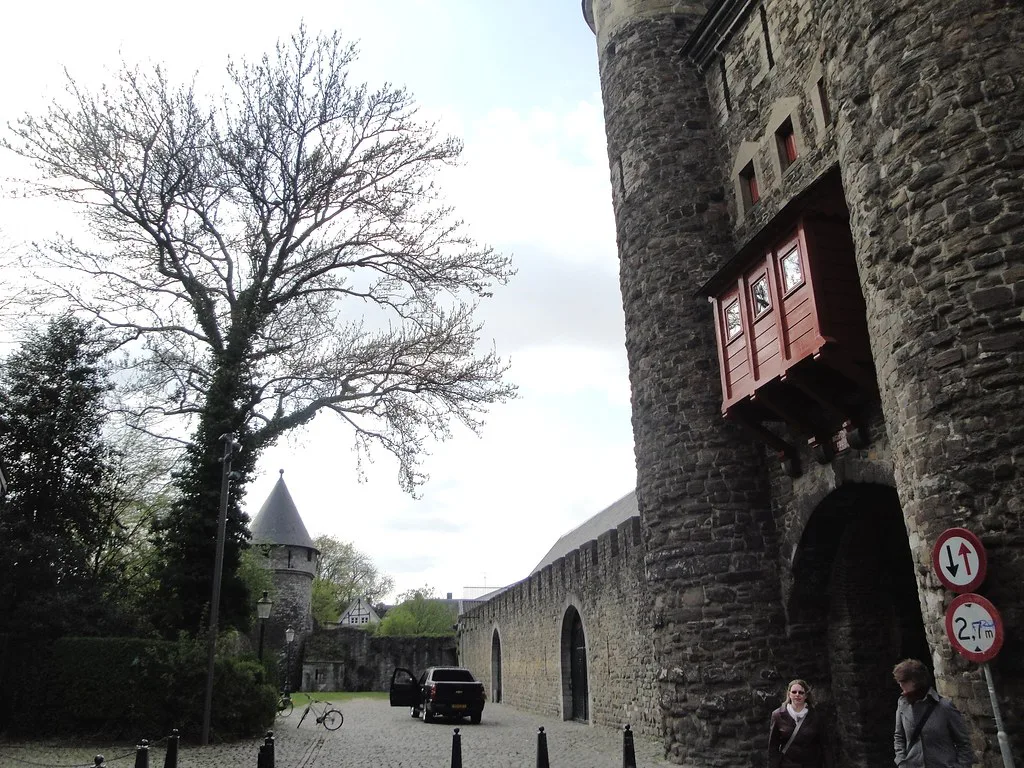
From the Vrijthof, head south towards the old city walls and Hell's Gate, the historic gate that once controlled the road into Maastricht. The walls and gate make a photogenic stretch of a southern walk and reward a slow pace rather than a March; more of the old town's fabric is covered in the Maastricht Old Town guide.
Take the walls and gate stretch at an unhurried pace and combine it with the Vrijthof and the riverside into a solid half-day route.
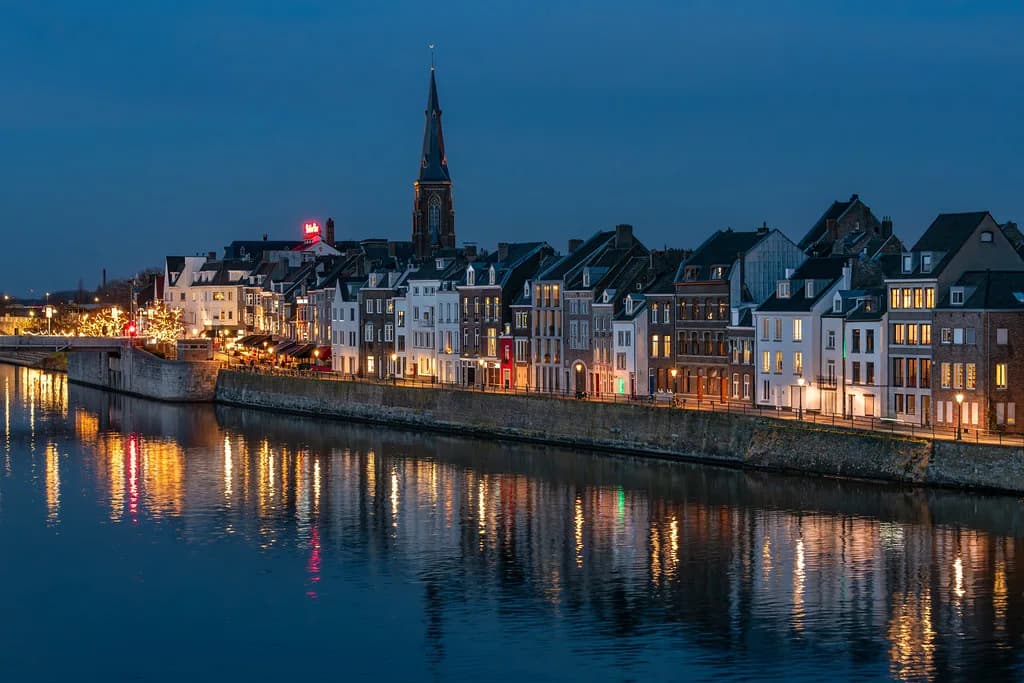
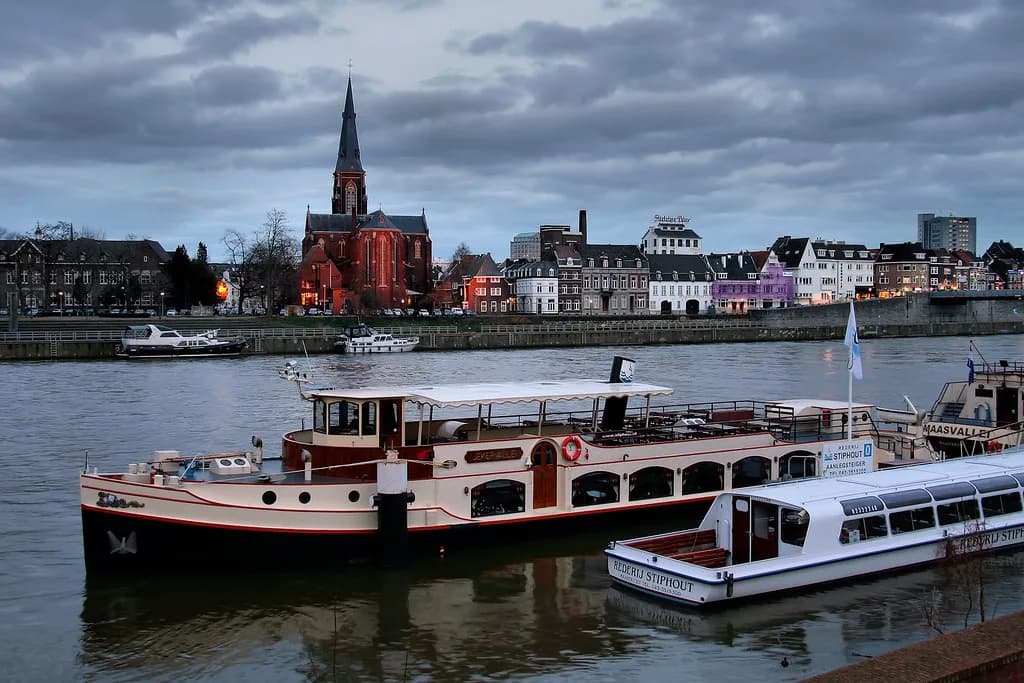
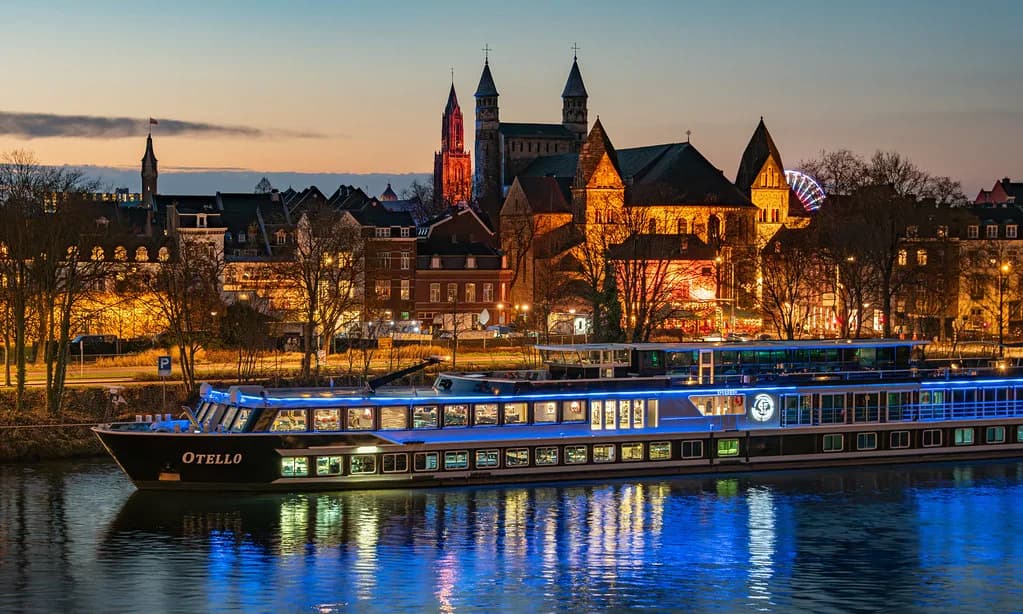
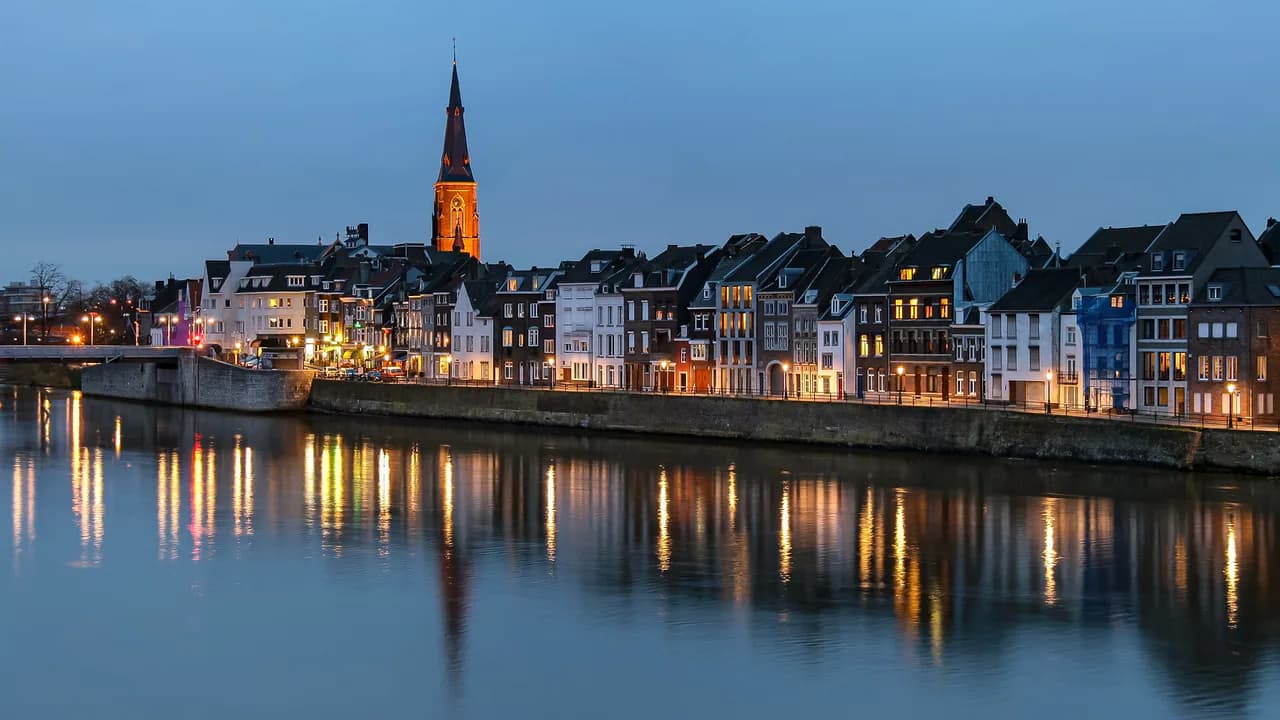
The riverside is a natural place to finish or start the loop. Walk it for the view back over the water rather than treating it as a through-route.
Fort Sint Pieter and the Sint Pietersberg edge
South of the centre, Fort Sint Pieter and the Sint Pietersberg ridge add a landscape dimension to the walk. The ridge and the paths over it are the main draw, with the fort a separate site beside them; check the fort's own site for whether and when it can be visited.
This is the longest leg of the day, so allow generous time if you walk out from the centre towards the ridge and back. The reward is quieter ground and a sense of the city's defensive geography that the centre alone does not give you.
Cyclists can cover the same ground faster and push on towards the Belgian border, which is only about five kilometres from the centre. Routes and rental notes are set out in the cycling guide.
Hoge Fronten: picnics and sheep
Hoge Fronten is a park-with-a-difference stop on the city's edge, where sheep graze on the slopes in autumn. It works as a picnic stop, and bringing your own food keeps the day cheap.
The park works as a breather between the centre and the Sint Pietersberg rather than a destination in itself. Build it into the route rather than treating it as the day's objective.
Blossom at the Koningin Emmaplein roundabout in spring
In spring the city's blossom trees turn parts of Maastricht pink, and the most photographed display is at the roundabout on Koningin Emmaplein. Blossom typically appears around late March and early April, though the exact timing shifts with the weather each year.
A couple of weeks after the peak, the fallen petals collect between the cobblestones and drift in the wind, which is arguably the better photograph. It costs nothing and takes ten minutes, so fold it into a walk rather than making a special trip.
Autumn leaves on the cobbles
Autumn is the season for leaves in Maastricht: the trees lining the centre's streets and squares turn, and the cobbles collect colour in a way that rewards a slow wander with a camera. Pair this with the Hoge Fronten sheep for a free autumn half-day.
Rain changes the equation, because wet cobbles and kerbs are genuinely slippery. Flat shoes with grip are not a fashion note here; they are what keeps a walking day from ending early.
Wandering the city centre
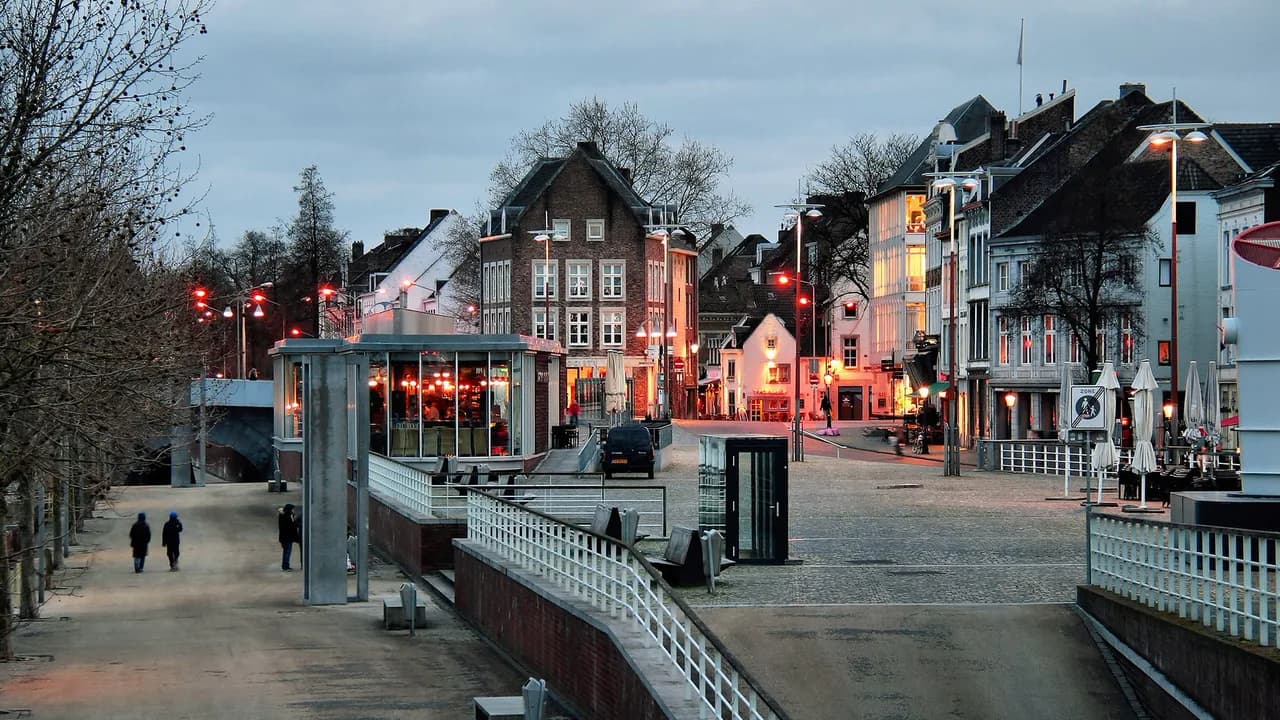
The centre's shopping streets are free to wander, and window-shopping costs nothing even if the shops themselves do not. Use the squares as reference points when you are navigating between the shopping streets.
The riverside and the squares are the other browse-for-free option: you pay only for what you consume, and a slow circuit pairs well with a Vrijthof walk. Keep the day flexible rather than tying it to a fixed schedule.
Museums and the Museumkaart: what to check before you go
Do not assume free museum entry in Maastricht. Museum admission is generally ticketed, and whether a particular museum accepts the Museumkaart or runs a free day is a per-venue question.
The practical approach is to pick one or two museums you actually want, then check each venue's own site for its current admission and whether it is included in the Museumkaart. The museums guide covers the main options in the city.
Getting around on foot: cobbles, kerbs and sensible shoes
Maastricht is best done on foot and by bike, and the outdoor stops reward exactly those two modes. Cars are a liability in the centre, where parking is scarce and expensive.
If you want a bike for the day, hotels often offer rental to guests, which is the easiest option for a short break. The alternative is a public bike from the station, which requires an OV-chipkaart; in 2018 the OV-fiets rate was quoted at 3.85 euros for 24 hours, so treat that as history and confirm the current rate when you book.
Watch the kerbs as well as the cobbles, because the pavement edges are the slipperiest part of the centre after rain. A day out is easily lost to a turned ankle, and the fix is simply better shoes.
Free stops against paid ones like the North Caves and the Sint Janskerk tower
The North Caves and the Sint Janskerk tower are separate bookable experiences in the city and natural additions to a short break. Neither belongs in an outdoor day, so decide in advance whether one of them is worth your budget rather than discovering the cost at the door.
A sensible split for a short visit is the outdoor circuit first and one paid experience after it, which keeps costs predictable and the pace relaxed. Build the paid sight around the walk rather than the other way round.
If you want the full picture before committing, the attraction guides cover what each paid sight involves and how long it takes. For the wider frame around them, see Things to Do in Maastricht.
Build a free day around the walls
The strongest outdoor day in Maastricht runs from the Vrijthof out towards Hoge Fronten and the Sint Pietersberg edge, taking in the old walls and Hell's Gate on the way, with Hoge Fronten as the picnic stop. Add the Koningin Emmaplein blossom or the autumn leaves if the season cooperates, and keep museum money for the one or two places you genuinely want.
Wear flat shoes with grip, carry your own lunch if you want to keep the day cheap, and check current market days and any museum you plan to enter before you set out. Everything else you can decide on the day. For more, see Maastricht Old Town.
Explore more Maastricht guides
Frequently Asked Questions
Is Maastricht worth visiting for a short break?
Yes, particularly if you like walking cities. The old town, squares and riverside give you a full outdoor day, and the Sint Pietersberg edge adds a quieter half-day. Allow one to two days for the centre and more if you add the landscape and a paid sight.
How long should you spend in Maastricht?
Two days is a comfortable fit: one for the Vrijthof and the old town, and one for the Hoge Fronten and the Sint Pietersberg with a picnic. A single day works if you stay in the centre.
How do you keep a free day in Maastricht cheap?
Build the day around outdoor stops such as the Vrijthof, the old walls and Hell's Gate, Hoge Fronten and the Sint Pietersberg edge. Bringing your own picnic to Hoge Fronten keeps costs down, and saving any sit-down meals for one or two occasions stops the day drifting into spending.
What is happening in Maastricht this weekend?
Events change week to week, so check the city's own event listings close to your visit rather than relying on a fixed calendar.
Sources
Notes for your next Dutch city break
Optional updates to our Netherlands guides.
You might also like
Continue reading
More guides you'll find useful