Maastricht in October: Weather, Crowds and What to Do
Plan a Maastricht city break in October: typical temperatures, how many days you need, which quarters to walk and which indoor sights suit a wet afternoon.
On this page
October works well for Maastricht if you accept two trade-offs: daylight shortens noticeably and paths underfoot turn muddy after rain. In exchange you get quieter streets midweek and a city that reads more like itself than in high summer. This guide sets out typical October weather, a two- and three-day shape for the visit, and which sights suit a wet afternoon.
Everything below stays inside the city unless one ride on a boat or a short climb onto Mount Saint Peter is part of your day. You can compare the full spread of sights in our guide to the things to do in Maastricht before locking the October plan.
Is October a good time to visit Maastricht?
Yes, with realistic expectations. September averages in Maastricht sit at roughly 20°C highs and 10°C lows with a breeze, and October runs cooler than that, so build your day around daylight rather than long café stops. Plan outdoor walking for late morning and early afternoon, when it is brightest and warmest, and keep a museum or a cave tour in reserve for the late afternoon.
Midweek October is the sweet spot: weekend crowds thin out, and the Vrijthof and the Stokstraat Quarter feel like a working city again. The payoff is that some guided tours run on fixed slots and dated exhibitions come and go, so a Monday arrival needs a quick check of opening days before you commit to a museum morning.
October weather in Maastricht: what the averages mean for a walking day
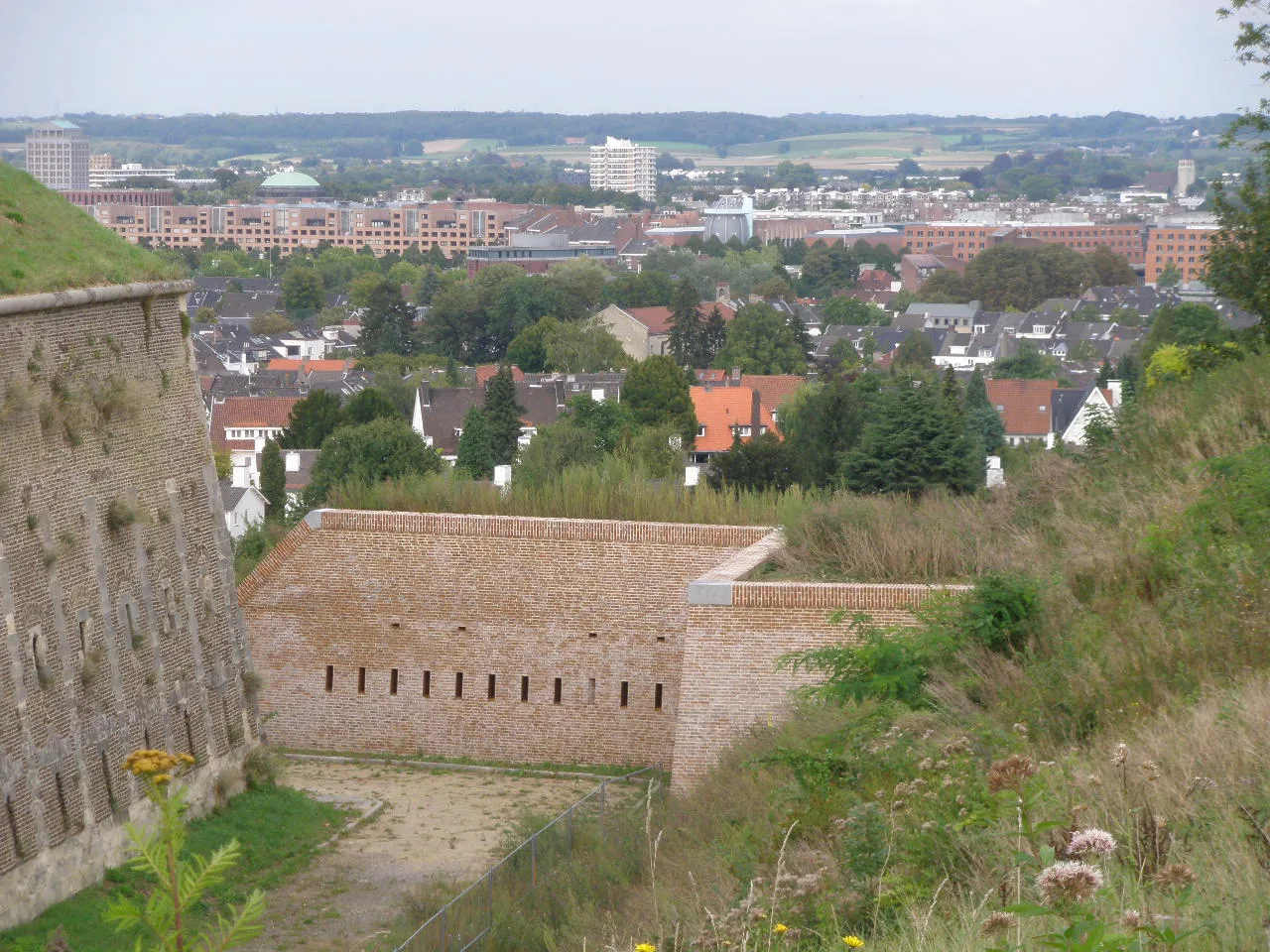
Typical September conditions in Maastricht give a useful baseline for early autumn: highs near 20°C, lows around 10°C, humidity around 71 per cent, average wind near 13.7 mph and a rain chance of about 27 per cent. October days sit cooler than those highs, and the wind is what you notice on the Sint Servaasbrug and along the Maas. Treat those numbers as a September climate average, not a forecast or an October figure, and pack a light waterproof layer rather than an umbrella that turns inside out on the bridge.
For a walking day that means three things. Start with the sheltered lanes of the old town and the Wyck side, save the riverfront and the open ground on Mount Saint Peter for a dry window, and wear shoes with grip, because the paths around the former quarry get slick. If you want a guided route through the centre, a Maastricht walking tour gives the street pattern a shape before you go exploring alone.
How many days Maastricht needs in October
Two full days cover the city centre on foot and one indoor anchor. Day one takes the Vrijthof, the Sint Servaasbrug, Wyck and the Stokstraat Quarter at an easy pace; day two puts you indoors for a museum and adds a cave tour or a short riverfront walk depending on the weather.
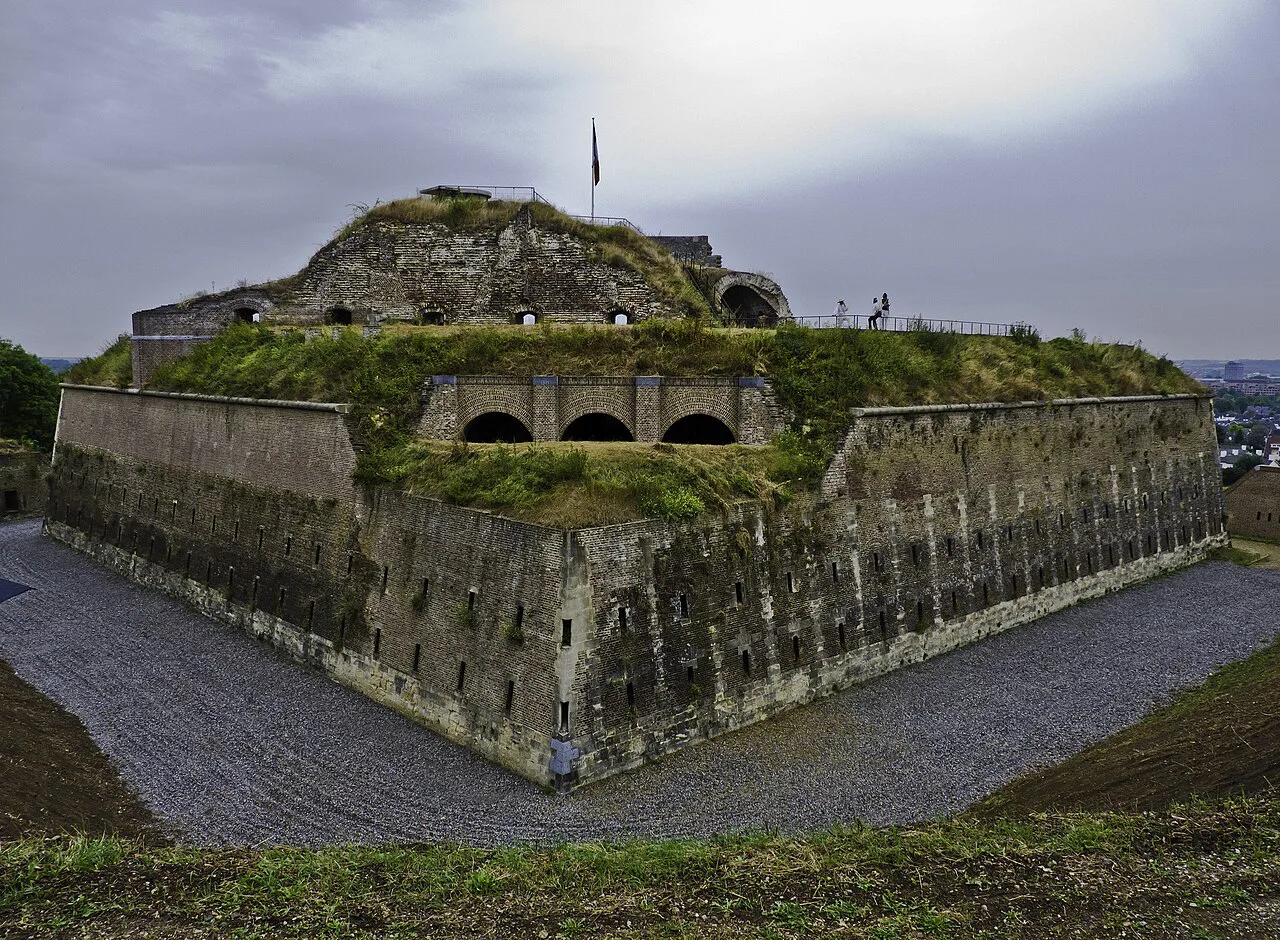
Three days is the honest recommendation for October. The third day belongs to Mount Saint Peter, either on foot on the Cretaceous Walk past Fort Sint Pieter to the ENCI quarry or underground with a guide, and it needs a dry forecast and sturdy footwear. Add a fourth day only if you want a second museum and unhurried time in the Jeker Quarter.
Day one on foot: Vrijthof, Wyck and the Stokstraat Quarter
Begin at the Vrijthof, the broad square that anchors the Maastricht old town. The square and the streets around it are walkable in minutes, so the day needs no transport. Our Maastricht Old Town guide covers the layout and the sights around the main squares.
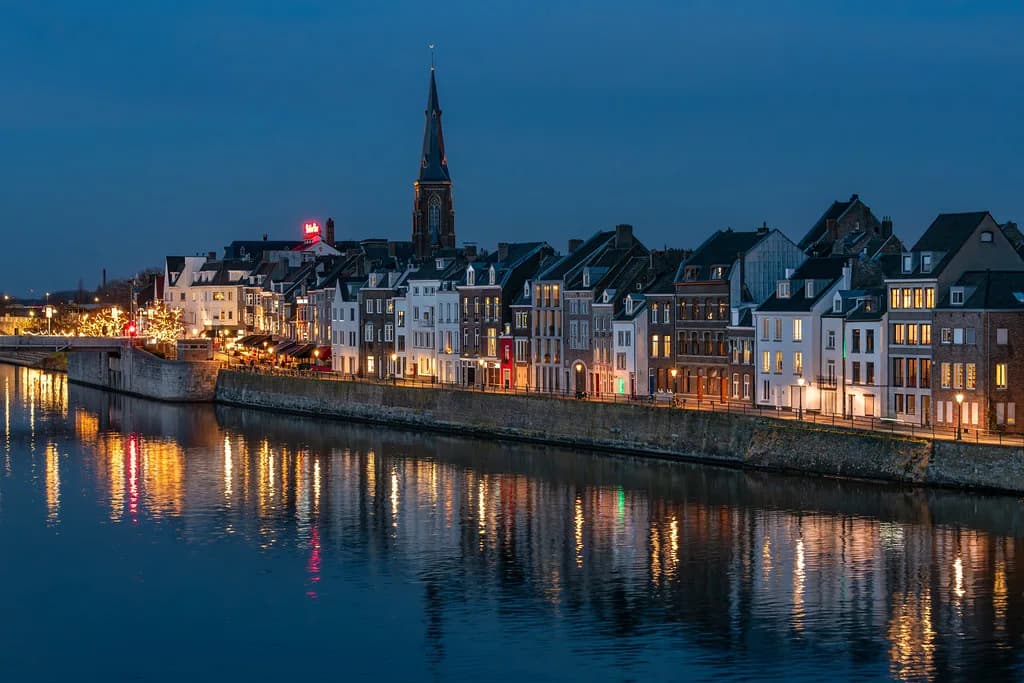
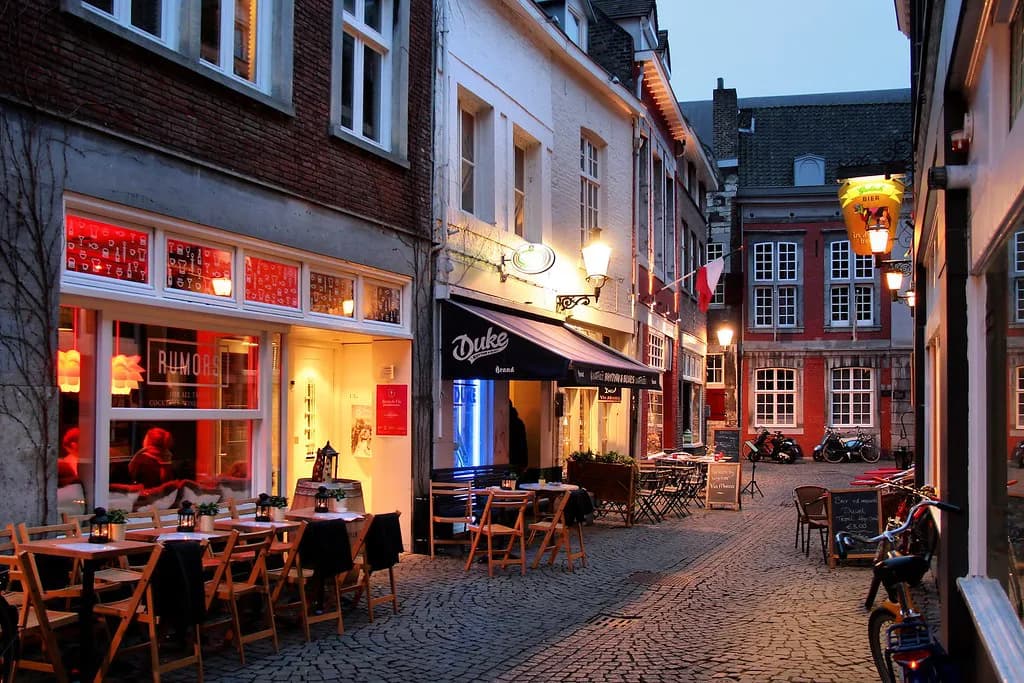
Cross the Sint Servaasbrug into Wyck and walk Wycker Brugstraat, then turn into Rechtstraat and Kattenstraat to Wycker Grachtstraat, where the shops and historic façades sit close together. Continue via Hoogbrugstraat, cross back over the bridge and work through the Stokstraat Quarter towards the Onze Lieve Vrouwe city wall and the Helpoort. The loop is short enough to walk slowly in half a day, and it keeps you near cover if a shower passes.
Day two indoors and underground
The Bonnefanten mixes medieval sculpture and old masters with modern and contemporary art, which makes it a sensible wet-weather anchor for a mixed group. The Maastricht Museum on the first floor of Centre Céramique traces the city's development and includes ceramics-industry material that explains what local factories meant to daily life. Pair one of them with a cave tour and you have a full, weather-proof day.
The passages beneath St Peter's Hill run as guided tours, and the tourist office publishes a children's cave tour aimed at ages four to ten. Treat the underground tour as the anchor of the day and shape the rest of your visits around it.
Day three out of the centre: the Cretaceous Walk and the ENCI quarry
The Cretaceous Walk leaves the city edge past Fort Sint Pieter and reaches the ENCI quarry, a former limestone working that has become a nature reserve with trails and viewpoints. From the platform you can see the marl walls left by quarrying for cement production, which is the payoff for the climb. It is the best half-day in Maastricht when the sky is clear.
After rain, wear sturdy shoes with tread on the paths around the quarry; the surface stays wet and the slopes are uneven. Our cycling in Maastricht guide covers the riverside routes for riders who would rather stay off the hill on a wet day.
Rainy-afternoon swaps
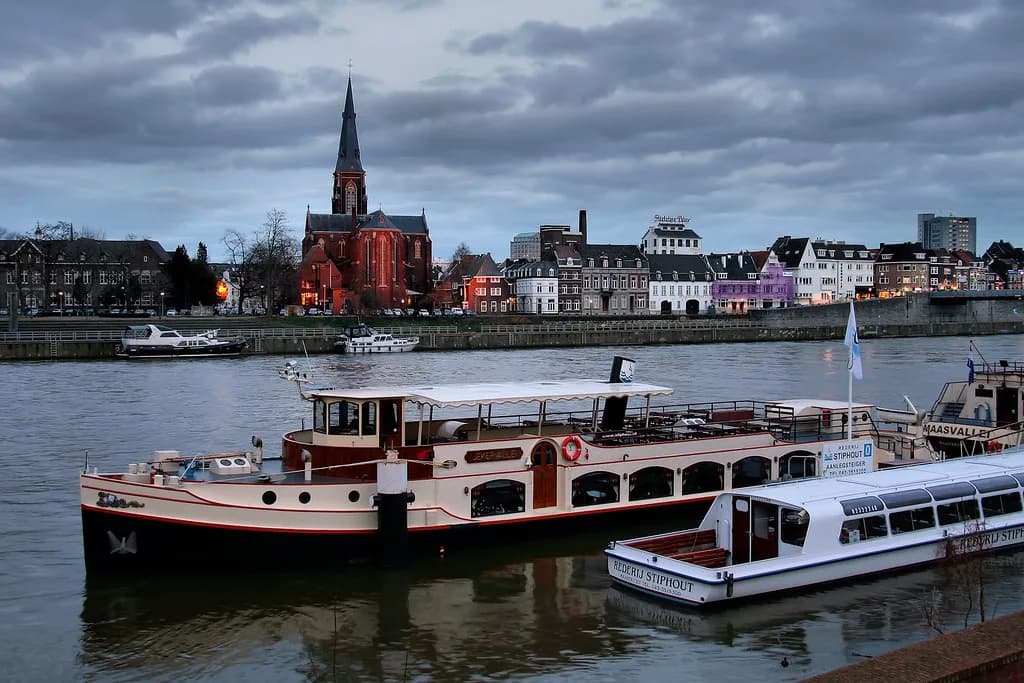
Marres occupies a historic house where artists take over the rooms for exhibitions, which suits an hour when the rain sets in. Keep it in the same block of the day as the Bonnefanten and the Maastricht Museum, so a single decision covers a wet morning and an afternoon. If you would rather ride than walk, a Maastricht boat tour puts you on the water under cover, though the river wind still bites in October.
Two days of drizzle is not a reason to cancel the trip; it is a reason to drop the open-ground day and double up on interiors instead. Keep your outdoor plan flexible and hold the Mount Saint Peter walk for whichever day looks drier.
With children in October
Start in the Stadspark, where children can see the old cannons along the city wall, then follow the River Jeker towards the Jeker Quarter. In the Bisschopsmolengang you can watch the waterwheel at De Bisschopsmolen turning, and grain is still ground at the mill, which holds attention longer than a signboard does.
For a wet day, the Natural History Museum Maastricht shows the animals that lived here millions of years ago, with mosasaur fossils that give children something to talk about afterwards. The children's cave tour for ages four to ten works as the adventurous alternative, and either option fills an afternoon. If you need a run-around instead, Maastricht parks lists the green spaces close to the centre.
Cycling along the Maas in October
A cooler, breezier day changes the bike plan: shorten the loop, ride the sheltered Wyck side first and take the open Maas bank with the wind rather than into it. The trip out towards Sint Pietersberg is the one climb worth keeping, and an electric-assist bike makes it a pleasure rather than a chore.
Check the rental desk's opening hours and its card or cash policy on the day you collect, and pick a route distance you can cut short if the wind picks up. The reward in October is quieter paths along the water and better light on the river.
What October costs and how to book tours, boats and caves
Book the dated things first: guided cave tours, any boat trip you want and any timed museum entry. A guided tour of the underground corridors at the Zonneberg caves is listed by a resale platform from €11.95, which shows the order of magnitude for guided underground visits; treat that as a listed third-party rate rather than an operator's own price. Prices for each operator sit on their own booking pages, so compare before you commit.
Museum prices vary by venue and by exhibition, and a combined pass only helps if you plan several visits in the same trip. Decide which two museums matter most, price them individually, and only then consider a pass. For a wider spread of options and their entry details, browse the Maastricht Attractions hub before you book.
October events and dated exhibitions
Exhibitions in Maastricht run on fixed dates, and the tourist office lists them with their end dates rather than year-round. The 2026 cohort of the Jan van Eyck Academie opens its studios for Open Studios 2026 until 25 October, and the Maastricht Museum has displayed a real French guillotine from 1798 since 9 September 2025, running to 9 January 2028. Check what is on for your exact week and let it shape a wet-weather morning.
Monday is the day to watch. Many Dutch museums close on Mondays, so a Monday arrival should go outdoors or book a tour that runs, and a Tuesday start gives you the widest choice of interiors. If you are timing the trip around something bigger, Maastricht festivals and events is the place to see what the city has on.
Should you book Maastricht for October?
Book October if you want a quieter Maastricht with room to walk the old town and a good reason to spend afternoons underground. Go for two days if the city centre and one museum are enough, and add a third for Mount Saint Peter only if you will wear proper shoes and accept a wet path.
Fix the dated items first, the cave tour and any timed museum entry, then build the walking days around the weather. The old town and riverfront walks fill the gaps when a plan changes, and they need no ticket.
Explore more Maastricht guides
Frequently Asked Questions
What should I pack for Maastricht in October?
A light waterproof jacket, a warm mid-layer for the wind on the bridge, and shoes with grip for the paths around Mount Saint Peter. Evening temperatures drop close to 10°C in early autumn, so a warm layer matters more than an umbrella.
Are museums open on Mondays in Maastricht?
Many Dutch museums close on Mondays, so check each venue's own opening days for your week before fixing a Monday plan. A Monday arrival is a good day for the old town, Wyck and the riverfront, which need no ticket.
Is one day enough for Maastricht?
One day covers the Vrijthof, the Sint Servaasbrug, Wyck and the Stokstraat Quarter at a brisk pace but leaves no room for a museum or the caves. Two days is the minimum for a comfortable visit, and three gives you Mount Saint Peter as well.
Sources
Notes for your next Dutch city break
Optional updates to our Netherlands guides.
You might also like


Continue reading
More guides you'll find useful