Cycling in Maastricht: Rules, Routes and Longer Rides
Cycling in Maastricht: the Dutch traffic rules that catch visitors out, where bikes are banned in the centre, and flat river rides versus South Limburg hills.
On this page
Cycling in Maastricht suits riders who want a flat river ride with the option of real hills later. The centre is compact and the Maas runs alongside it, so you can see the main sights in an afternoon and still have legs left for a longer loop. This guide covers the rules that catch visitors out, where bikes are banned, how to park and which rides are worth your time.
Why Maastricht suits a bike
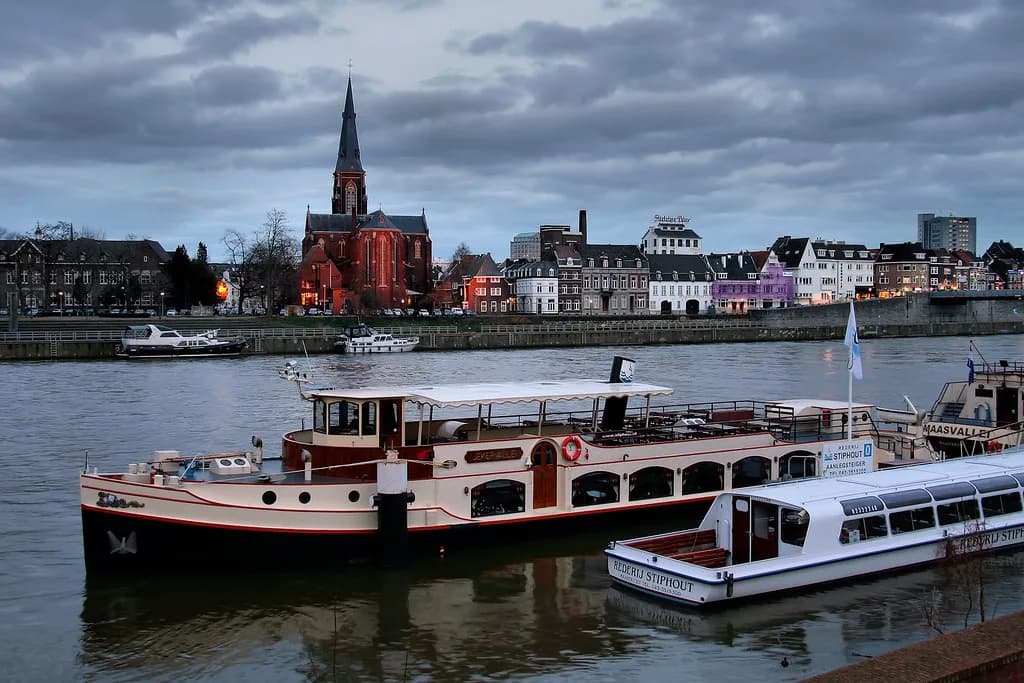
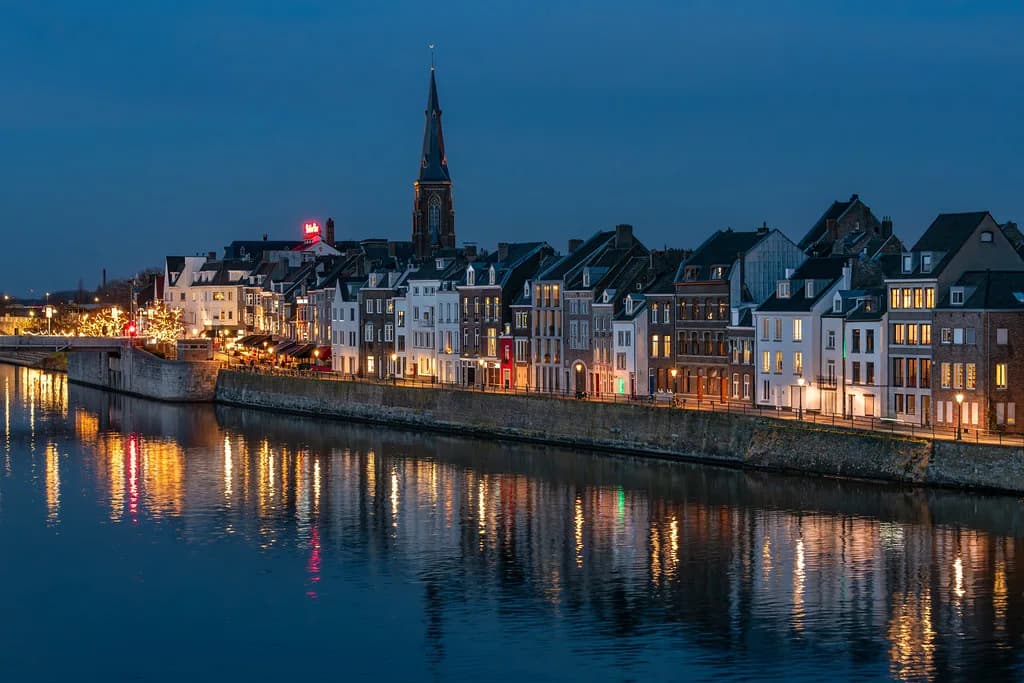
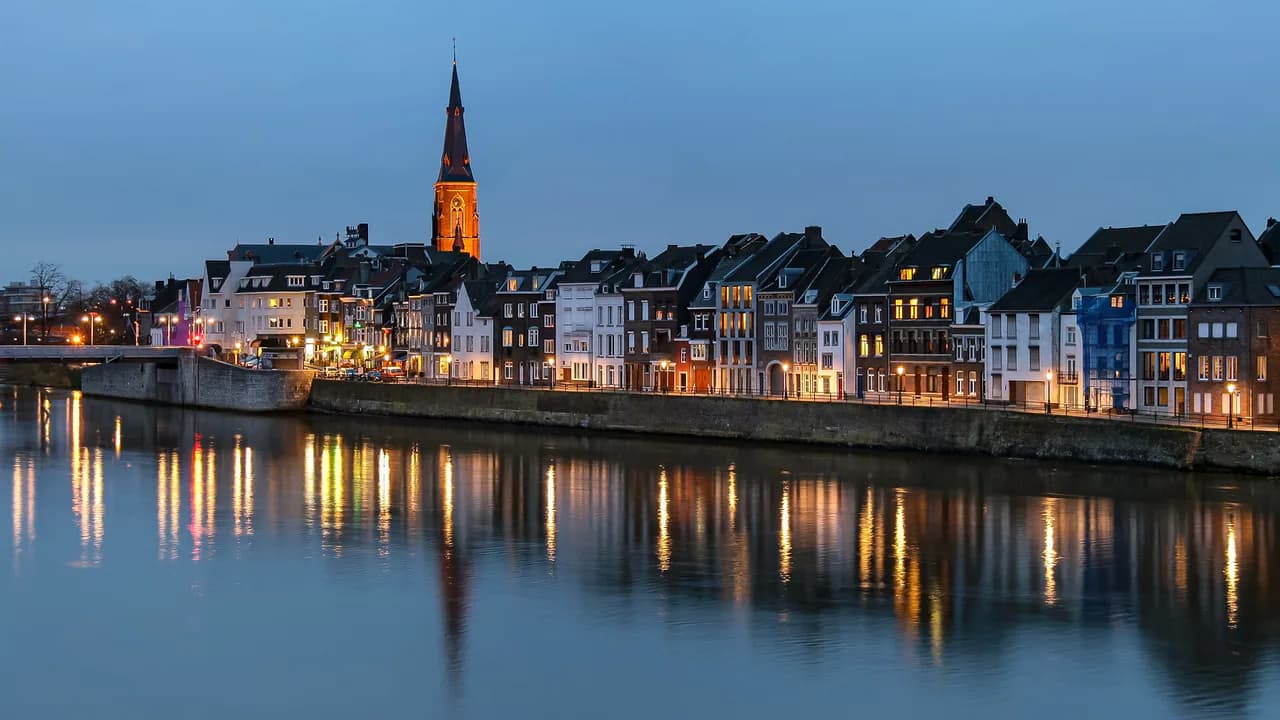
The city sits on the Maas, with the old centre on the west bank and the river close enough to use as a handrail for your first ride. Cross the river and you have a landmark to aim for, then follow the water south towards Sint Pieter and the open ground around the Pietersplas. For a wider pick of sights to pair with the bike, see our guide to things to do in Maastricht.
Within an hour you can reach the marina area south of the centre, which sits about 3 km from the busy middle of town, making it a reasonable warm-up rather than a day's ride.
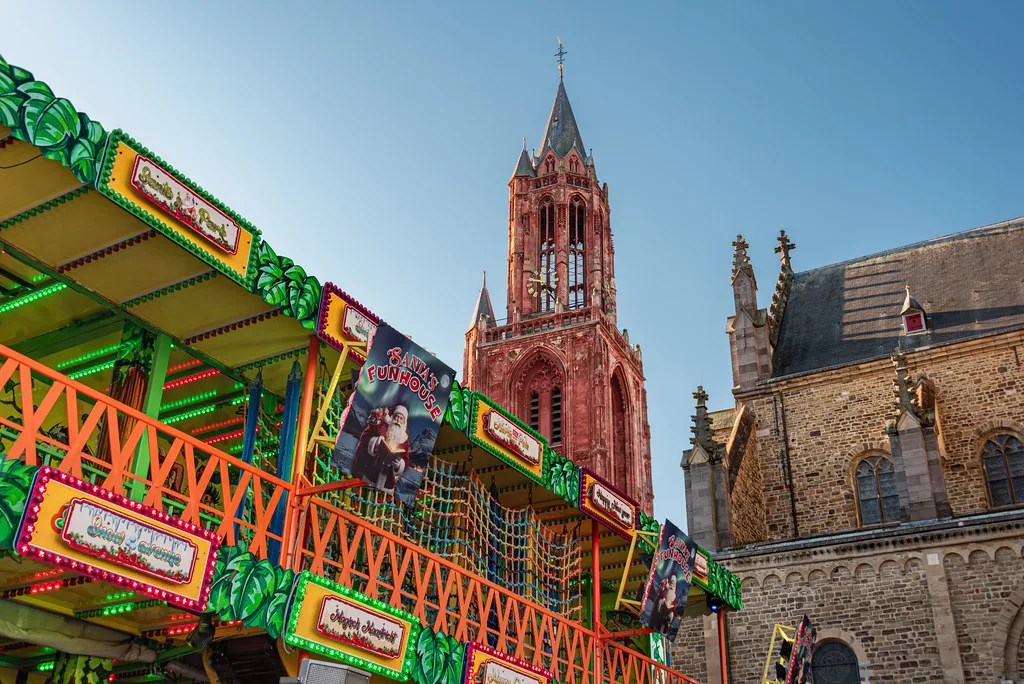
Maastricht cycling rules that catch visitors out
Dutch cycling rules are straightforward once you know them, but several bite first-time riders. Lights and reflectors are compulsory as soon as visibility drops, whether that is darkness, rain or fog, and riding without them risks a fine. Under the same guidance, holding a phone while cycling is not allowed for calls, messages, music, photos or navigation, and turning needs a clear arm signal.
Watch the road markings too. Shark's teeth, the triangles painted at junctions, tell you who gives way: if they point towards you, stop; if they point away, you have priority. Where there are no lights or markings, give way to traffic from your right.
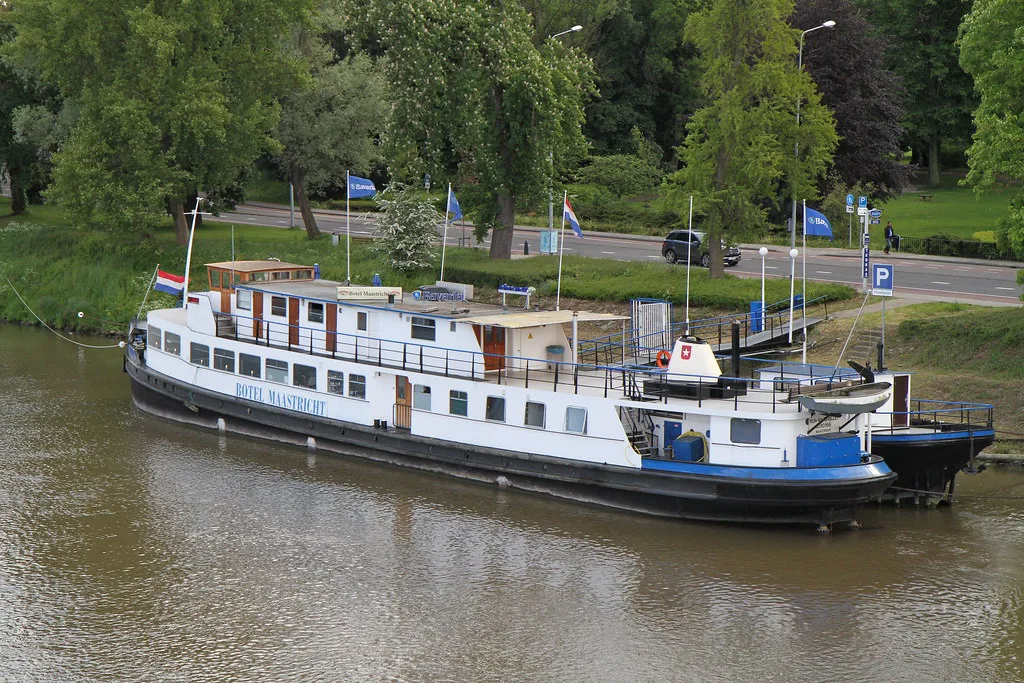
Where you cannot cycle in the centre
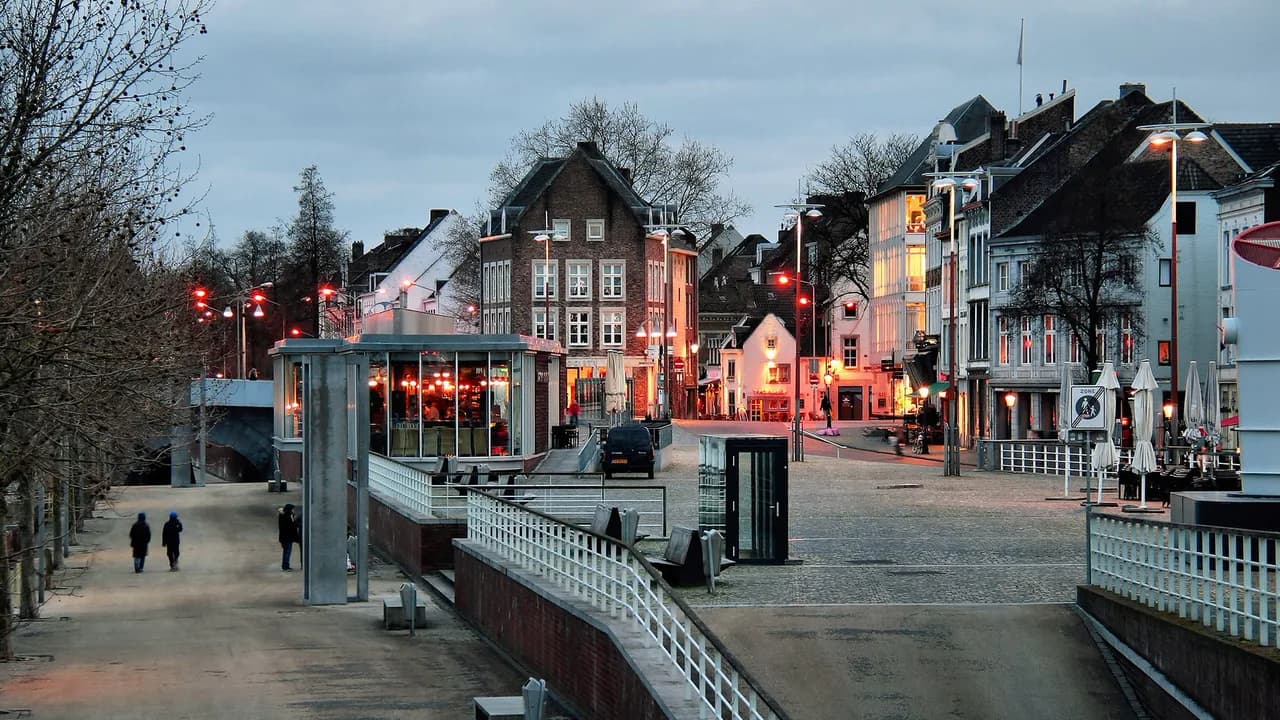
The inner city bans cycling during shopping hours, and the times are posted at the ends of the pedestrianised areas. Those signs are the practical map of where to dismount, so read them before pushing into the busiest streets. Pair the rule with a wander through the Maastricht Old Town, where walking is the sensible way to see the Basilica of Saint Servatius and the lanes around it.
Keep to those posted hours; the signs mark where to dismount, so read them before pushing into the busiest streets. Park and walk if you are unsure, and go by the signs rather than following whoever is ahead of you.
Riding in traffic and at junctions
Maastricht's small junctions often run on the right-hand rule, with no lights to sort priority. Look right before you look left, and do not assume a car will wait because you are on a bike. At larger crossings the shark's teeth and signals make the order clear, so read them early rather than braking at the last metre.
Signal turns with an outstretched arm well before the corner, particularly on the busier roads near the river. A bell is useful on shared paths; a shouted warning usually lands badly with pedestrians.
Parking your bike in a rack
Bikes belong in a designated rack or parking zone, not on the pavement, where they block people with disabilities and get in the way of emergency access. In practice that means budgeting a minute at each stop to find the nearest rack rather than leaning the bike against a wall.
The city's cycling initiative, posifiets, publishes a map of public racks and facilities in the centre, which is worth a look before you set off if you plan several stops.
A short sightseeing ride along the Maas
For a first ride, follow the Maas south out of the centre towards Sint Pieter, then loop around the Pietersplas and back. The marina there describes itself as a base for cyclists heading into the surrounding countryside, and the flat riverside stretch is the gentle version of that.
Add the Sint Pietersberg ridge if you want a climb, or keep to the river if you are on a city bike with three gears. The caves under the Sint Pietersberg are a separate outing, so plan them as their own visit rather than folding them into a ride.
If you would rather walk the same ground first, our Maastricht walking tour covers the centre on foot and helps you judge the distances before you commit to a bike. If you only have a day, our one day in Maastricht plan shows how much of the centre fits on foot.
Longer rides: the Maasfietsroute and the hills
The Maasfietsroute is the long-distance option, following the river through the region, and the marina offers it as a downloadable route for guests. It is the natural choice for a day in the saddle that stays flat and keeps the water in view.
South Limburg's hills are the other half of the story: the marina lists routes through the rolling hill country towards the Jekerdal and the Drielandenpunt at Vaals. There is also a route through the Hoge Kempen national park across the Belgian border. Do not treat any of these as a gentle afternoon on a heavy city bike.
For a broader menu of recreational loops, this collection of cycling routes through Maastricht covers options from monuments to green space. If you are weighing up how long to stay to fit a ride in, see how many days in Maastricht you need.
Riding into Belgium and Germany
Maastricht's corner of the Netherlands touches both Belgium and Germany, which is why the Drielandenpunt at Vaals appears on local route lists. Riding across a border here is unremarkable, and the landscape shifts from Dutch riverbank to Belgian woodland without a checkpoint. If the bike is only part of your trip, our Things to Do in Maastricht guide covers the rest of the city.
The Hoge Kempen national park lies on the Belgian side and is one of the routes the marina suggests from the water. Treat a border loop as a full day and take water and a spare tube, since a national park is not the place to rely on a corner shop.
Terrain, pacing and what to expect
The river plain is flat and the city centre is flat, so a short ride costs little effort. The hills start quickly to the south and east, and South Limburg's rolling landscape is the reason local riders talk about routes rather than distances. Pick one hill and one flat section rather than chaining three climbs on a hire bike.
The marina runs a water taxi between the harbour and the centre in the summer season, which could give you a one-way option if you ride out and do not fancy the return leg. It is not described as carrying bikes, so ask before relying on it.
Which Maastricht ride fits your day
Choose the flat river loop if you have an afternoon and a city bike; choose the Maasfietsroute if you have a full day; take the hills only if you are comfortable climbing and your bike has the gears for it. Whichever you pick, sort out lights, keep your phone in your pocket and park in a rack. Hire arrangements are worth confirming with the operator before you set out.
Explore more Maastricht guides
Frequently Asked Questions
Do I need a helmet to cycle in Maastricht?
The cycling guidance for Maastricht concentrates on lights, phone use, signalling, right-of-way and parking; it does not set out a helmet requirement. Wear one if you prefer, especially on the hill routes.
Can I cycle through Maastricht's pedestrianised centre?
Not during shopping hours, when cycling is banned in the inner city. The hours are posted at the ends of the pedestrianised streets, so read the signs before riding in.
Can I take a bike on the water taxi from the marina?
A water taxi runs between the marina and the centre in the summer season, but the marina's page does not state whether bikes are carried. Ask the operator before you plan a one-way ride with a boat return.
Is Maastricht a flat city to cycle in?
The centre and the Maas plain are flat, so a short city ride is easy. The hills of South Limburg begin quickly to the south and east, so longer loops towards the Jekerdal and Vaals involve real climbing.
Sources
Notes for your next Dutch city break
Optional updates to our Netherlands guides.
You might also like
Continue reading
More guides you'll find useful